This guide on how to choose a mountain bike focuses on the decisions that actually change how the bike feels on the trail. I start with terrain, then move through suspension, wheel size, fit, and budget, because those are the factors that matter when you want a bike that handles real rides well. If you get those right, brand names and paint jobs stop distracting you.
The right bike is the one that matches your trails, fit, and budget
- Trail type should drive the frame and suspension choice before anything else.
- Hardtails are cheaper, simpler, and often the better first mountain bike.
- Full-suspension bikes make sense when your local terrain is rough enough to justify the extra cost and maintenance.
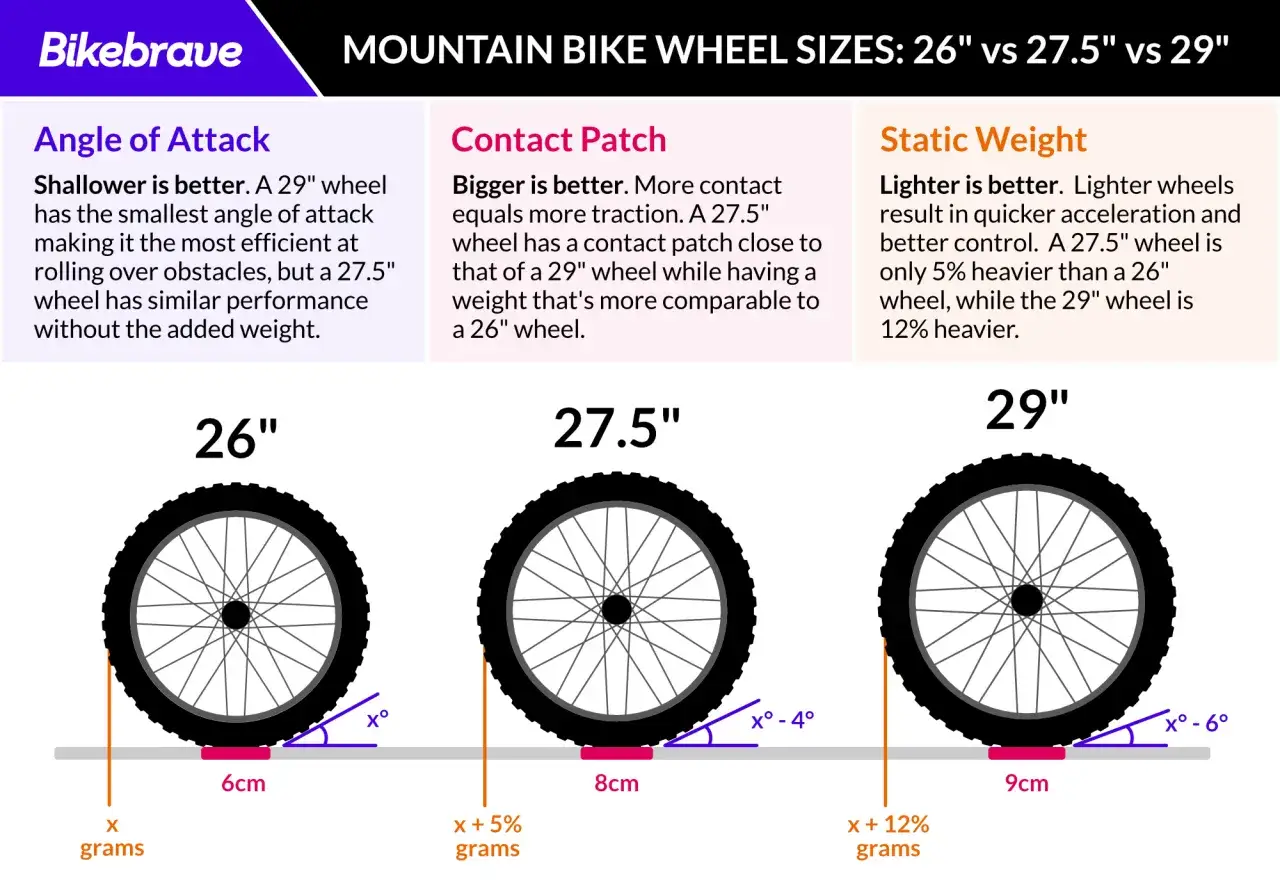
- 29-inch wheels roll efficiently and stay composed, while 27.5-inch wheels feel quicker and more playful.
- Fit matters more than a spec bump, especially the frame reach and standover height.
- Budget should leave room for pedals, a helmet, and a basic setup or service.
Start with the trails you actually ride
The best mountain bike for a rider in Colorado is not automatically the best bike for someone riding flat, rooty singletrack in the Midwest or rolling green trails in North Carolina. I always start with the terrain, because it tells you how much suspension, stability, and climbing efficiency you really need. If most of your rides are smooth and fast, you can keep the bike simpler. If your local loops are rocky, steep, or full of repeated drops, you need more forgiveness from the frame and fork.
- Cross-country and fitness rides favor efficiency, lighter weight, and less suspension.
- Trail riding needs a balance of climbing support and descending comfort.
- Enduro or bike-park riding prioritizes stability and control over quick acceleration.
That is the first filter I use because it prevents overbuying. A long-travel bike on mellow trails can feel sluggish and tiring, while a short-travel bike on aggressive terrain can feel nervous and undergunned. Once the terrain picture is clear, suspension choice gets a lot less confusing.
Hardtail or full-suspension
This is usually the biggest decision in the buying process. A hardtail has front suspension only, while a full-suspension bike has a fork up front and a rear shock in the frame. In practical terms, a hardtail is lighter, simpler, and cheaper to maintain. A full-suspension bike adds comfort, traction, and confidence when the trail gets rough.
| Bike type | Best for | Why it works | Trade-offs | Typical spend |
|---|---|---|---|---|
| Hardtail | Beginners, smoother trails, tighter budgets | Simple, efficient, and easier to service | Less comfort and rear-wheel traction on rough descents | Often the best value under about $1,800 |
| Full-suspension | Rocky trails, steep descents, riders who want more control | Better grip, more comfort, more confidence when the trail gets violent | Heavier, more expensive, and more maintenance | Good models usually start around $2,000 and rise quickly |
For most riders, I think a well-built hardtail is the smarter first purchase unless the local terrain genuinely demands rear suspension. A cheap full-suspension bike often makes too many compromises, especially in the fork, brakes, and wheel build. If you are spending real money, it is better to buy fewer moving parts that are actually good. After that fork in the road, wheel size and geometry become the next useful filter.
Wheel size and geometry shape the ride more than most spec sheets
Most riders end up comparing 27.5-inch and 29-inch wheels, and the difference is real. A 29er rolls over roots and rocks more smoothly, carries speed well, and usually feels calmer at pace. A 27.5-inch bike accelerates a little quicker, changes direction more easily, and can feel more playful in tight terrain. Mixed-wheel or "mullet" setups, with a 29-inch front wheel and a 27.5-inch rear wheel, show up on some aggressive trail and enduro bikes because they combine rollover up front with a livelier rear end.| Wheel setup | Ride feel | Best for | Watch out for |
|---|---|---|---|
| 27.5-inch | Quick, agile, playful | Tight trails, smaller riders, riders who like a lively bike | Less rollover and a slightly less composed feel at speed |
| 29-inch | Stable, efficient, confident | Trail riding, XC, long rides, rough ground | Can feel a bit less flickable in very tight terrain |
| Mullet | Stable in front, lively in back | Aggressive trail and enduro riding | Not the best all-around choice if you want simple predictability |
Geometry matters just as much. Reach is the horizontal room you have in the cockpit when you are standing and riding. Stack is front-end height. Head angle affects stability, with slacker angles feeling calmer on descents, while a seat angle changes how centered you feel on climbs. On a mountain bike, reach is the number I care about first, because it tells me whether the bike will feel cramped or stretched once the trail gets moving. Travel matters too: roughly 100 to 120 mm suits XC use, 120 to 150 mm is the sweet spot for many trail bikes, and 150 mm or more pushes into more aggressive descending territory.
That said, wheel size and travel are only part of the story. Fit is what makes those numbers feel right or wrong in your body.
Fit comes before components
I have seen plenty of riders obsess over drivetrain brand or wheel size and ignore the one thing they will notice every minute of every ride: fit. A bike that is too long makes your hands, shoulders, and lower back work harder than they should. A bike that is too short can feel twitchy and leave you cramped on climbs. The goal is not just to stand over the bike in a parking lot, but to feel balanced on climbs, descents, and slow technical sections.
- Standover height should leave clear room when you are standing over the top tube with shoes on.
- Reach should let you stand and pedal without feeling pitched too far forward.
- Seat height needs to adjust cleanly for climbing efficiency and leg extension.
- Bar width and stem length change steering feel more than most beginners expect.
A common rule of thumb is to want at least about 2 inches of standover clearance, with more room often preferred by aggressive riders. If you are between sizes, I usually suggest the smaller frame for tighter, more technical trails and the larger frame for more speed and stability. I also pay attention to how much seatpost remains exposed, because that can matter a lot if you plan to run a dropper post. Fit is the point where the numbers become personal, and it is where many otherwise good purchases go wrong. Once fit is sorted, budget is where the spec sheet starts to make sense.
Spend on the parts that affect control first
Mountain bikes can get expensive fast, but not every upgrade changes the ride equally. If I am helping someone spend money wisely, I look first at the fork, brakes, frame quality, and wheel build. Those parts affect control, confidence, and long-term satisfaction far more than a flashy paint job or a marginally lighter drivetrain.
| Budget range | What you can realistically expect | My take |
|---|---|---|
| Under $1,000 | Entry-level hardtails, basic parts, fewer premium features | Fine for mellow trails and occasional riding, but compromise is common |
| $1,000 to $1,800 | Strong hardtails, better forks, hydraulic brakes on many builds | Often the sweet spot for a first serious mountain bike |
| $2,000 to $3,500 | Respectable full-suspension bikes and higher-quality trail hardtails | Where many riders first get a genuinely capable all-around trail bike |
| $4,000 and up | Better damping, lighter parts, premium frame materials and finish | Worth it if you ride a lot, but not required for most buyers |
Three features are usually worth paying for early. Hydraulic disc brakes use fluid pressure instead of cables, so they deliver more consistent stopping power with less hand effort. A dropper post lets you lower the saddle for descents and raise it for climbing, and I consider it one of the best value upgrades in trail riding. Tubeless-ready wheels make it easier to run lower tire pressures and reduce pinch flats, although they do ask for a little more maintenance. I would rather see a rider buy a $1,400 hardtail with good brakes and a quality fork than a $1,700 bike with a weak overall build. After budget, the last filter is how the bike behaves when you actually ride it.
Test the bike the way you ride
A demo ride tells you things a spec sheet never will. A bike can look perfect on paper and still feel awkward once the trail points up, down, or sideways. When I test a mountain bike, I want to know whether it stays calm under braking, whether the cockpit feels natural when I am standing, and whether the frame gives me enough room to move on rough ground.
- Climb a short hill seated and check whether the front wheel stays planted.
- Stand and pedal on a steeper section to see if the cockpit feels too long or too short.
- Brake hard on loose ground and notice whether the bike stays composed.
- Ride a slow, tight turn to judge steering feel and body positioning.
- Roll through roots, curb edges, or small trail hits to feel suspension support and tire grip.
The shortlist I would use for most riders
- Mostly smooth local trails -> hardtail with 29-inch wheels, hydraulic brakes, and room for a dropper post later.
- Mixed roots, rocks, and longer descents -> trail full-suspension bike with about 120 to 150 mm of travel.
- Fitness and climbing first -> lighter XC-style hardtail or short-travel full-suspension.
- Playful, tight trails -> 27.5-inch or mixed-wheel bike if the geometry supports it.