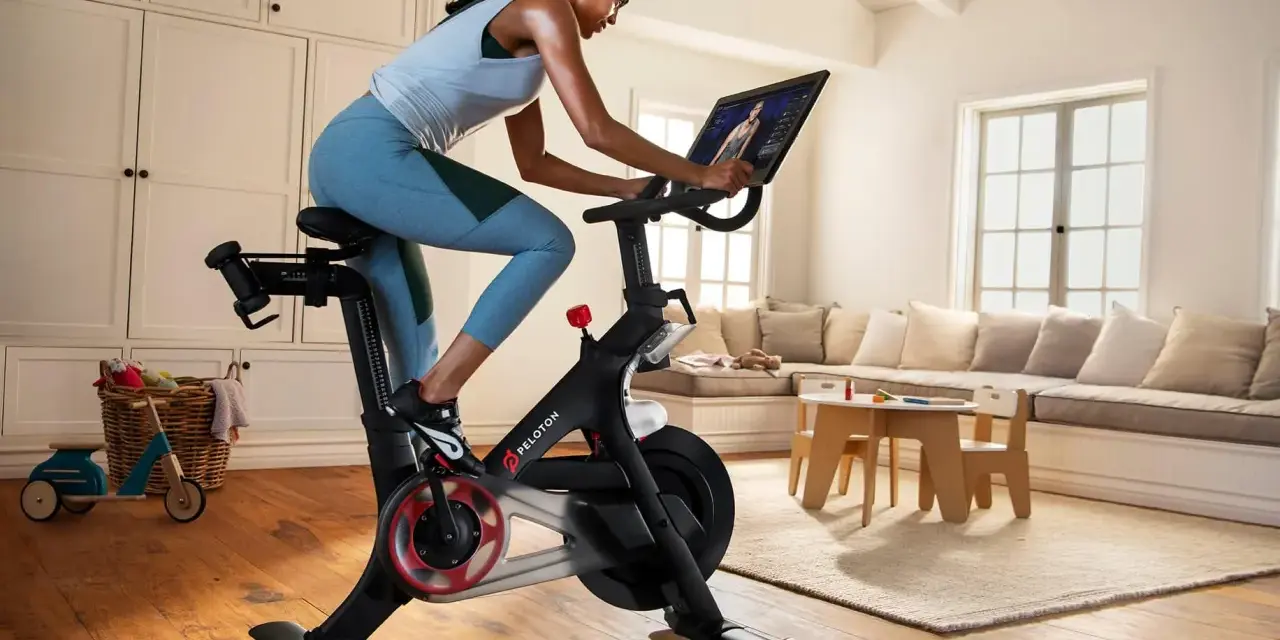
Peloton weight loss works best when you treat the bike as one part of a calorie-deficit system, not the whole solution. The machine gives you repeatable cardio, clear effort data, and enough variety to stay consistent, but the real change comes from pairing rides with smart eating, recovery, and a weekly plan you can actually keep. In this guide, I focus on the practical side: what to ride, how hard to push, how much to ride, and how to tell whether the plan is really working.
What matters most before you start riding
- Consistency beats hero rides. Three to five repeatable sessions usually outperforms one exhausting week.
- Weight loss still depends on calories. The bike helps create the deficit, but food choices decide whether it sticks.
- Mix your rides. Endurance, intervals, and recovery rides all play different roles.
- Strength training matters. It helps preserve muscle while you lose fat.
- Track trends, not single days. Water retention can hide progress for a week or more.
- Recovery is part of the plan. Sleep, rest, and manageable effort keep you training long enough to see results.
Why the bike can help, but does not do the job alone
I like Peloton for fat loss because it makes cardio easy to repeat. You do not need weather, traffic, or a long commute to get a solid ride done, and that simplicity matters more than most people expect. The bike also gives you a measurable output, so you can compare rides over time instead of guessing whether you worked hard enough.
Still, the bike is only one side of the equation. The CDC is blunt about it: losing weight comes down to creating a calorie deficit, and regular activity helps make that deficit easier to maintain. That means the bike is useful because it increases energy use, improves fitness, and makes consistency more realistic, not because it somehow overrides eating patterns.
What I see in practice is that indoor cycling works best when people stop asking, “How many calories did I burn?” and start asking, “Can I repeat this week for the next eight weeks?” That shift changes everything, because the right plan is the one you can sustain long enough for it to matter. The next question is which rides deserve the most time in that plan.
Which ride types are most useful for fat loss
Not every ride plays the same role. Some classes are better for building a base, some are better for pushing calorie burn, and some are there to let you recover without losing momentum. I do not try to make every session hard; I try to make the week balanced enough that I can keep showing up.
| Ride type | Best use | Typical duration | Watch out for |
|---|---|---|---|
| Endurance rides | Build aerobic fitness, improve stamina, and support longer weekly volume | 30 to 60 minutes | They can feel too easy, but that is exactly why they are useful |
| HIIT or Tabata rides | Raise training stress quickly and fit a hard workout into less time | 20 to 30 minutes | Too much intensity can leave you too tired to stay consistent |
| Climb and Power Zone rides | Improve muscular endurance and create strong calorie demand without all-out sprinting | 30 to 45 minutes | Good form matters more than chasing the highest resistance every time |
| Low-impact or recovery rides | Keep the habit alive, move blood through tired legs, and reduce burnout risk | 10 to 30 minutes | They are not a substitute for a real training stimulus, but they protect the bigger plan |
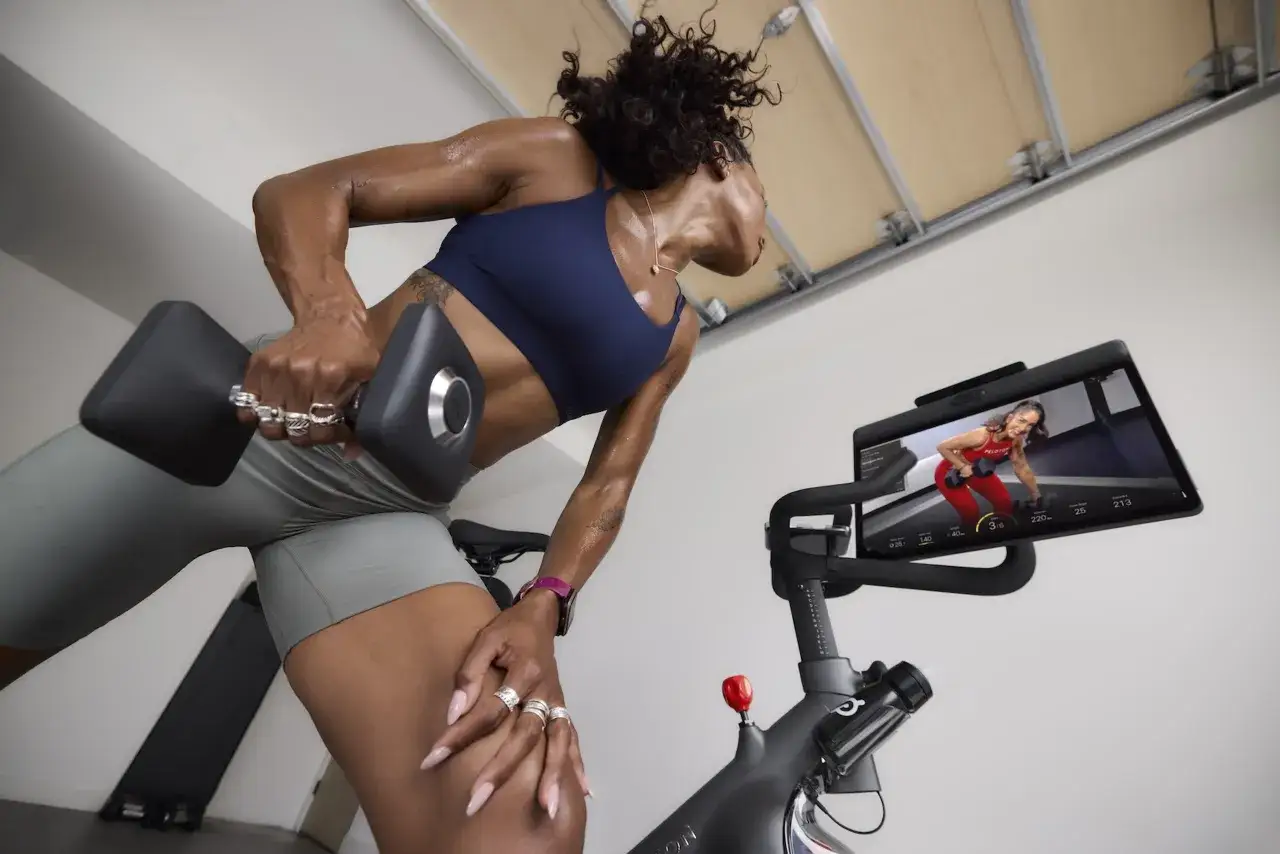
| Cross-training days | Preserve muscle and improve total-body composition with strength work | 20 to 40 minutes | Skipping strength work can make weight loss look flatter than it should |
The pattern I trust most is simple: use endurance rides to build volume, hard rides to drive adaptation, and recovery rides to stay in the game. If every class feels like a race, the plan usually breaks before the body changes. That is why the weekly structure matters more than any single workout.
A weekly riding plan that is realistic enough to repeat
For most riders, I would rather see four well-chosen sessions than seven random ones. A realistic week has a clear purpose behind each ride, and it leaves enough room to recover so the next session does not feel like punishment. If you are just starting, think in terms of rhythm, not perfection.
- Monday: 30 to 45 minutes of endurance or low-impact riding
- Tuesday: 20 to 30 minutes of strength training or a brisk walk
- Wednesday: 20 to 30 minutes of intervals or a climb-focused ride
- Thursday: Recovery ride, mobility work, or complete rest
- Friday: 30 to 45 minutes of steady cycling
- Saturday: 45 to 60 minutes on the bike if recovery feels good
- Sunday: Rest, easy walking, or light stretching
If time is tight, the plan can shrink. Three 20-minute rides done every week will beat a perfect plan you abandon after ten days. Once the schedule feels natural, then you can layer in more volume and more intensity. That leads straight into the question of how hard each ride should feel.
How hard and how long to ride for results
The most useful effort target is not “max effort.” It is the level where you can do enough work to matter without turning every ride into a recovery problem. On the bike, I look at heart rate zones, cadence, resistance, and how the ride actually feels in the body.
| Effort level | How it feels | Best use |
|---|---|---|
| Easy | You can talk normally and breathe comfortably | Warm-ups, recovery rides, and active rest |
| Moderate | You can speak in short sentences, but you would not want to hold a long conversation | Most endurance rides and steady fat-loss work |
| Hard | Breathing is heavy and focus starts to narrow | Intervals, climbs, and shorter high-output efforts |
| Very hard | You can only sustain it briefly | Short bursts, not the core of a weight-loss plan |
For weight loss, I usually recommend a mix of 20- to 30-minute sessions and 45- to 60-minute rides. Short rides are useful because they are easier to repeat on busy days, while longer rides improve total weekly energy expenditure and aerobic fitness. The mistake is thinking that longer is always better; if the long ride wrecks the next two days, it is too expensive.
Heart-rate training can help here because it gives you a more honest view of effort than sweat alone. Peloton support notes that profile details like height and weight are used to estimate calorie burn, which is one reason I tell riders to keep their data current. If the numbers are going to guide your decisions, they need to be based on the right inputs.
Once you know how hard to work, the next limiter is usually not the bike. It is what happens before and after the workout.
Nutrition and recovery decide whether the scale moves
Most people want the bike to do the heavy lifting, but the scale responds to the full day, not just the 30 or 45 minutes spent riding. If I am coaching someone through a weight-loss phase, I care as much about meals, sleep, and stress as I do about output. That is not glamorous, but it is the part that holds the whole thing together.
The practical version is straightforward:
- Keep protein high enough to help with fullness and muscle retention.
- Build meals around fiber from vegetables, fruit, beans, and whole grains.
- Do not eat back every calorie the screen shows unless you know the estimate is accurate for your body and ride.
- Use carbs strategically around harder rides if they help you train better and recover faster.
- Sleep enough that hunger and decision fatigue do not start running the show.
- Keep alcohol and liquid calories in check because they can erase a week of good work surprisingly fast.
The CDC also emphasizes that healthy weight loss includes healthy eating patterns, physical activity, enough sleep, and stress management. That is the part people skip when they want a faster answer. I would rather see a modest, sustainable deficit than an aggressive cut that turns every ride into survival mode. If you are constantly starving, the plan is too tight.
When nutrition and recovery are handled well, the bike starts to work the way people hoped it would from the beginning. The next trap is assuming that more effort automatically means more progress.
The mistakes that stall progress on Peloton
I see the same patterns over and over, and most of them are fixable. None of them are about laziness. They are about overconfidence, bad feedback, or a plan that is too intense to survive real life.
- Riding hard every day. That usually creates fatigue faster than it creates fat loss.
- Trusting calorie burn numbers too much. Screen estimates are useful, but they are still estimates.
- Skipping strength training. Losing weight without preserving muscle can make the body look softer than expected.
- Eating back all exercise calories. This is one of the most common reasons the scale stalls.
- Ignoring everyday movement. Steps, standing time, and general activity still matter.
- Using outdated profile data. If your current weight is very different from what is stored, the estimate is less helpful.
- Expecting visible change too soon. Water retention from harder rides can hide fat loss for several days.
My blunt take is that most “Peloton did not work for me” stories are actually “my weekly system did not hold together” stories. The bike did its job, but the rider either overreached, under-ate protein, or trusted the numbers without checking the trend. Once you avoid those errors, progress becomes much easier to read.
That is where better tracking matters, because the scale alone can be a noisy narrator.
How to track progress without chasing the scale every day
If you only use one metric, you will misread your progress. Weight changes day to day because of water, sodium, soreness, digestion, and menstrual cycles, so a single weigh-in is often not useful enough to guide decisions. I prefer a small dashboard of measurements that tell a cleaner story.
| Metric | How often | Why it matters |
|---|---|---|
| Body weight | 3 to 7 times per week, then use the weekly average | Shows the real trend better than a single day |
| Waist measurement | Once a week or once every two weeks | Often changes even when scale weight is slow |
| Ride output or performance | Every ride | Improving output at the same effort usually means fitness is rising |
| Energy and hunger | Daily notes | Helps you spot when the deficit is too aggressive |
| Clothing fit | Every few weeks | Useful when the scale is flat but body composition is changing |
If you are only looking for one sign that the plan is working, look for the combination of slightly easier rides, better recovery, and a downward trend in weekly average weight. That trio tells me far more than any single workout total. Once those signals are moving in the right direction, the only thing left is to keep the process simple enough to repeat.
The first two weeks I would use to build momentum
If I were starting from zero today, I would spend the first two weeks building a system instead of chasing a dramatic result. The goal would be to make the bike feel normal in my week, not heroic. That approach is less exciting, but it is the one that usually survives long enough to change the body.
- Set your profile data correctly so your calorie estimates are as useful as possible.
- Book three rides on the calendar before the week begins.
- Choose one ride as steady endurance, one as intervals, and one as a longer session.
- Add two short strength sessions or a couple of brisk walks.
- Pick one nutrition rule you can actually keep, such as protein at breakfast or no liquid calories on weekdays.
- Use weekly average body weight instead of reacting to every morning.
That is the version of weight loss on a Peloton bike I trust: repeatable rides, modest food changes, enough recovery to keep going, and honest tracking that shows the trend instead of the noise. If you stay with that for four to six weeks, the bike stops being just a sweat session and starts acting like a real training tool.