The fastest way to make indoor rides pay off
- The best indoor cycling workouts start with a 5-10 minute warm-up and end with a similar cool-down.
- For most adults in the US, the CDC still points to 150 minutes of moderate activity or 75 minutes of vigorous activity each week.
- The most useful ride types are recovery spins, endurance rides, tempo work, hill repeats, cadence drills, and short intervals.
- Bike fit matters more than fancy metrics if your knees, hips, or lower back start complaining.
- If you only have 20-30 minutes, a focused interval session usually beats random hard pedaling.
What indoor riding is best for
I like indoor cycling because it solves a very specific problem: it gives you repeatable effort without weather, traffic, or terrain getting in the way. That makes it useful for base fitness, weight management, cross-training, and even race preparation, but it is especially good when you need a low-impact cardio option that still feels purposeful.
In practice, stationary-bike training works best when you want control. You can hold one effort steady, repeat the same interval block next week, or deliberately back off on a recovery day instead of letting the ride drift into a half-hard, half-easy blur. That control is what makes progress measurable, and it is why I treat the bike as a tool rather than just a sweat machine.
The main limitation is also the main tradeoff: indoor work is convenient, but it can get monotonous fast if every session looks the same. The fix is not more motivation; it is better structure, which is what I focus on next.
How I build a session that feels hard but controlled
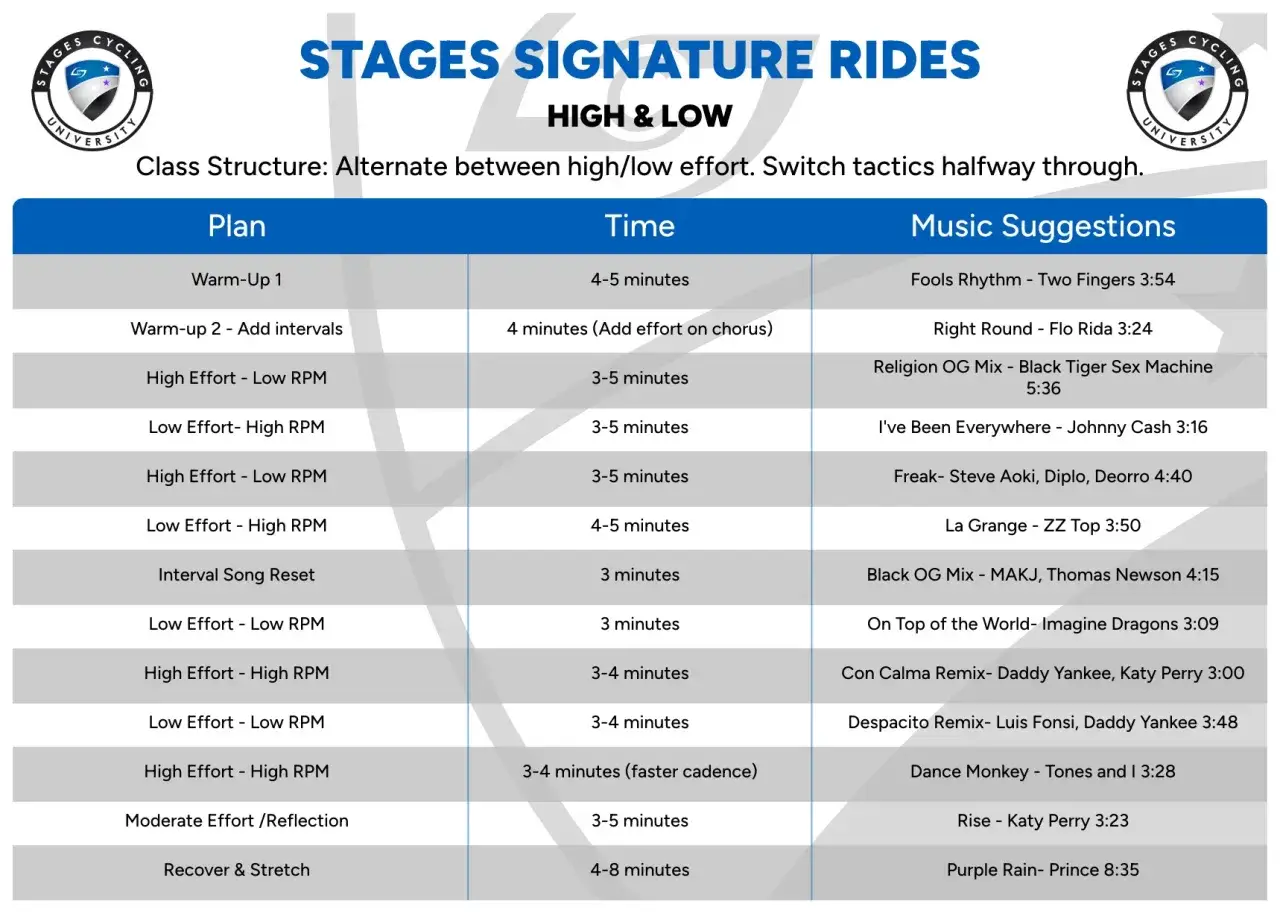
The simplest useful ride has three parts: warm up, main set, and cool down. I usually keep the warm-up at 5-10 minutes of easy spinning, then move into the main work for 10-30 minutes depending on the goal, and finish with another 5-10 minutes of easy riding. That pattern sounds basic, but it prevents the most common mistake I see: jumping straight into effort before the legs are ready.
For intensity, I use a plain rating of perceived exertion on a 1-10 scale because it works on any bike. An easy ride sits around 2-3, steady endurance feels like 4-5, a solid tempo block lands around 6-7, and true intervals move into 8-9. The American Heart Association’s talk test is a good check here: if I can speak in full sentences, I am usually still in moderate territory; if I can only get out a few words, the effort is high enough to count as vigorous.
- Start easy enough that your breathing settles within a few minutes.
- Choose one main objective, such as endurance, power, cadence, or recovery.
- Keep the hard part specific instead of turning the whole ride into a grind.
- Cool down long enough that your heart rate comes down gradually, not all at once.
That structure gives the ride a job. Once the job is clear, choosing the actual workout becomes much easier.
The workout styles I reach for most often
When I plan stationary-bike sessions, I do not try to cover every possible variation. I keep coming back to a handful of formats because they solve different training problems cleanly. The right one depends on how much time you have, how hard you want to work, and whether you are trying to recover, build endurance, or push fitness.
| Workout type | Typical time | Effort | Best use | What makes it useful |
|---|---|---|---|---|
| Recovery spin | 20-30 minutes | Very easy | Sore legs, active recovery | Keeps blood moving without adding much fatigue |
| Endurance ride | 30-60 minutes | Easy to moderate | Aerobic base | Trains you to stay comfortable at a steady pace |
| Tempo ride | 20-40 minutes | Moderately hard | Fitness progress | Builds the ability to hold a strong effort without blowing up |
| Hill repeats | 20-45 minutes | Moderate to hard | Leg strength and stamina | Teaches you to stay smooth under resistance |
| HIIT intervals | 15-30 minutes | Hard to very hard | Time-crunched training | Delivers a strong stimulus in a short window |
| Cadence drills | 15-25 minutes | Varies | Pedal efficiency | Improves leg speed and smoothness when done cleanly |
My usual rule is simple: if I am fresh, I use tempo or intervals; if I am carrying fatigue, I choose endurance or recovery. That little bit of discipline matters more than people think, because it keeps the bike from becoming a daily test instead of a training tool.
How to set up the bike so the workout stays sustainable
A good session can be ruined by a bad setup. I always check saddle height first, because it has the biggest effect on comfort and knee tracking. If the saddle is too low, the knees tend to feel crowded and the quads burn too early; if it is too high, the hips may rock side to side and the back often starts to complain.
- Saddle height should leave a slight bend in the knee at the bottom of the pedal stroke.
- The handlebars should let you hinge at the hips without rounding your spine into a shrug.
- Your feet should feel stable on the pedals, not like they are searching for balance every revolution.
- Resistance should be heavy enough to stay smooth, but not so heavy that every pedal stroke becomes a mash.
- A fan, water bottle, and towel are not optional details if you plan to train hard indoors.
I also pay attention to cadence. If I am grinding slowly with a lot of resistance for long stretches, the ride usually feels harder on the joints than it needs to. If I am spinning so lightly that my hips bounce, I am not really building much useful force. The sweet spot is controlled, quiet, and repeatable.
If a specific pain shows up consistently, I treat it as a setup problem first, not a toughness problem. That approach saves a lot of people from turning a good training habit into a nagging injury cycle.
Common mistakes that slow progress
The biggest mistake I see is making every session feel important. That sounds disciplined, but it usually backfires. If every ride is hard, you lose the recovery that makes the hard work useful, and the bike starts to feel mentally heavier than it should.
- Starting too hard and needing to fade early.
- Riding with too much resistance for too long.
- Skipping the warm-up because the session feels short.
- Doing random hard efforts instead of one clear workout goal.
- Ignoring form when fatigue rises.
- Chasing sweat or calories instead of building a repeatable week.
Another mistake is treating the console as the whole story. Power, cadence, heart rate, and time all matter, but none of them mean much if the rider is always cooked, never recovered, or constantly sore. I would rather see one slightly easier week done well than three chaotic weeks that look intense on paper and go nowhere in practice.
Once those errors are under control, the next question is not how hard to go, but how often to repeat the right work.
A simple weekly plan for different goals
I prefer weekly structure over random motivation. It keeps the training honest, and it makes it easier to adjust when life gets busy. For most people, three to four rides per week is enough to make real gains, especially if the sessions are chosen with some intent.
| Goal | Weekly structure | Example mix | Why it works |
|---|---|---|---|
| Beginner fitness | 3 rides | 2 easy rides, 1 short interval ride | Builds habit without burying recovery |
| General health | 3-4 rides | 1 endurance ride, 1 tempo ride, 1 interval ride, 1 recovery spin | Covers moderate and vigorous work in a balanced way |
| Endurance focus | 4 rides | 2 easy rides, 1 tempo ride, 1 longer steady ride | Grows aerobic capacity without too much fatigue |
| Time-crunched training | 3 rides | 2 interval rides, 1 steady ride | Uses short, focused sessions to keep progress moving |
If I were starting from zero, I would not try to do all of this at once. I would begin with three consistent rides, keep one of them easy, and only add intensity after the basic habit feels automatic. That is the part people skip, and it is usually why they stall out after the first burst of enthusiasm.
Progress also works better when you change one variable at a time. Add five to ten minutes, or one extra interval, or a little more resistance, but not all three in the same week. Small upgrades are boring, but they are what make the bike pay off over months instead of just making one ride feel heroic.
What matters after the first month
Once the first month is behind you, I stop asking whether the ride was hard enough and start asking whether the whole week is sustainable. That shift matters. A good indoor training routine should be boring in the right places: enough repetition to improve, enough variety to stay interested, and enough recovery that you actually want to come back tomorrow.
If you want the simplest long-term formula, keep one steady ride, one harder session, and one easy day in rotation. Add a fourth ride only if your sleep, energy, and legs are still behaving normally. That is usually where indoor cycling becomes a real training habit instead of a temporary project.
For the first month, I would rather see you stay consistent with short, well-built sessions than chase every advanced workout on the internet. That approach is less flashy, but it is how indoor training starts to feel useful, measurable, and worth repeating.