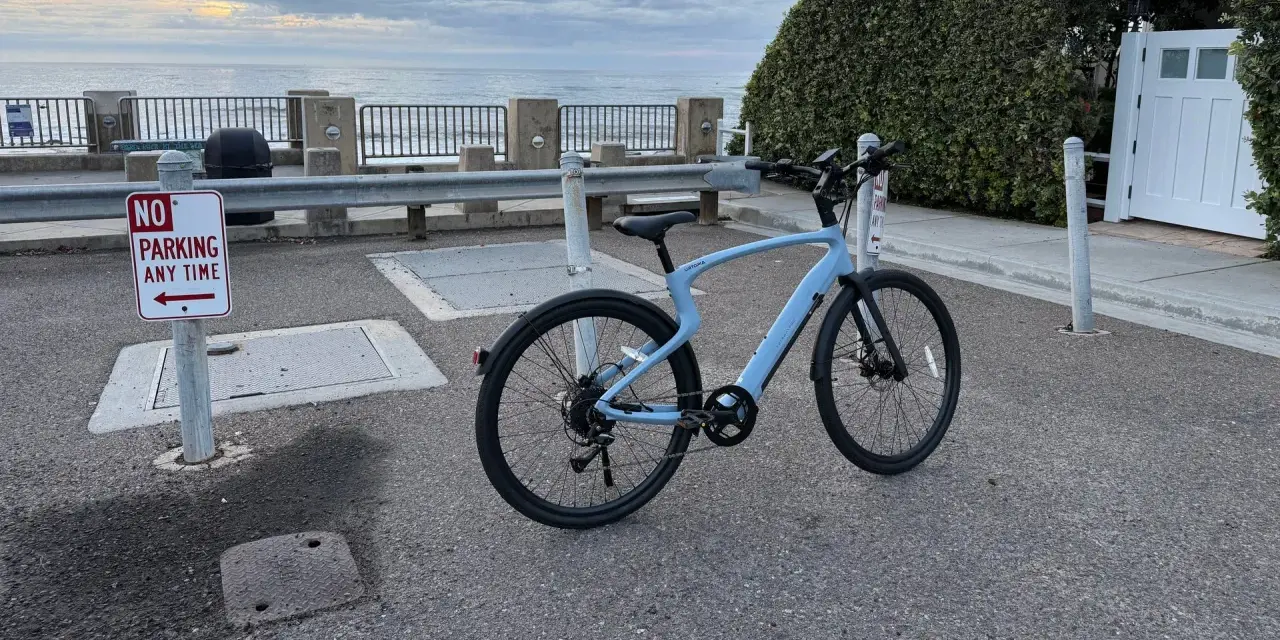
A city bike is the bicycle I recommend when the ride is short, repeated often, and shaped by real streets rather than performance goals. The simplest answer to what is a city bike is this: a bike built for urban use, with comfort, easy handling, and low-maintenance practicality taking priority over speed. In this guide I’ll break down the features that define the category, compare it with close alternatives, and show how to choose a setup that fits your commute, storage space, and weather.
Key things to know before choosing an urban bike
- City bikes prioritize an upright riding position, stable handling, and easy mounting and dismounting.
- The best models are usually accessory-ready, with mounts or built-in support for racks, fenders, lights, and bags.
- A modest gear range is normal; many city bikes favor simplicity over a wide, sport-oriented drivetrain.
- They are a strong fit for short commutes, errands, school runs, and everyday rides in regular clothes.
- If hills, distance, or cargo are the main challenge, a city e-bike or a more versatile hybrid may be the better buy.
What a city bike is and why it exists
In plain terms, a city bike is built for daily transportation in town: stop-and-go traffic, bike lanes, curb cuts, quick errands, and the kind of riding where convenience matters more than chasing top speed. In the U.S., the category overlaps with commuter bikes and urban hybrids, but the goal stays the same: make everyday riding feel easy enough that you actually do it.
I think of it as a bike for real-life use, not special occasions. It should feel calm at low speeds, easy to get on and off, and comfortable enough that you are not thinking about your wrists, your posture, or your gear selection every five minutes. If a bike feels designed around grocery runs, office clothes, and a locked-up rack outside a coffee shop, you are in the right territory.
The category also reflects a practical compromise. A city bike is usually more comfortable than a road bike, more street-focused than a mountain bike, and less specialized than a pure sport machine. That is exactly why it works so well for people who want one bicycle to handle most of their local transportation. From here, the details matter more than the label.
The features that matter most in daily use
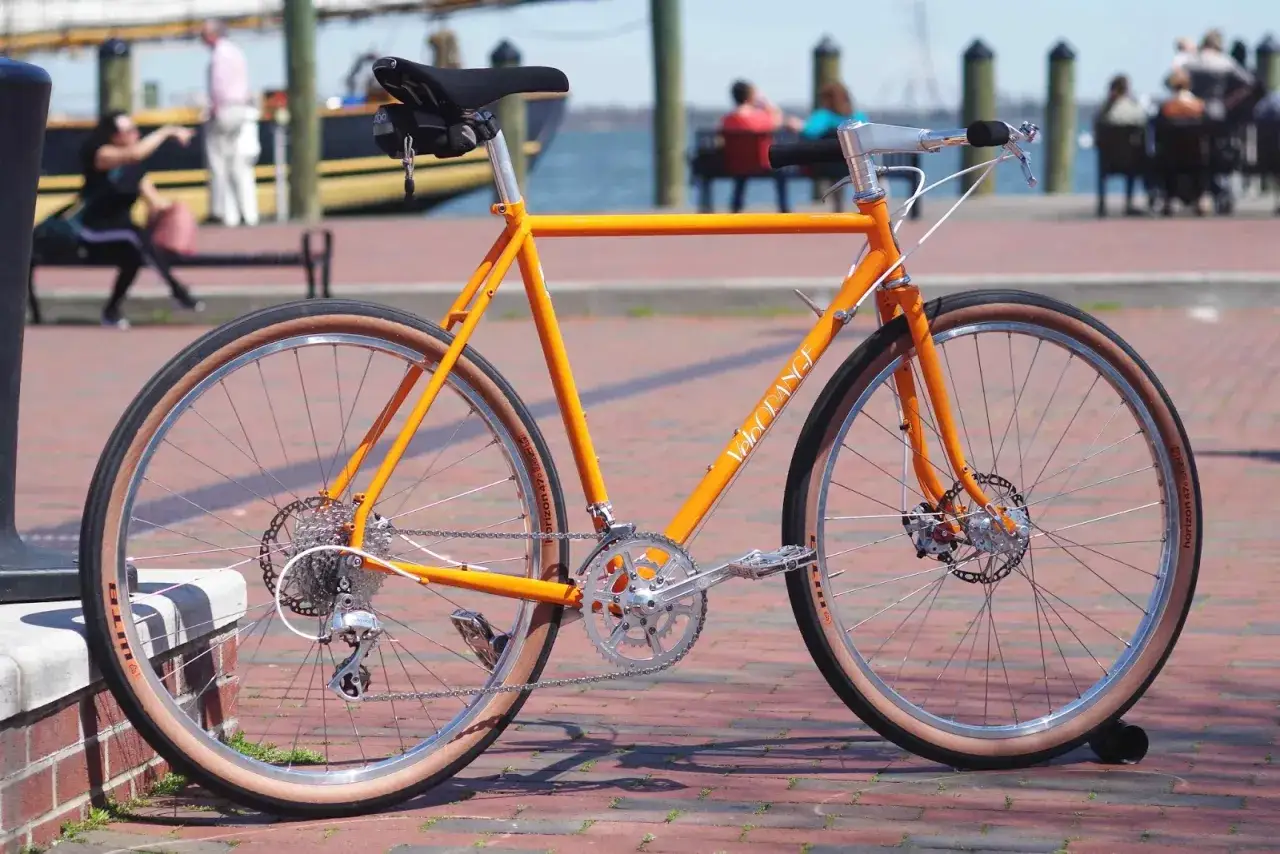
When I evaluate an urban bike, I look for the details that reduce friction in everyday riding. REI notes that an upright position reduces strain on the hands, wrists, and shoulders, and that is not a minor comfort point when you are riding through stoplights, potholes, and unpredictable traffic every day.
- Upright geometry keeps the ride relaxed and the view ahead clear. A shorter reach and a flatter or swept-back handlebar usually make city riding feel less tense.
- Practical accessory mounts are a major sign that the bike was designed for urban life. Trek’s city-bike line, for example, is built around racks, fenders, and bags because utility is part of the package, not an afterthought.
- Fenders are worth more than they look on a spec sheet. If you ride in wet weather or on streets with puddles, they save your clothes and make the bike feel cleaner to use.
- A modest gear range is usually enough. Many classic city bikes use around 7 speeds or a similarly simple setup, because the point is to cover hills, bridges, and traffic lights without adding maintenance headaches.
- Disc brakes or strong all-weather brakes matter if you ride in rain, brake often, or carry cargo. Confidence at low speed is more important in a city than maximum stopping power on paper.
- Puncture-resistant, comfort-focused tires help more than aggressive, skinny rubber. I want enough volume to soften rough pavement, but not so much that the bike feels sluggish.
- A step-through frame can be a smart choice if you ride in office clothes, carry bags, or stop and start constantly. Easier mounting sounds small until you use the bike every day.
There is also a maintenance angle here. Internal gear hubs, belt drives, and simpler drivetrains are common on higher-end urban bikes because they stay cleaner and need less attention than more exposed setups. That is not necessary for every rider, but it is one of the reasons some city bikes feel almost effortless month after month.
Once these basics are right, the bike starts to disappear under you in a good way. That is the sign of a well-chosen city machine, and it leads directly to the next question: which type of everyday bike actually fits your ride?
How a city bike compares with the closest alternatives
Most buyers are really comparing a city bike with a hybrid, a commuter bike, or an e-bike. The names overlap, but the priorities are different enough that the wrong choice can feel annoying very quickly.
| Bike type | What it prioritizes | Best for | Main tradeoff |
|---|---|---|---|
| City bike | Comfort, utility, and easy daily use | Short commutes, errands, school runs, and street riding | Usually slower and less sporty than performance-oriented bikes |
| Hybrid or commuter bike | Balance between comfort and speed | Mixed riding, slightly longer commutes, fitness plus transportation | Can be a little generic unless the parts are well chosen |
| Road bike | Speed and efficiency on pavement | Fitness rides and long paved routes | Less comfortable in everyday clothes and less utility-focused |
| E-bike | Assistance, range, and easier climbing | Hills, heavier loads, longer commutes, and sweat-free arrival | More weight, higher cost, and charging to think about |
In 2026, the e-bike version of this category is more common than ever, but that does not make it the default answer. If your route is short and flat, a simple city bike is often the cleaner choice. If the terrain or distance is the real obstacle, electric assist can be a very smart upgrade. And if you want a bike that can stretch beyond town riding into mixed weekend use, a hybrid may fit better than a pure urban model.
The main lesson is not to get trapped by the category name. I care far more about how the bike will actually be used than whether the marketing calls it urban, commuter, fitness, or city-focused. That makes the next step much easier: match the bike to your real routine.
How to choose the right bike for your streets and routine
I always start with the ride itself. The same bike that feels perfect on a flat three-mile trip can feel wrong on a hillier route, in winter weather, or in a building with stairs and no elevator.
- Short, flat commutes usually suit a simple city bike with a practical gear range, good lights, and a rack or basket if you carry anything.
- Hilly routes benefit from lower gearing or electric assist. If you regularly arrive sweaty or push hard on climbs, that is a setup problem, not a fitness problem.
- Rainy or salty conditions make fenders and durable brakes much more valuable. A bike that stays clean and predictable in bad weather gets used more often.
- Cargo-heavy routines call for a stable frame, rack mounts, and enough carrying capacity to keep weight off your back.
- Limited storage can change everything. If the bike has to live in an apartment, hallway, or train-friendly space, weight and footprint matter more than they do on a suburban garage rack.
I also pay attention to the human side of the decision. If you want to ride in office clothes, a low top tube and a relaxed cockpit matter. If you plan to lock the bike outside often, everyday durability and replaceable parts matter more. If you hate maintenance, avoid choosing a bike that asks you to manage more complexity than you want.
That is why buying for your actual route beats buying for an idealized one. The best bike is not the one with the most features; it is the one that fits the way you already move through the city. From there, the common mistakes become easier to spot.
The mistakes that make a city bike feel wrong
The most common mistake I see is buying a bike that looks urban but rides like a compromised road bike. It may look sleek in photos, but if the reach is too long, the tires are too narrow, and the setup ignores daily utility, it will feel annoying within a week.
- Choosing a sporty posture when you really want comfort. A stretched-out position can be fine for fast fitness riding, but it gets old quickly in stop-and-go traffic.
- Buying cheap suspension for smooth pavement. A low-end suspension fork often adds weight without enough comfort benefit to justify it.
- Ignoring accessory support and hoping to “figure it out later.” If the frame lacks obvious rack and fender options, city use becomes more awkward than it should be.
- Overcomplicating the drivetrain for no good reason. More gears are not automatically better if your riding is mostly flat and short.
- Skipping fit because the price looks good. A comfortable bike that fits is always more useful than a bargain bike that feels awkward.
- Underestimating visibility and security. A bike that is hard to lock properly or hard to see at dusk is not complete enough for city use.
These mistakes are common because they are easy to justify in the store and hard to forgive on the street. If a bike feels slightly off in the first test ride, assume the annoyance will grow rather than disappear. The good news is that the right setup usually fixes most of the problem.
The setup details that make daily riding easier
On a city bike, the accessories are not decorations. They are part of the system that makes the bike useful enough to become part of your routine.
- Lights should be non-negotiable if you ride early, late, or through traffic. Built-in lights are convenient, but a reliable removable set is still better than no lights at all.
- A strong lock matters as much as the frame. If you cannot secure the bike confidently, you will hesitate to use it.
- A bell is small but practical in dense bike lanes and crowded paths. It keeps communication simple without yelling over traffic.
- A rear rack or front basket makes errands far easier. Panniers are often the cleanest answer if you commute with a laptop, groceries, or extra layers.
- Fenders keep the bike usable when the weather turns. They are one of those parts you stop noticing once you have them and immediately miss when you do not.
- Comfort touches like ergonomic grips, a supportive saddle, and correctly chosen tire pressure can matter more than flashy components.
My rule of thumb is simple: buy the bike that supports your daily habits, then upgrade the points of friction first. That order usually gives better results than spending the same money on a prettier frame with fewer practical details. A modest bike with the right setup often beats a premium bike that still asks you to carry everything on your back.
The version of city bike that usually works best in the U.S.
For most U.S. riders, the best city bike is the one that stays calm in traffic, rides comfortably in everyday clothes, and comes ready for racks, fenders, and lights. It should feel sturdy without feeling clumsy, practical without feeling stripped down, and simple enough that you do not dread using it after a long day.
If your commute is short and mostly flat, a non-electric model with an upright position and practical accessories is often the smartest buy. If hills, distance, or cargo are the real issue, a city e-bike can make the whole routine realistic instead of aspirational. And if you want a bike that stretches beyond errands and commuting into more varied weekend riding, a hybrid may give you the broader range you need.
The most useful takeaway is this: choose the bike that makes ordinary trips easier to say yes to. When a city bike fits your route, your storage, and your real daily habits, it stops being just a bicycle and starts behaving like a piece of transportation you can trust.