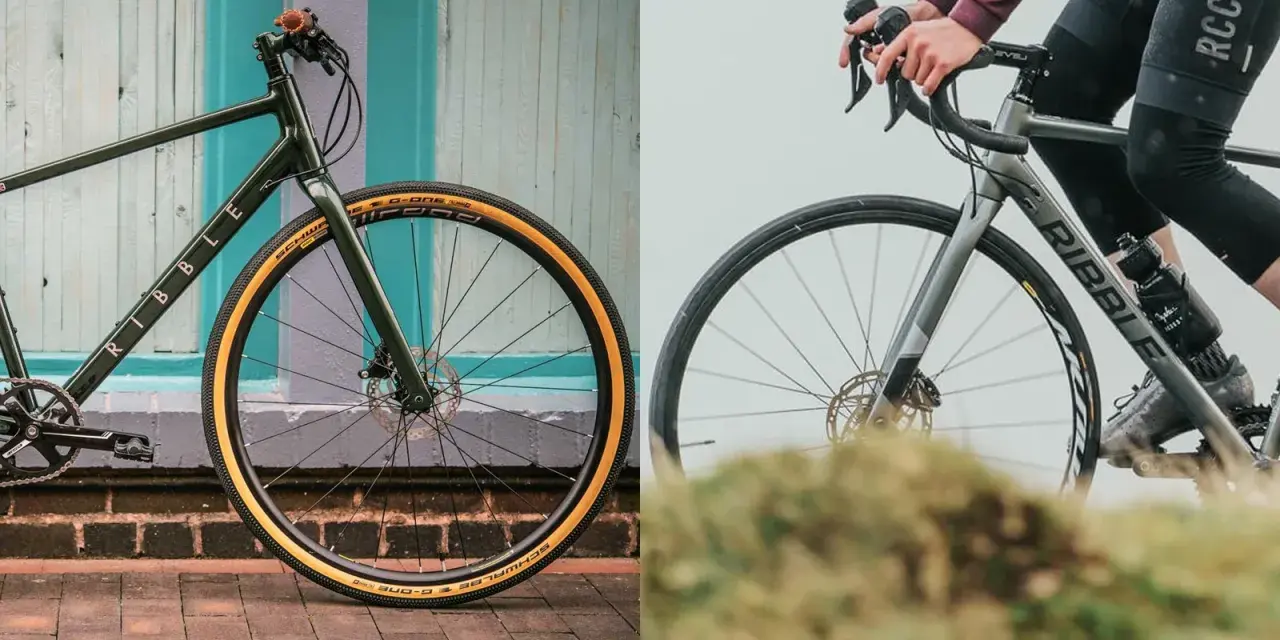
The right bike depends on how much of your riding life is transport, comfort, and flexibility
- Commuter bikes are built to make daily travel easier, with mounts or integrated gear for racks, fenders, and lights.
- Hybrid bikes are broader all-rounders, usually comfortable on pavement, bike paths, and light rough stuff.
- If your bike is mainly for getting to work, running errands, and carrying gear, a commuter usually makes more sense.
- If you want one bike for commuting, weekend rides, and occasional gravel or broken pavement, a hybrid is often the safer buy.
- Fit, tire width, braking, and cargo options matter more than the category name once you are comparing specific models.
- For wet weather and heavy stop-and-go use, low-fuss parts and strong brakes are worth paying for.
What each bike is really built for
I think of a commuter bike as a daily tool. It is designed around repeatable transportation: get on, ride to work, stop for coffee, lock it up, and do the same thing again tomorrow without fuss. A hybrid is a broader platform. It is built to feel comfortable and capable in more situations, which is why it often ends up being the default recommendation for riders who are not yet sure how they will use the bike most.
That difference shows up in the details. Commuter bikes are more likely to come ready for racks, fenders, lights, and panniers. Hybrids are more likely to prioritize comfort, neutral handling, and easy customization. Both can be excellent, but they solve different problems. Once you separate “daily transport” from “do-it-all riding,” the choice gets much clearer.
- Commuter bike: practical, weather-ready, and built to carry gear with less improvisation.
- Hybrid bike: versatile, comfortable, and easier to adapt as your riding habits change.
- Shared ground: flat bars, stable handling, and a setup that is friendlier than a pure road bike for most casual riders.
Once you know what the categories are trying to solve, the next question is which bike makes daily life easier in the real world.
Where a commuter bike earns its keep
A commuter bike starts to make sense the moment your ride stops being a workout and starts being transportation. If you ride in city traffic, carry a laptop, or deal with rain, potholes, and stoplights, the extra practicality matters more than a small speed difference. I usually tell riders to pay attention to how often they have to improvise with their current bike. Every strap, backpack, or clip-on accessory you keep adding is a sign that a commuter setup may be the cleaner solution.
- It carries gear better. A rear rack and panniers keep weight off your back, which matters on longer U.S. commutes and hot days.
- It handles bad weather better. Full fenders and stronger brakes reduce the daily annoyance of rain, grit, and road spray.
- It is easier to live with. Low-maintenance drivetrains, puncture-resistant tires, and practical accessories cut down on small frustrations.
- It is often safer in traffic. Strong brakes, predictable handling, and lights you actually leave on the bike improve confidence in stop-and-go riding.
- It reduces clutter. If the bike already has the mounts and hardware you need, you spend less time buying add-ons that never quite fit right.
In plain terms, commuter bikes are best when the bike is part of your transportation system, not just a fitness object. If that sounds a little too specific, that is the point: the more exact your routine is, the more a commuter setup pays off. The flip side is that some riders do not want that much specialization, which is where hybrids become more attractive.
Where a hybrid bike is the smarter all-purpose buy
Hybrids are the better answer when you want one bike to do several jobs without feeling locked into a single purpose. They are especially good for newer riders, people who split their time between commuting and recreation, and anyone whose route mixes smooth pavement with rough shoulders, park paths, or the occasional gravel shortcut. I like hybrids because they leave room for uncertainty. That matters more than it sounds if your commute, fitness goals, or storage situation might change in the next year.
- They are more flexible. A hybrid can handle weekday errands, weekend cruising, and fitness rides without feeling overbuilt for any one use.
- They are friendlier on mixed surfaces. Slightly wider tires and more relaxed geometry usually make broken pavement feel less harsh.
- They are easier to buy well. Many good hybrids offer a strong balance of price, comfort, and reliability without pushing you into commuter-specific parts.
- They work for occasional riders. If you do not ride every day, the lighter commitment makes the bike easier to justify.
- They often cost less upfront. A solid mechanical hybrid can start around the $500 to $900 range, while fully equipped commuter models often move into roughly the $800 to $1,800 range once better brakes, mounts, and accessories are included.
If your bike has to do a little bit of everything, the hybrid usually stays relevant longer. The question is how those tradeoffs look side by side once you compare the things that affect your ride every day.
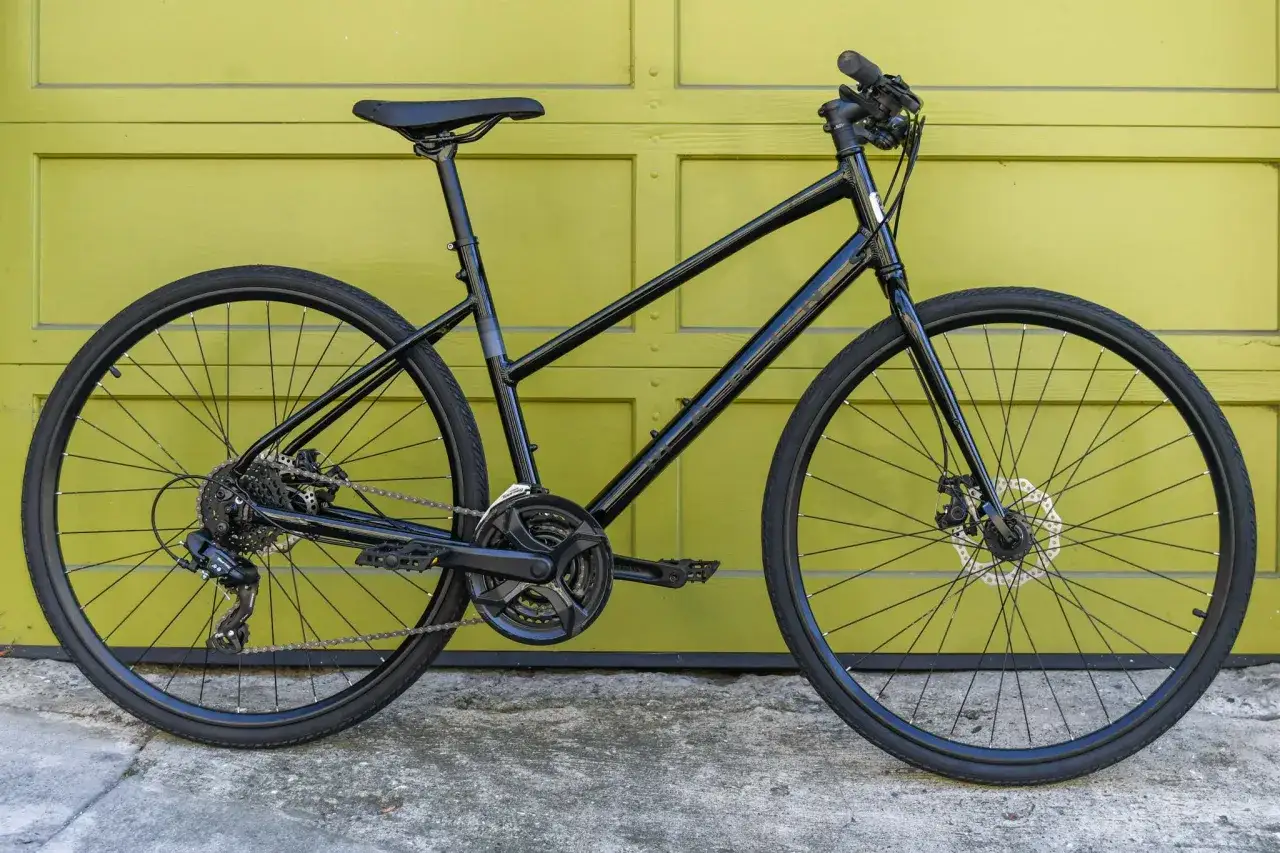
How they compare on the road
The easiest way to compare these bikes is to ignore marketing language and look at the ride experience. Here is how I would separate them when helping someone choose.
| Factor | Commuter bike | Hybrid bike | What it means for you |
|---|---|---|---|
| Main job | Daily transportation | All-purpose riding | Choose commuter if the bike has to behave like a tool. |
| Ride feel | Stable, practical, often slightly more upright | Comfortable, forgiving, and easy to adapt | Choose based on whether you want efficiency or flexibility. |
| Cargo and accessories | Usually ready for racks, fenders, and lights | Often mount-ready, but sometimes needs add-ons | Important if you carry bags or ride in wet weather. |
| Mixed pavement and light gravel | Capable, but less focused on variety | Usually stronger here | Hybrid wins if your route is messy or inconsistent. |
| Maintenance | Often easier to keep tidy with commuter-oriented parts | Can be simple, but varies a lot by model | Better commuting parts can save time, not just money. |
| Best value | When you ride often and carry gear regularly | When one bike has to do several kinds of riding | The cheaper bike is not always the cheaper bike to live with. |
What this table hides is the real insight: commuter bikes trade some flexibility for fewer daily annoyances, while hybrids trade some built-in practicality for broader usefulness. The right call depends on which annoyance you will notice more often, and that comes down to the parts and geometry, not the sticker on the downtube.
The features that matter more than the category name
I would rather compare individual parts than argue about labels. Two bikes can both be called hybrids and feel completely different. One may be an upright, comfort-oriented machine that is great for casual rides. Another may be closer to a flat-bar fitness bike with faster tires and a more efficient position. The same is true for commuter bikes: some are basic and rugged, others are polished, light, and ready for a serious year-round routine.
Frame and riding position
An upright position is comfortable and confidence-inspiring in traffic, especially if you stop often and need good visibility. A slightly lower, more forward position can feel quicker and more efficient on longer rides. I would not obsess over this unless your commute is long. Over 8 to 12 miles each way, small differences in position start to matter more than most riders expect.
Tires and wheel clearance
Tire width is one of the most underrated choices in this whole decision. Tires in the 32 mm to 45 mm range are common in this space, and they make a huge difference in comfort, grip, and how the bike behaves on cracked pavement. Narrower tires feel quicker, but wider tires usually make the ride calmer and more forgiving. If your route includes potholes, expansion joints, or glass-strewn bike lanes, I would lean toward more tire volume, not less.
Gearing and brakes
A simple 1x drivetrain is easy to use and usually lower fuss, while a wider-range setup helps if your city has real hills. Hydraulic disc brakes are worth a close look because they deliver strong, consistent stopping power in wet conditions and stop-and-go traffic. Belt drives and internal gear hubs can be excellent for commuters because they stay cleaner and often need less routine attention, but they cost more upfront and are less universal to service than a standard chain setup.
Read Also: Folding Commuter Bikes - Your Ultimate Buying Guide
Mounts, lights, and storage
This is where commuter bikes often separate themselves. Rack mounts, fender mounts, integrated lights, and practical carrying options like panniers make the bike easier to use every single day. Hybrids sometimes offer the same compatibility, but not always. If you know you will carry a lock, a bag, rain gear, and maybe groceries, built-in mounting points are not a luxury. They are what keeps the bike from turning into a pile of temporary solutions.
Once you start evaluating bikes at the component level, the best choice becomes much easier to match to your commute instead of to a category name.
How I would choose based on commute type
When people ask me what to buy, I usually start with the route itself. Distance, weather, storage, and hills tell you more than the brand story ever will. Here is the shortcut I use.
- Under 5 miles, mostly flat, occasional rides on weekends - A hybrid is usually the better value because it stays comfortable and flexible without forcing you into commuter-only parts.
- 5 to 10 miles, mixed traffic, regular errands, and a laptop bag - A commuter bike or a fully equipped hybrid makes more sense because rack and fender support starts paying back every day.
- 10 miles or more each way - Efficiency matters more, so I would focus on fit, tire quality, gearing, and weight. If hills are involved, an electric commuter or electric hybrid can become the most practical answer.
- Wet climate or winter riding - Prioritize fenders, strong brakes, and a drivetrain that does not become a maintenance project after every storm.
- Apartment living or transit transfers - Weight and portability matter more than accessory count, so a lighter hybrid can be easier to live with.
A useful rule of thumb: if your ride is short and simple, the hybrid often wins; if your ride is longer, messier, or more gear-heavy, the commuter starts to pull ahead. The final check is not theoretical, though. It is how the bike feels when you are actually carrying things, stopping often, and locking it up in the real world.
The simple test ride checklist that reveals the difference fast
I never decide from spec sheets alone. A five-minute test ride can expose more than a page of component lists if you know what to pay attention to. When I test a commuter or hybrid, I look for the same handful of things every time.
- Can I start and stop cleanly? If the bike feels awkward at low speed, it will feel worse in traffic.
- Do the brakes inspire confidence? You want controlled stopping, not a grabby or vague lever feel.
- Does the position feel sustainable? A bike can be efficient and still uncomfortable after 20 minutes.
- Would I be annoyed carrying this bike upstairs? Weight matters more when you live on a second floor or take trains.
- Can the bike take the gear I already use? If you need a rack, a child seat, or fenders, make sure the frame is ready for them.
If the commuter feels like it solves problems you already have, buy the commuter. If the hybrid feels good enough while leaving room for weekend riding and rougher surfaces, that is usually the smarter long-term value. Either way, the bike that fits your life beats the bike that sounds more specialized on a product page.
For most riders in the U.S., I would keep the decision simple: choose a commuter bike when transportation is the priority, choose a hybrid when flexibility matters more, and put fit, tire clearance, and cargo readiness ahead of brand names. That approach saves money, avoids regret, and leads to a bike you will actually want to ride on ordinary days, which is where the choice really counts.