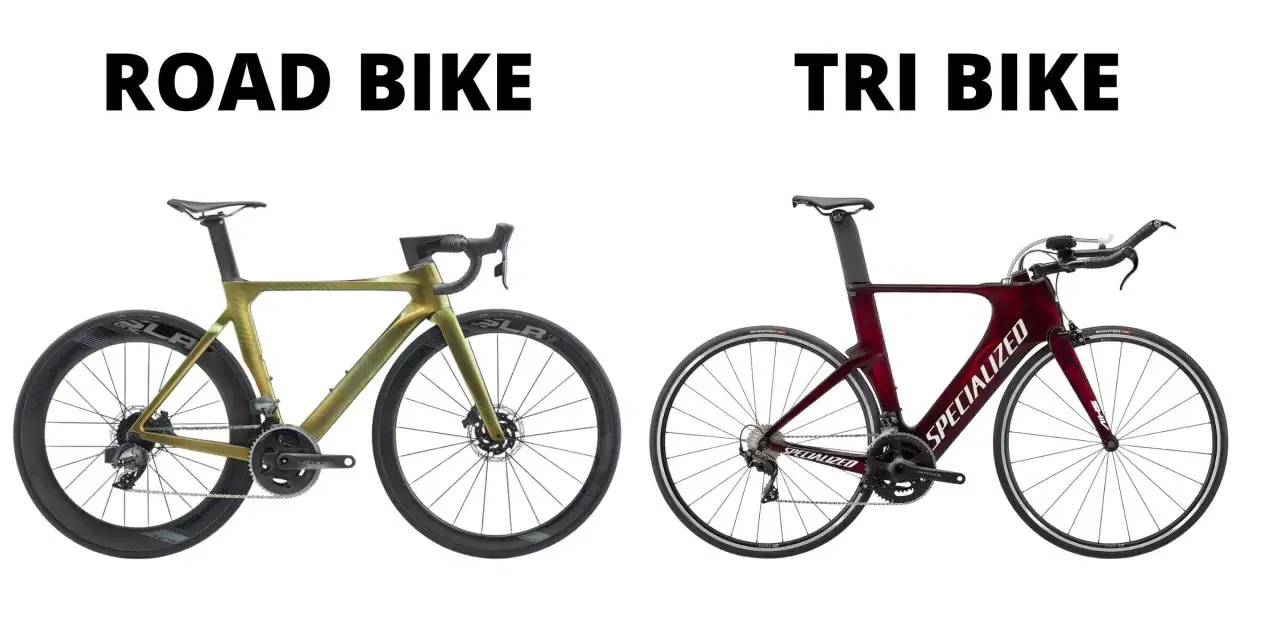
The tt bike vs road bike decision is less about choosing the fastest frame and more about choosing the right tool for the course, your position, and how long you can hold it. A dedicated time trial bike can be brutally efficient in the right setting, while a standard road bike is usually the smarter all-around purchase. I would approach the choice by asking where you spend most of your riding hours, not just where you want your best one-off speed.
The right bike depends on the course, the position, and how often you race
- Time trial bikes are built for solo efforts where aerodynamics matter more than handling and versatility.
- Road bikes are easier to live with, better for climbing, group rides, and mixed routes.
- Aero road bikes sit in the middle if you want more speed without a full TT setup.
- Your fit and ability to stay in position usually matter more than tiny frame differences.
- TT bikes usually cost more to buy, fit, and maintain in the U.S. market.
What each bike is actually built to do
I think the cleanest way to compare these bikes is to stop treating them as two versions of the same thing. A time trial bike is a specialist. A road bike is a generalist that can still be very fast, especially in a performance or aero-road version.
| Category | TT bike | Road bike |
|---|---|---|
| Primary job | Maximize speed in solo efforts | Handle speed, climbing, group riding, and everyday use |
| Riding position | Low, narrow, and forward | More open and adaptable |
| Controls | Aero extensions and integrated cockpit | Drop bars with brake and shift levers at the hands |
| Handling | Stable in a straight line, less convenient in traffic and corners | Quicker to steer and easier to manage on varied roads |
| Best use case | Time trials, triathlon bike legs, flat solo efforts | Road races, fondos, climbing, training, group rides |
That is why an aero road bike exists in the first place. It narrows the gap without taking away the road-bike feel. If your riding is mixed, that middle ground is often where the best value lives. Once you understand that split, the next question is how the bike changes your body position.
How geometry changes your position and power
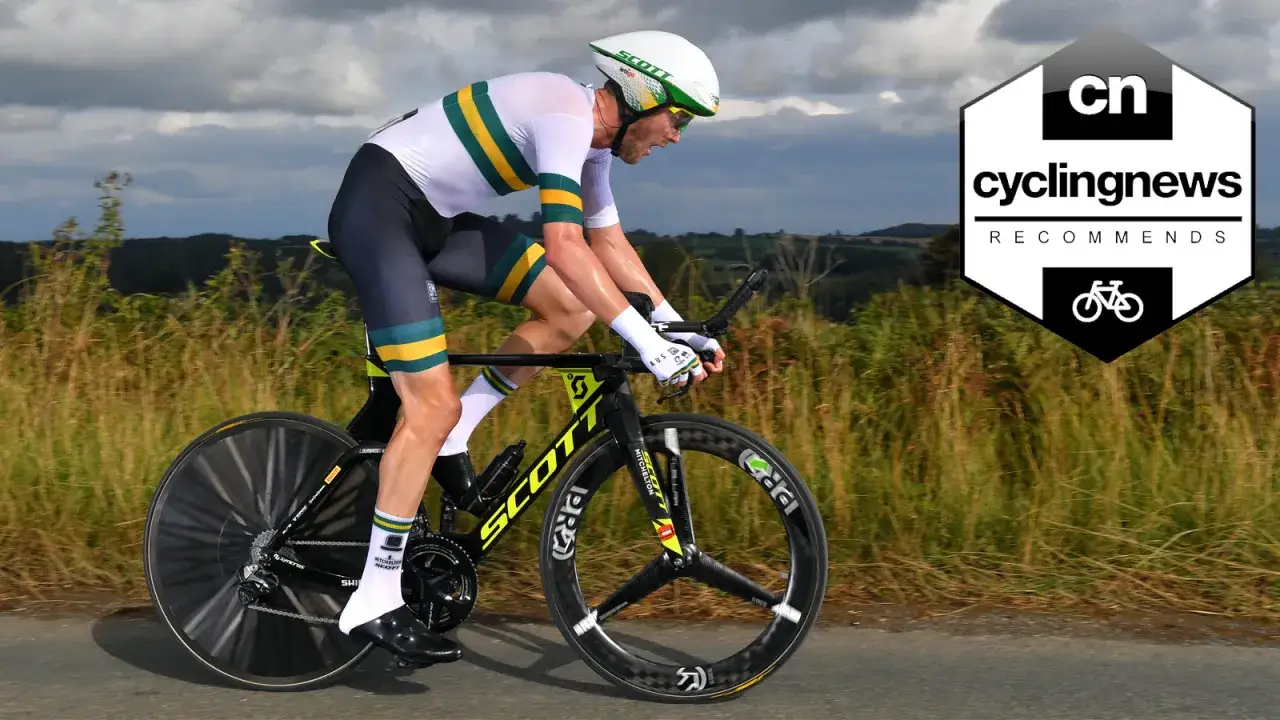
Geometry is the part most riders underestimate. With a TT bike, the frame is designed to put you in a more forward, more aggressive position, usually with a steeper seat angle and a much lower front end. The goal is not just to look aerodynamic; it is to let you keep your torso low without closing the hip angle too much. That matters because a cramped position can make breathing, power delivery, and comfort worse very quickly.
Road bikes are built differently. They usually give you more stack, more reach options through stems and spacers, and more hand positions through the drop bars. In plain English, that means they are easier to fine-tune for comfort over longer rides. I care a lot about this because a bike that feels great for 10 minutes can feel wrong after 40 or 90.
- Stack is the vertical frame measurement, and it affects how low the front end feels.
- Reach is the horizontal measurement, and it affects how stretched out you feel.
- Pad stack and pad reach matter on TT bikes because they define your armrest position, not just the frame size.
If a rider cannot stay relaxed in the aero position, the TT bike stops being a speed tool and becomes an expensive compromise. That leads straight into the real question: when does the aero advantage actually show up on the road?
Why the aero advantage is real but conditional
The advantage of a TT bike is very real, but it is not automatic. On flat, steady efforts, air resistance is the biggest enemy, which is why the lower front end and narrower position matter so much. On a long solo effort, the gains can add up enough to be meaningful. On the other hand, if the course is full of corners, climbs, rough pavement, or frequent braking, the road bike can close the gap surprisingly fast.
That is also why fit matters so much. In development notes for fast triathlon bikes, manufacturers point out that the rider creates most of the drag, not just the frame. In practical terms, that means a clean, sustainable position can matter more than chasing the most exotic frame on the market. If you sit up often, the aero benefit shrinks. If you can stay tucked for most of the effort, the TT bike earns its keep.
| Ride type | Better choice | Why |
|---|---|---|
| Flat 40 km time trial | TT bike | Long, steady power rewards the most aerodynamic position |
| Hilly road race | Road bike | More efficient climbing, braking, and cornering |
| City loop with traffic lights | Road bike | Faster acceleration and easier control |
| Triathlon on open roads | TT bike or aero road bike | Steady pacing and aerodynamics matter more than versatility |
So the frame is only part of the speed story. The other part is what you are paying for, and that difference is bigger than many riders expect.
What the price difference really buys you
In 2026, I would budget very differently for these two categories. A capable road bike can still be found at relatively accessible prices, while a serious TT setup tends to move into premium territory fast. The reason is not just the frame. TT bikes usually come with more integrated cockpits, more proprietary parts, more fitting complexity, and more expensive accessories.
| Cost item | Typical road bike | Typical TT bike |
|---|---|---|
| Solid entry to mid-level complete bike | $1,500 to $3,500 | $4,000 to $7,000 |
| Serious performance build | $3,500 to $8,000 | $7,000 to $15,000+ |
| Fit session | $150 to $400 | $200 to $500+ |
| Maintenance complexity | Usually simpler and cheaper | Often higher because of integrated parts and storage systems |
Those numbers are not about luxury for the sake of luxury. They reflect how specialized TT bikes are. Even basic adjustments can take more time, especially if the cockpit is highly integrated. A road bike is generally easier to service, easier to swap parts on, and easier to resell if your priorities change. If you only race occasionally, that flexibility is worth real money. If you race often, the extra cost can be justified, but only if the bike matches the events you actually do.
There is a good middle path here too: a road bike with clip-on aerobars can be a smart way to test whether you truly need a full TT machine, as long as your event rules allow it. That makes the next section the most practical one in the whole comparison.
How I would choose between them for common riding goals
When I help riders decide, I usually start with use case instead of brand, price, or looks. That keeps the decision honest. Here is the short version of how I would break it down.
- Choose a TT bike if you race solo time trials, spend a lot of time in triathlon bike legs, and mostly ride steady efforts where aerodynamics matter more than handling.
- Choose a road bike if you do group rides, climb often, ride in traffic, or want one bike that can handle almost everything.
- Choose an aero road bike if you want a meaningful speed benefit but still need better cornering, easier maintenance, and more versatility.
- Choose a road bike first if your budget is limited or you are still learning how often you will actually race against the clock.
For most riders in the U.S., especially those with mixed terrain and real-world roads, I lean road bike first. It is the safer investment, it is easier to live with, and it gives you more room to improve through fit, wheels, and training before you commit to a dedicated aero platform. If your calendar later fills with time trials or triathlons, then the TT bike becomes a much easier purchase to justify.
The fit you can repeat matters more than the frame you admire
The most common mistake I see is buying the bike that looks fastest instead of the bike that can be held fastest. A TT bike that is too aggressive, too stretched, or too hard to control loses its advantage quickly. A road bike that fits well and is ridden consistently often beats a poorly matched specialist bike in the real world, because the rider can stay relaxed, stable, and powerful for longer.
- Buy for the course you ride most often, not the one race you are imagining.
- Leave room in the budget for fit, wheels, and the cockpit adjustments that actually change performance.
- Do not ignore comfort, because comfort is what lets you stay aero when it counts.
- If you are undecided, start with the road bike and add speed later through fit and equipment.
My rule is simple: buy the TT bike when you know you will spend long, solo minutes against the clock; buy the road bike when you want one machine to handle climbs, groups, descents, and everyday mileage. The fastest bike is the one you can hold in the right position, on the right course, for the full effort.