
Unusual bicycle designs are not just a visual gimmick; they usually solve a very specific problem, from tight storage and multimodal commuting to back comfort and heavy hauling. What makes weird bikes interesting is that the odd shape often makes sense once you match it to the ride you actually want. In this guide, I break down the main types, the trade-offs that matter, and the quickest way to choose a bike that fits real life in the United States.
The right choice solves a real riding problem first and looks unusual second
- Folding bikes are the easiest answer for apartments, train commutes, and car trunks.
- Recumbents trade compactness for comfort, stability, and a very different riding position.
- Cargo bikes make the most sense when you regularly carry kids, groceries, or work gear.
- High-wheel, tall, and novelty builds are usually best for collectors, performances, or riders who want a conversation piece.
- The real buy decision comes down to storage, terrain, fit, service support, and what you carry.
Why unconventional bikes exist at all
When I strip away the novelty, most unusual frames fall into one of four jobs: making a bike easier to store, easier to ride for long hours, easier to load, or easier to notice. A folding bike solves the storage problem. A recumbent solves the comfort problem. A cargo bike solves the hauling problem. A high-wheel or tall frame solves almost no practical problem for everyday riders, which is why those designs live more in the world of enthusiasts, shows, and specialty use.
That matters because the design choice changes everything else. Geometry affects steering feel, wheelbase affects stability, and rider position affects comfort, visibility, and how hard it is to stop quickly. Once you know the job, the category becomes much easier to judge. From there, the next question is which design actually does that job well.
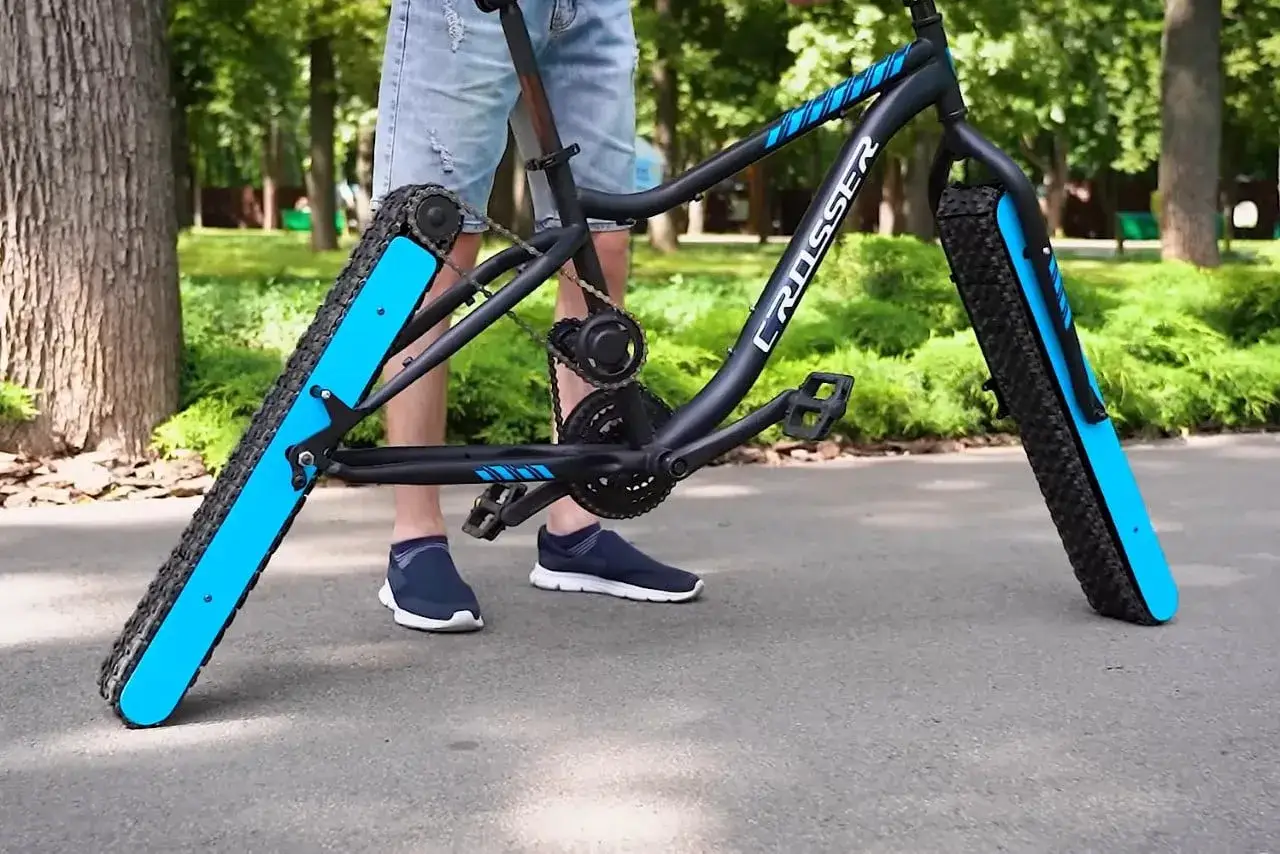
The main designs and what each one solves
| Design | Best for | What it does well | Main drawback | Typical U.S. price band |
|---|---|---|---|---|
| Folding bike | Apartment living, transit commutes, RV travel, trunk transport | Small footprint, easy indoor storage, good for mixed-mode trips | Smaller wheels can feel less stable on rough pavement; quality varies a lot | $300 to $3,000+ |
| Recumbent bike or trike | Comfort-focused riding, riders with neck or wrist sensitivity, long-distance cruising | Back support, relaxed posture, strong long-ride comfort | Bulkier to store, harder to haul, and slower to learn | $1,500 to $15,000+ |
| Cargo bike | Family transport, errands, deliveries, car-replacement commuting | High carrying capacity, stable utility, strong everyday usefulness | Longer, heavier, and less convenient in tight storage spaces | Under $900 to about $8,000 |
| High-wheel or tall-bike build | Collectors, stunt riders, parade use, specialty events | Maximum visual impact and a very distinctive riding experience | Not practical for most commuting, harder mounting, less forgiving handling | Highly variable, often custom |
I treat that table as a reality check. If the bike is impressive but the use case is vague, the design is probably doing more for style than for daily value. The next step is to translate those categories into a decision process you can actually use.
How I would choose one for real-world riding
The first thing I ask is simple: where will the bike live when I am not riding it? If it has to fit in a studio apartment, elevator, office corner, or car trunk, a folder moves to the top of the list immediately. If storage is easy, then I start looking at comfort, carrying capacity, and ride quality instead.
- Measure your storage before you buy. Doorways, hall closets, elevator width, and trunk depth matter more than most people expect.
- Match the bike to the terrain. Flat city miles are very different from steep hills, broken pavement, or gravel paths.
- Be honest about cargo. Groceries for one person are not the same as two kids, a backpack, and a week’s worth of errands.
- Check the riding position. If you hate pressure on your wrists, neck, or saddle area, a recumbent can be a real upgrade.
- Budget for the complete setup. Lights, rack, fenders, lock, and storage gear can change the real price by several hundred dollars.
- Think about service. A standard commuter is easier to repair almost anywhere; a niche design may need a specialist shop or mail-order parts.
I also keep geometry in mind. Geometry is the frame’s angles, length, and rider position, and it decides whether a bike feels calm, twitchy, stretched out, or upright. If a design looks perfect on paper but feels awkward in a test ride, the geometry is usually the reason. That leads directly into the trade-offs people underestimate most.
The trade-offs people usually miss
The biggest mistake I see is assuming that a strange frame solves one problem without creating others. It almost always creates at least one. Recumbents are comfortable, but they can be harder to see in traffic and may feel less nimble at low speeds. Folding bikes save space, but cheaper ones often compromise on weight, hinge quality, or ride feel. Cargo bikes are useful, but once they are loaded they become a different animal in tight turns and crowded storage areas.
There are also practical limits that matter in the United States. Not every bike shop wants to work on a niche drivetrain, a custom hinge, or a nonstandard wheel size. That sounds minor until you need a brake bleed, a new tire, or a replacement part on short notice. A bike can be brilliant and still be annoying if it depends on a rare component.
- Visibility can change. Lower seating positions may improve comfort but reduce eye-level contact with drivers.
- Weight changes usefulness. A cargo bike is only great if you can actually move it where you need it.
- Learning curve is real. High-wheel and tall frames are not casual first-bike choices.
- Theft risk can rise. Uncommon, desirable bikes tend to attract attention in public racks.
- Accessories matter more. On utility designs, a rack, lock, and lighting package can matter as much as the frame itself.
Once those compromises are on the table, the best choice becomes much clearer for each kind of rider.
Which unusual bike fits common U.S. use cases
If I were matching a bike to a specific rider, I would usually split the decision like this.
- Apartment commuter: A folding bike is the obvious answer if the bike needs to move between a home, office, train, or car with minimal hassle.
- Comfort-first rider: A recumbent bike or trike makes sense if back, neck, or wrist comfort is the main reason you are shopping.
- Family errand runner: A cargo bike is the strongest option if you regularly transport kids, groceries, or work gear and want one bike to replace short car trips.
- Collector or event rider: A high-wheel or tall-bike build belongs here, because the value is in the experience, the skill, and the visual impact rather than day-to-day practicality.
- Traveler with limited vehicle space: A compact folder usually beats everything else because it fits in RVs, small SUVs, and hotel rooms more easily.
My rule is straightforward: if the bike will be used three or four times a week for a practical task, pick the design that directly improves that task. If the bike is mainly for fun, style, or club rides, you can afford to be more adventurous. That is why budget matters, but it should be tied to the category, not just the sticker price.
The last check I use before buying something unusual
Before I commit, I do one final pass. I ask whether the bike solves the problem better than a normal bike with a rack, a trailer, or better storage at home. Sometimes the answer is yes. Sometimes the unconventional frame is overkill, and a standard bike with the right accessories is cheaper, lighter, and easier to live with.
I also check the boring details on purpose: local service, parts availability, storage footprint, and whether the bike still feels good after a 20-minute test ride instead of a 2-minute showroom spin. That last part matters more than most buyers want to admit. An unusual bike should make cycling easier, not turn every ride into a project.
When the design matches the job, the odd shape stops looking strange and starts looking smart. That is the standard I use, and it is the safest way to buy an unconventional bike without regretting it later.