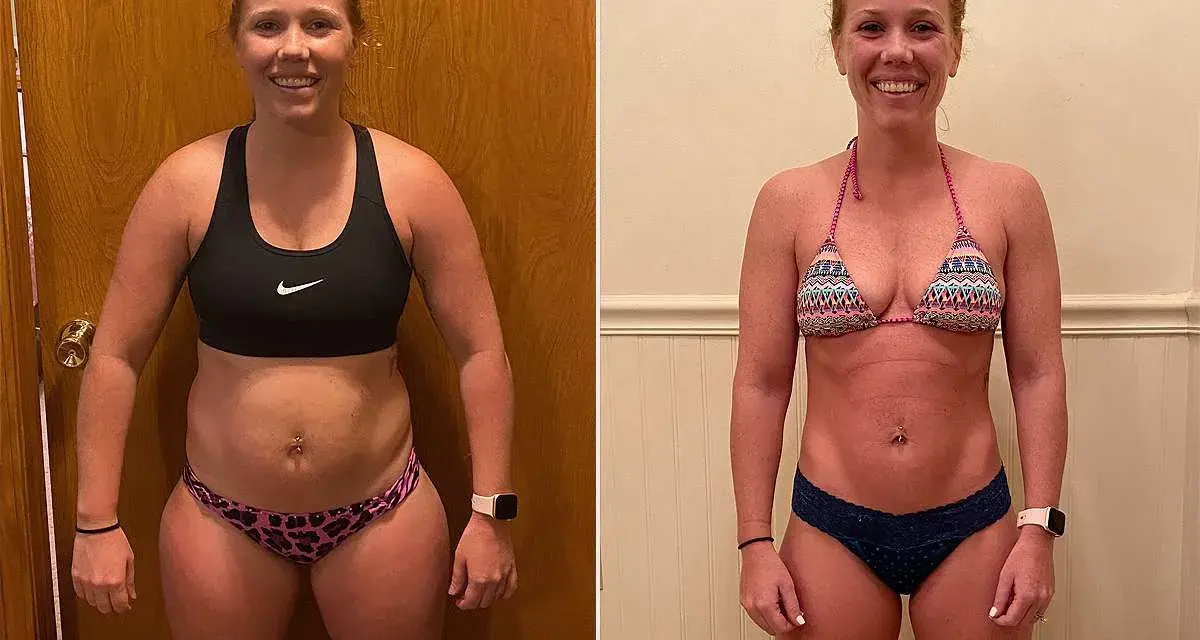
The biggest changes are better conditioning, faster recovery, and a leaner look if training and food stay aligned
- Heart rate recovery and workout tolerance usually improve before the mirror shows much.
- Visible changes often take 6 to 12 weeks, not one brutal week of sprints.
- The bike is low-impact, but it is not low-effort, so pacing matters.
- Three focused sessions a week is enough for most people to make measurable progress.
- Your own repeat test is more useful than comparing calorie numbers with someone else.
What people usually want from this kind of transformation
Most riders are not really asking whether the bike works. They want to know what changes they can actually see and feel: less puffing on stairs, better leg endurance, a smaller waist, stronger-looking shoulders and quads, and a workout that does not punish the joints the way running sometimes does. In my experience, the honest answer is that the assault bike is excellent for conditioning and calorie spend, but it only creates a clear physique change when the rest of the week supports it.
That means some combination of weekly volume, hard effort, and a diet that does not erase the work you just did. The next step is understanding which changes show up first and which ones take a little longer.
What changes first on the bike
The first transformation is usually internal, not visual. Your heart rate recovers faster, intervals stop feeling like a near-death event after every rep, and you can hold a higher pace without falling apart in the last minute. That matters because the bike punishes poor pacing; when you get better at the machine, you also get better at managing effort.
Physically, the legs usually change before the upper body. The quads, glutes, calves, shoulders, and core all work, but the lower body still does most of the force production. The upper body mostly adds demand and keeps the effort full-body. I would not expect the bike to build dramatic muscle size on its own, but it can make the legs look denser and the shoulders look a little more defined if body fat drops.
Just as important, the bike is poor at producing fake progress. If your effort is low, the results are low. If your effort is real, the response shows up fast. That is why the timeline matters next.
A realistic timeline for visible results
People often expect a dramatic before-and-after picture after a week of hard intervals. That is not how this works. A better way to think about it is in layers: performance first, then measurement changes, then visible changes in normal light.
| Timeframe | What you may notice | What to measure |
|---|---|---|
| 1 to 2 weeks | Better familiarity with the bike, less panic during hard efforts, slightly faster breathing recovery | Heart rate recovery, perceived effort, how quickly you settle after intervals |
| 3 to 6 weeks | Improved pace control, fewer dead-leg moments, more confidence during repeated intervals | Calories, watts, or distance on the same test; soreness and recovery time |
| 6 to 12 weeks | Visible changes in the waist, shoulders, and legs if food and sleep are in check | Waist measurement, body weight trend, repeat workout score, clothing fit |
| 12+ weeks | A clearer physique shift, better stamina, and a much smaller gap between hard work and recovery | Same bike, same setup, same test conditions, then compare the numbers |
If weight drops but your power collapses, you are probably under-fueling. If power rises but the waistline does not move, the bike is doing its part and food is likely canceling it. That is the part most social-media transformations leave out, which is why the next section matters.
What actually drives the transformation
The machine is only the tool. The real changes come from how often you ride, how hard you push, how much you recover, and whether your food intake supports the goal. According to the CDC, adults should aim for 150 minutes of moderate activity or 75 minutes of vigorous activity each week, and the assault bike fits neatly into that framework because short, hard sessions accumulate quickly.
- Frequency: Three sessions per week is enough for most beginners to see movement in endurance and body composition.
- Intensity: One hard interval session, one steady session, and one mixed session usually works better than three all-out tests.
- Recovery: Sleep and easy days matter because the bike taxes both your legs and your nervous system.
- Nutrition: If calories rise to match the extra burn, the scale may stall even while fitness improves.
- Starting point: Heavier or less-trained riders often see faster early change because there is more room to improve.
If I had to choose one lever, I would choose consistency over intensity. That is what makes the next section useful: a repeatable plan you can actually stick with.
A simple assault bike plan that actually changes your body
You do not need to live on the bike to get results. You need repeatable sessions, a little structure, and enough progression that your body cannot coast.
| Session | Format | Why it works |
|---|---|---|
| Interval day | 8 to 10 rounds of 20 seconds hard and 100 seconds easy | Builds power and tolerance without turning every workout into a wreck |
| Steady day | 20 to 30 minutes at a conversational pace, which is a simple version of zone 2 | Raises aerobic base and helps recovery between harder efforts |
| Mixed day | 5 rounds of 1 minute hard and 2 minutes easy | Teaches you to hold pace when fatigue starts to bite |
| Optional recovery ride | 15 to 20 minutes very easy, plus mobility work | Adds weekly volume without beating you up |
Keep the warm-up around 5 to 8 minutes and treat the hard work as hard, not sloppy. If you like numbers, aim for an RPE of 8 to 9 on the interval sets, where RPE means rate of perceived exertion and 10 is a true all-out effort. Progress by adding one round, slightly increasing the hard interval, or trimming recovery by 10 to 15 seconds. Do not make every ride a max test, because the bike rewards progression far more than chaos.
Once the plan is in place, the biggest obstacle is usually not the bike itself. It is the habits that quietly flatten the results.
Common mistakes that hide progress
- Going all-out every session: You burn out, lose output, and stop recovering.
- Starting too fast: A good first minute can ruin the next nine.
- Chasing the screen only: Calories and RPM matter less than repeatable performance on the same setup.
- Skipping the easy work: You need some lower-intensity time to build stamina and recover.
- Ignoring nutrition: You can earn a hard workout and still erase the deficit later.
- Using bad comparisons: Different seat height, fan resistance, or time of day can make one test look better than another.
The real mistake is expecting the bike to do everything. Once you stop sabotaging the work, the comparison with other indoor cycling options becomes easier to judge.
Assault bike vs spin bike for indoor cycling results
For pure body-change goals, the assault bike usually feels harsher because it recruits more of the body at once. A spin bike can still deliver excellent cardio, but it is easier to sit on longer and easier to recover from the next day. Harvard Health lists a 30-minute stationary-bike session at about 210 to 252 calories for a 155-pound rider at moderate intensity, and about 315 to 391 calories at vigorous intensity, which is a good reminder that traditional indoor cycling still has real value.
| Criteria | Assault bike | Spin bike | Why it matters |
|---|---|---|---|
| Effort profile | Fast heart-rate spike, high perceived effort, harder to fake | Smoother, easier to sustain for longer blocks | The assault bike is often better for short, efficient conditioning work |
| Muscle involvement | Upper and lower body together | Mostly lower body | More total-body demand usually means a bigger training signal in less time |
| Recovery cost | Higher | Lower | A spin bike can be easier to repeat often if you need volume |
| Best use | Intervals, mixed conditioning, time-crunched sessions | Longer steady rides, aerobic base work, easier recovery days | The best machine depends on your goal, not on which one looks harder |
| Visible change | Often faster conditioning gains and strong body-composition support | Still useful for fat loss and endurance if you can accumulate more time | The better choice is the one you will repeat for weeks, not one workout |
That is why the best machine depends on the result you want, not on which one looks tougher on social media. Once the choice is clear, the last step is measuring the right things.
The metrics I would track for the next eight weeks
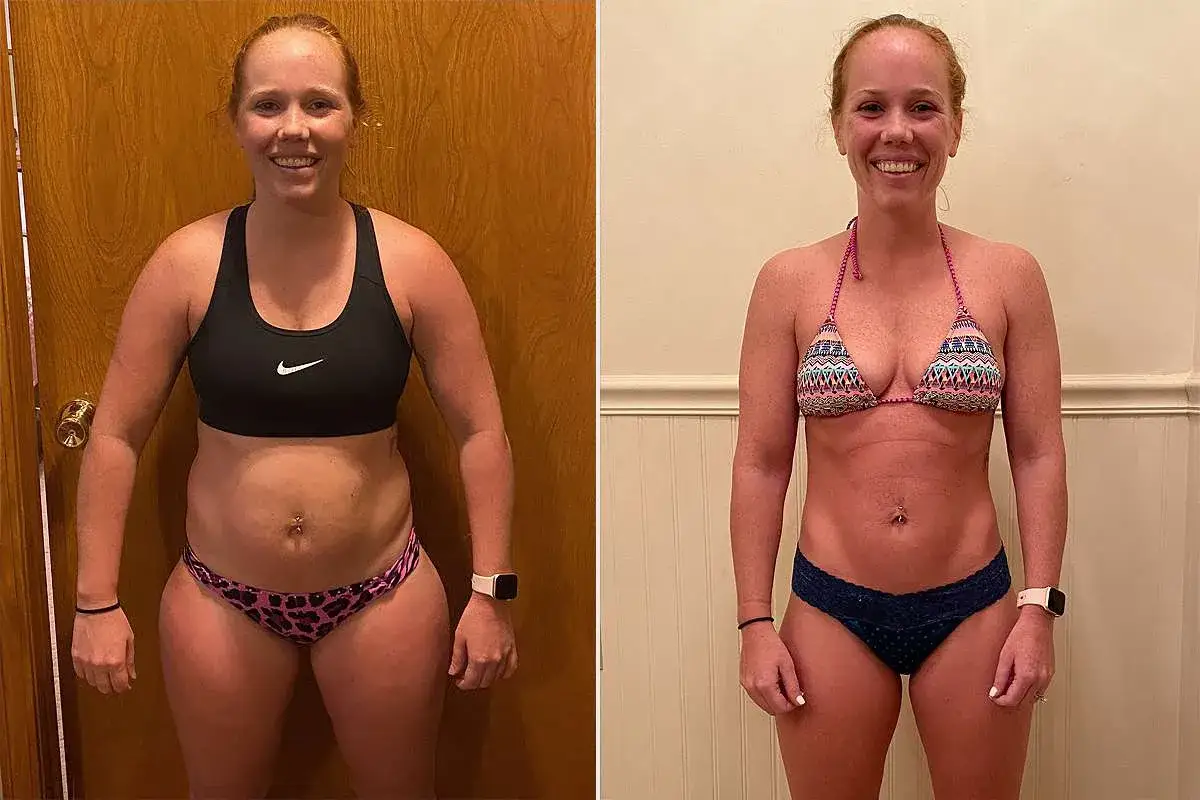
If you want a clean before-and-after story, track more than photos. I would keep the same lighting and the same pose for pictures, but I would care even more about numbers I can repeat.
- Waist measurement: once a week, first thing in the morning.
- Body weight trend: 3 to 4 morning weigh-ins per week, then look at the average.
- Fixed test score: 10 minutes on the same bike, same seat setup, same fan resistance if possible.
- Resting heart rate: a small drop over time usually means better recovery.
- Recovery speed: how long it takes to settle your breathing after hard reps.
- Clothing fit and energy: often the first signs that the work is paying off.
If those markers improve at the same time, the before-and-after photo usually takes care of itself. The point is not to make the assault bike feel easier; it is to make you harder to break.
For most riders, the cleanest result is not a dramatic sweat photo but a repeatable increase in output, a lower heart rate at the same pace, and a body that looks a little tighter under normal lighting. If you stay consistent for eight weeks, the bike will show you the truth whether the mirror is flattering or not.