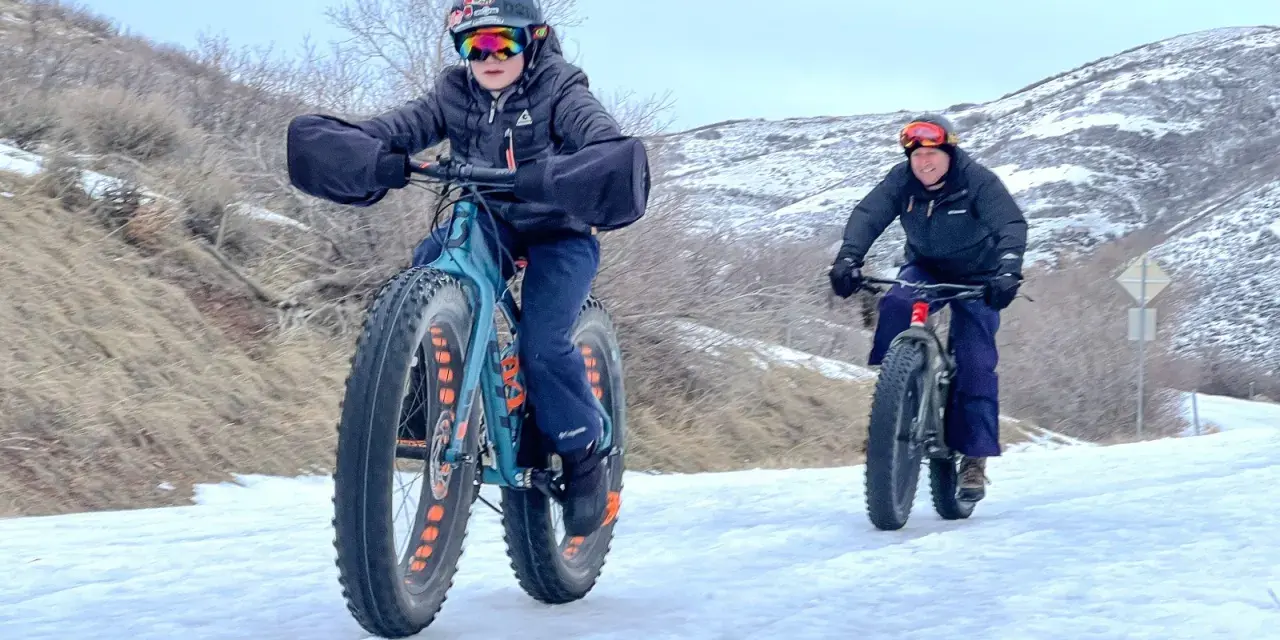
Fat tire bikes are built for one job above all else: keeping a rider moving when the surface gets soft, loose, or badly broken up. So what are fat tire bikes for? In practice, they are most useful on snow, sand, mud, and rough streets where a regular bike would sink, slip, or rattle you around too much. They also deliver a calm, forgiving ride that makes sense for beginners, winter riders, and anyone who values stability more than speed.
The practical answer is traction, float, and comfort on bad surfaces
- Best use: snow, sand, mud, loose gravel, and rough winter roads.
- Main benefit: the wide tires spread the bike’s weight out, so it floats and grips instead of digging in.
- Main trade-off: more rolling resistance, more weight, and slower acceleration on pavement.
- Best buyer: riders who regularly face soft or unpredictable terrain, not people chasing speed on smooth roads.
- Selection matters: frame clearance, tire width, pressure range, and brake quality decide whether the bike feels useful or clumsy.
What fat tires are actually for
I think of fat bikes as traction tools first and bicycles second. Their oversized tires are there to increase the contact patch, lower the pressure against the ground, and keep the bike from digging into soft surfaces. In REI’s bike guide, fat-tire widths are generally around 3.7 to 5 inches or more, which gives you a useful reference point when comparing them with regular mountain or gravel bikes.
That extra volume changes the ride in a very practical way. You can run lower pressure, let the tire deform around obstacles, and keep moving when a narrower tire would spin out or bury itself. The result is less drama on unstable ground and a lot more confidence for the rider. That is the real point of the category, and it leads straight into the terrain where these bikes feel most at home.
Where they shine on real rides
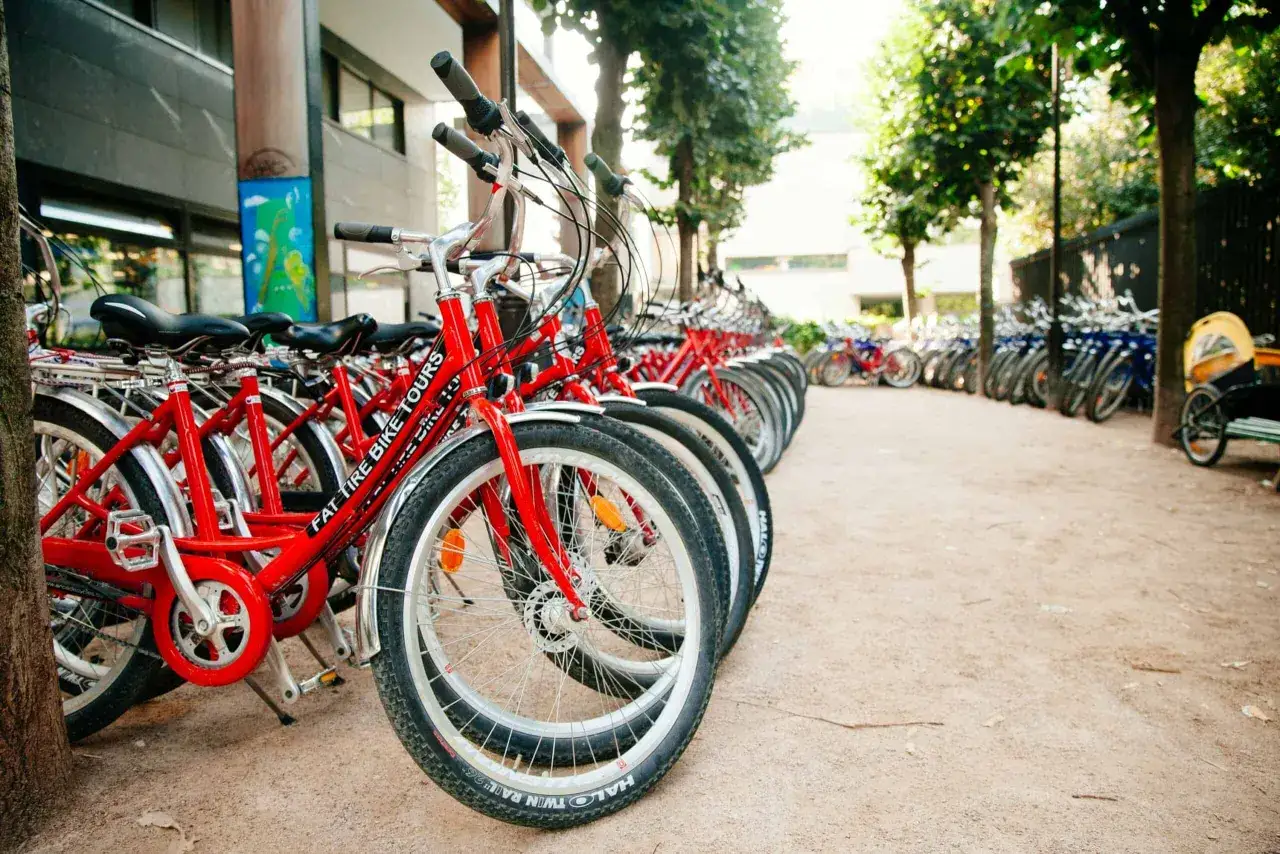
Fat tires earn their place when the ground is unreliable. The biggest wins are obvious: winter riding on packed or drifting snow, beach riding on firm sand, muddy access roads, loose gravel, and trail systems that get ugly after rain or freeze-thaw cycles. In all of those settings, the bike’s job is not to be quick. It is to stay upright, maintain momentum, and keep the rider from fighting the surface every few seconds.
| Surface | Typical starting pressure | What you are optimizing for |
|---|---|---|
| Deep snow or soft sand | 4-8 PSI | Maximum float and the least sinking |
| Loose trail or mud | 8-12 PSI | Grip, steering control, and predictable handling |
| Mixed trail or hardpack | 12-18 PSI | Balance between support and efficiency |
| Pavement or bike path | 18-25 PSI | Smoother rolling and less drag |
Those numbers are starting points, not rules. Rider weight, tire casing, rim width, and weather all matter. The broader lesson is simple: a fat bike is at its best when the surface is too soft, too loose, or too inconsistent for a normal setup to feel relaxed. Once you see that, the next question is not whether the bike is fun, but whether the trade-offs are worth it on the ground you actually ride.
Where they are the wrong tool
Fat bikes can be excellent, but they are not neutral. On smooth pavement, bike paths, and hard-packed city streets, the same wide tires that create comfort also create drag. They feel slower because you are moving more rubber, more air volume, and usually more overall weight. If your rides are mostly road miles, the bike will feel dull compared with a gravel bike or a light hardtail.
- They are slower to accelerate than narrower-tired bikes.
- They are heavier to lift, carry, and load onto racks.
- Replacement wheels and tires can cost more than standard mountain-bike parts.
- They are not the best choice for fast group rides or long pavement-heavy fitness loops.
There is also a common buyer mistake I see a lot: people choose the tire width before they choose the terrain. That usually leads to regret. If your riding is 90% paved paths with the occasional dirt shortcut, a fat bike is probably overkill. That is why the next step is comparison, not speculation.
How they compare with gravel, plus-size, and hardtail bikes
| Bike type | Best for | Main strength | Main drawback |
|---|---|---|---|
| Fat bike | Snow, sand, mud, loose trails, winter riding | Float, traction, and stability on soft ground | Slow on pavement and heavier overall |
| Gravel bike | Pavement, dirt roads, light gravel, mixed fitness rides | Speed and versatility on firm surfaces | Less confidence on very soft or messy ground |
| Hardtail mountain bike | Singletrack, roots, rocks, technical trails | Better handling on rough trail features | Less float on snow or sand |
| Plus-size mountain bike | Trails where extra grip matters but full fat is unnecessary | Balanced traction with better speed than a full fat bike | Still not a sand-or-snow specialist |
My short version is this: choose fat tires when the problem is a soft or unstable surface, choose a gravel bike when the problem is mixed-surface speed, and choose a hardtail when the problem is technical trail control. Once you frame it that way, the buying decision gets much easier.
How to choose the right fat bike
I would start with the terrain you ride most often, then work backward from there. A fat bike that looks impressive in a showroom can still be a poor fit if the frame, wheel size, or gearing does not match the way you ride. For winter commuting, beach access, or slow-paced adventure riding, I care less about brand hype and more about a few practical details.
- Frame clearance matters because it determines how wide a tire you can actually run without rubbing.
- Wheel size is usually 26 inches on many full-fat bikes, though some 27.5-inch setups exist.
- Brakes should be strong and predictable; hydraulic discs are the safer pick for wet, cold, or steep conditions.
- Drivetrain should be simple enough to handle mud, snow, and cold-weather use without constant fuss.
- Tubeless readiness helps if you want lower pressures and fewer pinch flats.
- Mounts for racks and fenders matter if you plan to commute or bikepack.
The tire width itself is only part of the story. A well-designed frame with sensible gearing and the right pressure range will feel far better than a cheap bike with oversized tires slapped on. If you are looking at options in the U.S. market, that is where I would spend the most attention first, because the rest of the decision follows from it.
The simple rule I use before recommending one
My rule is straightforward: if soft, loose, or snowy surfaces are a regular part of your riding life, a fat bike can be a smart and genuinely enjoyable tool. If those conditions show up only a few times a year, the bike probably deserves a lower place on your list than a gravel bike, hardtail, or even a better-tired version of the bike you already own.
The best purchase is the one that solves your most annoying real ride, not the one that looks most capable in theory. For the right rider, fat tires add confidence, extend the season, and make rough ground feel manageable. For everyone else, they are a specialized answer to a specialized problem, and that is exactly how I would treat them.