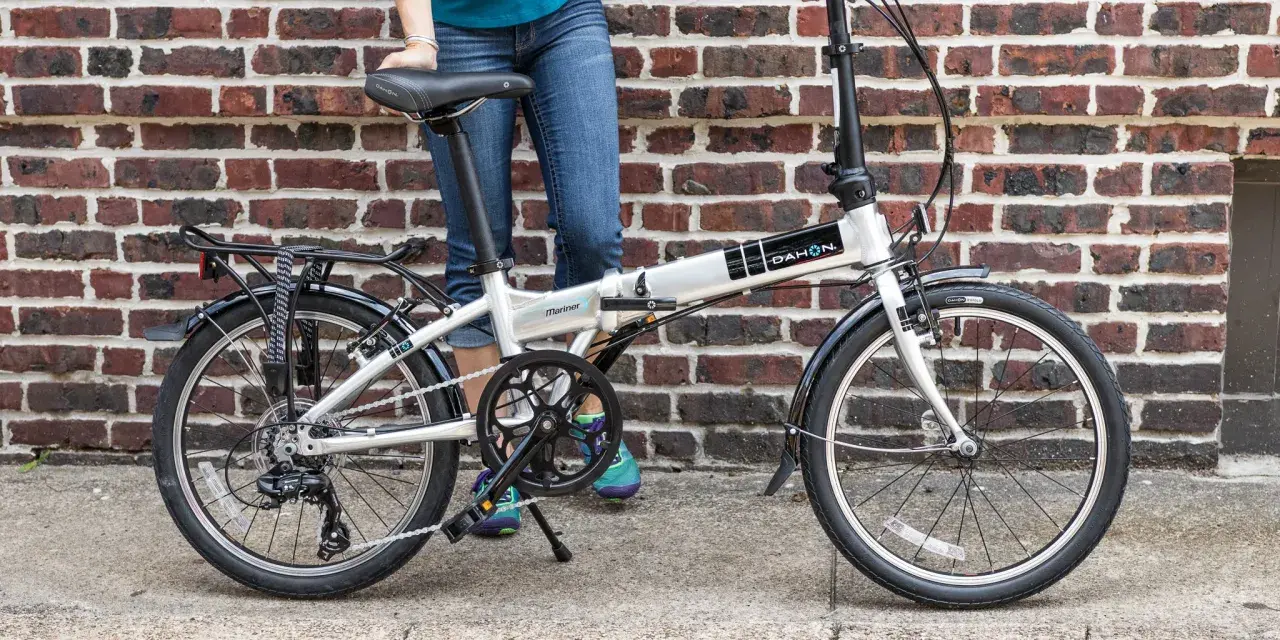
A folding commuting bike makes sense when the bike has to do more than ride: it has to fit under a desk, survive a train transfer, and disappear into a hallway without becoming a nuisance. The best ones are not simply compact; they are easy to carry, quick to fold, and calm enough to ride every day on rough city streets. In this guide, I’ll break down the choices that matter most so you can pick a bike that matches your route, storage space, and budget.
The essentials to look for before buying
- For most commuters, a 20-inch folder gives the best mix of comfort, fold size, and confidence on bad pavement.
- Keep folded size and carry weight in mind if you use stairs, transit, or apartment storage.
- Full commuter equipment matters: fenders, lights, and a rack often matter more than flashy gearing.
- Expect roughly $300-$600 for entry-level bikes, $600-$1,000 for the sweet spot, and $1,000+ for premium builds.
- If hills or long mileage are part of the ride, an electric version can help, but it adds cost and weight.
Why a folding bike works so well for commuting
The reason I keep recommending folding bikes for city use is simple: they solve the friction points that make everyday riding annoying. If you live in an apartment, work in a building without secure bike parking, or connect your ride with a train or bus, a folder lets you carry the bike with you instead of leaving it outside all day.
That matters in the U.S., where many commuters deal with mixed routes, limited indoor storage, and theft concerns. A compact bike can ride to the station, fold for the train, then unfold for the last mile without forcing you to plan around racks, locks, or weather. I would not call it the fastest option for every route, but for mixed-mode commuting it often makes the most sense.
The trade-off is that you give up some speed and comfort compared with a full-size commuter bike, especially on long, rough rides. Once you accept that trade-off, the next decision is not about brand hype. It is about size, weight, and how much hassle you are willing to tolerate every morning.
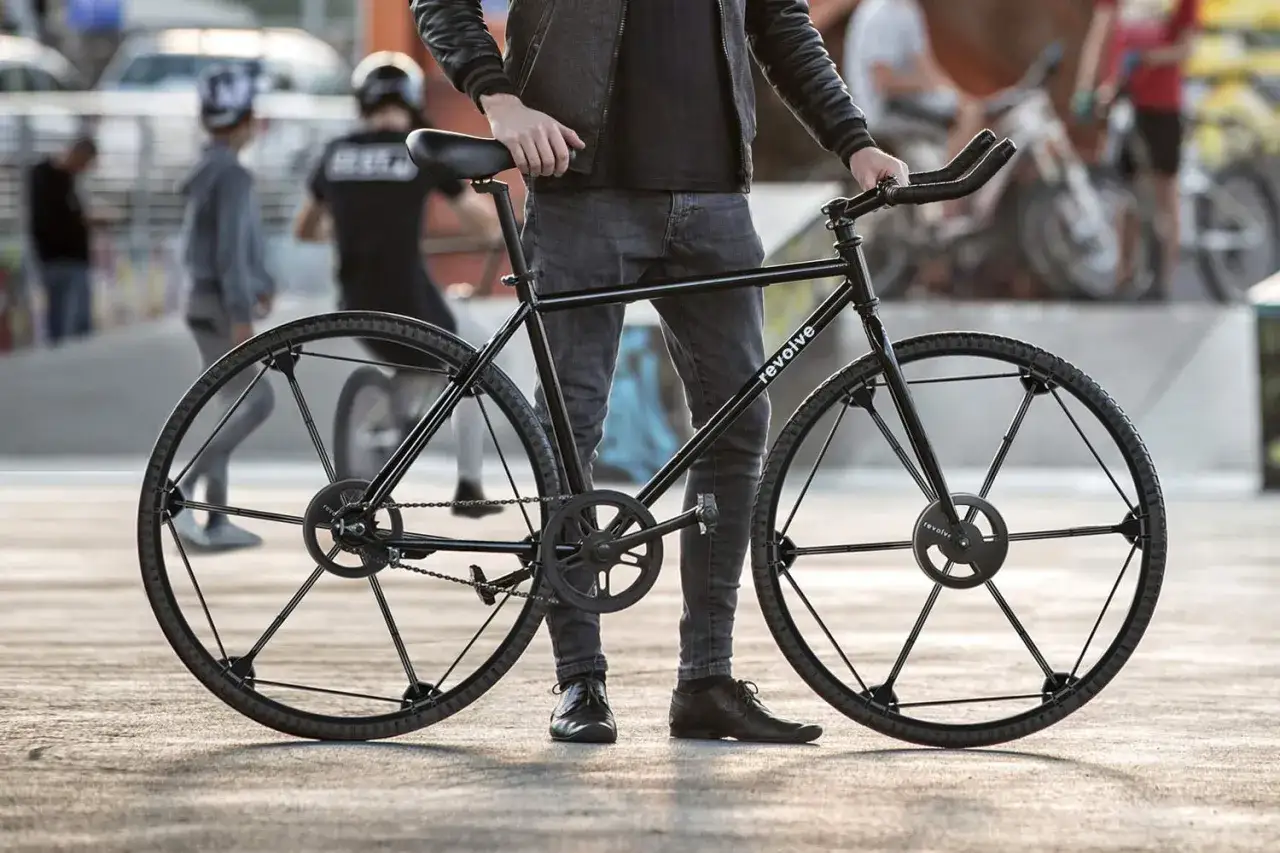
Wheel size and folded size are the first decisions that matter
Wheel size changes more than people expect. It affects how compact the bike becomes, how it handles traffic, and how forgiving it feels over cracked pavement. In practice, I think of folding-bike wheel sizes as a spectrum rather than a contest.
| Wheel size | What it feels like | Best for | Trade-off |
|---|---|---|---|
| 16-inch | Very compact, nimble, quick in stop-and-go riding | Short urban commutes, train-heavy routes, small apartments | Less forgiving on rough pavement and usually a smaller overall ride feel |
| 20-inch | Balanced, stable enough for daily use, still reasonably compact | Most commuters, especially if the bike is used every day | Bigger fold than 16-inch models, but usually better all-round performance |
| 24-inch | Closest to a standard bike feel, more planted at speed | Longer rides, rougher roads, riders who prioritize comfort | Least compact when folded |
Wheel size is only half the story. The real question is whether the bike fits your actual life. If you need to tuck it behind a door, into a closet, or under a desk, measure that space before you shop. I also care about whether the bike stays locked in its folded position, because a folder that slowly opens itself in a hallway gets old fast.
For most commuters, I land on 20-inch wheels as the sweet spot. They give up a little compactness compared with 16-inch bikes, but they usually feel more settled on imperfect roads. That balance becomes even more important when you start looking at the parts that affect daily comfort.
The features that matter on a commuter, not in a spec sheet
Once the wheel size is right, I look at the features that make the bike useful five days a week instead of just interesting on paper. The first is weight. A bike around 27-30 pounds is manageable for occasional carrying, but if you climb stairs every day, I want it lighter. Around 23-25 pounds starts to feel noticeably easier to live with, while electric folders commonly land in the mid-30s and change the whole carrying equation.
Then I look at gearing. If your route is flat and short, 6-7 speeds can be enough. If you ride through wind, bridges, or hills, 8-10 speeds is the safer choice because it gives you a better cadence range without forcing you to grind or spin awkwardly. More gears can help, but they also tend to add weight and complexity, so I only pay for them when the commute justifies it.
Brakes matter more than most shoppers expect. Disc brakes are a strong plus if you ride in rain or descend steep streets, while simpler rim brakes can still work well on a lighter, flat-route commuter. I also want fenders, lights, and at least one practical cargo option either a rack or a front bag mount. A bike that leaves your back wet and your work bag awkward is not really commuter-ready.
Frame material is another real trade-off. Steel is durable and smooth but heavier. Aluminum is usually the value choice because it keeps weight down without pushing cost too far. Titanium sits at the premium end: light, strong, and expensive enough that I only recommend it if portability is a daily priority. If that list starts sounding like a lot, the next question is whether electric assist can solve some of it for you.
When a folding e-bike makes sense
I would choose an electric version when assist solves a real problem, not just because it sounds modern. That usually means a longer commute, repeated hills, or a ride where arriving sweaty is a problem. It also helps when the route has a lot of stop-and-go traffic or when you want to ride farther without arriving drained before the workday even starts.
The downside is obvious: more weight, more cost, and more things to manage. Batteries and motors make the bike less pleasant to carry upstairs, and the charging routine becomes part of your commute. If your daily use involves a lot of lifting, the extra pounds can erase some of the convenience that made you interested in a folder in the first place.
My practical rule is this: buy electric if it replaces a car trip or makes riding realistic on days when you would otherwise skip the bike. If the route is short, flat, and easy, a non-electric commuter folder is often the better long-term choice. That leads directly to the budget question, because price and usefulness do not always rise together.
What you should expect to spend in 2026
Current market pricing is broad, but it is not random. The low end is functional, the middle is where most commuters find the best value, and the top end buys lighter materials or electric assist. I would not judge a folder by price alone, but price usually tells you a lot about weight, braking, fold refinement, and component quality.
| Price range | What you usually get | Best for |
|---|---|---|
| $300-$600 | Steel or aluminum frames, 6-7 speeds, basic brakes, heavier builds | Short flat commutes, first-time buyers, occasional use |
| $600-$1,000 | Lighter frames, 8-9 speeds, better fold hardware, better commuting parts | Daily commuting, mixed routes, riders who want a dependable sweet spot |
| $1,000-$2,000 | 10-speed setups, better brakes and tires, lighter materials, more polished ride quality | Frequent riders and longer commutes |
| $2,000+ | Premium materials, ultra-light builds, or high-end electric systems | Riders who care deeply about carry weight, performance, or assist |
For most people, I think the practical sweet spot is in the middle tier. That is where the bike starts to feel refined enough to use daily without pushing into premium pricing. The expensive stuff can be excellent, but unless you are folding and carrying the bike often, the gains are easy to overpay for. Once you know your budget, the mistakes to avoid become much clearer.
The mistakes that make people regret the purchase
The most common mistake is buying for the fold and ignoring the ride. A bike can be wonderfully compact and still feel twitchy, undergeared, or uncomfortable once you spend an hour on real city pavement. If it is annoying to ride, you will eventually stop using it, no matter how clever the hinge is.
Another mistake is underestimating carry weight. Many shoppers imagine carrying a folder once in a while, then realize their commute includes stairs, a platform change, or a third-floor walk-up. That is where a few extra pounds become a daily tax. I also see buyers ignore the security side of commuting and then end up relying on locking the bike outside anyway, which defeats a major advantage of the category.
Finally, people skip the boring accessories. No fenders means wet clothes. No lights means more dependence on whatever the weather and sunset give you. No rack or bag mount means your work bag ends up on your shoulders or in a backpack, which is fine for a short ride and unpleasant for regular use. If you avoid those traps, matching the bike to your route gets much easier.
Match the bike to the commute you actually have
I like to decide from the commute backward. Start with the distance, then the terrain, then the storage problem, and only then the rest of the bike. That order keeps the purchase grounded in real use instead of product-page optimism.
| Your commute | What to prioritize | Best match |
|---|---|---|
| 1-3 miles, mostly flat | Low weight, easy fold, simple gearing, good price | Entry-level 16-inch or 20-inch commuter folder |
| 3-8 miles, some transit or stairs | Compact folded size, manageable carry weight, fenders and lights | 20-inch model with a clean folding system |
| 5-12 miles, hills or wind | Better gearing, stable ride feel, stronger brakes | 20-inch or 24-inch folder, possibly electric |
| All-weather, year-round use | Weather protection, puncture resistance, service support | Midrange or premium commuter folder with full accessories |
If your route is mixed-mode, portability usually wins over pure speed. If your route is direct and open, ride quality matters more than the smallest possible fold. I would rather have a slightly larger bike that feels calm and stable than a tiny one that feels like work every time the pavement gets ugly. The best match is the one that fits the commute you actually repeat, not the one that looks smartest in a showroom.
How to keep the fold smooth after the first month
The first few weeks tell you a lot, but the first few months tell you whether the bike will stay convenient. I always pay attention to the folding hardware after wet rides and dirty streets because grit collects where the bike hinges, latches, and locks. A quick wipe-down and a check that the latches still close cleanly prevent most of the annoying little problems that make folders feel worn out too early.
Chain care matters as much on a folder as on any other commuter bike. Keep the drivetrain clean, lubricate it regularly, and do not let a noisy chain turn into a habit you ignore. If you ride daily, practice the fold until it becomes muscle memory. The whole point of the design is that it should be fast enough to use without thinking, and that only happens when the fold is familiar.
I also like folders that have straightforward service support in the U.S. and replacement parts that do not require a scavenger hunt. If a latch, hinge, or wheel part is proprietary, that is fine as long as the brand supports it well. For me, the strongest commuter folders are not just compact on day one; they are still easy to live with after a year of office runs, rain, and station platforms. That is the standard I would use before buying.