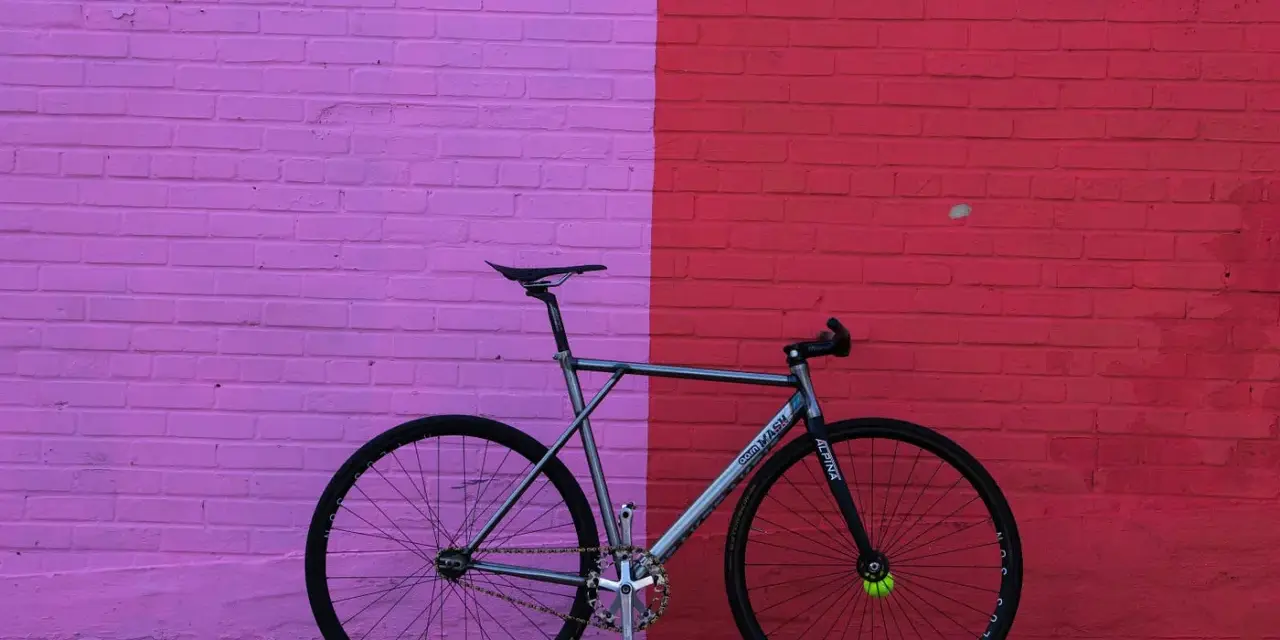
The fixed-gear market is small, but the gap between a basic city bike and one you actually want to keep riding is huge. In practice, the best fixed bikes brands in 2026 split into three camps: budget commuters, performance-minded track builds, and premium frameset makers. This guide focuses on the names worth comparing in the U.S., what each brand does well, and which details matter more than the logo.
Key points that make a fixie brand worth your money
- Most buyers are choosing between a first city bike, a track-style build, or a long-term custom platform.
- State Bicycle Co., Pure Cycles, Retrospec, Wabi, Leader, Cinelli, Dosnoventa, and FabricBike are the brands I would shortlist first.
- A flip-flop hub gives you the option to ride fixed or freewheel, which is useful if you are not fully committed yet.
- Frame material, tire clearance, and parts support matter more than paint, graphics, or hype.
- Entry-level complete bikes start around the low $300s; premium framesets move past $1,000 quickly.
What riders are really trying to solve when they compare fixie brands
When I look at this category, I see three separate jobs that buyers want to solve. Some people want a clean, low-maintenance city bike for commuting. Others want a track-style machine that feels stiff and direct. A third group wants a platform they can build around over time, which is where frameset-first brands become more interesting.That is why a fixie brand should not be judged only by name recognition. I care about whether the company still supports the model, whether the geometry matches the riding you actually do, and whether replacement parts are ordinary enough to source later. A nice-looking frame is easy to buy; a bike that stays easy to live with for years is harder to find. That difference is where the real value sits, and it leads directly into the brands I would actually shortlist.
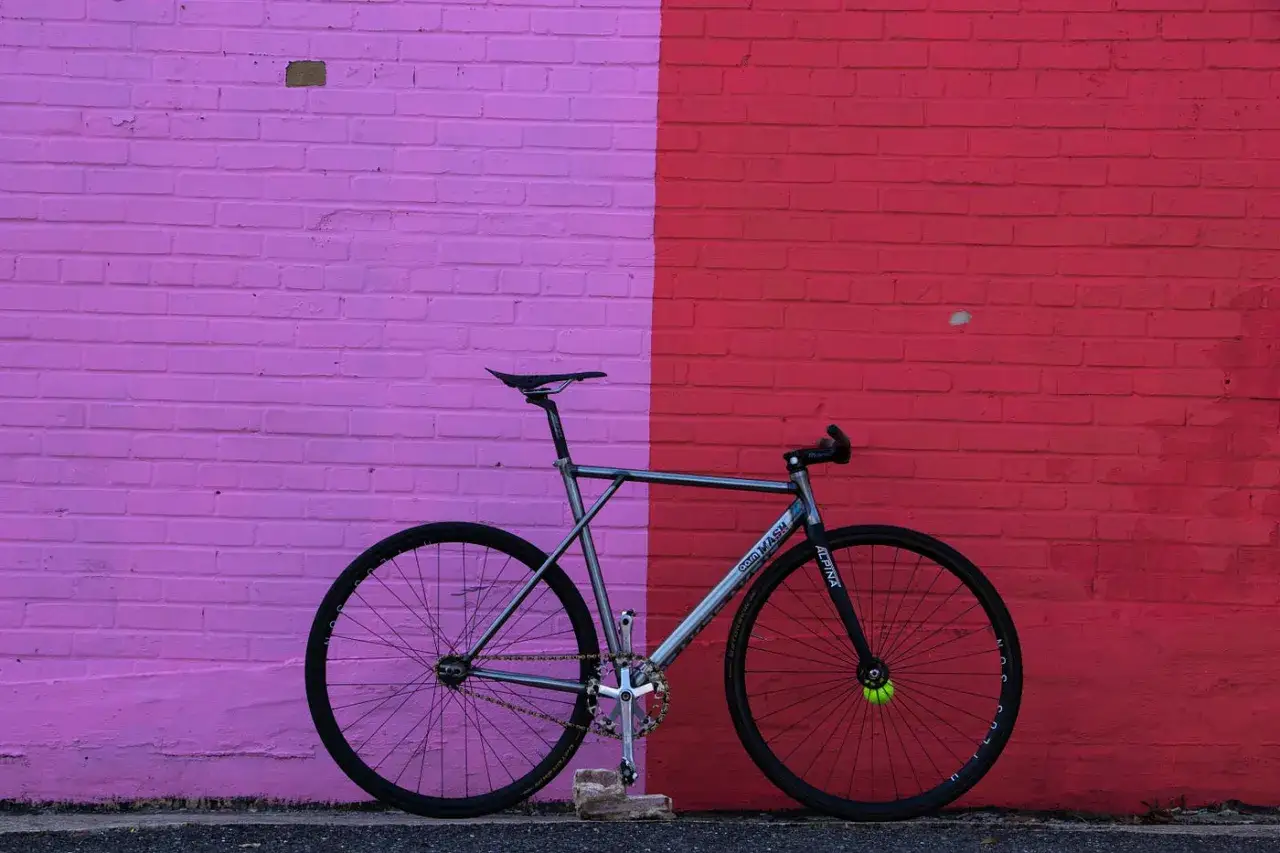
The brands I would shortlist first
| Brand | Best for | What stands out | Price snapshot |
|---|---|---|---|
| State Bicycle Co. | Balanced complete bikes | Broad fixed-gear lineup, from entry-level to race-ready, with a clear upgrade ladder | From $449.99 to $849.99 |
| Pure Cycles | Simple city riding | Clean, straightforward fixed-gear and single-speed options with a ready-to-ride feel | Original at $599.99 |
| Retrospec | Entry-level commuting | Harper keeps the price low and uses a flip-flop hub, which makes it less intimidating for new riders | Harper Fixie at $329.99 |
| Wabi Cycles | Custom steel builds | Build-to-order approach, premium steel, and strong sizing/configuration support | Complete builds from $1,025; framesets from $395 |
| Leader Bikes | Frameset-first performance | Current 721, 725, 735, Volare, and EQNX frames keep the track-bike feel alive | From $249 to $639.99 for current frames |
| Cinelli | Iconic track style | The Vigorelli remains one of the best-known fixed-gear names in the market | Vigorelli frameset at $1,370 |
| Dosnoventa | Premium urban statements | High-end frames like the LA and TYO are aimed at riders who want performance and identity in the same package | LA frameset at $1,090; TYO frameset at $2,850 |
| FabricBike | Value import option | Simple fixed-gear builds with flip-flop hubs and aggressive pricing | About €349.99 to €699.99 before shipping |
If I had to reduce that list to plain English: State and Pure Cycles are the safest mainstream buys, Retrospec is the low-cost entry point, Wabi is the best bet when fit and long-term ownership matter, and Leader, Cinelli, and Dosnoventa make more sense when you want a frameset and plan to build your own bike. FabricBike is a solid value import, but U.S. buyers should pay attention to landed cost, not just the sticker price.
That makes the next question obvious: which brand fits which kind of rider, and when does a more expensive frame actually earn its price?
How I would match a brand to the rider
For commuting and daily city miles
I would start with brands that make the bike easy to live with. That means sensible braking options, standard parts, and enough tire clearance to handle rough pavement. Retrospec’s Harper works well here because it is inexpensive and uncomplicated. State Bicycle Co. is the better all-around choice if you want a bigger upgrade path, while Pure Cycles sits in the middle with a simple, polished city-bike feel. If you are after a more refined steel ride, Wabi’s Thunder is the sort of platform I would trust for real-world commuting because it is designed with wider tires and practical mounting points in mind.For track-style speed and a sharper ride feel
If your priority is stiffness, quick acceleration, and a lower, more aggressive position, I would move toward Leader, Cinelli, and Dosnoventa. Leader’s EQNX and 7-series frames keep the classic fixed-gear attitude intact without feeling dated. Cinelli’s Vigorelli is still important because it carries genuine track-bike credibility, not just styling. Dosnoventa is the premium, fashion-forward choice, but it is not only about looks; the LA and TYO frames are built for riders who want a serious, high-end chassis. This is where pursuit geometry matters too, which is simply a track-bike shape that stretches you lower and more forward for faster handling.
Read Also: Cyclocross Bike Sizing Guide - Find Your Perfect Fit
For a first fixed-gear bike with room to grow
For a first-time buyer, I usually prefer a flip-flop hub and a complete bike rather than a bare frameset. That lets you start on freewheel mode if fixed riding feels like too much, then switch later without buying a second wheel. State’s Core-Line and 4130 models are strong candidates because the price is still reasonable and the brand offers a clear step up to Black Label. Pure Cycles is similarly beginner-friendly, but with a slightly cleaner, more stripped-back urban vibe. In this category, confidence and simplicity are worth more than chasing the most aggressive setup on day one.
Once the use case is clear, the frame and component details start to matter much more than the badge on the down tube.
The specs that matter more than the logo
- Frame material matters because it changes the ride. 4130 chromoly steel usually feels more forgiving and durable for city use, while 6061 aluminum is lighter and tends to feel stiffer and more immediate.
- Tire clearance matters more than many buyers expect. If you ride broken pavement, I like to see at least 28-32 mm of room; Wabi’s Thunder, for example, shows how much more practical a fixie becomes when it can take much wider tires.
- Brakes and mounts matter because street riding is not a velodrome. I am comfortable with track-style bikes only when the rider understands the tradeoff; for everyday use, a front brake is the sane default.
- Hub choice changes how the bike behaves. A flip-flop hub lets you run fixed or freewheel, which is extremely useful if you are learning or sharing the bike with someone else.
- Dropouts and chain tension affect how easy the bike is to set up. Horizontal or track-style dropouts make chain tension simpler, which is one reason fixed gear bikes stay mechanically elegant.
- Parts support is where many cheap bikes disappoint. I get cautious when a bike uses odd proprietary parts, because a fixie should be simple to maintain, not annoying to repair.
If a brand gets those basics right, the rest is mostly about budget and how much you want to personalize the bike later. That is where the money conversation becomes useful.
What the price tiers buy you in 2026
| Budget tier | What you usually get | Representative brands | My take |
|---|---|---|---|
| Under $400 | Basic steel frames, simpler component specs, enough for short city rides | Retrospec Harper, FabricBike Original | Good if the budget is tight, but inspect the parts spec carefully |
| $400 to $700 | Better hubs, cleaner finishing, better overall ride quality | State Core-Line, State 4130, Pure Cycles Original, FabricBike Light | This is the sweet spot for most first-time buyers |
| $700 to $1,200 | Better frames, more refined geometry, stronger upgrade potential | State 6061 Black Label, Wabi Classic and Thunder builds, Leader framesets | Worth it if you ride often and care about fit and durability |
| $1,200+ | Premium steel or carbon, custom-level component choices, more brand identity | Wabi Lightning, Cinelli Vigorelli, Dosnoventa LA and TYO | Only makes sense if you know exactly why you want that frame |
The main lesson is simple: a higher price does not automatically make a fixie more fun, but it usually buys you better fit options, better parts, and fewer compromises. If you are paying extra, I want to see a clear reason for it, not just a louder logo. That is especially true in a category where the bike looks simple but the details decide how it rides.
From here, the only thing left is to narrow the field without wasting money on hype.
The five checks I run before I trust a fixie brand
- Is the current lineup actually active, or are you looking at old archive bikes and outdated spec sheets?
- Are the parts standard enough that I can replace a headset, seatpost, wheel, or crank without a scavenger hunt?
- Does the frame fit the roads I ride, especially if I need more tire clearance than a pure track bike allows?
- Does the brand offer the right setup for me right now, meaning complete bike, frameset, or build-to-order support?
- Will the company still help after the sale, which matters a lot more than people admit when something eventually needs service?
If I were buying today, I would start with State for a mainstream complete bike, Wabi for a custom steel build, Leader for a frameset-first performance project, and Retrospec if the budget has to stay low. From there, the right choice is less about brand mythology and more about size, support, and the way you actually ride in the city. That is the filter that keeps a fixie fun instead of frustrating.