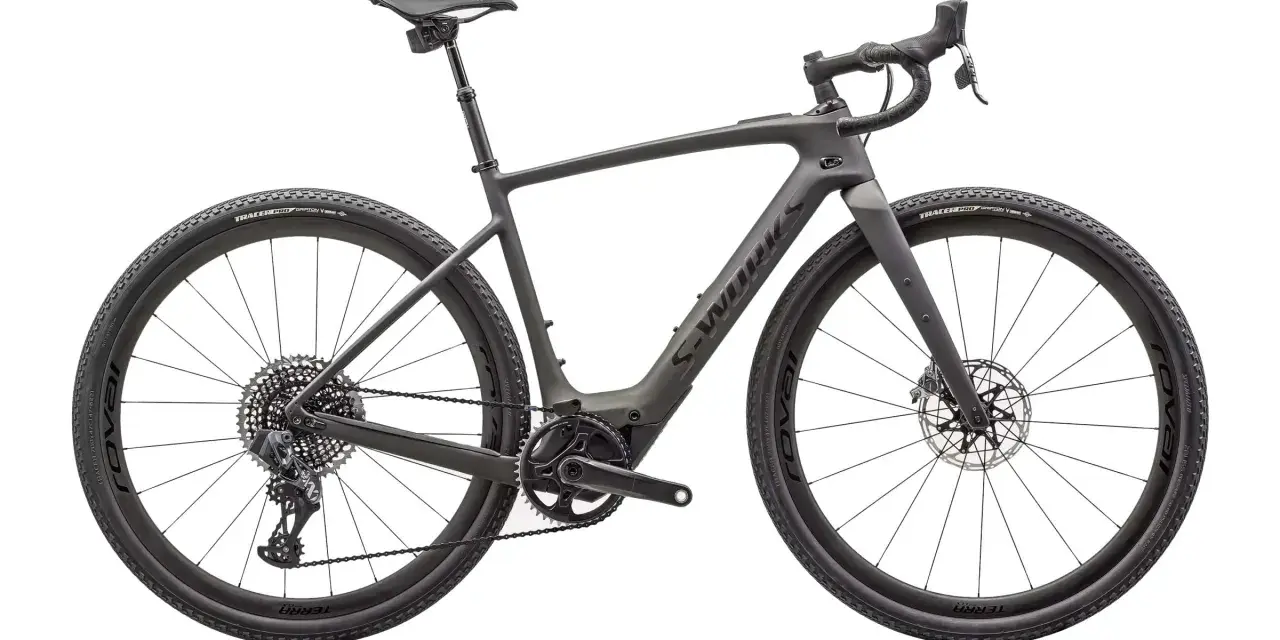
Different types of bikes solve different riding problems, and the best choice is usually less about trend and more about where you ride, how far you go, and how much maintenance you are willing to live with. A bike that feels fast on smooth pavement can feel miserable on broken streets or gravel, while the “comfortable” option may hold you back if speed matters. This guide breaks down the main categories, the features that actually change the ride, and the budget ranges that make sense in the US market.
The right bike is the one that fits your terrain, pace, and storage reality
- Road, mountain, gravel, hybrid, commuter, e-bike, folding, and touring bikes each solve a different riding problem.
- If you ride mostly pavement, start with road, endurance road, or a hybrid depending on how aggressive you want the position to feel.
- If your routes mix pavement and dirt, a gravel bike is often the most practical middle ground.
- For hills, cargo, or long commutes, an e-bike can be more useful than a lighter traditional bike.
- Fit, tire width, gearing, and brakes affect the ride more than the category name alone.
- In the US, good entry-level bikes often start around $500 to $1,000, while capable e-bikes usually begin around $1,200 to $1,300 and climb fast from there.
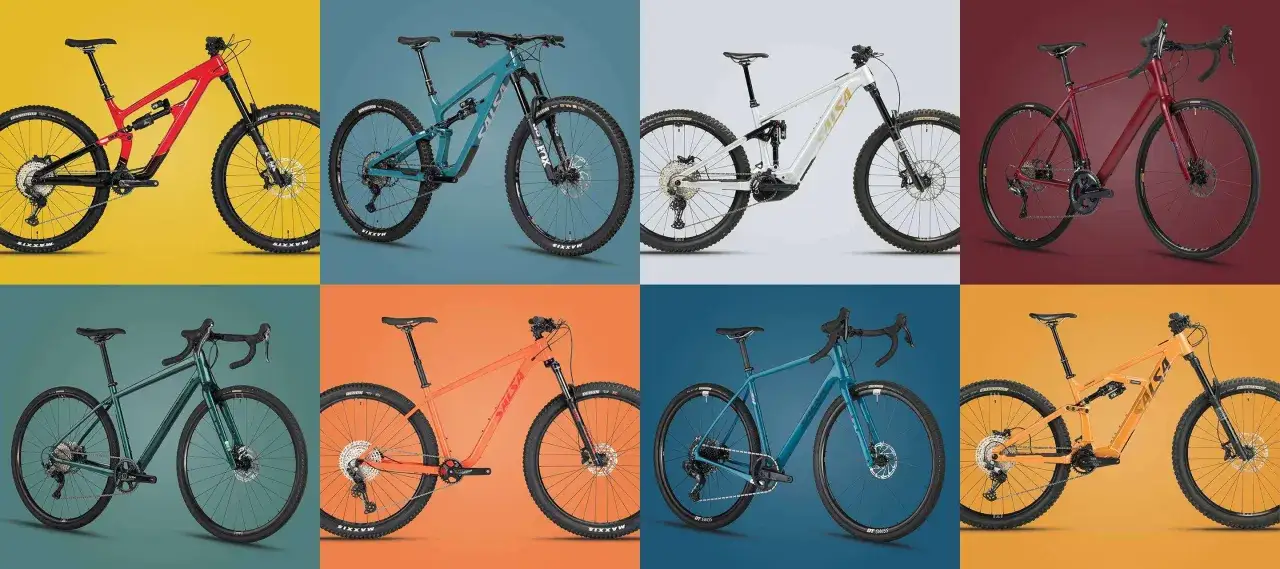
The main bike categories and what each one does best
When I sort bikes for real-world use, I do not start with marketing labels. I start with the job the bike has to do. That is the most useful way to understand the main families of bikes, because each one makes a different trade-off between speed, comfort, control, and versatility.
| Bike type | Best for | What it does well | Trade-offs | Typical US price range |
|---|---|---|---|---|
| Road bike | Pavement, fitness riding, long miles | Light, efficient, quick on smooth roads | Less comfortable on rough surfaces; narrower tires | $900 to $6,000+ |
| Endurance road bike | All-day pavement rides, club rides, mixed fitness goals | More comfort and stability than a pure race bike | Not as sharp or aggressive as a dedicated race machine | $1,200 to $5,000+ |
| Gravel bike | Pavement plus hardpack, dirt roads, light trails | Versatile, stable, wide tire clearance | Usually slower than a road bike on smooth pavement | $1,000 to $5,500+ |
| Mountain bike | Singletrack, roots, rocks, rough terrain | Control, traction, and durability off-road | Heavier and slower on roads | $700 to $8,000+ |
| Hybrid or commuter bike | City riding, errands, beginner riders, bike paths | Upright position, easy handling, practical accessories | Not ideal for fast group rides or technical trails | $500 to $2,000+ |
| E-bike | Hills, commuting, longer distances, cargo use | Pedal assist, easier starts, less strain into headwinds | Heavier, more expensive, needs charging and more planning | $1,200 to $6,000+ |
| Folding bike | Apartments, transit, mixed-mode commuting | Compact storage and easy carrying | Smaller wheels and a less stable feel at speed | $700 to $2,500+ |
| Touring bike | Loaded travel, bikepacking, long self-supported rides | Stable under gear, durable over long distances | Heavier and slower than a light road setup | $1,200 to $4,500+ |
Three niche categories are worth a quick note. Cruisers are comfort-first bikes for short, relaxed rides; BMX bikes are built for tricks, skateparks, and pump tracks; kids’ bikes should be chosen for fit and confidence, not adult-bike efficiency. Once you know the broad family, the real decision becomes where you ride most often.
How to match the bike to your riding pattern
REI’s advice is practical here: start with the terrain and the kind of riding you will do most of the time. I would push that one step further and ask what your average week looks like, not your best weekend.
- Mostly pavement and fitness rides. Choose a road bike if speed matters, or an endurance road bike if you want a calmer fit and better comfort over distance.
- Mixed pavement and dirt. Choose a gravel bike when your routes include cracked streets, hardpack, or the occasional unpaved shortcut. It is the category I recommend most often to riders who want one bike for more than one surface.
- Technical trails. Choose a mountain bike when roots, rocks, loose corners, and steep descents are part of the plan. A hardtail is usually the lower-cost, lower-maintenance starting point; full-suspension is worth it when the trail demand justifies the extra cost and weight.
- Commuting, hills, or cargo. Choose an e-bike when effort, time, or sweat are the limiting factors. That is especially true if you are replacing car trips or hauling groceries, a child seat, or work gear.
- Small storage spaces or transit-heavy trips. Choose a folding bike when portability matters more than top-end speed. The compromise is real, but so is the convenience.
- Travel and long self-supported rides. Choose a touring bike or a bikepacking-friendly gravel bike if you plan to carry gear for hours or days at a time.
The point is not to find the “best” bike in the abstract. The point is to match the bike to the way you actually live, ride, and store it, because that is what makes the purchase feel right six months later. From there, the details that change the ride matter more than the category label.
The details that matter more than the label
I trust the geometry and the contact points more than the name on the frame. Two bikes can sit in the same category and feel completely different once you get on them.
| Feature | What it changes | When to pay attention |
|---|---|---|
| Tire width | Comfort, grip, and rolling resistance | Wider tires help on rough pavement, gravel, and trails; narrower tires feel quicker on smooth roads |
| Geometry | How stable or agile the bike feels | Longer wheelbases and calmer angles help comfort; shorter, sharper geometry helps quick handling |
| Gearing | How easy it is to climb or hold cadence | Useful on steep hills, loaded rides, and routes where you want a smoother spin |
| Brakes | Stopping power and control in wet weather | Disc brakes are the safer default for most riders; hydraulic discs usually feel stronger and more consistent |
| Suspension | Comfort and traction off-road | Worth paying for on real trails; often unnecessary on pavement or light paths |
| Wheel size | Ride feel, stability, and rollover ability | 700c and 29-inch wheels are common for road, gravel, and trail bikes; smaller wheels make sense on folders and BMX bikes |
| Frame material | Weight, ride feel, and price | Aluminum gives strong value, carbon lowers weight, and steel brings durability with a smoother feel |
One rule I keep coming back to: tire clearance matters more than most people expect. If a frame can fit a slightly wider tire, it often has more room to adapt to your riding than the spec sheet suggests. Once you understand those parts, the price conversation becomes much easier.
What a realistic budget looks like in the US
A bike budget is never just the sticker price. Consumer Reports notes that many worthwhile e-bikes start around $1,200 to $1,300, and that matches what I see in the market: below that, you can still buy a bike, but the compromises often show up in battery quality, brakes, and service support.
- Entry-level traditional bikes. A usable hybrid, basic mountain bike, or starter road bike often lands between $500 and $1,000.
- Serious mid-range bikes. The sweet spot for many riders sits around $1,200 to $2,500, where frame quality, drivetrains, and brakes become noticeably better.
- Performance bikes. Road, gravel, and full-suspension mountain bikes can easily move into the $2,500 to $6,000+ range, especially once carbon frames or premium components enter the picture.
- E-bikes. Good commuter-oriented models often start near $1,200 to $1,300, while stronger utility or cargo models can run from $2,500 to $6,000+.
- Hidden setup costs. Pedals, lights, a pump, a lock, a bottle cage, and possibly a rack or fenders can add $150 to $400 fast.
| Extra item | Typical added cost | Why it matters |
|---|---|---|
| Pedals | $30 to $120 | Many bikes do not include the pedals you actually want |
| Lock | $50 to $150 | Necessary for city use and public parking |
| Lights | $40 to $200 | Important for commuting and early-morning or evening rides |
| Pump and repair kit | $40 to $100 | Useful from day one, not an optional extra |
| Rack and fenders | $80 to $250 | Make a commuter or utility bike far more practical |
| First tune-up | $80 to $200 | Helps a new bike settle in properly after the first few weeks |
If a bike looks cheap on paper but still needs tires, pedals, lights, and a fit adjustment, the real total can jump by several hundred dollars. That is why the smartest buyers compare complete setups, not just frames or headline prices. Even then, a few predictable mistakes can still derail the choice.
The mistakes that make a good bike feel bad
I see the same buying errors over and over, and most of them come from choosing the wrong bike for the rider’s actual routine.
- Buying for appearance first. A bike can look fast or tough and still be a poor fit for your roads, hills, or storage space.
- Ignoring fit. Reach, stack, and saddle height matter more than most first-time buyers expect. A technically “better” bike that does not fit will feel worse than a cheaper one that does.
- Choosing too much suspension. Suspension adds cost, weight, and maintenance. If most of your riding is pavement or smooth paths, it is often unnecessary.
- Going too aggressive on a road bike. A race position can be great on a fast group ride and miserable on a 90-minute commute.
- Underestimating weight on e-bikes and folders. These bikes solve specific problems, but stairs, lifting, and apartment storage can become annoying if you do not plan for them.
- Forgetting service access. If the nearest shop will not support the drivetrain, battery system, or suspension, ownership gets harder than it needs to be.
- Picking the wrong tire width. Too narrow and the bike feels harsh; too wide and it can feel slow or dull if you only ride pavement.
The cleanest way around those mistakes is to think in use cases, not in specs. Once you do that, the shortlist usually gets much smaller, which is exactly what you want.
The shortlist I would start with for most riders
If I were narrowing the field for a typical rider in the US, I would start here and work outward only if the use case demanded it.
- City commuting and errands. Start with a hybrid or commuter bike with room for a rack and fenders.
- Fitness rides on smooth roads. Start with an endurance road bike unless racing is your actual goal.
- Mixed pavement and gravel. Start with a gravel bike with room for 35 to 45 mm tires, and ideally a little more clearance.
- Local trails and rough parks. Start with a hardtail mountain bike, then move to full-suspension only if the terrain truly warrants it.
- Hilly rides, long commutes, or cargo. Start with an e-bike if pedal assist will make the ride more useful and more repeatable.
- Transit-heavy or storage-limited living. Start with a folding bike if compactness matters more than outright speed.
My final filter is simple: buy the bike that fits 80 percent of your rides, not the one that only makes sense on your best day. That approach usually leads to a bike you will actually use, and that is the real win.