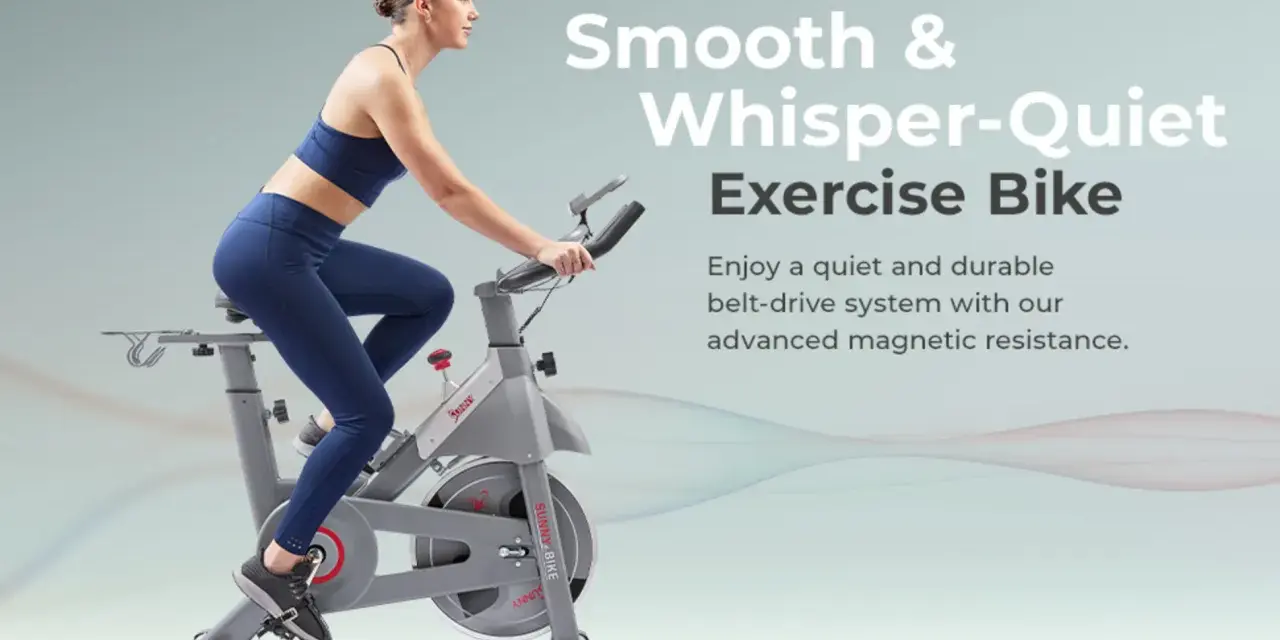
Key takeaways for magnetic indoor bike resistance
- Magnetic resistance creates drag without physical contact, so the ride is usually quieter and smoother.
- The effect comes from magnets interacting with a conductive flywheel and generating eddy currents that oppose motion.
- Resistance changes by moving magnets closer or farther away, or by changing the strength of an electromagnet.
- Compared with friction systems, magnetic setups usually need less maintenance and feel more consistent over time.
- For indoor cycling, the biggest wins are low noise, repeatability, and easier interval work.
- The main tradeoff is cost: better magnetic systems often cost more upfront and may feel less road-like than some friction or air setups.
How magnetic resistance creates drag
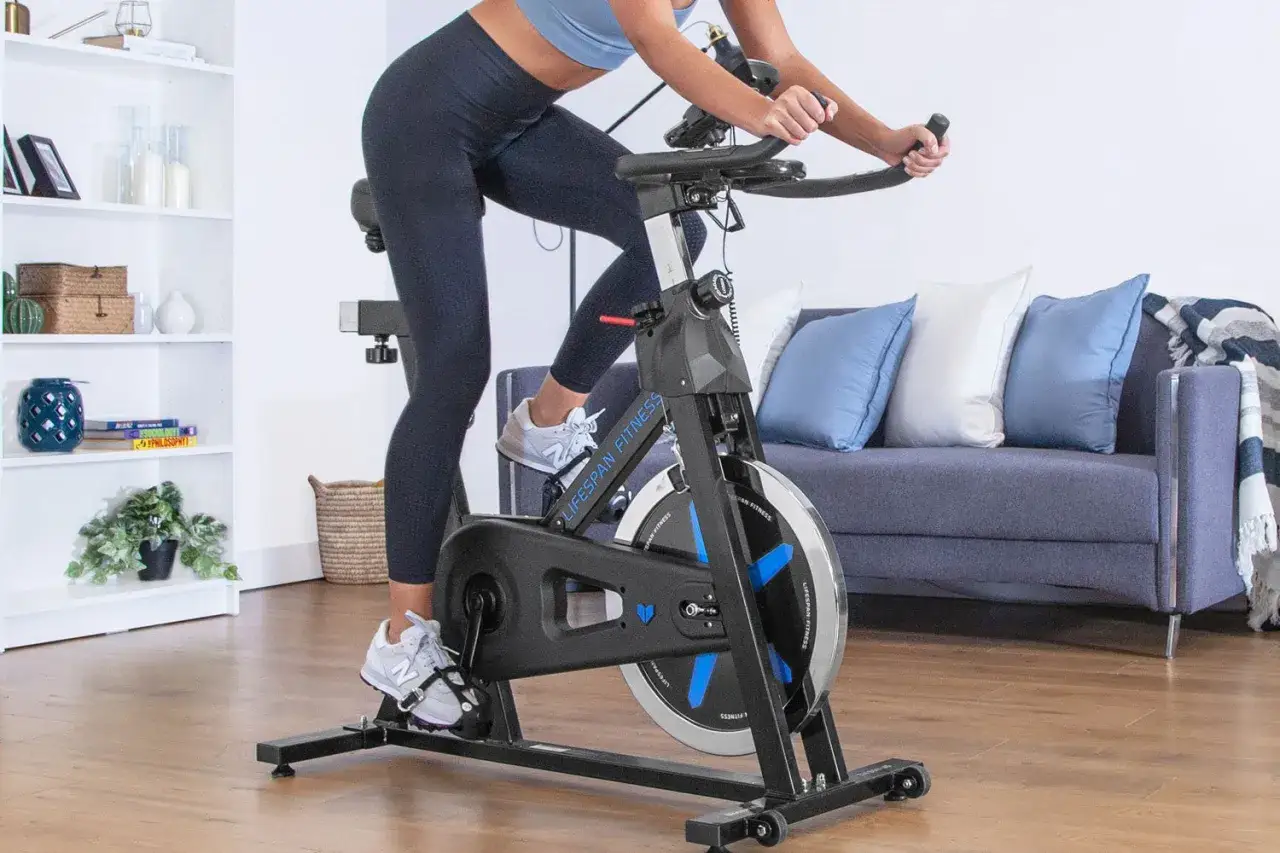
At the center of the system is a flywheel, a spinning metal disc that stores momentum. When the flywheel passes near magnets, the changing magnetic field induces eddy currents inside the metal; those currents generate their own opposing field, so the wheel resists motion without anything physically pressing against it. The short version is simple: the bike is slowing the flywheel with magnetism, not with friction.
That distinction matters because contact-free drag changes the whole ride. There is less wear on the resistance unit, less heat, and almost no pad dust. It also means the resistance stays more consistent over time, which is one reason magnetic systems dominate many mid-range and premium indoor cycling bikes.
The exact hardware can vary, but the physics stays the same. Some bikes use fixed magnets that move closer or farther from the flywheel, while others use electronically controlled magnets that can be adjusted by the console or a training app. The control method changes, but the basic mechanism does not. The next question is how that adjustment actually happens when you turn the knob or change a workout target.
How the resistance level changes when you adjust the bike
On a manual magnetic bike, the knob usually shifts the magnets nearer to the flywheel or farther away. Closer magnets create a stronger opposing force, so each pedal stroke feels heavier; moving them away makes the ride easier. That is why people often describe magnetic resistance as “turning the load up” rather than shifting gears.
Manual magnetic systems
In a simpler setup, the resistance knob is doing one job: changing the spacing between the magnets and the flywheel. The flywheel is there for momentum; the magnets are what add load. That is why a heavy flywheel can improve smoothness without automatically making the bike harder to pedal.
Read Also: Stationary Bike Before and After - Real Results & Timeline
Electromagnetic control
On a smart indoor bike or smart trainer, the magnets may be controlled by a motor or an electromagnet. In that setup, the bike can change resistance automatically in response to a workout profile, an interval target, or a virtual grade. For indoor cyclists, that is more than a convenience feature. It makes repeatable workouts easier because the resistance can change in small, predictable steps instead of depending on hand adjustments alone.
One caution: resistance numbers are brand-specific. Level 10 on one bike is not the same as level 10 on another, so I never treat the display number as a universal standard. I care more about how smoothly the bike changes load, how wide the range feels, and whether the lower and upper ends are useful for the rider’s goals. That difference in feel becomes obvious once you ride a few systems back to back.
Why the ride feels smooth, quiet, and repeatable
The strongest appeal of magnetic resistance is the ride quality. Because the resistance unit does not touch the flywheel, there is no rubbing noise from a pad against the wheel. That gives you a quieter bike, less vibration, and a cleaner setup for home use. If you ride early in the morning, share walls, or train while someone else is working nearby, that silence is not a minor perk. It changes when and how often you can actually use the bike.Smoothness matters too. A well-designed magnetic system tends to feel more even through the pedal stroke, especially paired with a decent flywheel and a belt drive. I would still separate the resistance system from the whole bike, though. A light flywheel or a poorly fitted frame can make even a magnetic bike feel choppy, which is why the spec sheet alone never tells the full story.
For many riders, repeatability is the underrated advantage. If the same interval feels the same on Monday and Thursday, pacing gets easier and progress is easier to judge. That consistency is what makes magnetic resistance especially useful for structured indoor cycling, and it leads directly into how it compares with the other common resistance types.
How it compares with friction and air resistance
When I compare indoor bikes, I usually look at three things first: noise, maintenance, and how the resistance rises as speed changes. Magnetic systems, friction systems, and air-based systems all solve the same problem, but they do it in very different ways.
| Resistance type | How it feels | Main advantage | Main drawback | Best fit |
|---|---|---|---|---|
| Magnetic | Smooth, quiet, controlled | Low maintenance and consistent load | Usually higher upfront cost | Home riders, shared spaces, structured training |
| Friction | Direct, simple, more mechanical | Lower purchase price | More noise and pad wear | Budget buyers and riders who want a basic spin-bike feel |
| Air | Progressive and punchy | Resistance rises naturally with effort | Loud and less refined for steady riding | HIIT sessions and riders who want a very hard ceiling |
The table only goes so far, though. A magnetic bike can feel too mild if the flywheel is small or the resistance curve is poorly tuned, while a good friction bike can still be satisfying if you like a more old-school spin class feel. My rule of thumb is simple: choose the system that matches where you ride and how precise your training needs to be, not just the one that sounds technically more advanced. That is especially true once training goals enter the picture.
What magnetic resistance changes in your indoor training
For indoor cycling, magnetic resistance helps most when you want control. Interval sessions become easier to repeat because the resistance changes are predictable, and cadence drills are easier to hold because the bike is not constantly drifting as pads wear down. Recovery rides also benefit from the quieter ride, which sounds minor until you realize it makes a 45-minute session easier to fit into a real household schedule.
I also think magnetic systems are a good match for riders who train by power or RPE, your rate of perceived exertion on a simple effort scale. The resistance can be set to a target that feels steady, which helps when you are working on threshold efforts, tempo blocks, or climb simulations. If the bike is paired with a smart trainer or app, it can even increase or decrease resistance automatically as the workout changes. That makes the bike feel less like a fixed machine and more like a training tool that responds to the session.
There is one thing I would not overstate: the resistance number on the console is not automatically the same as a calibrated power meter. On many home bikes, the displayed watts are a useful estimate, not lab equipment. I still use them, but I treat them as a training reference rather than a perfect measurement unless the system is known to be well-calibrated. Once you understand that limit, the remaining tradeoffs become easier to judge.
What to check before you trust the setup at home
If I am evaluating a magnetic indoor bike for real use, I look past the marketing language and check a few practical details:
- Adjustment range - The bike should offer enough low resistance for warm-ups and enough upper-end load for intervals.
- Resistance steps - Smaller, smoother steps usually feel better than big jumps between levels.
- Drive system - A belt drive is usually quieter and lower-maintenance than a chain in a home setting.
- Flywheel stability - A stable, well-balanced flywheel helps the ride feel natural instead of jerky.
- Power needs - Smart magnetic systems may need electricity for automatic resistance control.
- Warranty and parts support - Good resistance matters less if the brand is hard to service later.
The biggest mistake I see is people buying a bike for the resistance technology alone. Magnetic resistance is a strong foundation, but the saddle position, handlebar reach, and frame stiffness shape the real ride just as much. If you want a bike that disappears into the background and lets you focus on training, magnetic is often the safest bet; if you want a louder, more aggressive feel, another system may suit you better. Either way, the mechanism makes sense once you look past the label and focus on how the flywheel, magnets, and control system work together.