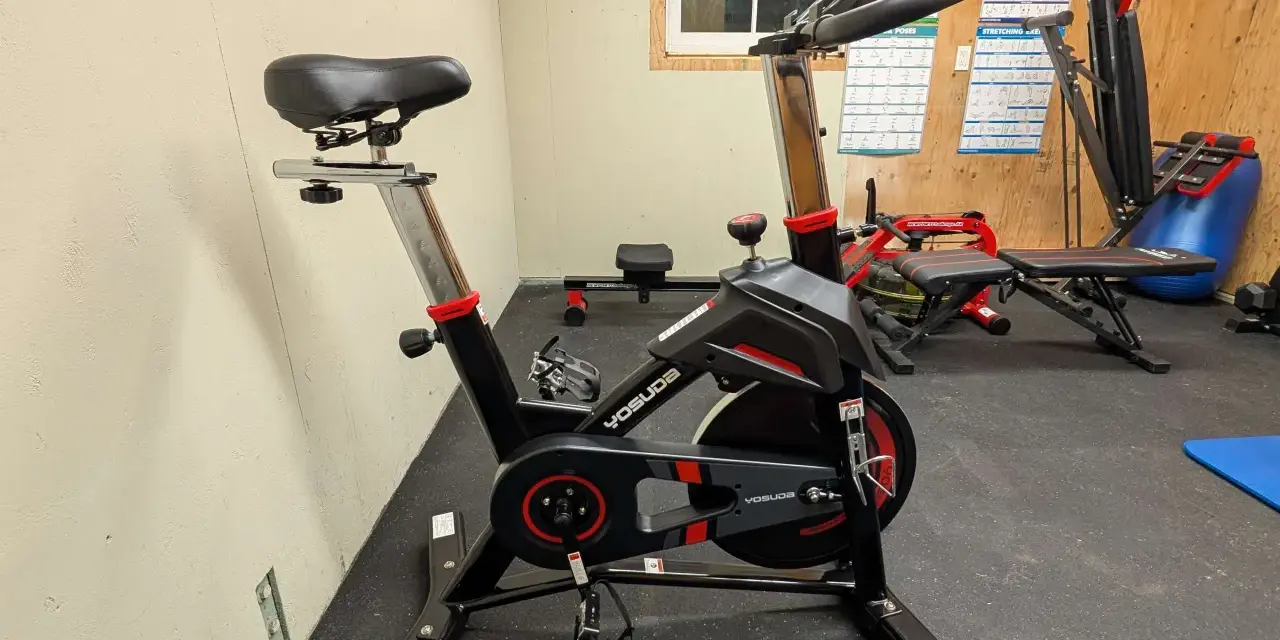
Is magnetic resistance better for an exercise bike? For most home riders, the answer is yes, but the reason is practical rather than glamorous. I care most about four things here: noise, maintenance, pedal feel, and whether the bike still feels good after six months instead of six rides. This article breaks down where magnetic resistance helps, where it is simply convenient, and when a cheaper friction bike still makes sense.
What matters most when choosing a resistance system
- Magnetic resistance is usually quieter, smoother, and easier to live with day to day.
- Friction resistance often costs less and can feel more direct under hard efforts.
- Resistance levels are not standardized, so the number on the console matters less than the actual feel.
- For apartments, shared homes, and frequent riding, magnetic is usually the safer default.
- Fit, frame stability, and drivetrain quality still matter more than the resistance label alone.
How magnetic resistance works on an exercise bike
Magnetic bikes use magnets positioned near a flywheel, which is the spinning mass that helps the pedal stroke feel even. As the magnets move closer to the flywheel, resistance increases; when they move away, pedaling gets easier. Because the magnets do not physically rub against the wheel, there is less wear, less noise, and far less of that scraping sensation people associate with cheaper bikes.
On many home models, resistance changes through a manual knob. On smarter bikes, a console or app controls the magnets electronically, which gives finer adjustments during intervals or guided classes. The big advantage is consistency: once the bike is set up well, the effort feels repeatable instead of drifting as pads wear down.
That makes the real comparison less about engineering labels and more about how the bike behaves after weeks of regular use, which is where the next section helps.
How magnetic resistance compares with friction in daily use
This is the part most buyers really want: what changes in ordinary riding, not in a product brochure. The table below keeps it simple.
| Feature | Magnetic resistance | Friction resistance | My take |
|---|---|---|---|
| Noise | Very quiet, especially with a belt drive | More audible, with a pad-on-flywheel sound | Magnetic is better for apartments and early-morning training |
| Maintenance | Low, with no brake pads to replace | Higher, because pads wear and need adjustment | Magnetic usually wins over the long haul |
| Ride feel | Smooth and steady, sometimes slightly less mechanical | More direct and familiar to riders used to studio bikes | Friction can feel punchier, but not always better |
| Upfront cost | Usually higher | Usually lower | Friction still has a budget advantage |
| Long-term ownership | Cleaner and easier to live with | More parts eventually need attention | Magnetic is the better set-it-and-forget-it option |
| Resistance control | Often smoother and more precise | Can feel abrupt depending on pad quality | Magnetic is better for structured workouts |
The important nuance is that magnetic does not automatically mean premium, and friction does not automatically mean crude. I have seen magnetic bikes with weak frames and vague resistance steps, and I have seen friction bikes that feel solid enough for hard daily training. Still, if I had to choose the system most likely to age well in a home setting, I would pick magnetic more often than not. Once you see those tradeoffs, the question becomes who actually benefits most from magnetic resistance.
When magnetic resistance is the better choice
I usually steer riders toward magnetic resistance when the bike is going into a real living space, not a dedicated garage gym. The quieter operation matters more than people expect, especially if you ride before work, share walls, or live in a smaller apartment. A quiet bike is not just nicer for other people; it is also less annoying for you, which makes consistency easier.
- You ride often and do not want to think about brake pads, squeaks, or adjustments.
- You train in a shared space and want to keep the noise down.
- You follow classes or intervals and want smooth, repeatable resistance changes.
- You want a bike that feels cleaner over time instead of one that slowly needs more attention.
- You care about long-term value more than shaving the lowest possible number off the purchase price.
When friction resistance still makes sense
Friction resistance has not disappeared for a reason: it still solves a real problem, which is keeping the purchase price lower. If the bike is a first-time buy and you are not sure how often you will use it, a decent friction model can be the more rational choice. It also gives some riders a more immediate, mechanical feel that resembles old-school studio bikes.
- Your budget is tight and the price gap is large enough to matter.
- You like a straightforward training feel and do not mind a bit more noise.
- You are testing indoor cycling before committing to a more expensive setup.
- You are fine with maintenance and understand that brake pads are consumable parts.
The tradeoff is simple: you save money upfront, but you accept more wear and usually more sound. For some buyers, that is fine. I would not dismiss friction bikes outright, especially if the machine will get light use or if you are building a home gym on a strict budget. Still, once your riding becomes a habit, the extra maintenance and noise tend to feel more expensive than they looked on the spec sheet. If you're still undecided, the spec sheet can settle it faster than the product copy.
Specs that matter more than the resistance label
One mistake I see all the time is overvaluing the resistance type and ignoring the rest of the bike. A magnetic system on a flimsy frame is still a flimsy bike. A good bike needs the whole package to feel right.
| Spec | What I look for | Why it matters |
|---|---|---|
| Drive system | Belt drive for most homes; chain only if you want a more traditional feel | Belt drives are generally quieter and smoother |
| Frame stability | Minimal wobble under standing climbs and hard sprints | A stable frame keeps the ride safe and realistic |
| Resistance range | A range that stays challenging at your cadence, not just a high level count | Some bikes advertise 24, 32, or even 100 levels, but the numbers are not standardized |
| Fit adjustment | Seat and handlebar movement that matches your body | If the fit is wrong, the resistance system will not save the ride |
| Weight capacity | Commonly 250 to 330 lb on solid home bikes, with heavier-duty frames above that | Higher capacity usually signals a sturdier build |
| Connectivity | Bluetooth, app support, or automatic resistance control if you use classes | Useful for structured training, less important for simple steady rides |
Price belongs in this conversation too. In the current U.S. market, I usually see basic friction bikes around $250 to $600, solid magnetic home bikes around $400 to $1,200, and premium connected models above $1,500. Those bands move, but the gap is real, and it reflects better noise control, tighter resistance feel, and less wear over time. Once the specs are filtered through real riding habits, the best match becomes much clearer.
The choice I would make for most home cyclists
For most riders, I would choose magnetic resistance. It is the better default because it solves the problems that usually make people abandon an exercise bike: noise, upkeep, and a ride that starts to feel annoying after the novelty wears off. If the budget allows it, magnetic is the safer long-term buy.
I would still choose friction if the price difference is large, the bike will get occasional use, or I wanted the cheapest workable indoor setup without worrying much about sound. In other words, the answer is not that magnetic always wins, but that it wins more often when the bike has to live in a real home and get used week after week. That is why, in practical terms, the answer to whether magnetic resistance is better for an exercise bike is usually yes. If you focus on the right details, you end up with a bike that fits your space, your training style, and the way you actually ride.