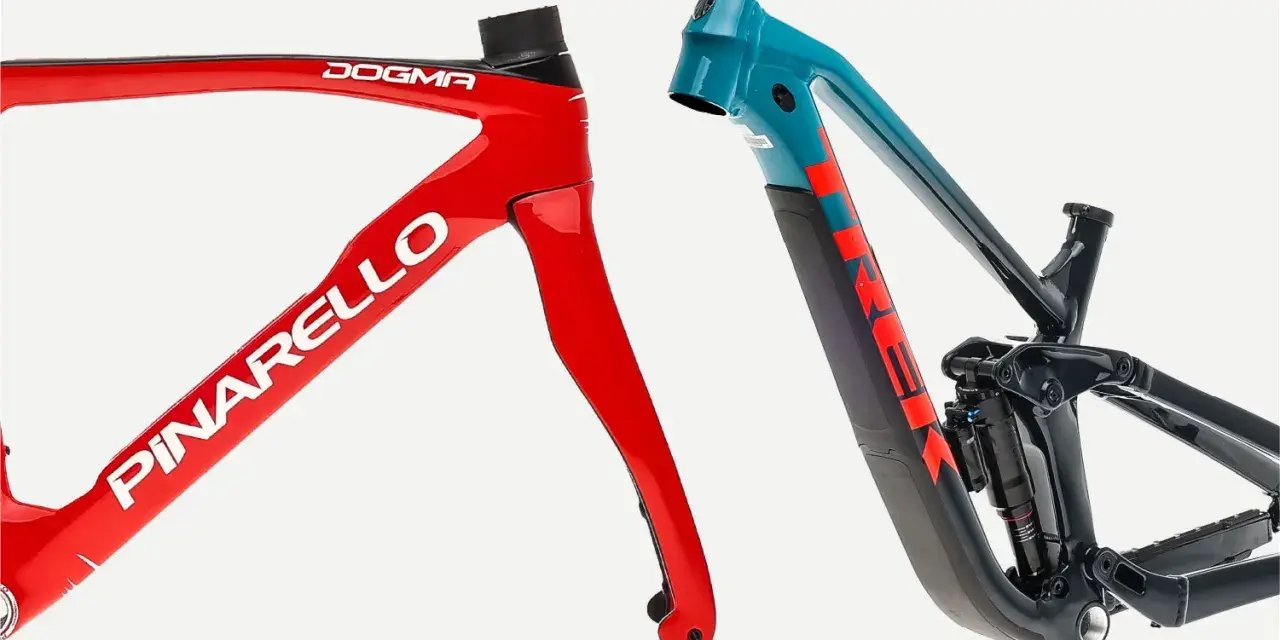
The carbon vs aluminum mountain bike decision is really a decision about priorities: lower weight and more tunable ride quality versus lower cost and less financial risk. I look at it through three questions: how the bike feels on the trail, how it holds up after real-world hits, and whether the money would improve the rest of the build more than the frame itself. Once you separate those pieces, the choice gets a lot clearer.
What matters most is the complete build, not just the frame label
- Carbon is usually lighter and more tunable; aluminum usually wins on price and value.
- The feel difference is real, but tires, wheels, and suspension often matter more than the frame alone.
- Carbon can be repaired in many cases, but the repair is specialist work and can be expensive.
- Aluminum is easier to justify for riders who crash often, ride hard, or want the strongest budget-to-performance ratio.
- For many trail bikes, the smartest money goes into fork, shock, wheels, and tires before it goes into carbon.
- For racers and weight-conscious riders, carbon’s advantage is most noticeable when the whole build is already strong.
What actually changes between carbon and aluminum frames
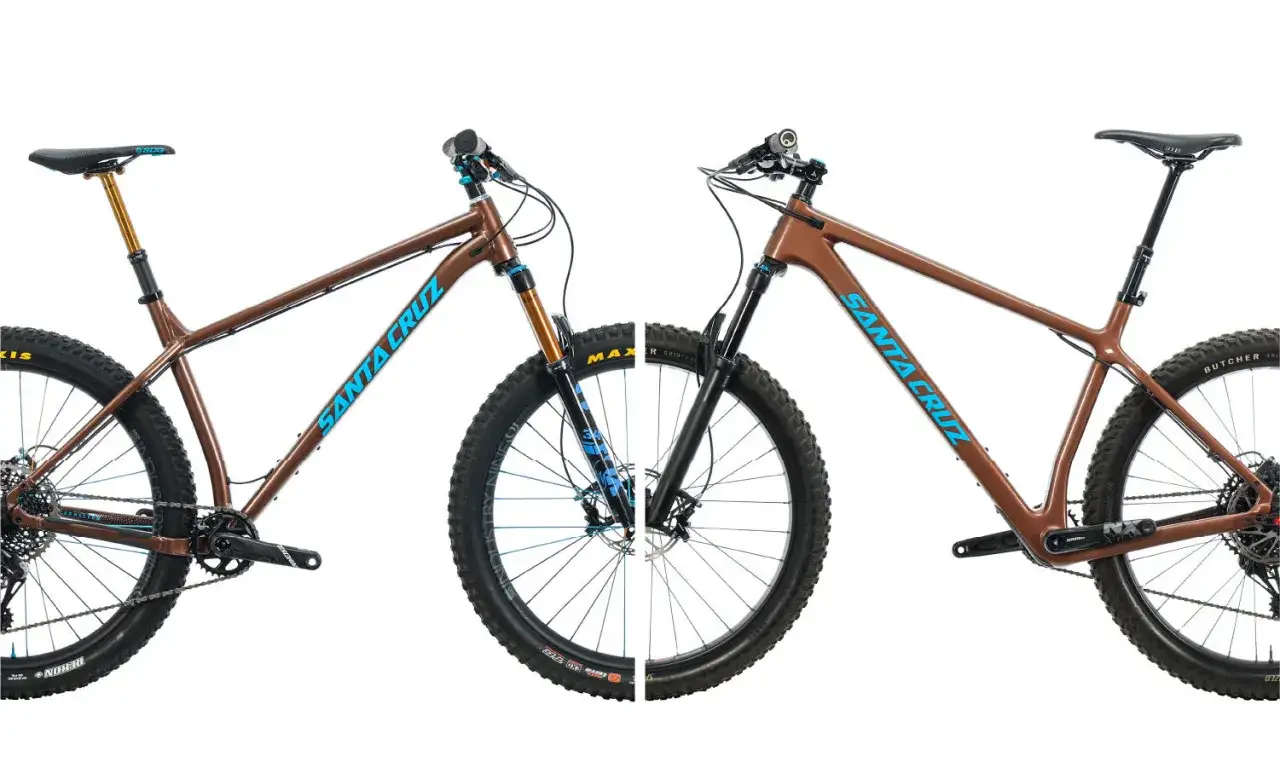
BikeRadar puts this debate in the right frame: neither material is automatically better. Carbon gives designers more control over a frame’s layup, which is the pattern of fiber layers inside the frame, while aluminum relies more on tube shape, wall thickness, and welding to shape the ride. That difference is why carbon bikes can be tuned more aggressively for stiffness in one area and compliance in another.
| Factor | Carbon | Aluminum |
|---|---|---|
| Weight | Usually lighter at the same performance level | Usually a bit heavier, especially in comparable builds |
| Ride tuning | Highly tunable through fiber direction and layup | More limited, but modern tube shaping has improved a lot |
| Cost | Higher upfront price | Better value for most riders |
| Impact behavior | Can crack or delaminate after a hard hit | Can dent, bend, or fatigue over time |
| Repair path | Often repairable by specialists | Usually replaced rather than repaired |
That is the core tradeoff: carbon gives engineers more freedom and usually saves weight, while aluminum keeps the bike accessible and predictable on the budget side. Once that is clear, the more useful question is how those differences show up when the trail stops being smooth.
How each frame material feels on the trail
On a climb, a lighter carbon frame can feel a little more immediate when you stand up and sprint. That is the sort of advantage riders notice on a race course or on long alpine-style climbs, where every bit of efficiency matters. The effect is real, but I would not pretend it is magical. On most trail bikes, wheel weight, tire pressure, and suspension setup can change the feel more dramatically than the frame material alone.Carbon’s other advantage is that it can be tuned for torsional stiffness, which means resistance to twisting under pedaling and cornering loads. In plain English, the bike can feel a bit sharper when you push hard into the pedals or load the front end through a turn. Aluminum can still feel fast and responsive, especially on modern hydroformed frames, but it usually gets there with less design freedom.
For full-suspension bikes, this matters less than people think. The suspension platform, shock tune, and linkage design often dominate the ride feel. On a hardtail, though, frame material can be easier to sense because the frame is doing more of the work. If you want the rough version, I would say carbon can feel more refined and aluminum can feel more honest. Neither is bad; they just communicate differently.
- XC and marathon riders usually benefit most from carbon because efficiency and weight matter more.
- Trail riders often get the best overall value from aluminum because the rest of the build can be stronger for the money.
- Hardtail riders may notice the frame more clearly, especially on rough descents and longer rides.
Once you understand the ride feel, the next thing to consider is what happens when the bike takes a real hit.
What happens when the bike takes a hit
This is where a lot of old assumptions still hang around. Carbon is not made of glass, and aluminum is not indestructible. In practice, both materials can fail; they just tend to fail differently. Carbon can crack or hide damage in ways that are not always obvious at first glance. Aluminum can dent, bend, or fatigue over time, especially if it has been ridden hard for years.
According to BikeRadar, carbon damage is often repairable, but the work is specialist-led and expensive. Aluminum, by contrast, is usually not practical to repair in the real world, which means a damaged alloy frame often becomes a replacement decision instead of a repair decision. That matters if you crash often, ride rocky terrain, or travel with your bike and want fewer worries about small impacts turning into big bills.
I would also separate damage tolerance from damage visibility. Carbon can take a lot of load when it is engineered well, but after a hard strike I want a careful inspection. Aluminum damage is usually easier to spot because dents and bends are visible. In both cases, a frame that has taken a serious hit deserves attention before the next ride.
If your riding involves frequent crashes, shuttle laps, or bike-park abuse, aluminum remains a very rational choice. If you are careful with your gear and willing to inspect and maintain it properly, carbon is not fragile by default. The bigger question is whether the price premium still makes sense for the rest of your bike.
What the price gap really buys you
OutdoorGearLab frames the decision around whether roughly 1.5 pounds of weight savings is worth the extra money, and that is the right mindset. The exact difference varies by brand and model, but the main point holds: carbon usually buys you a modest gain, not a transformation. In the U.S. market, that gain often comes with a noticeable premium, and the gap can widen fast once you move into better suspension or higher-end builds.
That is why I am cautious when someone is tempted by a carbon frame but has to compromise on the fork, shock, brakes, or wheels to get it. On the trail, those parts can change the bike more than the frame material does. A well-specced aluminum bike often rides better than a carbon bike that was stretched too thin by the budget.
When I am helping someone think through value, I usually put the money in this order:
- Fit and geometry first, because a bike that fits badly never feels right.
- Suspension next, because a better fork or shock changes control immediately.
- Wheels and tires after that, because they shape speed, grip, and comfort.
- Frame material after the bike is already well built.
If carbon only gets you a nicer badge but forces weaker parts elsewhere, aluminum is usually the smarter buy. If the whole build stays strong and the carbon premium is comfortable, then the lighter frame starts to make more sense.
Which riders should lean carbon or aluminum
Here is the simplest way I think about it. Carbon makes sense when you care about weight, efficiency, and a more finely tuned ride, and when your budget can absorb the extra cost without damaging the rest of the build. Aluminum makes sense when value, durability confidence, and component quality matter more than shaving every possible gram.
| Rider profile | My lean | Why |
|---|---|---|
| XC racer or fitness-focused climber | Carbon | Weight and pedaling efficiency are part of the job |
| Trail rider on a realistic budget | Aluminum | Better value and more room for strong components |
| Aggressive enduro rider | Either | Geometry, suspension, and wheels often matter more than frame material |
| Bike-park or crash-prone rider | Aluminum | Less anxiety about expensive damage and easier financial replacement |
| Rider buying a top-spec dream build | Carbon | The premium is easier to justify when the rest of the bike is already excellent |
There is one exception I see often: a rider who wants carbon because it feels like the premium choice, but whose actual rides are casual trail loops and weekend outings. In that case, aluminum usually gives more real-world satisfaction because the bike ends up better equipped where it counts. The next step is to buy with that bigger picture in mind.
Buy the complete bike, not the frame badge
If I had to reduce the decision to one rule, it would be this: buy the bike that gives you the best overall ride, not the most expensive frame material. Check the geometry first, then the fork, shock, wheels, tires, brakes, and warranty. A great aluminum build can be more fun than a compromised carbon one, and a good carbon build can be worth every dollar if it fits your riding style and budget.
My practical advice is simple. Choose carbon when you know the weight savings and tuning freedom will matter to you on most rides. Choose aluminum when you want to spend smarter, crash without overthinking every scrape, and put your money into parts you feel every time you roll out. That is the decision I keep coming back to on the trail, and it usually leads to the better bike for the rider in front of me.