The Colorado ride bases that matter most at a glance
- Fruita is the easiest place to find fast, playful desert singletrack with rollers, berms, and tabletops.
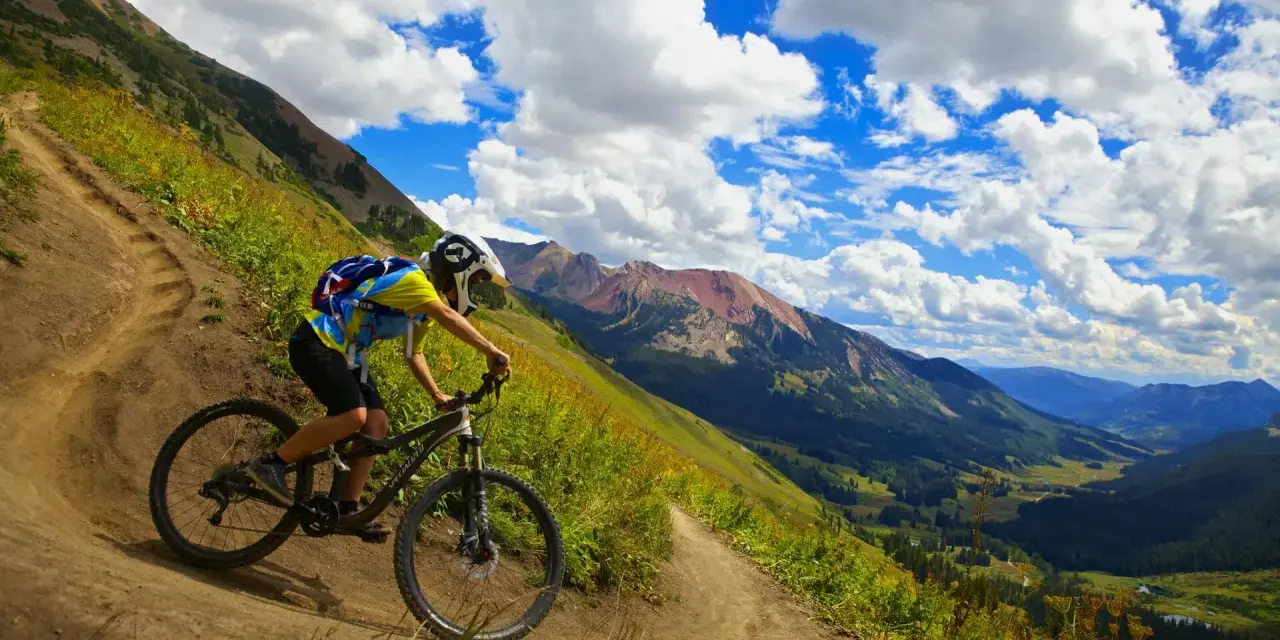
- Crested Butte delivers the biggest all-around mountain bike experience, with high-alpine scenery and a massive trail network.
- Durango is the pick for rugged, iconic rides and long backcountry-feeling days.
- Winter Park and Breckenridge are strong choices if you want lift access plus a lot of trail variety in one trip.
- Buffalo Creek and Eagle are excellent if you want accessible riding, mixed skill options, and a smoother logistics story.
The Colorado destinations that deserve a spot on your shortlist
| Destination | Best for | Trail character | Approximate scale | Why it stands out |
|---|---|---|---|---|
| Fruita and Grand Junction | Flow, speed, and intermediate-friendly laps | Desert singletrack, rollers, berms, tabletops, fast ridgelines | Over 250 designated recreation routes in North Fruita Desert | It is one of the most playful riding areas in the state, and it rides beautifully in the shoulder seasons. |
| Buffalo Creek | Front Range riders, half-day trips, mixed-skill groups | Mellow climbs, smooth descents, a few technical black-diamond sections | 79 miles of trail, with 9 easy, 25 intermediate, and 2 difficult trails | It is close to Denver and gives you a lot of value without a huge drive. |
| Eagle and the Vail Valley | Early-season riding and shoulder-season variety | High desert, aspen groves, evergreen forest, lift-served options | Over 100 miles of singletrack in Eagle County | It combines accessible trailheads with enough mileage to build a real trip around. |
| Crested Butte and Gunnison | Alpine scenery, technical variety, destination trips | Backcountry singletrack, high-elevation climbs, bike-park access | Roughly 750 to 800 miles of singletrack across the valley | Few places in Colorado feel as complete for mountain biking. |
| Durango | Long days, rugged terrain, Colorado Trail style riding | High desert, rock, silt, scree, and above-tree-line exposure | Nearly 300 miles of trails | It is one of the most iconic and demanding riding bases in the state. |
| Winter Park and Fraser | Lift-served downhill and full-day trail variety | Bike-park laps, XC routes, and everything between | Over 600 miles of trails in the Winter Park and Fraser areas | You can build a trip for beginners, downhill riders, or mixed groups without leaving the area. |
| Breckenridge | Convenience, variety, and high-alpine access | Town-to-trail riding, bike-park access, smoother loops, technical options | Hundreds of miles of riding in and around town | It is one of the easiest mountain towns to use as a riding base. |
I usually think of Colorado as a state where the same trip can feel completely different depending on where you sleep. Once you see the destinations side by side, the next step is deciding whether you want a flow-heavy trip or a bigger alpine challenge.
The flow-heavy zones that are easiest to enjoy in a day
Fruita and Grand Junction
Fruita is the place I would send a rider who wants to smile more than suffer. The 18 Road and Kokopelli trail systems are built around momentum, not punishment, with desert valley floor, washes, and sharp ridges that favor speed, clean cornering, and playful features. The BLM describes the area as one of the most playful mountain bike zones in Colorado, and that fits the riding well. If you like rollers, berms, and tabletop jumps, this is where Colorado starts to feel fun immediately.
What makes Fruita especially useful is the flexibility. You can do a short session, a moderate half-day, or string together a bigger outing without needing a shuttle or a huge amount of planning. The main tradeoff is heat, because summer in the western desert can be punishing. I would prioritize spring and fall here, then start early if I rode in warmer weather.
Buffalo Creek
Buffalo Creek is the Front Range answer for riders who want fast, flowing singletrack without driving all the way to the western slope. The trail network is known for mellow climbs and fun descents, but it is not flat or boring. Nice Kitty, Shingle Mill, and Sandy Wash keep the day moving, while Blackjack and Raspberry Ridge give advanced riders something genuinely technical to chew on. That mix is the reason Buffalo Creek works so well for groups with different ability levels.
I also like Buffalo Creek because it is honest about what it is. It is not trying to be a high-alpine sufferfest, and it is not a bike-park lap zone. It is a place to build a smooth, satisfying ride around flow and rhythm. One practical caution, though, is weather. Like many Front Range trail systems, it can stay muddy after snow or rain, so I would give it a couple of dry days before riding if the forecast has been messy.
Eagle and the Vail Valley
Eagle is one of the most underrated choices on the list. The trail system has over 100 miles of singletrack, and the riding moves through high desert, aspen groves, and dense evergreen forest. That variety matters. You get enough terrain change to keep the ride interesting, but you are not forced into the kind of day that only one type of rider enjoys. It is also a strong early-season option, which makes it useful when higher, snowier places are not fully ready yet.
For riders passing through on an I-70 trip, Eagle is especially efficient. You can ride close to town, get a full day in, and still have energy left for the next stop. By the time June rolls around, lift-served riding opens on Vail Mountain, so the whole valley becomes a practical playground for people who want both quick laps and bigger weekend objectives. If you want a less crowded alternative to the more famous Colorado bike towns, Eagle deserves serious attention.
Those are the places I would choose when I want a smoother, more direct ride experience. If your idea of a great day leans more toward altitude, long descents, and bigger effort, the next set of destinations is where Colorado gets much more dramatic.
The alpine rides that justify a full trip
Crested Butte and Gunnison
Crested Butte is the first name many riders think of for a reason. The Gunnison Valley has roughly 750 to 800 miles of singletrack, and the range is what makes it special. You can ride flowy alpine terrain, steep technical routes, and everything in between. Trails like 401, Snodgrass, and Doctor Park show why the area keeps its reputation. The scenery is excellent, but the real value is that the riding itself is deep enough to support a whole trip, not just one famous loop.
Crested Butte also rewards riders who respect the season. The mountain bike season usually runs from May through October, while the bike-park season typically starts later, once snow has cleared. That matters because high-elevation riding can look ready from town while still holding snow or mud up high. My rule here is simple: if you are going to build a Crested Butte trip, check conditions first, then plan for one shorter acclimation ride before you chase the bigger stuff.
Durango
Durango is one of Colorado’s most complete mountain bike bases. It has nearly 300 miles of trails, the start of the Colorado Trail, and a trail character that shifts from high desert to scree to above-tree-line riding. That range creates a very specific kind of day. The climbing can be demanding, the descents can be rough, and the reward is the kind of terrain that feels like a real backcountry outing rather than a casual spin.
This is where I send strong intermediates and advanced riders who want a destination that feels earned. Durango is not just about difficulty, though. It is also about continuity. The system gives you enough trail density to build several different ride styles into one trip, which is why many riders stay longer than they planned. If you want Colorado to feel raw, scenic, and properly rugged, Durango is a smart choice.
Winter Park and Fraser
Winter Park is the easiest place on this list to recommend to a mixed group. It offers over 600 miles of trails, and the mountain serves both lift-accessed downhill riding and longer XC-style days. That means one person can spend the morning on park laps while another goes after a bigger loop, and nobody feels stuck in the wrong kind of day. For families or couples with different riding preferences, that is a real advantage.
It is also a strong summer-to-fall option. The trails stay relevant across a long season, and the area offers enough variation to keep repeat visitors interested. If I wanted a Colorado trip that balanced convenience, trail volume, and a little bike-park excitement, Winter Park would make my short list very quickly.
Read Also: Hardtail vs Full Suspension - Choose Your Perfect MTB!
Breckenridge
Breckenridge works because it is easy to use and hard to exhaust. You get hundreds of miles of trails in and around town, lift-accessed riding, and a downtown base that makes the logistics painless. I like Breckenridge for riders who want a mountain-town weekend without turning the trip into a full expedition. It is also a good place to blend trail time with normal vacation life, which matters more than people admit.
The one thing I would not ignore here is timing. Some trails can stay snowbound until late June depending on snowpack and weather, so early summer requires flexibility. That is not a flaw, just a mountain reality. Once conditions are good, Breckenridge gives you a lot of options, from smoother town-adjacent loops to steeper, more technical rides and bike-park style descents.
Once you know which region fits your appetite, the next question is how to match the terrain to your actual skill level. That is where a lot of trip planning goes wrong, especially when people choose a famous place without looking closely at the kind of riding it rewards.
How I would match a Colorado ride to your skill level
| Rider type | Best matches | What to prioritize | Common mistake |
|---|---|---|---|
| Beginners and casual riders | Buffalo Creek, easy Breckenridge loops, Winter Park’s gentler network | Clear trail markings, manageable climbs, shorter laps, bailout options | Starting with high-alpine trails before your legs and lungs are ready |
| Intermediate riders | Fruita, Eagle, Durango, Crested Butte flow trails | Good pacing, varied terrain, 2 to 4 hour rides, enough challenge to stay interesting | Underestimating desert heat in Fruita or altitude in the mountain towns |
| Advanced riders | Crested Butte technical routes, Durango’s bigger efforts, Breckenridge’s harder trails, Buffalo Creek’s Blackjack, Winter Park downhill laps | Rock gardens, steeper descents, sharper line choice, lift or shuttle access when it helps | Choosing a famous trail for the reputation instead of checking current conditions and fitness demands |
| Mixed-skill groups | Winter Park, Breckenridge, Buffalo Creek | Options that let riders split up and regroup without drama | Picking a remote backcountry ride that only one person in the group will enjoy |
If I am being blunt, Colorado punishes overconfidence more than most riding destinations. A trail that looks straightforward on paper can become a long day once altitude, heat, or loose rock enter the picture. The best move is to choose the terrain first, then layer in the miles and elevation gain only after that feels realistic.
The planning details that make the trip work in real life
For Colorado mountain biking, small decisions make a big difference. I would always start early, especially in the desert zones and on exposed alpine trails, because afternoon heat and storms can change the ride fast. I would also give myself a lighter first day at altitude if I had just arrived, because a 9,000-foot trail ride feels very different from the same mileage at sea level.
- Check trail conditions before you leave, especially in Crested Butte, Breckenridge, and other higher-elevation areas where snow can linger.
- Carry more water than you think you need, because dry air and altitude both drain energy faster than riders expect.
- Pick one base per trip if you can, since chasing four towns in three days usually leaves you more tired than satisfied.
- Match your bike to the terrain, because a short-travel XC bike and a rowdier enduro setup solve very different problems in Colorado.
- Respect land-manager rules for e-bikes and trail access, since permissions can change from one system to the next.
If I were planning a short trip, I would build it like this: Fruita for playful desert laps, Crested Butte for the big alpine experience, or Durango if I wanted the most rugged, backcountry-feeling riding. For a Front Range weekend, Buffalo Creek is the efficient choice. For lift access and broad appeal, Winter Park and Breckenridge are hard to beat. That is the real answer to Colorado riding, one single state, but several very different ways to ride it well.