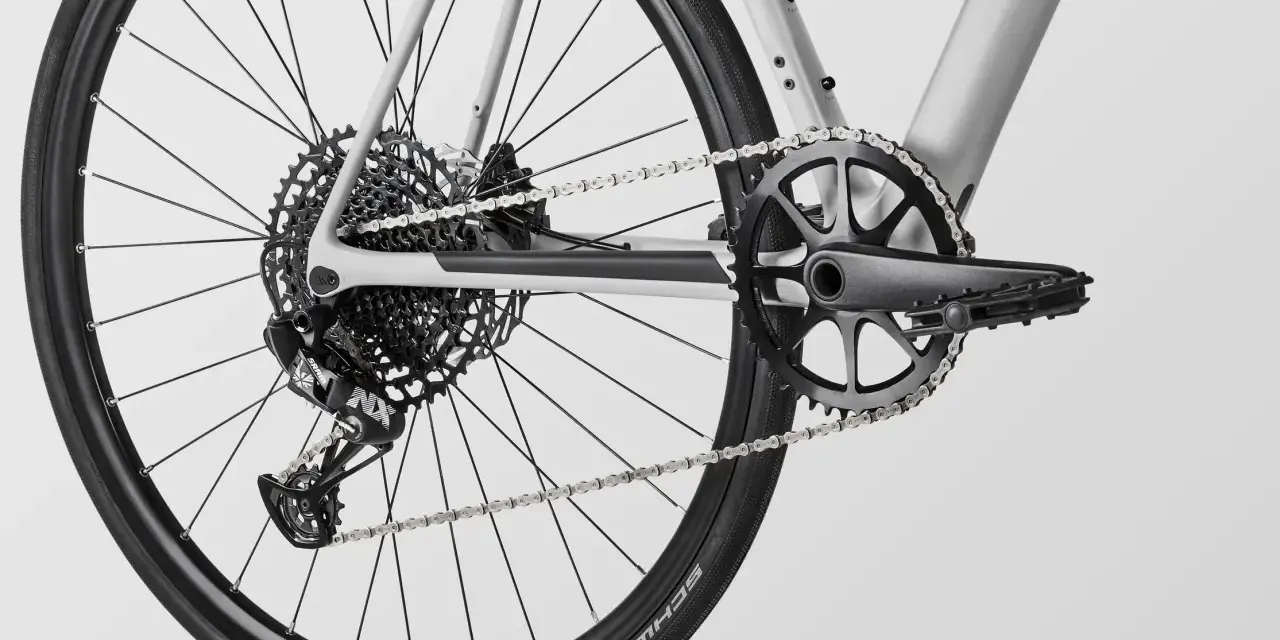
A well-matched MTB drivetrain changes how a bike climbs, how quiet it feels, and how expensive it is to keep running. I’m focusing here on the parts that matter on real trails: how the system works, how 1x and 2x setups differ, which gear ranges suit different terrain, and what to check before upgrading. In 2026, the smartest choice is usually less about brand loyalty and more about compatibility, range, and durability.
The shortest version of what matters on the trail
- Most riders are best served by a 1x12 setup because it keeps shifting simple and chain retention strong.
- Chainring size decides the feel more than the cassette label does, especially on steep climbs.
- Compatibility is non-negotiable: cassette body, crank standard, and frame interface must all line up.
- Replace the chain early and you protect the cassette and chainring from expensive wear.
- Durability wins on rough trails; the lightest build is not always the fastest over a season.
How the drivetrain turns effort into traction
The chainring, cassette, rear derailleur, shifter, and chain work as one system. Your legs drive the chainring, the cassette sets how hard or easy each pedal stroke feels, and the derailleur keeps the chain aligned as you move across the gear range. I think about it as a way to control cadence: the right gear lets you stay seated and smooth on climbs instead of stomping, then still spin fast enough on descents and fireroads.
The real number that matters is the ratio between front and rear teeth. A 32-tooth ring with a 52-tooth cog climbs noticeably easier than the same ring with a 45-tooth cog, and even a two-tooth change on the chainring is a meaningful shift in effort. That is why drivetrain decisions often feel subtle in the shop but obvious on the first long climb.
That balance between range and feel is where the interesting choices start.
The parts that actually decide how it rides
When I look at a mountain bike gear system, I do not start with the logo on the derailleur. I start with the pieces that change the ride in a way you can feel on day one and still care about on day 200.- Chainring size - smaller rings make climbing easier, but they reduce top-end speed. A 30T ring is a common mountain choice when the terrain is steep or the rider values spin over sprint speed.
- Cassette range - the difference between a 10-51T and 10-52T cassette is tiny on paper, but the whole spread changes how often you can find a comfortable cadence. Modern wide-range cassettes usually matter more than a single extra tooth.
- Rear derailleur stability - a clutch derailleur or a full-mount design reduces chain slap and helps keep the chain quiet on rough ground. A clutch is a spring-loaded friction mechanism that resists cage bounce, which matters a lot when the trail gets chattery.
- Chainline - the chainline is the distance from the frame centerline to the chainring. If it is off, the bike can shift noisily, wear faster, or simply feel awkward in the middle of the cassette.
- Shifter feel - crisp actuation matters more than many riders expect, especially when you are shifting under pressure on loose, technical terrain.
When those five pieces match the bike and the terrain, the system feels calm instead of busy. That leads directly into the bigger question riders ask next: how many chainrings do you actually need?
Why 1x dominates and when 2x still earns a place
| Setup | Where it fits best | Strengths | Tradeoffs |
|---|---|---|---|
| 1x12 | Trail, enduro, modern XC | Simple, quiet, fewer parts, strong chain retention, wide range | Bigger jumps between some gears, usually higher upgrade cost |
| 2x | Mixed riding, riders who care about cadence control | Tighter gear spacing, broad range without an extreme cassette | More parts, front shifting in mud, more setup sensitivity |
| 3x | Older bikes, casual use, very specific low-cost builds | Huge range, very low climbing gear | Heavier, more complexity, not ideal for modern aggressive riding |
For most riders, 1x is the right answer. The front derailleur solves a problem that most trail riders no longer have, and modern 12-speed cassettes have enough range to cover steep climbs without turning the bike into a complication machine. I still see value in 2x when a rider spends long days on mixed terrain and cares about tighter gear steps more than absolute simplicity.
Three-by systems survive mostly because older bikes still exist. They can work, but on a modern trail bike they usually add friction without enough payoff.
The current high-end options show where the market has landed: Shimano’s latest XTR family gives riders a 9-45T compact option with 500% range and a 10-51T option with 510% range, while SRAM’s Eagle Transmission line goes to 10-52T and 520% on a 55 mm chainline. Bigger range is useful, but the feel of the middle gears matters just as much.
How to choose gearing for your terrain
The fastest way to get gearing wrong is to choose by ego. If you are constantly mashing on climbs, the chainring is too big; if you are spinning out on every false flat, it is too small. I like to start with the terrain, then adjust one step at a time.
| Riding situation | Good starting point | Why it works |
|---|---|---|
| Steep, technical trails | 28T to 30T chainring with a 10-51T or 10-52T cassette | Gives you a lower climbing gear so you can stay seated and keep traction |
| All-around trail riding | 32T chainring with a wide-range cassette | Balances climbing and speed without demanding constant shifting |
| Fast XC or rolling terrain | 34T to 36T chainring, plus a cassette that fits the terrain | Keeps top-end speed available when the trail opens up |
| E-MTB use | Moderate chainring size with a durable drivetrain choice | Helps the motor stay in a comfortable cadence band while handling extra torque |
One practical rule I use: two teeth on the chainring changes the feel by about 6%. That is enough to matter, especially on long climbs. If you are torn between two sizes, choose the smaller ring when the terrain is steep and the larger one only when you are sure you use the top end often.
Range is important, but cadence gaps matter too. A cassette that looks impressive on a chart can still feel awkward if the jumps between gears are too wide for the way you ride.
In much of the United States, a 32T chainring is the safest all-around starting point because trail networks often mix short punchy climbs with faster rolling sections. From there, I only go smaller or larger when the terrain clearly asks for it.
Compatibility rules that matter before you upgrade
Upgrades go wrong most often at the compatibility layer, not because the parts are bad. I check the frame, hub, crank, and cassette standard before I even think about price. That saves the expensive kind of disappointment: buying a drivetrain that simply cannot be mounted the way you expected.
- Freehub body - Shimano 12-speed MTB cassettes generally need a Micro Spline driver body, while many SRAM 10-tooth cassettes need XD or a matching driver standard. The cassette has to match the hub, not just the derailleur.
- Frame interface - SRAM’s UDH-based Full Mount systems require a UDH-compatible frame. If the frame is not built for that standard, the upgrade stops there.
- Chainline - modern wide-range systems are commonly built around 52 mm to 55 mm chainlines. If the crank and frame spacing do not match, shifting can suffer and chain noise goes up.
- Bottom bracket and crank standard - the spindle width and crank family must fit the frame. This is where many “simple” upgrades become parts-chasing exercises.
- Rear triangle clearance - chainstays, tire size, and derailleur position all matter. A setup that fits on paper can still rub or sit too close to the tire once the suspension is loaded.
Shimano’s current HYPERGLIDE+ and LINKGLIDE paths are a useful shorthand. HYPERGLIDE+ is the better fit when you want quicker shifts and a race-oriented feel; LINKGLIDE makes more sense when durability and low maintenance matter more than shaving grams.
Once the bike is compatible, the next question is how to keep it working that way for more than one muddy season.
How to keep it quiet, clean, and within wear limits
I am stricter about chain wear on mountain bikes than on road bikes because dirt, water, and torque all conspire against the parts. For 11- and 12-speed chains, I treat 0.5% wear as the replacement point; for 10-speed and older, 0.75% is the usual limit. Waiting until the chain skips usually means the cassette is already paying for it.
| What I check | Rule of thumb | Why it matters |
|---|---|---|
| Chain wear | Replace around 0.5% on 11- and 12-speed chains, around 0.75% on 10-speed and older | Protects the cassette and chainring |
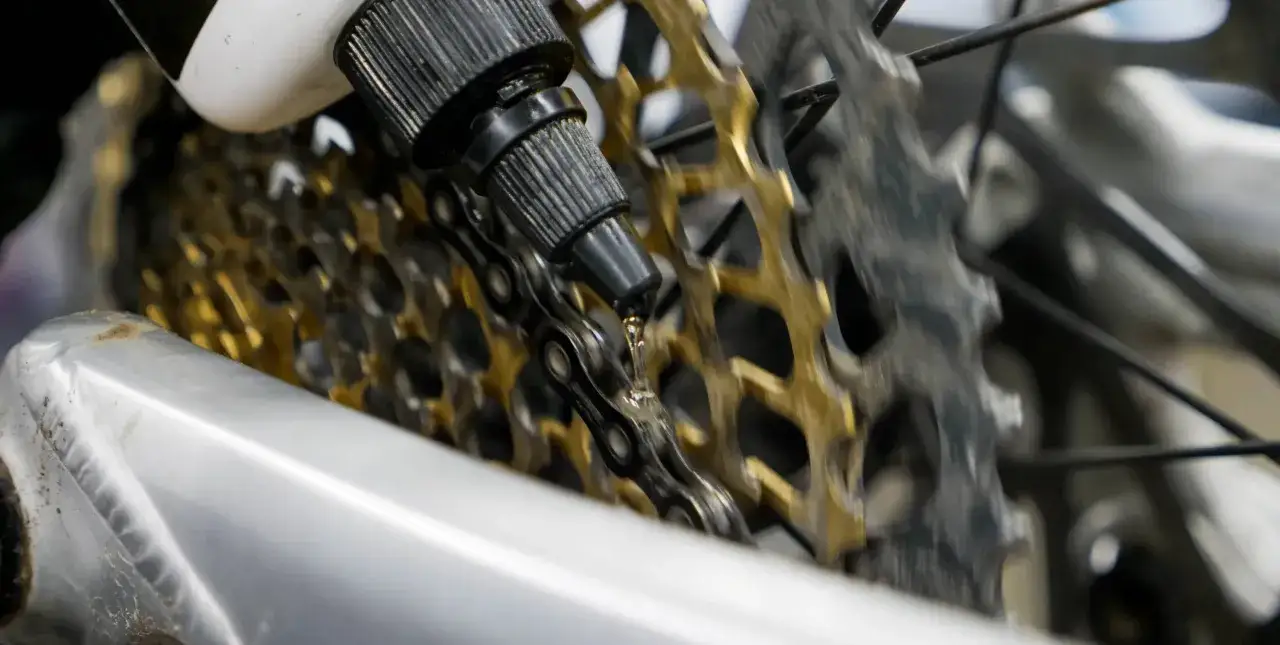
| Muddy rides | Clean, dry, and relube after the ride | Prevents abrasive paste from eating the drivetrain |
| Rock strikes | Inspect derailleur, hanger, and pulleys right away | Small bends create noisy shifting |
| Noisy shifting | Check cable tension, indexing, and chainline | Fixes minor problems before they turn into wear |
Clutched derailleurs, chain-stabilizing designs, and UDH-based systems reduce the damage from trail hits, but they do not eliminate wear. The cheapest habit is still the best one: inspect often, replace early, and keep the chain clean enough that the lube can actually do its job.
The choices that age best on real trails
If I were setting up a fresh trail bike today, I would choose the simplest system that still gives me the gear range I need. I would rather see a rider on a modest but correctly matched setup than a premium build with the wrong chainring and a constant complaint on climbs.
- Most trail riders - 1x12, 32T, wide-range cassette, clutch derailleur.
- Steep terrain or slower cadence riders - move down one chainring size before chasing a new cassette.
- Fast XC riders - 34T or 36T, but only if your local trails reward top-end speed.
- High-mileage or rough-weather riders - durability-first parts and a strict chain-check routine.
The setup that stays fun is usually the one you forget about on the trail. It shifts cleanly, climbs without drama, and lets you spend your attention on line choice instead of whether the next gear is going to land. That is the standard I would trust for a mountain bike built to be ridden hard, not just admired in the garage.