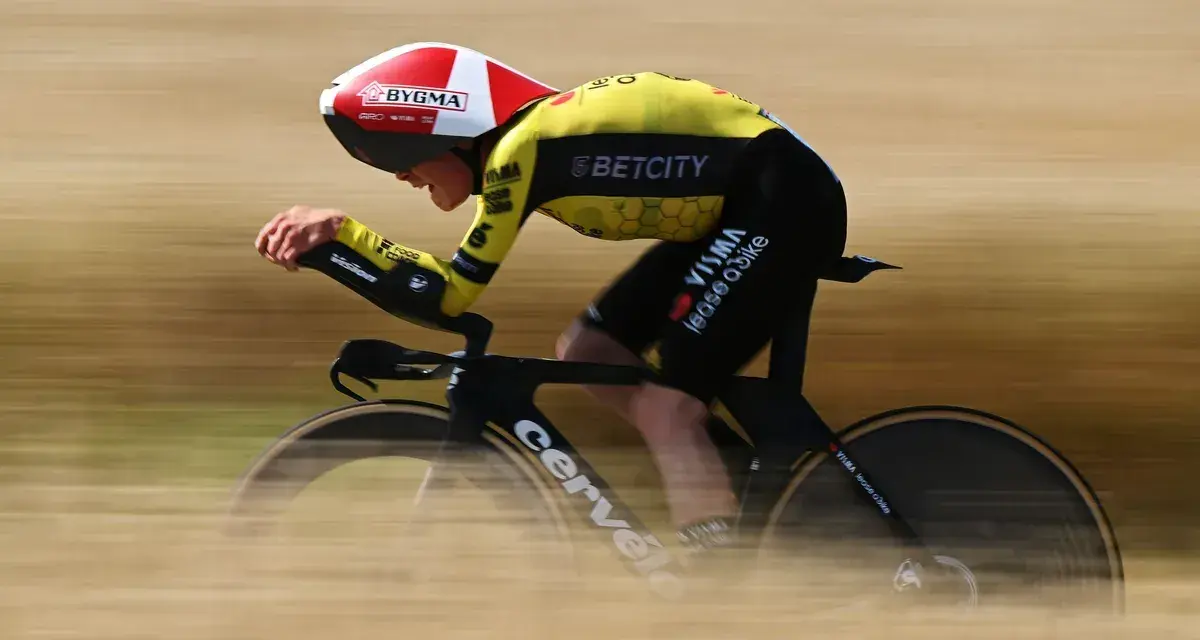
Dauphiné cycling is best understood as the Critérium du Dauphiné: a hard, selective stage race that reveals climbing form, team depth and recovery before the biggest summer goals. In practical terms, it tells you more about who is ready for July than a flat one-day result ever could. This article breaks down what the race is, how its route shapes the outcome, and what road cyclists can learn from it without turning the analysis into racing jargon.
The race rewards climbing form, teamwork and sharp timing
- The UCI lists it as a WorldTour stage race, so the field and stakes are elite from day one.
- The 2026 route ran from June 7 to June 14 and covered 1,205.6 km across eight stages.
- Mountain stages and the 28.4 km team time trial made it a full test of legs and organization.
- The event matters because it exposes repeatable form, not just one-day explosiveness.
- For amateur riders, the best lessons are pacing, gearing and fueling for consecutive hard days.
What the Dauphiné actually tells you about a rider
The race has been around since 1947, and its history reads like a hall of fame of stage racing. That history matters because the Dauphiné has never been just another warm-up; it is a serious barometer of stage-race form, especially for climbers and general classification riders who need to prove they can repeat hard efforts for a full week.
I read the result differently depending on what kind of rider I am evaluating. A stage win can be flashy, but a strong overall week tells me more about pacing, recovery and how a rider handles pressure when the terrain gets selective. That is why the race is useful to fans, coaches and amateur riders alike: it separates a one-day spark from a body of work.
That distinction becomes clearer once you look at the route itself, because the course is designed to reward different strengths in a very deliberate order.
How the 2026 route was built to expose different strengths
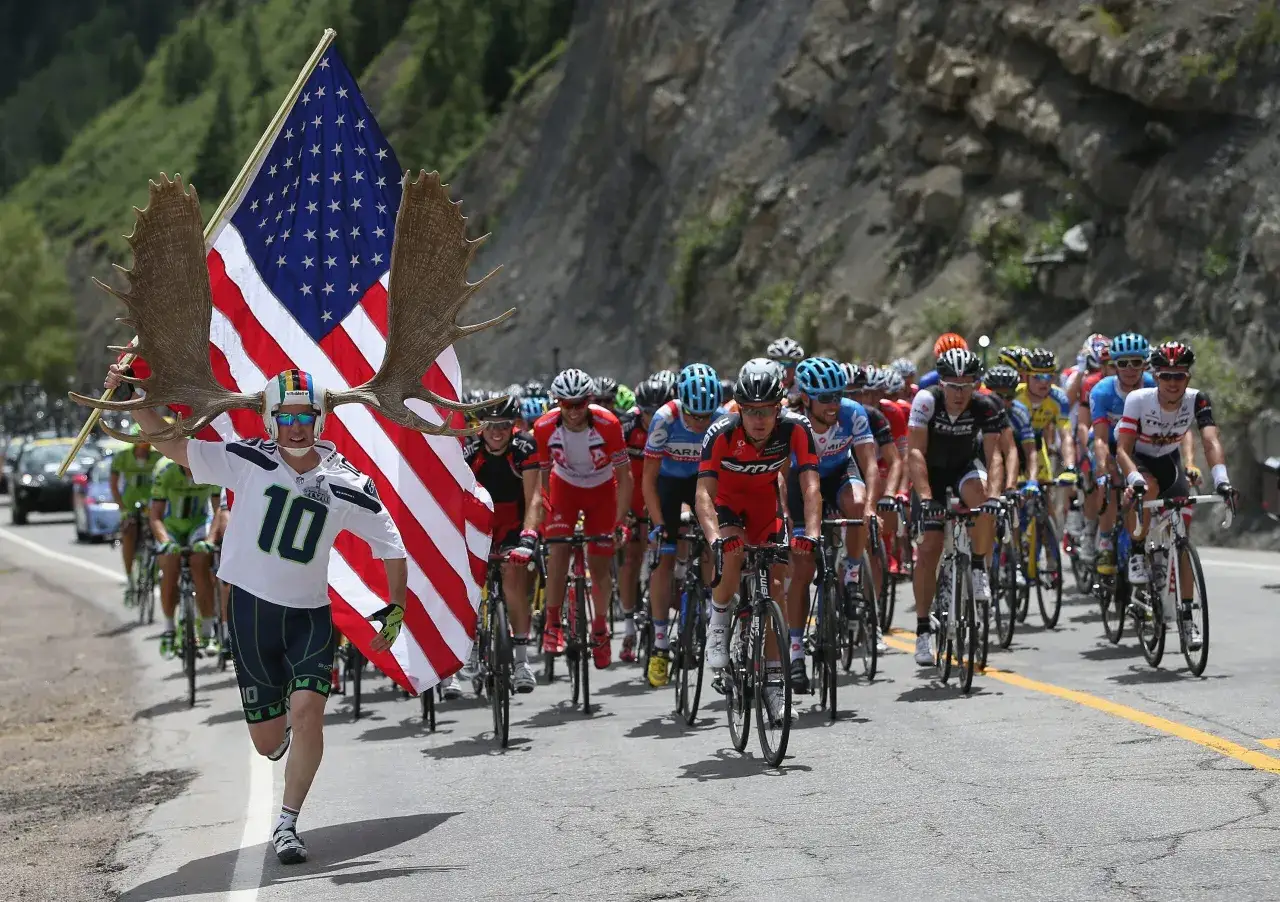
The official race site says the 2026 route covered 1,205.6 km across eight stages, with a 28.4 km team time trial and several mountain days folded into the week. That is the kind of layout I like for analysis because it exposes whether a rider can survive climbing, keep the bike steady in a team effort and still have enough left for the final summit test at places like Plateau de Solaison.
| Route element | What it rewards | Why it matters |
|---|---|---|
| Mountain stage | Sustained power at threshold and above | This is where fatigue starts to cost real time. |
| Team time trial | Coordination, pacing and communication | Strong teams protect leaders and create gaps quickly. |
| Hilly stage | Positioning, punch and smart attacks | These days often decide who stays close enough to win later. |
| Long rolling day | Endurance and recovery | Riders who fade here usually pay for it on the final mountains. |
What looks like a mixed route on paper is actually a pressure test in layers. Once you can read the terrain, the day-to-day tactics make a lot more sense.
How the race gets decided day to day
I trust repeat performances more than one big attack. A rider who is sharp on the opening mountain day, still stable in the team time trial and then alive again on the final climb is showing something much more useful than a single headline-worthy moment. That is the difference between a good stage and a convincing race.
| What you see | What it usually means |
|---|---|
| A team closes every breakaway | They trust their leader and want a controlled GC fight. |
| A favorite attacks only near the finish | They may be racing for seconds, not trying to blow the race apart. |
| A rider stays near the front for several stages | Positioning and recovery are both working. |
| Big gaps appear on one mountain day but not the next | The race is still open; form is there, but consistency is missing. |
One common mistake is overreacting to the first summit finish. I prefer to look for the rider who keeps eating, keeps moving well and loses the least on the next hard day. That is usually the more honest signal, and it leads directly into the lessons everyday road cyclists can steal from the pros.
What road cyclists can borrow from the pros
When I look at a race like this, I think less about spectacle and more about what survives after three hard days in a row. The Dauphiné is useful because it exposes practical habits that matter outside the WorldTour: how you train, what you ride and how you fuel when the terrain stops being forgiving.
Train for fatigue, not just freshness
If I wanted to copy one Dauphiné habit into amateur training, it would be back-to-back quality days. One hard climb session is useful; two hard days in a row tells you whether your pacing, cadence and recovery are actually stable. For most riders, that means one threshold or over-under workout in the week, one longer endurance ride and one second hard ride before the legs are fully fresh again.- Use over-under intervals to practice changes in pace on climbs.
- Do not rely on a single hero workout to judge your fitness.
- Track how you ride after 48 hours of accumulated fatigue, not just after a rest day.
Choose equipment that makes climbing repeatable
Modern road racing has moved away from romantic suffering for its own sake. On steep Alpine terrain, a compact chainring and a wider-range cassette often matter more than saving a few grams. For most amateur climbers, 28-30 mm tires at sensible pressure, a lightweight rain layer and gearing that keeps cadence smooth will do more for performance than an expensive upgrade that only helps on paper.
- Compact gearing reduces the cost of bad pacing on long climbs.
- Wider tires usually improve control and comfort on rough descents.
- One good lightweight layer matters more than packing too much clothing.
Read Also: Chloé Dygert's Road Power - Lessons for Every Cyclist
Fuel as if the ride will last longer than planned
Hard stage racing is mostly a lesson in managing limits. On long rides, I would rather see a rider take in 60 to 90 grams of carbohydrates per hour, sip regularly and recover properly than chase an arbitrary pace and implode halfway through. The pros make this look routine because they never let the tank get too low in the first place.
- Start fueling early instead of waiting until you feel empty.
- Drink before you feel thirsty on hot or exposed climbs.
- Eat after the ride while your appetite is still easy to manage.
Those same habits matter even more if you plan to watch the race in person, because mountain-stage logistics are less forgiving than they look on TV.
Planning a trip or watch week from the U.S.
From the U.S., the smartest way to approach race week is to think like a cyclist, not a tourist on a loose schedule. Mountain finishes are crowded, parking is limited and the best viewing spots often sit higher up the climb than most visitors expect. If you want a smooth experience, the biggest win is planning around the road closures rather than fighting them.
| Goal | Best move | Common mistake |
|---|---|---|
| See a summit finish | Sleep near the stage finish or a rail-connected town | Driving up on race morning and expecting easy parking |
| Watch multiple stages | Base yourself in a regional hub and day-trip from there | Changing hotels every night |
| Follow from the U.S. | Check local start times and set early alarms | Assuming the race runs on local evening time |
| Add a ride of your own | Plan one easy spin after arrival | Treating the first day like a training block |
In practical terms, towns like Lyon, Grenoble and Geneva are useful access points, but the real rule is simple: keep your schedule flexible and your accommodation close to the terrain you care about. If you are watching from home, remember that most stages land in the U.S. early in the morning or around midday depending on your time zone, so set up your streaming plan before race week starts.
Why this race stays useful after the headlines fade
What I value most about the Dauphiné is that it remains honest. It does not hide poor climbing legs behind a lucky sprint, and it does not let a team fake control for long. If you follow the race with a training eye, you learn to spot three things that matter all summer: who can repeat hard efforts, who can stay calm when the pace changes and who still has fuel left after a week of pressure.
- Look for riders who improve across the week instead of peaking for one day.
- Watch whether a team can protect its leader on both hilly and mountain terrain.
- Use the race as a benchmark for your own late-spring training block, not just as entertainment.