The key facts behind the story and why cyclists still talk about it
- Moriah Wilson was an elite gravel and mountain bike racer who became one of the strongest off-road riders in the United States in a very short time.
- Kaitlin Armstrong was not Wilson’s athletic peer in the normal sense, but the person convicted and sentenced in the case.
- The story drew national attention because it combined cycling, travel, relationships, and public safety in one highly visible tragedy.
- Road cyclists can still learn from it, especially when it comes to route sharing, ride visibility, and destination-race habits.
- Wilson’s legacy continues through her family’s foundation and the broader cycling community that still remembers her as a gifted rider, not just a headline.
Who Moriah Wilson was on the bike
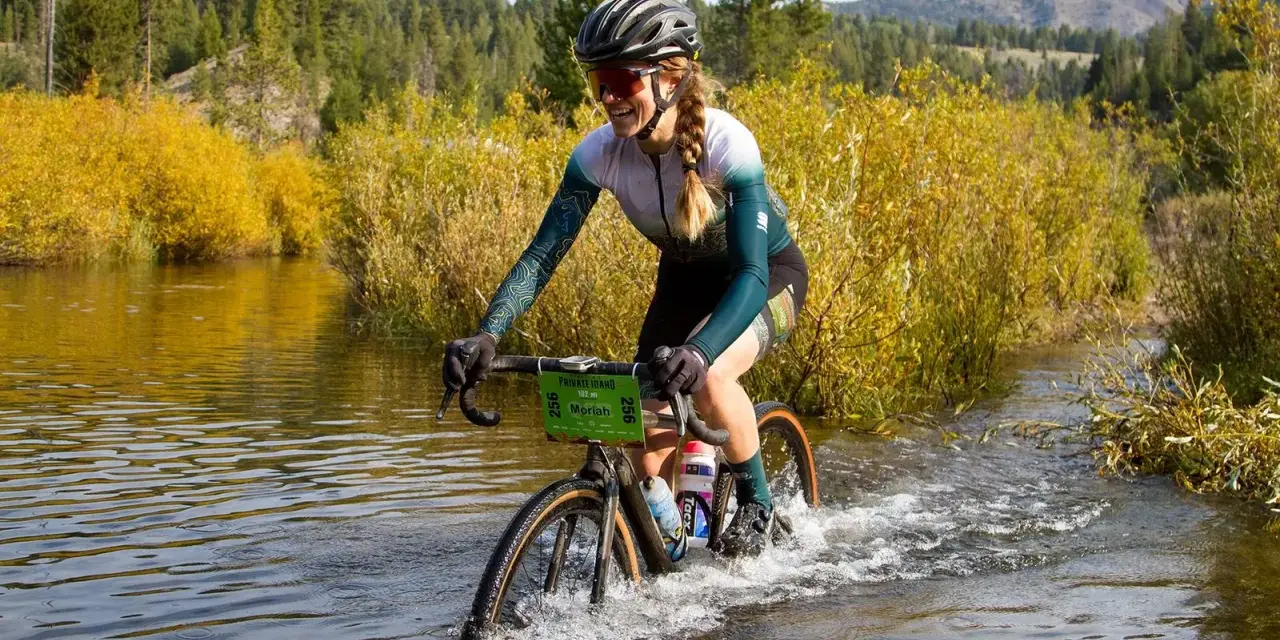
Wilson’s story matters because she was far more than a tragic name in a court case. She came through an athletic background, moved from skiing into cycling, and then made a remarkably fast jump into professional gravel and mountain bike racing. In a short period, she turned into one of the most respected riders in that scene, which is why so many cyclists still talk about her as a rider with unfinished business.
What stands out to me is how quickly she adapted. That kind of rise is rare in cycling. Most riders spend years learning race craft, pacing, positioning, and how to handle pressure over long distances. Wilson compressed that learning curve, and that is part of why her legacy still feels immediate. For road cyclists, the lesson is simple: fitness matters, but race intelligence, resilience, and consistency matter just as much. That distinction is the key to reading the rest of the story clearly.
Why Kaitlin Armstrong appears in the same search results
This is where the search intent gets messy, because people often want a comparison but the relationship is not symmetrical. Wilson was the athlete. Armstrong was the person convicted in the criminal case, and that difference matters if you want to understand the topic honestly. I would not frame this as two cyclists on equal footing, because that is not what the record shows.
| Person | Role in the story | Cycling connection | Why it matters to readers |
|---|---|---|---|
| Moriah Wilson | Elite rider and the victim in the case | Gravel and mountain bike racer with a rapid rise | Represents talent, ambition, and the human side of competitive cycling |
| Kaitlin Armstrong | Convicted in connection with Wilson’s murder | Not an athlete in the same sense, despite being linked to the cycling world through the case | Explains why this story is remembered far beyond the courtroom |
By January 2026, Armstrong’s conviction had been upheld on appeal, so the legal record still points in one direction. That matters because it closes off the wishful-thinking version of the story and keeps the focus where it belongs, on the athlete who was lost and the consequences that followed. Once you separate the people, the timeline of the case makes more sense.
What happened and why cycling paid attention
Wilson was killed in Austin in May 2022, shortly before a race where she was considered one of the favorites. Armstrong was later captured after fleeing to Costa Rica, and in November 2023 she was convicted and sentenced to 90 years in prison. Those are the hard facts, and they are enough to explain why the case hit the cycling world so hard without adding anything sensational.
The deeper reason it resonated is that cycling is unusually social and unusually mobile. Riders share houses, travel for race weekends, arrive late to unfamiliar places, and spend a lot of time making decisions in public and semi-public spaces. When a tragedy happens inside that ecosystem, people feel it beyond the result sheet. In my view, that is why the story spread so far outside gravel racing and into road cycling, too. It forced a lot of riders to think about their routines, not just their results. That is where the practical side of the story starts, and it is the part road cyclists should not ignore.
The road-cycling lessons that actually transfer
If I were turning this story into advice for a rider, I would keep it practical and boring. Boring habits are what work when you are tired, traveling, or racing somewhere unfamiliar. The point is not to ride afraid. The point is to make your routine harder to disrupt.
| Habit | Why it helps | Best use case |
|---|---|---|
| Share your route and expected return time with one trusted person | Creates a simple check-in system if a ride runs long or something goes wrong | Solo road rides, early-morning training, unfamiliar routes |
| Use visible kit and working lights when conditions are poor | Makes you easier to notice in traffic and at intersections | Commutes, dawn starts, dusk finishes, rainy days |
| Keep social posts delayed until after the ride or race | Reduces unnecessary public exposure of your exact location | Travel weekends, race trips, long solo training blocks |
| Lock bikes and vehicles every time, even on quick stops | Prevents the most avoidable losses, which are often the most expensive | Coffee stops, hotel parking, team transport, event villages |
| Confirm lodging details and emergency contacts before you leave | Removes confusion when you arrive tired or late | Stage races, gran fondos, destination training camps |
Those habits are not dramatic, but they are the kind that separate a well-managed athlete from a vulnerable one. For road cyclists, the details matter more than the headline. A clean check-in habit, a visible setup, and a little discipline around travel can save a lot of trouble, especially when your race week includes unfamiliar roads, unfamiliar rooms, and unfamiliar people.
How Wilson’s legacy is still being carried forward
Wilson should not be remembered only for what was taken from her. Her family’s foundation keeps her name tied to something constructive, especially access to recreation, sports, and education. That is a fitting response because it keeps the conversation on participation, not just loss. It also reflects the part of cycling that works best when it is healthy: community, inclusion, and the simple joy of getting people on bikes.
For riders, that legacy has a practical edge. It is easy to say a tragedy “changed the sport,” but the real change happens when teams, clubs, and individual cyclists act differently afterward. They check in more often. They travel more thoughtfully. They take younger riders more seriously. They think about how a ride environment feels to the next person, not just to themselves. That is the part worth keeping when the headlines fade.
What I would keep in mind before the headline fades
- Wilson was the athlete, and her career deserves to stand on its own.
- Armstrong is part of the legal and criminal history of the case, not a sporting peer.
- The most useful lesson for cyclists is not fear, but better habits around visibility, planning, and travel.
If I had to reduce the whole story to one clean takeaway, it would be this: the sport lost a gifted rider, and the rest of us should answer that loss with better care, better routines, and a stronger sense of responsibility for one another on and off the bike.