
The fastest way to build a stronger fantasy squad is to match rider type to stage type
- The official game currently uses a 120-star budget, 8 base transfers, and extra-transfer quizzes.
- GC riders are the safest foundation, but sprint-heavy routes still need fast finishers who can cash in on flat stages.
- Mountain days, time trials, and team time trials can completely change which riders are worth paying for.
- Transfers matter more than many new players expect, especially once crashes, fatigue, and abandons start shaping the race.
- Private leagues are easier to win when you stay disciplined and avoid chasing every obvious favorite.
How the Tour de France fantasy format actually works
The official game is built around a simple idea: you get a limited budget, a limited number of changes, and a long race that keeps changing shape. That is what makes it interesting. The current setup gives you 120 stars to spend, 8 base transfers to adapt during the race, and quizzes that can unlock up to 2 extra transfers. There is also a stage-winner bonus that doubles one rider’s stage points, which means timing matters nearly as much as rider quality.
I like that structure because it rewards real cycling knowledge instead of just name recognition. You are not only choosing the biggest stars. You are deciding whether a sprinter is worth more than a climber on the next three stages, whether a time trial specialist is worth a premium, and whether it is smarter to hold a transfer for later or fix a weak spot now. That is the fantasy version of road cycling: pacing, patience, and the occasional aggressive move.
For a U.S. fantasy sports audience, the easiest way to think about it is this: it is part salary-cap game, part stage-by-stage matchup game, and part endurance test. If you treat it like a weekly lineup contest, you will burn transfers too early. If you treat it like a season-long draft with no flexibility, you will get trapped by the route. The right mindset sits in the middle. That leads straight into roster construction, because the best budget plans usually start with rider roles rather than rider fame.
The rider mix that usually wins leagues
I rarely start by asking who the biggest names are. I start by asking what kind of points the route is likely to produce. In most grand-tour fantasy games, the strongest squads are balanced enough to score on several terrain types, but still concentrated enough to win the most valuable stages.
| Rider type | When they matter most | Why they are useful | Main risk |
|---|---|---|---|
| GC leader | Mountains, time trials, overall standings | Consistent points across three weeks and strong top-end value | Expensive, vulnerable to crashes, and sometimes over-owned |
| Sprinter | Flat stages and some intermediate sprints | High upside on the right days and often a clean route to stage points | Can become dead budget on mountain-heavy blocks |
| Puncheur or breakaway rider | Hilly stages and selective sprint finishes | Can punch above budget on unpredictable stages | Harder to predict and less reliable in controlled sprints |
| Time trial specialist | Individual time trials and strong early GC blocks | Can make a big jump on one stage and keep steady value | Only pays off when the route gives the discipline room to matter |
| Domestique or helper | Team time trials and team-based bonus systems | Sometimes cheap, sometimes underrated, and occasionally points through support actions | Usually lower ceiling than headline leaders |
The practical lesson is simple: do not build a roster full of riders who only score in the same conditions. I like at least one premium GC option, one or two sprint threats, a couple of adaptable hilly-stage riders, and enough budget left to avoid forced filler. That mix gives you room to react when the route turns. And once you understand the rider mix, the stage profile becomes the real steering wheel.
Why stage profiles matter more than name value
Road cycling is a terrain game before it is a star game. A rider can look elite on paper and still be nearly useless on a given day if the stage does not match his strengths. That is why I check the route before I check social media buzz.
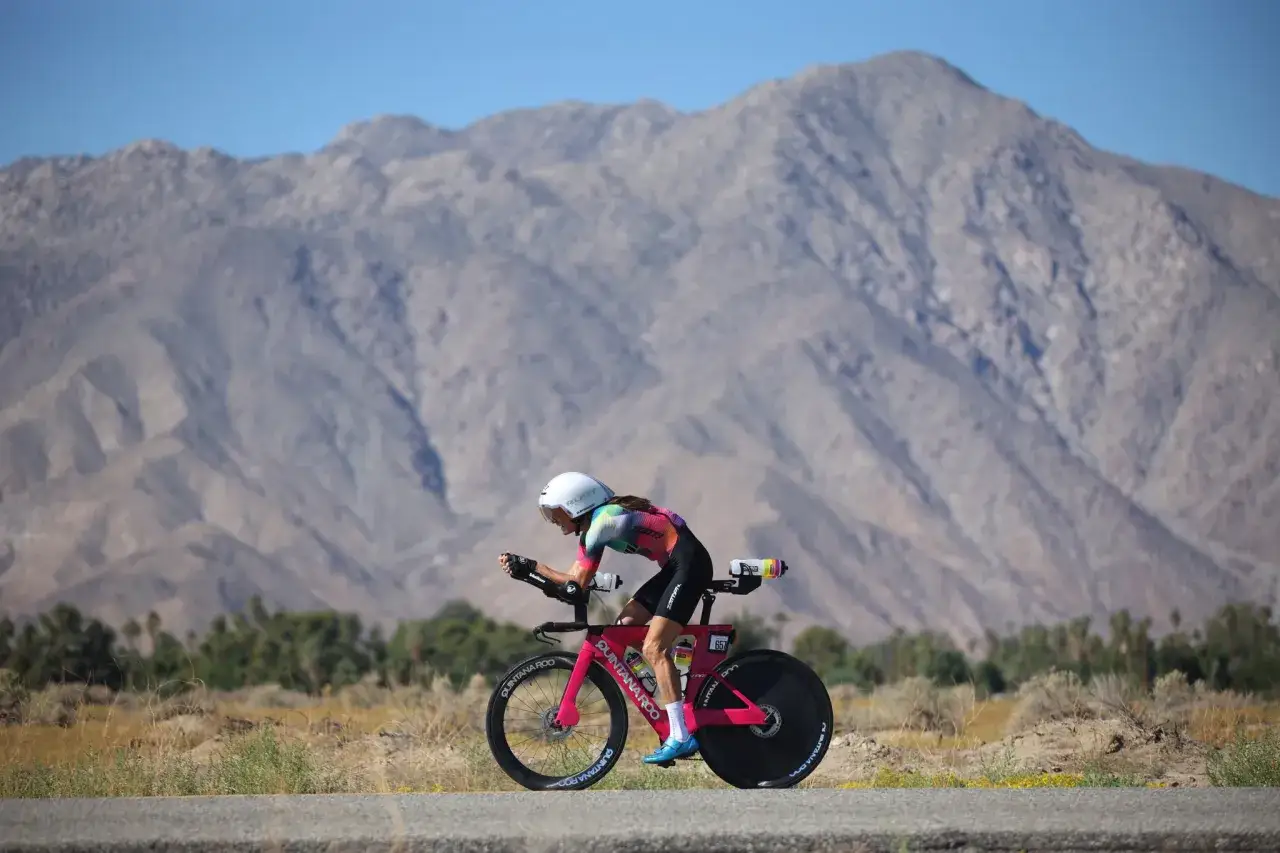
The official Tour site lists the 2026 opener as a team time trial in Barcelona, and that detail matters. A team time trial rewards coordinated squads, not solo brilliance, so riders from cohesive teams can open the race with an edge. After that, the race usually splits into different value zones: flat stages for sprinters, hilly days for attackers and puncheurs, summit finishes for climbers, and time trials for riders who can hold power against the clock.
Here is the quick way I map stage types to fantasy priorities:
| Stage type | Best fantasy targets | What I try to avoid |
|---|---|---|
| Flat sprint stage | Top sprinters, strong lead-out teams, riders with reliable finishing speed | Pure climbers and expensive all-rounders with little sprint upside |
| Hilly stage | Puncheurs, breakaway threats, versatile GC riders | One-dimensional sprinters who lose time before the finale |
| Mountain stage | Pure climbers, GC contenders, attackers with repeated acceleration | Heavy sprinters and riders likely to simply survive |
| Individual time trial | TT specialists and GC leaders with real aero power | Riders who rely on chaotic group racing to score |
| Team time trial | Strong team units, well-drilled GC squads, riders with reliable support | Isolated stars on weak teams |
That is why the smartest squads usually feel boring at first glance. They are not chasing every headline name. They are built for the next three or four stage profiles. Once you start thinking that way, transfers become a lot more valuable, because each change should solve a real route problem rather than a mood swing.
How I plan transfers without chasing noise
Transfers are the real currency of the game. A lot of new managers spend them like free chips, then regret it when the race turns ugly. I prefer a slower hand. If the next two or three stages clearly suit my roster, I usually sit still. If not, I move early enough to capture points, but not so early that I lose flexibility.
My general rule is to keep at least one transfer in reserve before the hardest week unless the route clearly forces an upgrade. That reserve is useful for three common problems: a rider crashes out, a team abandons sprint plans, or the race shape changes faster than expected. If you earn extra transfers through the quiz sessions, I would be conservative with them. They are most useful in the back half of the race, when fatigue, weather, and mountain transitions create bigger gaps between good picks and bad ones.
When I do use a transfer, I want it to do one of four things:
- Bring in a rider who fits the next stage block better than the one leaving.
- Replace a rider who is likely to lose points for several stages in a row.
- Upgrade a mid-budget pick whose role has expanded after the first week.
- Support a stage-winner bonus play when a stage has a clear favorite and low chaos risk.
The mistake I avoid most is treating transfers as a way to keep the team pretty. They are for protecting points and attacking the route. That difference sounds small, but it usually separates managers who merely finish from managers who actually compete.
The mistakes that cost points faster than bad luck
Some losses are inevitable in a three-week race. Others are self-inflicted. The best thing about fantasy cycling is that many of the common mistakes are visible early, which means you can avoid them once you know what to watch for.
- Overloading on one rider type. Five climbers look great until the race hits three straight sprint stages.
- Paying for reputation instead of role. A famous name is not valuable if his job is to survive and support.
- Ignoring team strength. In stage racing, support matters. A rider with a strong squad often scores more cleanly than a solo talent on a weak one.
- Using the stage-winner bonus too early. Doubling points on a chaotic stage can be a coin flip if the sprint is messy or the breakaway sticks.
- Burning transfers for tiny gains. A one-stage improvement is not worth losing flexibility for the next hard week.
- Not checking the start list. Late injuries and lineup changes happen, and they can ruin a perfectly good plan if you are not paying attention.
I also think people underestimate fatigue. A rider who looks excellent in week one can become far less useful by the final mountains, even if he never officially goes wrong. That is why I value durability, team role, and route fit just as much as raw podium upside. Once you stop chasing only the biggest number next to a rider’s name, the game gets a lot easier to manage.
The race-week routine I would use to stay competitive
If I were entering this competition today, I would keep the weekly process simple and repeatable. I would not try to solve the whole three-week race on day one. I would build a team that can score immediately, then revise it at the natural pressure points in the route.
- Map the next four stages before locking the lineup.
- Keep at least one premium GC rider, one sprint anchor, and one flexible attack-oriented rider in the core group.
- Use transfers only when the next block clearly favors a different rider profile.
- Save bonus mechanics for stages where the favorite is obvious and the finish is controlled.
- Re-check injuries, withdrawals, weather, and route changes every morning.
That routine works because it respects how grand tours actually unfold. The race punishes impatience, but it also rewards managers who stay alert. If you want the simplest edge, build for the stage profiles in front of you, not the rider names that sound biggest on paper. That is the difference between a team that survives the Tour and one that stays in the mix until Paris.