What matters most from her road cycling story
- Her career shows that track power becomes road speed only when it is paired with pacing, aerodynamics, and endurance.
- Her road time-trial success is the clearest proof that a track specialist can be dangerous outside the velodrome.
- For most riders, threshold work and aerobic volume matter more than chasing extra sprint sessions.
- The fastest gains usually come from fit, tire choice, pressure, and position before expensive upgrades.
- The biggest mistake is copying elite intensity without elite recovery, fueling, or support.
Why her career still matters on the road
Rowsell built her reputation on the track, but that is exactly why road cyclists should pay attention. Track riders live and die by repeatable power, precision in the aero position, and the ability to hold a hard effort without drifting. Those are the same qualities that decide whether you can stay with a breakaway, ride a strong time trial, or finish a hard fondo with something left in the legs.
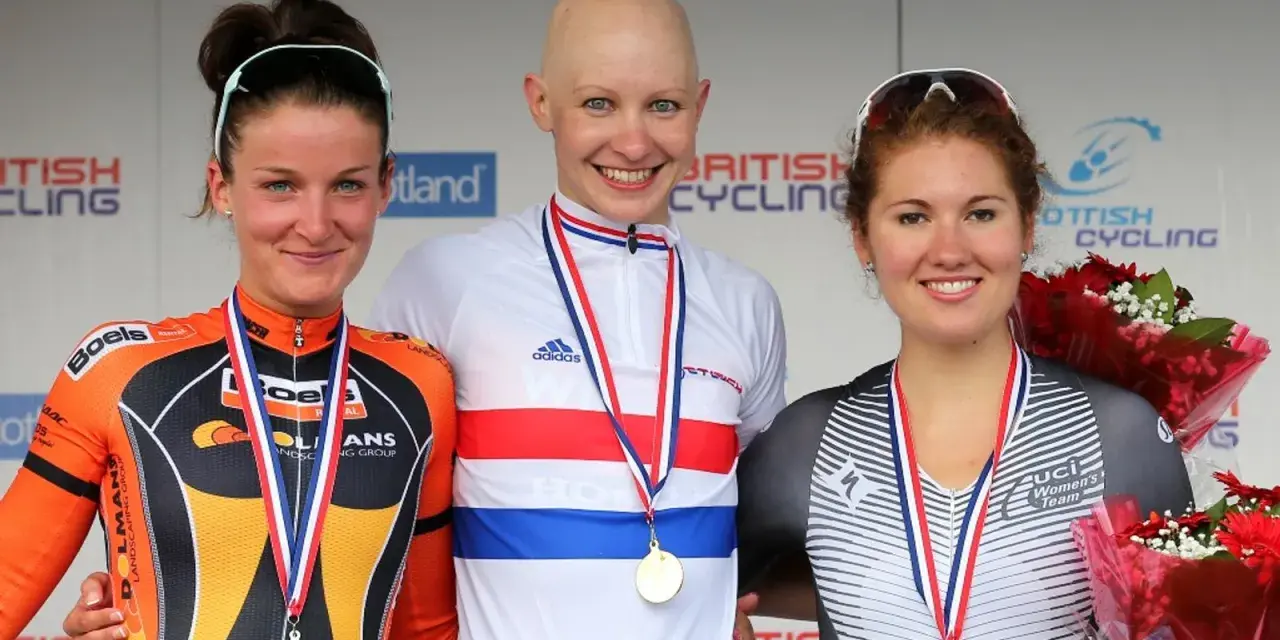
What I find useful is that her results prove the crossover is real, not theoretical. She was not only fast indoors; she also won on the road, which tells me the engine was large enough and the discipline was there. For a U.S. rider, that matters whether your target is a local 10-mile TT, a hilly century, or a criterium with a long drag to the line.
The first lesson is simple: road speed is rarely about one magical workout, and it is almost never about brute force alone. It is about building a body that can repeat hard efforts without wasting energy, and that leads directly into the parts of track racing that transfer best.
What transfers from track racing to road racing
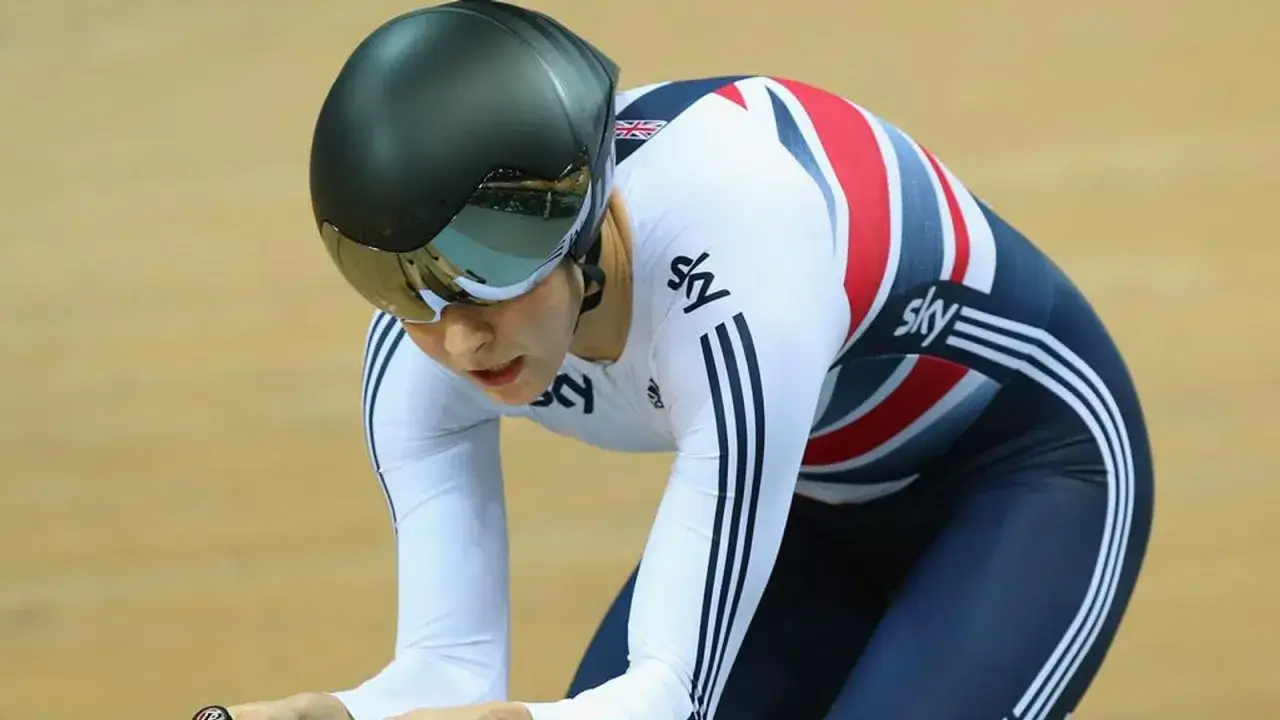
Team pursuit is a sustained effort done with millimetre-level discipline. On the road, that translates into a few habits that matter more than most riders admit: holding steady power, staying relaxed in an aerodynamic position, and knowing when not to surge. That kind of control is often the difference between riding efficiently and burning matches too early.
- Pacing. A track rider learns quickly that wasted watts are expensive. On the road, that means resisting the urge to attack every rise or sprint out of every corner.
- Aerodynamics. A low frontal position and a calm upper body reduce drag. You do not need a pro-level position to benefit from the idea.
- Repeatability. The ability to recover between hard efforts helps in climbs, attacks, and fast group rides.
- Pressure management. Fast races reward riders who do not panic when the pace changes or the road tilts up.
- Technical discipline. Clean lines, smooth braking, and measured accelerations save energy over a long ride.
Not everything transfers cleanly. Fixed-gear simplicity does not replace road handling, and a pure sprint mindset can leave endurance undertrained. That is why the track-to-road crossover is useful only when it is filtered through the demands of real road riding, which is the part most amateurs need to train next.
How I would structure training around that kind of engine
If I were coaching an amateur rider after studying Rowsell’s style of racing, I would build the week around a small number of high-quality sessions rather than random intensity. The goal is not to ride hard all the time. The goal is to raise the ceiling while keeping enough freshness to adapt.
| Training focus | Example session | Why it works | Common mistake |
|---|---|---|---|
| Aerobic base | 2 to 4 hours at conversational effort | Builds all-day efficiency and makes harder sessions more productive | Turning every endurance ride into a tempo ride |
| Threshold work | 2 x 20 minutes or 3 x 15 minutes at roughly 88 to 94 percent of FTP | Raises sustained power for climbs, TTs, and breakaways | Starting too hard and fading badly |
| VO2 max work | 4 x 5 minutes or 5 x 4 minutes at about 110 to 120 percent of FTP | Improves attack response and short climbing ability | Stacking too many intervals before recovery is ready |
| Neuromuscular speed | 6 to 8 x 10 second sprints with full recovery | Preserves snap without turning the session into junk fatigue | Doing them while already tired |
FTP means Functional Threshold Power, which is the highest power you can hold for roughly an hour. If you do not use a power meter, use breathing and perceived effort instead: easy means you can talk normally, threshold means short phrases, and VO2 work means only a few words at a time. I would rather see a rider execute four sessions cleanly than force seven mediocre ones.
That approach also explains why elite track riders can look so controlled in road time trials. Once the engine is built, the next question is how to express it over a course that never feels exactly the same twice.
Why time trialing is the cleanest road lesson from her
Her national time-trial win matters because it shows how well a track engine can work when the course is short, hard, and honest. Time trialing punishes sloppy pacing, poor position, and overconfidence in the first ten minutes. The pattern is often unglamorous: start controlled, settle into the effort, and finish stronger than you thought you could.
That is the part I would borrow first if I were helping a road rider get faster. On a 20- to 25-mile effort, the first climb or headwind section is often where people make the mistake of chasing a feeling instead of holding a plan. A good time trial is usually built around restraint, not ego.
- Warm up long enough to raise body temperature and open the legs, usually 20 to 30 minutes for amateurs.
- Keep the first five minutes controlled, even if the adrenaline says otherwise.
- Rehearse the course if you can, especially wind direction, corners, and climbing sections.
- Use a gear and position you can hold comfortably for the full effort, not just the first minute.
- Fuel early for longer efforts, because underfueling makes pacing drift late in the ride.
If you ride time trials in the United States, this same logic applies whether the course is a flat out-and-back, a rolling rural loop, or a short hill-climb test. The discipline is the same even when the terrain changes, and that discipline carries straight into the gear choices that support it.
The gear choices that move the needle first
For most amateurs, the order matters more than the catalog. I would rather see a rider on a well-fitted bike with fast tires than on an aero frame that never quite fits. The best upgrades are the ones that save energy every minute you are riding, not the ones that only look fast in a product photo.
| Priority | Why it matters | Practical target |
|---|---|---|
| Bike fit and contact points | Comfort and stability usually save more speed than a lighter frame | Dial in saddle height, reach, cleat position, and hand comfort first |
| Tires and pressure | Rolling resistance is one of the cheapest speed gains available | Modern 28 to 32 mm tires often run well below the old 100 psi rule; exact pressure should match rider weight and road surface |
| Clothing and helmet | Drag adds up fast over time | Choose smooth, close-fitting kit and a helmet that suits your position |
| Power meter or reliable heart-rate monitor | Pacing becomes much more repeatable | Especially useful for structured training and time trials |
| Wheels | Helpful, but usually after the basics are fixed | Buy last, not first |
If I had to choose one area where road riders overspend, it is here. They upgrade wheels before they upgrade fit, or they chase aero gains before they know their pressure and position are right. The better habit is to make the bike disappear under you, then start hunting for the next efficiency gain.
Once the setup is sensible, the next thing to get right is avoiding the training mistakes that quietly erase all those gains.
Where riders usually copy elite habits the wrong way
The biggest mistake is assuming that more intensity automatically means more progress. Elite track riders can survive dense quality because their volume, recovery, and support are built around it. Most amateurs do not have that structure, so copying the surface of elite training without the base underneath usually backfires.
- Too much hard work. If every ride becomes a race, your fitness stops adapting and starts accumulating fatigue.
- Not enough endurance. Sprint sessions are useful, but they do not replace long aerobic rides.
- Poor fueling. Underfed riders mistake low energy for low fitness and start chasing the wrong fix.
- Buying before fitting. A better position or tire setup often produces more speed than a shiny upgrade.
- Copying cadence without context. Smooth pedaling matters, but the right cadence depends on terrain, wind, and effort duration.
A simple warning sign is this: if your easy ride keeps drifting into tempo, you are probably training too hard to recover well. I tell riders to look for freshness at the start of key sessions, because that is usually where the real quality shows up. With that in place, the lesson from Rowsell’s career becomes practical rather than inspirational only.
The most useful lesson for your next road block
If I had to reduce her career to one coaching note, it would be this: build an engine that can repeat hard efforts, then protect it with disciplined pacing and recovery. That is useful whether you are preparing for a hilly century, a local criterium, or a short time trial. The details change, but the pattern does not.
My practical version of that pattern is simple:
- One long endurance ride each week.
- One threshold session with controlled pacing.
- One short speed session to keep snap alive.
- One ride focused on handling, braking, and cornering.
- At least one recovery day that stays truly easy.
That is the real value of studying Rowsell on the road. Her career is not a cue to train like a track sprinter all year; it is proof that precision, pacing, and patience create transferable speed. Get those three things right, and the rest of your road cycling decisions become much easier to judge.