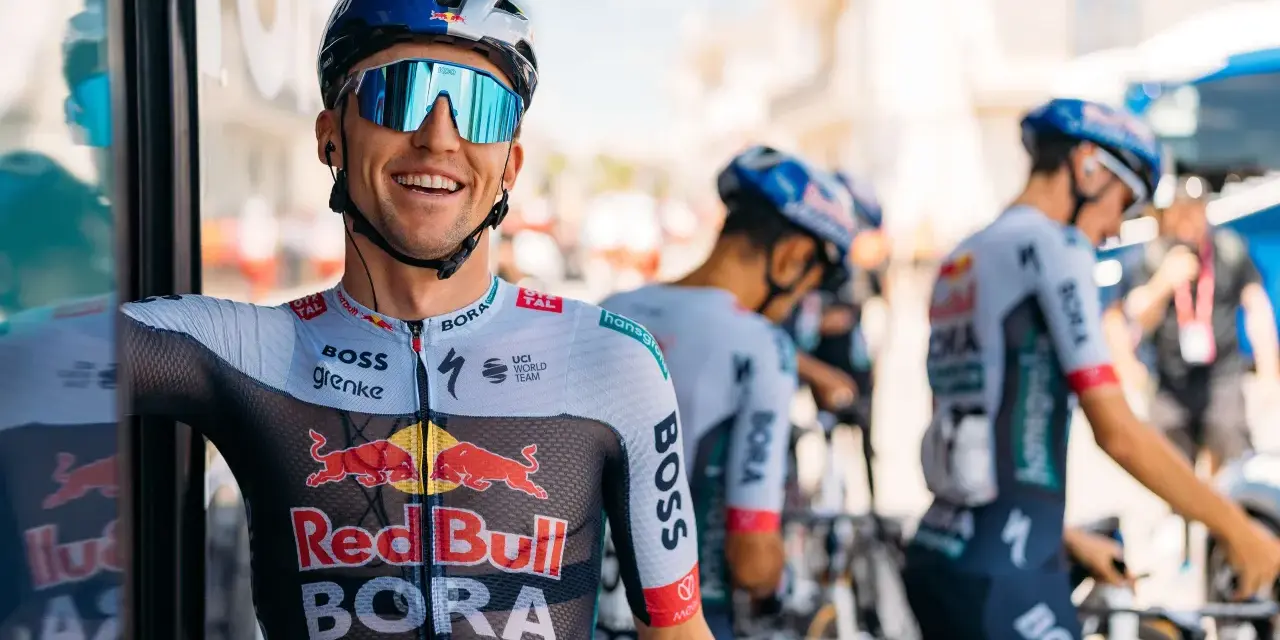
A Vuelta rest day is less about stopping than about surviving the next block of racing. In a three-week Grand Tour, that pause is where riders recover, mechanics reset bikes, soigneurs do the quiet work, and the general classification often gets its first real reshuffle. For 2026, the schedule includes two rest days, so understanding them helps you read the race rather than just watch it.
What matters most about rest days in La Vuelta
- La Vuelta 2026 runs for 21 stages and includes two rest days, so recovery is built into the race design.
- The pauses fall on 31 August and 7 September, right after Stage 9 and Stage 15.
- A rest day is usually active recovery, not a full day off.
- The stage after the break often feels different because riders return with uneven freshness and race rhythm.
- For amateur road cyclists, the best lesson is simple: recover without going completely inactive.
What a rest day in La Vuelta actually means
When people hear "rest day," they often imagine a complete pause. In cycling, that is only partly true. Riders still eat on schedule, spin the legs lightly if the team wants it, do treatment, and often handle media or travel. The real goal is to cut training stress without letting the body go stale.
| Day type | Main purpose | Load on the rider | What changes for fans |
|---|---|---|---|
| Race day | Race for position and time | High | Live action, results, GC shifts |
| Rest day | Recover and reset | Low to moderate | Fewer live race moments, more analysis |
| Transfer day | Move the race to the next host town | Low, but logistically busy | Schedule changes and travel updates |
I find this distinction useful because it prevents one common mistake: treating a rest day like an empty calendar square. It is better described as a controlled recovery window, and that is why it can influence the next stage so much. Once you see it that way, the next question is how the teams spend it in practice.
How the teams use the day off
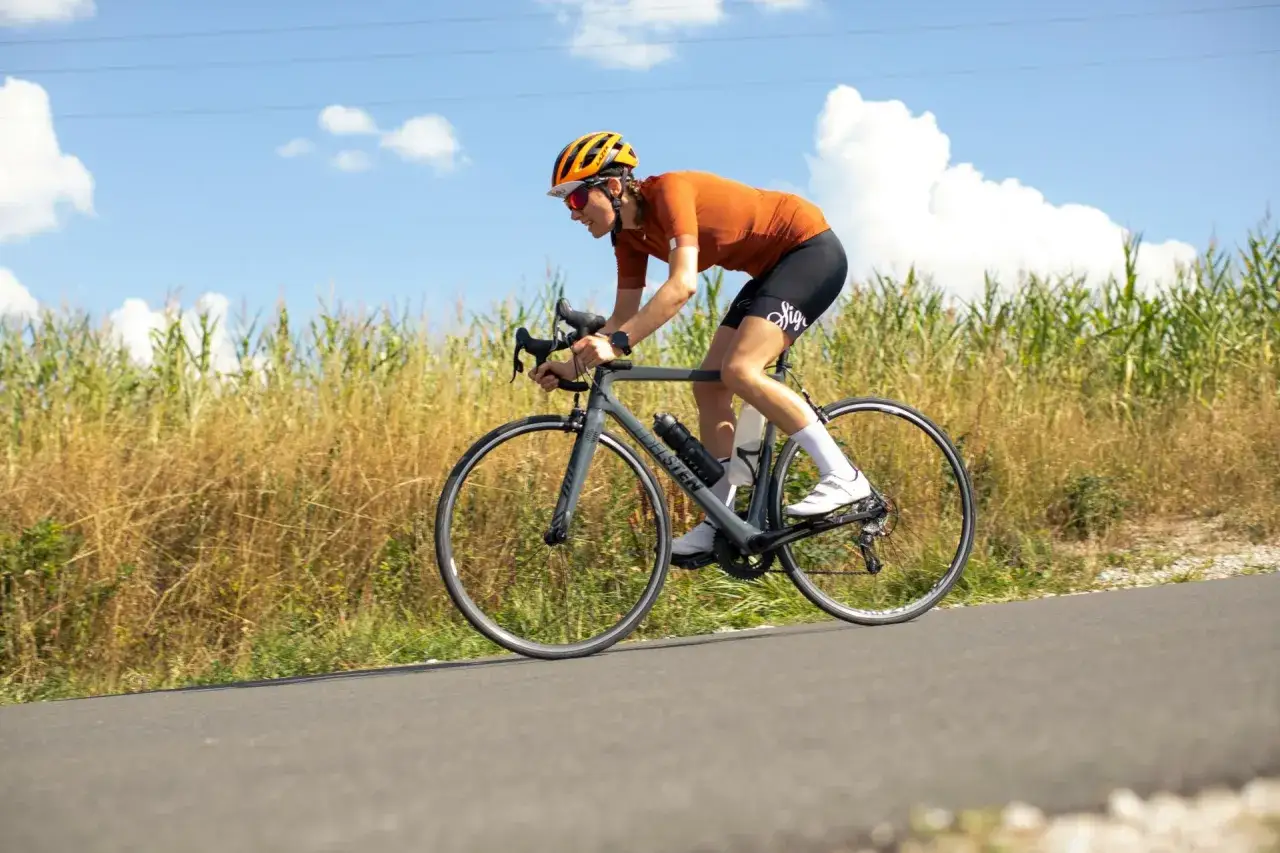
Inside a Grand Tour, rest-day routines are built around recovery, not leisure. Riders usually start with a short wake-up spin or a complete off-bike morning, depending on how hard the previous block was and how individual bodies respond. From there, the day is a mix of physio, nutrition, bike checks, and team meetings that keep the race from drifting into chaos.
Recovery work that actually matters
Massage, stretching, compression, and simple mobility work do more than make riders feel better. They keep muscles from locking up after nine or more days of racing and they help staff catch small problems before they become stage-ending issues. I would argue this is where good teams earn real value: not by doing something flashy, but by removing friction.
Read Also: Tour de France Fantasy - Win Your League With This Strategy
Logistics and race control
Rest day is also when the race moves. Hotel changes, transfers, media commitments, route checks, and mechanical prep all happen at once. A rider who finishes the day with clean kit, a tuned bike, and the right fueling plan starts the next stage with a measurable advantage, even if it never shows up in a highlight package.
That behind-the-scenes rhythm matters because the racing itself rarely returns at the same pace. The next section explains why the stage after a rest day often feels sharper and stranger than the stage before it.
Why the stage after the pause often changes the race
The first stage after a rest day is rarely neutral. Some riders come back fresher; others come back stiff, slightly flat, or mentally slow to respond. That difference is enough to alter breakaway formation, climbing pace, and how aggressively GC teams defend their position.
| Rider type | What the rest day can do | What usually matters next |
|---|---|---|
| GC leaders | Helps them absorb fatigue, but can dull race rhythm | Need early focus and clean positioning |
| Sprinters | Often benefit if the next stage is controlled | Positioning and team lead-out timing |
| Breakaway riders | May target the rebound stage if the peloton is cautious | Early moves and timing |
| Domestiques | Recovery can be partial after days of hard support work | Staying calm and efficient in the first hour |
In my view, the most misleading part of rest-day coverage is the assumption that everyone returns equally refreshed. That is not how Grand Tours work. The riders who adapt fastest to the break, not necessarily the ones who slept best, are the ones who usually look strongest on the road. That idea is just as useful for amateur cyclists, which brings me to the practical lesson hidden inside all of this.
What road cyclists can learn from it
A lot of amateur riders copy the wrong part of a pro rest day. They think the lesson is to do nothing, when the better lesson is to reduce load without losing rhythm. If I were planning my own recovery day after a hard block, I would keep the structure simple: sleep more, eat properly, stay lightly mobile, and avoid the temptation to turn a recovery day into a secret training day.
- Keep movement easy: a 30-60 minute spin is enough for many riders, and sometimes full rest is the better call.
- Prioritize food and fluids: recovery falls apart quickly if you under-eat after a hard stage or long ride.
- Check the bike: clean drivetrain, tire pressure, brake wear, and shifting quality are worth more than people think.
- Use the next session to rebuild rhythm: start with endurance pace before you ask for intensity again.
- Be honest about fatigue: if the legs feel empty, the rest day should stay a rest day.
This is where the Vuelta becomes useful beyond the pro race itself. The same recovery logic that protects a WorldTour rider also helps a club cyclist avoid digging a deeper fatigue hole. Once that is clear, the rest day becomes easier to follow as a fan, especially if you are watching from the United States.
How to follow the race from the United States on a rest day
For U.S. viewers, the rest day is not dead time; it is the best moment to catch up. The live stage schedule pauses, but team interviews, route analysis, injury updates, and tactical previews usually fill the gap. If you follow cycling in the evening, rest-day coverage is often the first point where you can step back and read the race instead of only reacting to it.
- Check the next stage in Eastern Time first, because West Coast viewers often see the key moments a few hours later.
- Use the pause to study the route profile, not just the start time; terrain tells you more than the start list does.
- Expect less live drama but more useful context, especially around GC gaps, fatigue, and team strategy.
I also think rest days are underrated for travel planning. If you are building a cycling trip around a Grand Tour, these pauses are the cleanest window for moving between host cities, sightseeing without missing a finish, or changing accommodation with less rush. The same applies to fans who just want to follow the race efficiently: use the pause to study the next terrain, because that is usually where the interesting moves happen.
Why the 2026 schedule gives the rest days real weight
The 2026 edition runs from 22 August to 13 September, covers 21 stages and 3,275 kilometers, and places its rest days on 31 August and 7 September. That means the first pause arrives after Stage 9, while the second comes after Stage 15, right before the final block that decides the race. In practical terms, the riders do not get a luxury break; they get a checkpoint.
That timing matters because the second half of the race compresses the decisive terrain into a shorter window. If the early mountains have already exposed weak legs, the rest day gives contenders one last chance to stabilize. If the GC is still tight, the same pause can sharpen the tension, because everyone knows there is less room left to recover from a bad day. For that reason, I read the rest days as part of the race design, not as an interruption to it. They tell you where the organizers expect fatigue, travel, and tactical pressure to peak, and that is often the best clue to how the final week will unfold.