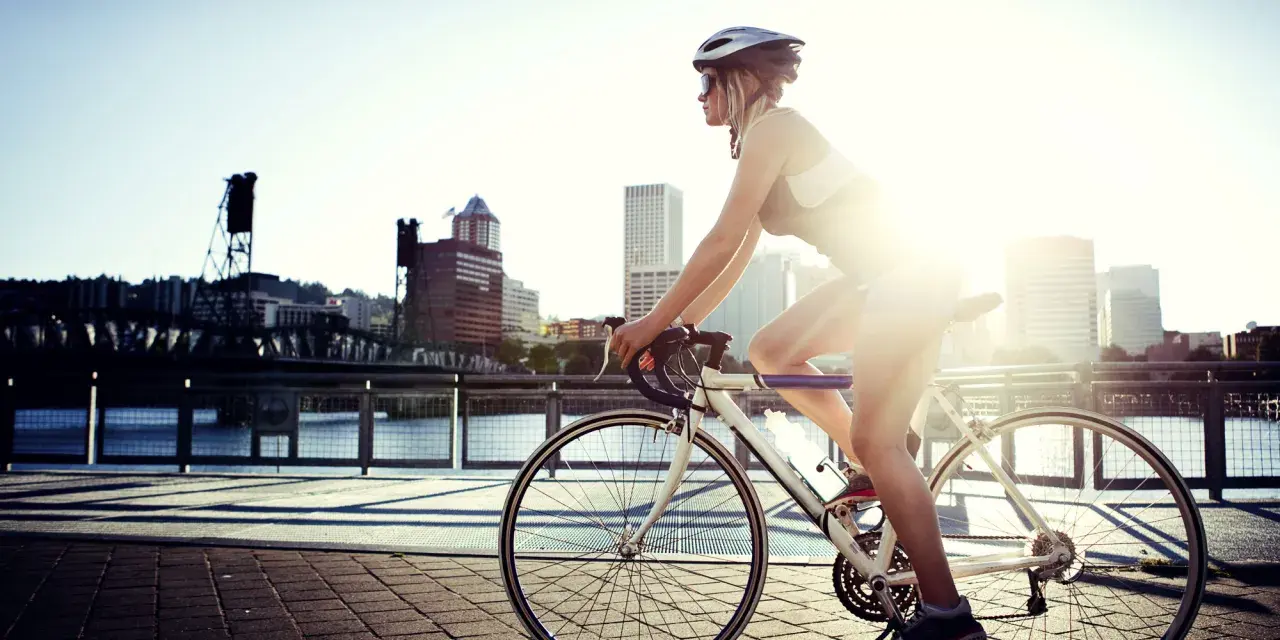
Road cycling rewards details. For a female cyclist, the difference between loving the sport and quitting after two rides usually comes down to fit, comfort, and a few smart habits. This article focuses on the practical choices that matter most on U.S. roads: choosing the right bike, setting it up properly, buying gear that actually helps, training with purpose, and staying safe in traffic.
The fastest gains come from fit, visibility, and simple road skills
- Fit first. Saddle height, reach, and bar position matter more than frame bragging rights.
- Buy for contact points. Bib shorts, saddle shape, and shoes change comfort faster than a new wheelset.
- Train consistently. One endurance ride, one quality session, and one skill ride each week is enough for real progress.
- Carry the basics. A tube, levers, a pump, and a multitool solve most roadside issues.
- Ride visibly. Rear lights and predictable line choice matter on busy American roads.
What matters most when you start on the road
I look at three things first: position, control, and consistency. If those are in place, road cycling feels smoother almost immediately; if they are not, even a good bike can feel awkward and tiring. Speed comes later.
- Position: You should be able to hold the hoods with relaxed shoulders, breathe normally, and keep pressure off your hands.
- Control: Braking, cornering, and riding in a straight line matter more than average speed on your first rides.
- Consistency: Two or three manageable rides each week beat one heroic ride followed by five days off.
That is why I push new riders to focus on comfort before ambition. A stable setup and a calm route do more for confidence than any fancy upgrade, and that leads straight into the bike itself.
How to choose a road bike that fits your body and your goals
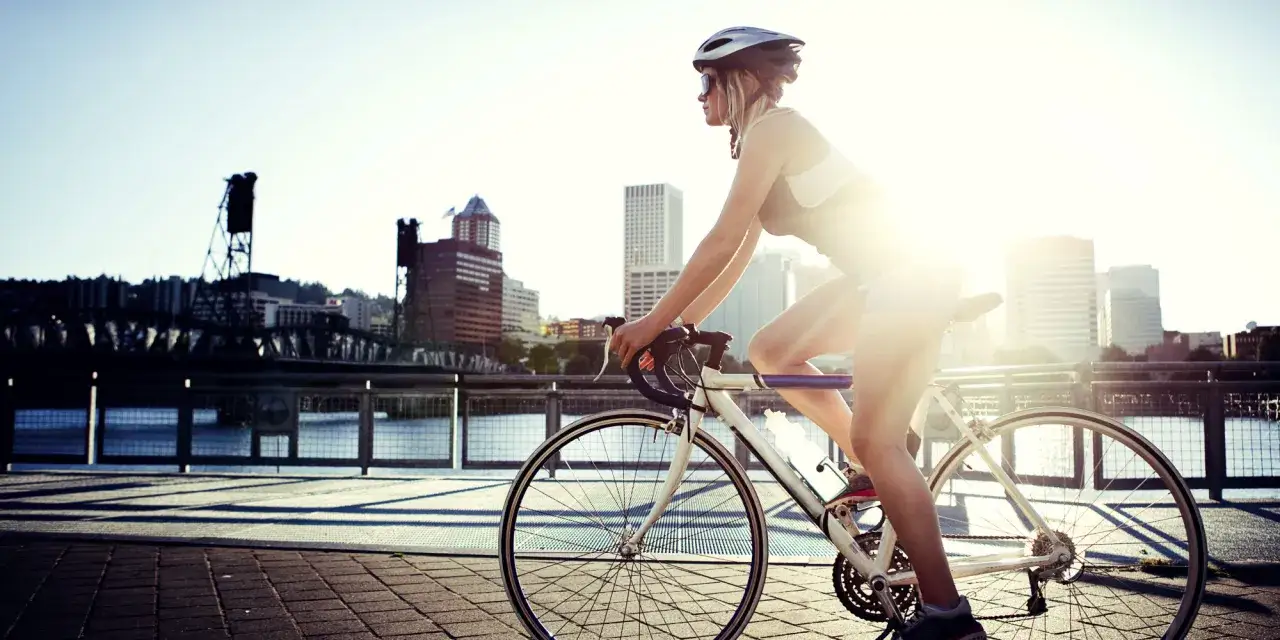
The right road bike is the one that lets you ride longer without fighting the position. I care less about labels and more about geometry, reach, and whether the bike matches how you actually ride. In practice, most riders do best on an endurance-oriented frame unless they are racing or riding very aggressively.
| Bike type | Best for | Main advantage | Main tradeoff |
|---|---|---|---|
| Endurance road bike | Beginners, long rides, mixed-quality pavement | More relaxed position and easier handling | Less aggressive feel than a race bike |
| Race bike | Fast group rides, racing, experienced riders | Sharp response and efficient power transfer | Can feel stretched or harsh on rough roads |
| All-road or gravel-leaning bike | Broken pavement, chip seal, one-bike households | More tire clearance and comfort | Usually a little heavier and less snappy |
The phrase “women’s-specific” matters less than many shoppers expect. Sometimes a women’s model has a shorter cockpit, narrower bars, or a saddle that suits a wider pelvis; sometimes it is just paint and marketing. I would rather see a rider on the correct frame size with a sensible stem and saddle than on a “women’s” bike that still fits poorly.
Use these checks before you buy:
- You can stand over the top tube without feeling cramped.
- You can reach the hoods without shrugging your shoulders.
- Your knees track cleanly, without hip rocking or toe-pointing to compensate.
- You can ride 45 to 60 minutes without numb hands, neck strain, or hot spots.
If you already know you will ride regularly, a professional bike fit is money well spent. In many U.S. shops, a fit often runs roughly $150 to $350, which is cheaper than months of trial-and-error with the wrong saddle, stem, or handlebar width. Once the frame and fit are sorted, the next decision is which contact-point gear actually makes the ride better.
Gear that improves comfort and safety without wasting money
I keep the gear list simple because road cycling punishes clutter. The first purchases should protect your head, reduce friction, keep you visible, and help you deal with a flat tire. REI is right that flat tires are the most common roadside mechanical issue, which is why I treat a spare tube and tire levers as non-negotiable.
| Item | Why it matters | Typical U.S. price range | Buy now or later |
|---|---|---|---|
| Helmet | Basic safety for every ride | $60-$150 | Now |
| Bib shorts | Reduce saddle pressure and chafing | $80-$180 | Now |
| Front and rear lights | Make you visible in daylight and low light | $30-$120 | Now |
| Spare tube, levers, mini pump | Gets you home after a puncture | $40-$90 | Now |
| Saddle or bike fit check | Solves numbness, hotspots, and knee irritation | $150-$350 | Early |
| Gloves and sunglasses | Protect hands and eyes on rough roads | $25-$100 | Soon |
Do not overbuy before you know what bothers you on the bike. Some riders need a wider saddle, some need more bar reach, and some need better shorts more than anything else. Once comfort is sorted, training becomes easier to repeat week after week.
Training that builds speed on real roads
Most riders improve faster from a simple, repeatable week than from random hard efforts. I like a structure that mixes endurance, technique, and one focused intensity session. It is boring in the best possible way, because boring is often what works.
- Endurance ride: 60 to 120 minutes at a conversational pace.
- Skill ride: 30 to 45 minutes working on starts, stops, cornering, and smooth braking.
- Quality session: 4 x 5 minutes at a hard but controlled effort with 5 minutes easy between efforts.
- Long ride: 2 to 4 hours if you are preparing for fondos, events, or long weekend routes.
On flat ground, many riders settle naturally somewhere around 80 to 95 rpm, but I care more about smooth power than chasing a perfect number. If you are bouncing in the saddle or grinding so hard that your breathing falls apart, the gear choice or effort level is off. A clean pedal stroke and stable upper body matter more than forcing a textbook cadence.
One mistake I see often is riding every session a little too hard. That leaves you tired, not fitter. If your weekly goal is to build confidence and speed, finish most rides feeling like you could have done a bit more. That reserve is what makes the next ride possible, and the next one after that.
Comfort and recovery are performance tools, not luxury extras
Road cycling feels much better when you treat comfort as part of training instead of an afterthought. Saddle comfort, hydration, and fueling affect how long you can stay sharp, especially on hot U.S. summer rides or routes that stretch past an hour and a half.
Here is the practical version I use:
- Before riding: Eat a light meal or snack 1 to 2 hours ahead if the ride will last longer than 60 to 90 minutes.
- During riding: For sessions over 90 minutes, aim for about 30 to 60 grams of carbohydrate per hour and adjust fluids to the heat.
- After riding: Get some protein and carbs within about 2 hours so recovery starts before fatigue piles up.
- For comfort: Use chamois cream only if needed, keep bibs clean and dry, and stop pretending numbness is normal.
A saddle should support your sit bones, not force you to endure pressure in the wrong place. If a position or saddle shape consistently causes numbness, chafing, or pain, change one variable at a time until you find the cause. That is usually a better answer than blaming your anatomy or buying the most expensive model in the shop.
Recovery also includes sleep and easy days, because that is where adaptation actually happens. Once your body feels taken care of, the remaining challenge is the road itself: traffic, route choice, and riding with other people.
How to handle traffic, groups, and the usual U.S. road hazards
I am a big believer in predictable riding. On American roads, drivers respond better to clear lines and obvious movement than to sudden swerves or half-hearted lane hugging. If a lane is too narrow for a safe pass, taking the lane is often the safer choice than pinching yourself into the gutter.
- Be visible: Run a rear light even in daylight, especially on busy roads or at dawn and dusk.
- Ride predictably: Hold a straight line, signal clearly, and avoid last-second lane changes.
- Choose routes with care: A slower road with lower traffic often beats a fast road with a painted bike lane.
- Watch the surface: Potholes, drainage grates, gravel, and cracked shoulders are part of the game.
- Ride smart in groups: Do not overlap wheels, call out hazards, and leave a little space when the pace rises.
Solo riders should also plan for the unglamorous parts: carry ID, a charged phone, and enough money or card access to get home if needed. I also tell riders to share a route with someone before a long ride, especially in quieter areas or unfamiliar suburbs. That small habit does more for peace of mind than most people expect.
Weather matters too. Heat, wind, and wet pavement change how hard a ride feels, and they can change how long it takes to stop. In practice, the safest route is often the one that lets you keep your attention on traffic instead of survival.
The habits I would keep all season
If I were building a season from scratch, I would keep the routine simple: check tire pressure before rides, keep the chain clean, and treat the bike like something that deserves regular attention. Mechanical neglect creates more frustration than most fitness problems ever will.
I would also keep three training habits:
- One endurance ride: to build the aerobic base that makes everything else easier.
- One skills session: to stay sharp on braking, cornering, and handling.
- One longer ride or progression ride: to stretch confidence without turning every week into a test.
The real advantage of road cycling is that progress is visible when the setup is right. Once the bike fits, the gear is sensible, and the routes are chosen with care, riding stops feeling fragile and starts feeling normal. That is the point where speed, confidence, and enjoyment begin to grow together, and it is the part of the sport I think is easiest to underestimate at the start.