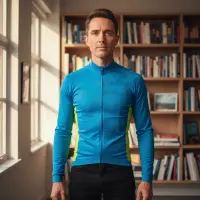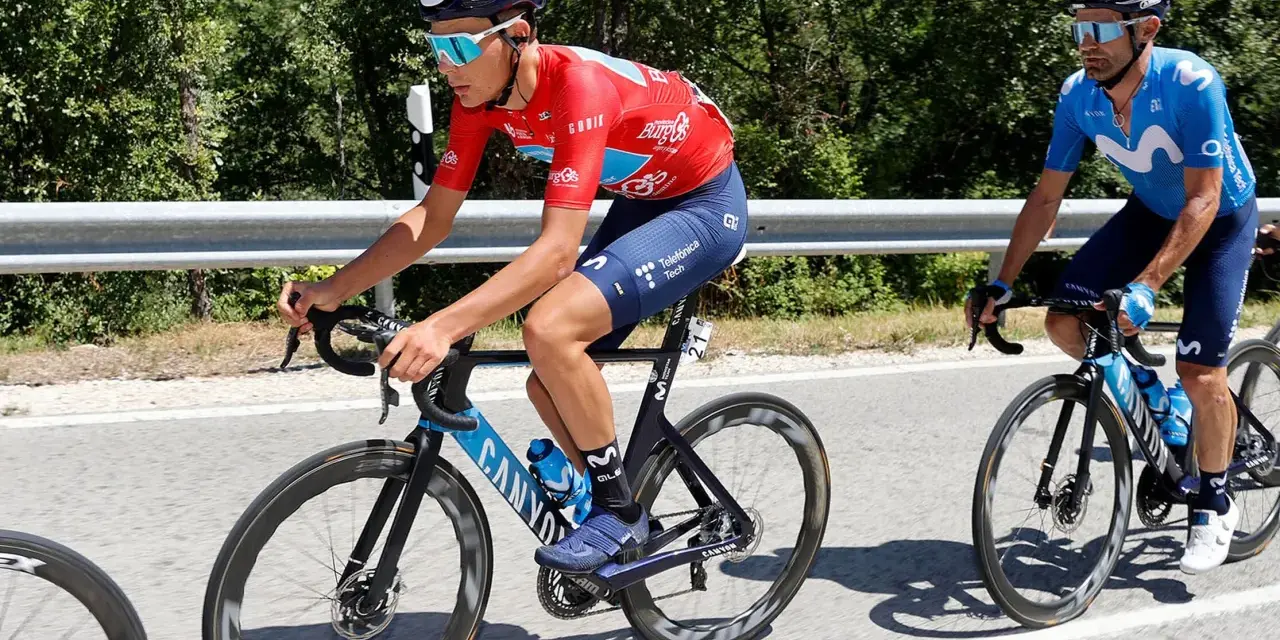
Vuelta jerseys are easy to decode once you know what each color rewards, and that makes them more interesting than ordinary race merch. This guide breaks down what the leader jerseys mean, how the official kits differ from casual fan gear, and what I would check before buying one for road riding. It is written for people who care about both the race story and the practical side of performance clothing.
The four race jerseys mark four different battles
- The red jersey marks the overall leader on time.
- The green jersey rewards points, so sprinters and consistent finishers target it.
- The polka-dot jersey belongs to the best climber in the mountain classification.
- The white jersey goes to the best young rider.
- Official U.S. pricing for current La Vuelta kit sits around $120-$132, with accessories below that.
- If you plan to ride in the jersey, fit and fabric matter more than the badge.
What each color tells you on the road
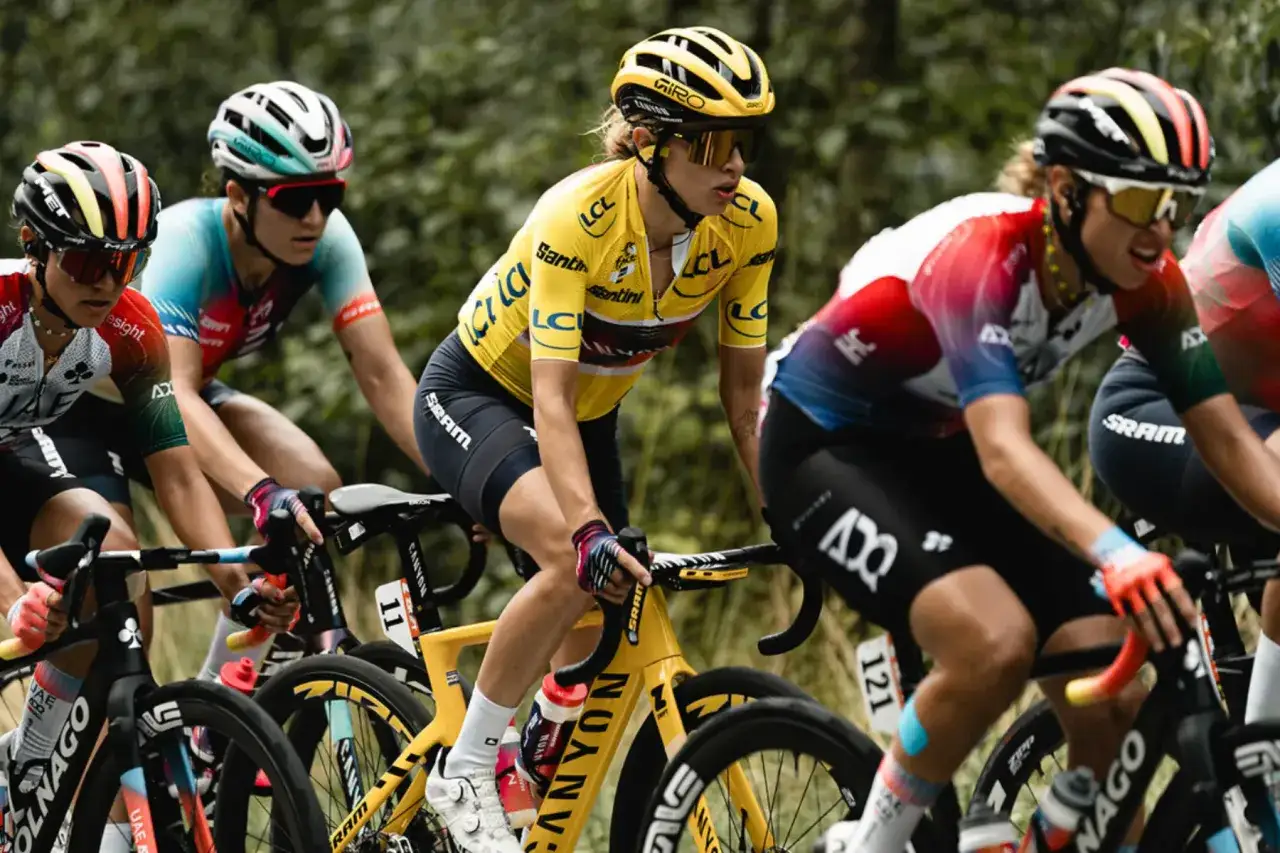
According to La Vuelta's official sporting-stakes page, the race uses four leader jerseys to track four different contests. The red jersey belongs to the rider with the lowest overall time, the green jersey tracks points, the polka-dot jersey marks the king of the mountains, and the white jersey recognizes the best young rider.
| Jersey | What it rewards | Why fans care |
|---|---|---|
| Red | General classification on time | It identifies the rider most likely to win the race overall. |
| Green | Points classification | It highlights the most consistent finisher and sprint threat. |
| Polka-dot | King of the mountains | It rewards climbing and aggressive racing in the hills. |
| White | Best young rider | It usually points to the next big stage-racing talent. |
That structure is the reason the jerseys are such a clean visual shorthand. One glance tells you who is leading what, and that is a big part of the appeal for fans and collectors. Once you know the roles, the next question is whether you want a collectible or a jersey you can actually train in.
Why the official jerseys feel different from casual fan gear
Not every race-branded top is built for riding. A casual cotton shirt might look fine in a grandstand, but it will trap heat, ride up at the waist, and feel wrong the moment you start pushing the pedals. A proper leader jersey is cut with cycling position in mind, which means the shoulders, sleeves, and rear panel all do a different job.
Santini's U.S. shop gives a good benchmark here: the red, green, and polka-dot jerseys are currently priced in the $120 range, with the red leader jersey listed at $132. The matching cap is $20 and the gloves are $46. That spread tells me something useful. The jersey is the main purchase; the accessories are the lower-risk way to carry the theme if you are still undecided.
| Option | Best for | Main advantage | Main compromise |
|---|---|---|---|
| Official leader jersey | Collectors and road riders | Race identity plus technical construction | Higher price and a louder look |
| Performance jersey | Frequent training and group rides | Better value if you will wear it often | Less direct race connection |
| Cap or gloves | Fans on a budget | Easy way to show the theme | Not a full riding kit |
The red jersey page shows the kind of details I want to see if a jersey is going to spend real time on the road: classic fit, lightweight front fabric, breathable back and collar, microfiber sides, raw-cut sleeves, triple rear pockets, and reflective details. That is not decorative jargon; each feature reduces friction, manages heat, or makes the jersey easier to live with on a long ride.
From there, the buying question becomes simpler: what kind of rider are you, and how much do you want the jersey to work as equipment rather than memorabilia?
How I would choose one for real riding
If I were choosing for myself, I would start with use case, not color. A jersey that looks perfect in photos can still disappoint if the cut is too tight in the chest, too loose at the waist, or too short in the back when you are on the hoods.
- For collecting, the red or white leader jersey is the cleanest choice because the meaning is obvious even to non-cyclists.
- For fast training rides, I would favor the jersey with the most breathable back, secure pockets, and a hem that stays flat.
- For hot weather, ventilation matters more than brand prestige. A lighter front panel and airy collar are worth more than a flashy badge.
- For mixed-use riding, a classic fit is usually safer than an aggressive race cut, especially if you plan to wear a base layer underneath.
Size is the other trap. The current leader jersey is offered from XS to 4XL, which is helpful, but the number on the tag is less important than how the jersey sits in a riding position. If you are between sizes, I would use the size chart and the chest measurement before I would trust my usual T-shirt size. In road cycling, a good fit often feels slightly snug in the shop and perfect once you are moving.
That fit-first logic leads straight into quality checks, because a jersey only earns its price if the construction matches the promise.
What to check before you spend the money
When I compare leader jerseys, I look for a small set of details that usually separate the decent purchases from the regretful ones. None of these are glamorous, but they matter more than most fans expect.
- Fabric mapping - different panels should handle ventilation, stretch, and support in different areas.
- Raw-cut or low-bulk sleeves - these reduce chafing and keep the sleeve from bunching under the arm.
- Secure rear pockets - three pockets is the practical minimum if you want to carry gels, a phone, or a vest.
- Covered zipper - this keeps the front smoother and usually feels better against the skin.
- Reflective detail - not essential for every ride, but useful when daylight drops early or traffic gets busy.
- Clear return policy - especially important for U.S. buyers ordering a European-cut jersey online.
Price is a useful filter, too. If an official-looking jersey is dramatically cheaper than the current $120-$132 range, I ask what was removed to make it that cheap. Sometimes it is just a sale. Sometimes it is thinner fabric, weaker stitching, or a fit that only looks close from a distance. A low price is only a deal if the jersey still behaves like a real cycling garment.
Once the jersey arrives, care is the last thing standing between a sharp-looking kit and one that loses shape too quickly.
How to care for the jersey so it keeps its shape
Technical cycling fabric is less forgiving than casual clothing. Sweat, sunscreen, road grime, and heat all degrade it faster than most riders realize, and the damage usually shows up as stretched cuffs, faded color, or lingering odor. I treat a good jersey like a tool, not a souvenir.
- Wash it at 30°C / 86°F.
- Turn it inside out before washing.
- Wash similar colors together.
- Avoid fabric conditioner.
- Skip the tumble dryer.
- Do not iron it.
- Wash it soon after the ride instead of letting sweat sit in the fibers.
Those steps sound basic, but they matter because race jerseys are usually built with lighter, more technical fabrics than everyday tops. If you want the badge, the colors, and the fit to stay sharp, gentle washing is part of the purchase price.
A simple buying rule that keeps the purchase useful
If I had to reduce the whole decision to one rule, it would be this: buy the jersey for the job it will actually do. If you want a wall piece or a race-day souvenir, choose the color that means the most to you. If you want a jersey to wear on the bike, prioritize cut, breathability, and pocket stability every time.
For most road riders, the best value is the jersey that will be worn often enough to justify the price, not the one that looks rare in the checkout cart. I usually steer practical buyers toward the most recognizable leader colors, because they carry the race story clearly and still feel right on the bike. If budget is tighter, the cap or gloves give you the La Vuelta identity without forcing a full-kit commitment.
That is the cleanest way to approach the purchase: decide whether you are collecting, riding, or doing both, then let fit and fabric make the final call.