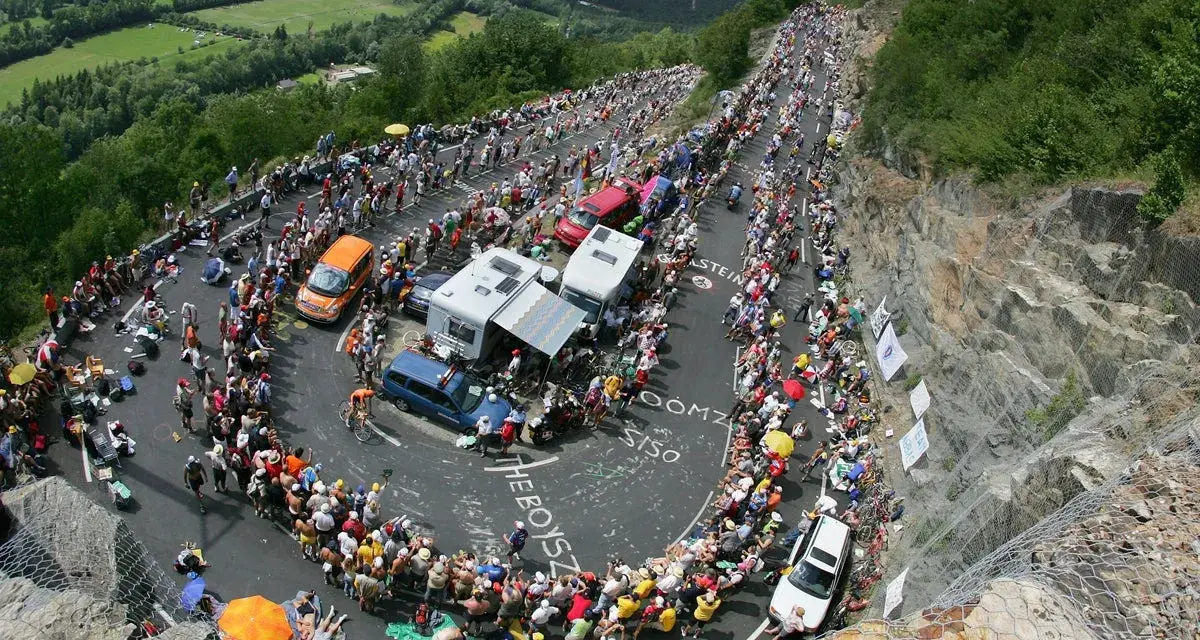
Alpe d’Huez is one of the most important climbs in the Tour de France because it can decide a stage and reveal exactly how well a rider handles sustained, steep climbing under pressure. In this article I break down what makes the ascent so famous, what the numbers really mean, how the 2026 route changes the picture, and how I would prepare to ride or watch it in person. If you care about road cycling, this is a climb worth understanding beyond the headline reputation.
Key facts that explain the climb
- The classic Bourg d’Oisans side is 13.7 km at 8.1%, finishing at 1,850 m.
- The road’s 21 hairpin bends are part of the climb’s identity, not just its scenery.
- In 2026, the Tour uses Alpe d’Huez twice, including the less familiar Col de Sarenne side.
- Fausto Coppi won the first summit finish here in 1952.
- For amateurs, the climb rewards steady pacing and proper low gearing more than raw bravado.
Why Alpe d’Huez still carries so much weight
There are harder climbs in the Alps and more scenic ones in France, but very few mountain finishes carry this much baggage. The Tour’s heritage pages note that Fausto Coppi inaugurated the climb in 1952, and that first summit finish still shapes the way riders and fans talk about it today. Once a climb becomes part of the race’s mythology, every attack on it feels bigger than the stage result alone.
What makes it so useful in race terms is that the road offers no real hiding place. The gradient is steady, the road is narrow enough to keep teams honest, and the switchbacks make every effort visible. If a rider is weak, the mountain exposes it. If a rider is strong, the climb gives them one of the most iconic stages in the sport. That is why the mountain keeps returning to the route and why the best climbers still care about winning there.
Understanding that history helps, but the next step is looking at the climb as a set of measurable demands rather than a legend.
The numbers that define the classic ascent
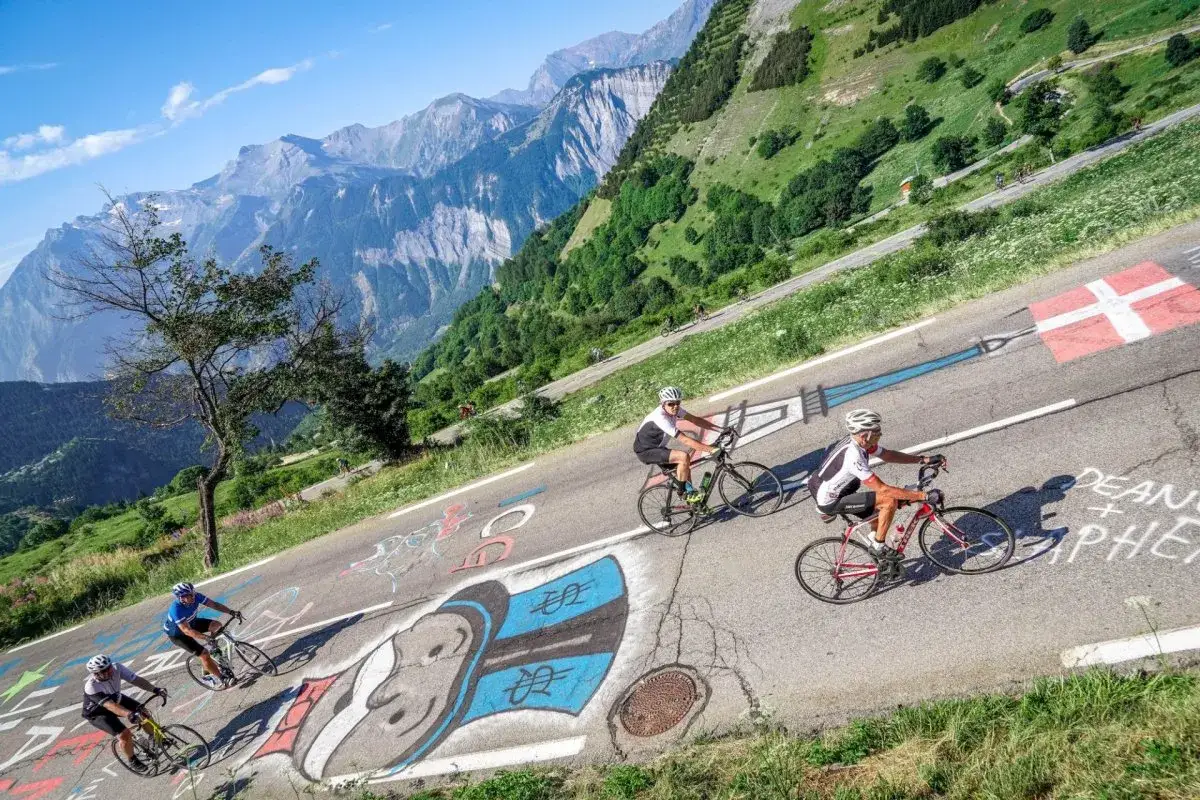
According to the Tour de France route data, the classic ascent from Bourg d’Oisans is 13.7 km at 8.1%, finishing at 1,850 m. That combination tells you almost everything you need to know: it is long enough to punish impatience, steep enough to make tempo feel expensive, and high enough that the final kilometres ask for more than pure leg strength.
| Metric | Classic ascent | Why it matters |
|---|---|---|
| Length | 13.7 km | Long enough that early surges often come back to bite later. |
| Average gradient | 8.1% | Steep enough that there is very little true recovery anywhere on the climb. |
| Finish altitude | 1,850 m | High enough that the upper part can feel noticeably harder than the lower ramps. |
| Hairpin bends | 21 | They break the climb into visible landmarks, but they do not give much relief. |
| Tour category | HC | It is treated as a decisive summit finish, not a routine mountain pass. |
The 21 hairpins are not just a photo opportunity. They let you reset your mind, but they do not give your legs much recovery. On a climb like this, I think in sections: settle early, protect the middle, and keep enough for the upper third. That mental split matters as much as watts, especially for riders coming from lower-altitude roads in the U.S. who do not get the same mountain rhythm every week.
Once you see the climb that way, the 2026 route starts to make more sense.
How the 2026 route changes the story
The 2026 Tour gives Alpe d’Huez a rare double role. The mountain appears on two consecutive Alpine stages, and one of them climbs from the Col de Sarenne rather than the classic 21-hairpin road. That matters because it turns a single iconic climb into two different tactical problems.
| Side | What it feels like | Why it matters in the Tour |
|---|---|---|
| Bourg d’Oisans, classic road | Rhythmic, famous, and easy to read from a spectator point of view | Rewards controlled pacing and repeated attacks |
| Col de Sarenne | Less familiar and more exposed to tactical uncertainty | Makes it harder for riders to rely on old memory or a fixed rhythm |
I like this change from a race-analysis perspective because it prevents everyone from treating the mountain as solved in advance. One day the peloton gets the classic visual drama of the hairpins; the next day it gets a less familiar approach that can expose teams that are too passive. For viewers, that is better cycling. For riders, it is a reminder that a famous mountain still has room to surprise people.
If you are planning to ride it yourself, the smart question is no longer which side is hardest in theory. The better question is how you keep your power stable long enough to survive the middle kilometres.
How I would pace it as a strong amateur
The biggest mistake on Alpe d’Huez is going out like the road is a series of short ramps. It is not. I would ride the first third conservatively, settle into a cadence I can hold for an hour, and avoid every instinct to chase a hairpin split or match someone else’s early acceleration. The climb rewards riders who are calm when the gradient first bites.
- Use low gearing. For most amateurs, a 34x32 or 34x34 is a safer choice than a tight cassette.
- Fuel before the base. Start with enough carbohydrates on board so the upper half is still rideable.
- Stay seated when possible. Standing every few minutes feels dramatic, but it wastes rhythm on a steady climb.
- Save surges for the final kilometres. On this road, repeated accelerations cost more than they look.
- Respect the altitude. At 1,850 m, some riders notice effort climbing faster than expected even when the legs feel good.
If you are flying in from the United States, I would also build in a lighter day before the climb. Jet lag, travel stiffness, and a rushed warm-up all make the mountain feel steeper than it needs to be. The same goes for training: long threshold intervals, seated climbing, and a bit of low-cadence strength work will do more for you here than a week of sprint sessions.
Once the pacing is under control, the next question is how to make the day on the mountain actually enjoyable instead of chaotic.
What to pack and how to experience the mountain well
If you are riding Alpe d’Huez outside race day, I would treat the day like a small alpine trip, not just a training ride. Weather changes quickly between the valley and the summit, so a light gilet, compact rain layer, and enough food for the return are more useful than an extra bike gadget. On the descent, fresh brake pads and a clean, predictable setup matter more than chasing the lightest possible build.
- Base yourself in Bourg d’Oisans if you want the easiest access to food, parking, and ride logistics.
- Start early if you want quieter roads and cooler temperatures.
- Bring layers because the top can feel significantly colder and windier than the valley.
- Check your braking before the descent; the downhill is fast enough to punish poor maintenance.
- Plan your stops if you are visiting on Tour days, because roadside space disappears quickly and access can be restricted.
For spectators, the best viewpoint depends on what you want. The lower bends are easier if you want atmosphere and bike traffic; the upper slopes are better if you want the decisive race moment and do not mind more walking. I usually recommend choosing one position early and settling in, because moving around on race day wastes energy and often gives you a worse view, not a better one.
That brings the whole climb into focus: it is part race venue, part alpine road, and part pacing exam.
What I would remember before riding the 21 bends
Alpe d’Huez rewards discipline more than drama. The riders who shine here are usually the ones who know when to hold back, when to settle into a rhythm, and when to spend their last match. For amateur cyclists, the same principle applies: choose the right gear, keep your effort even, and do not waste energy trying to win the first few kilometres of a climb that is built to expose impatience.
If I had to reduce the whole climb to one practical lesson, it would be this: the mountain is famous, but it is not mysterious. Once you strip away the legend, you are left with a steep, high, rhythmic ascent that rewards preparation and punishes ego. That is exactly why it remains one of the Tour’s most meaningful finishes and one of the most satisfying climbs a road cyclist can ride.