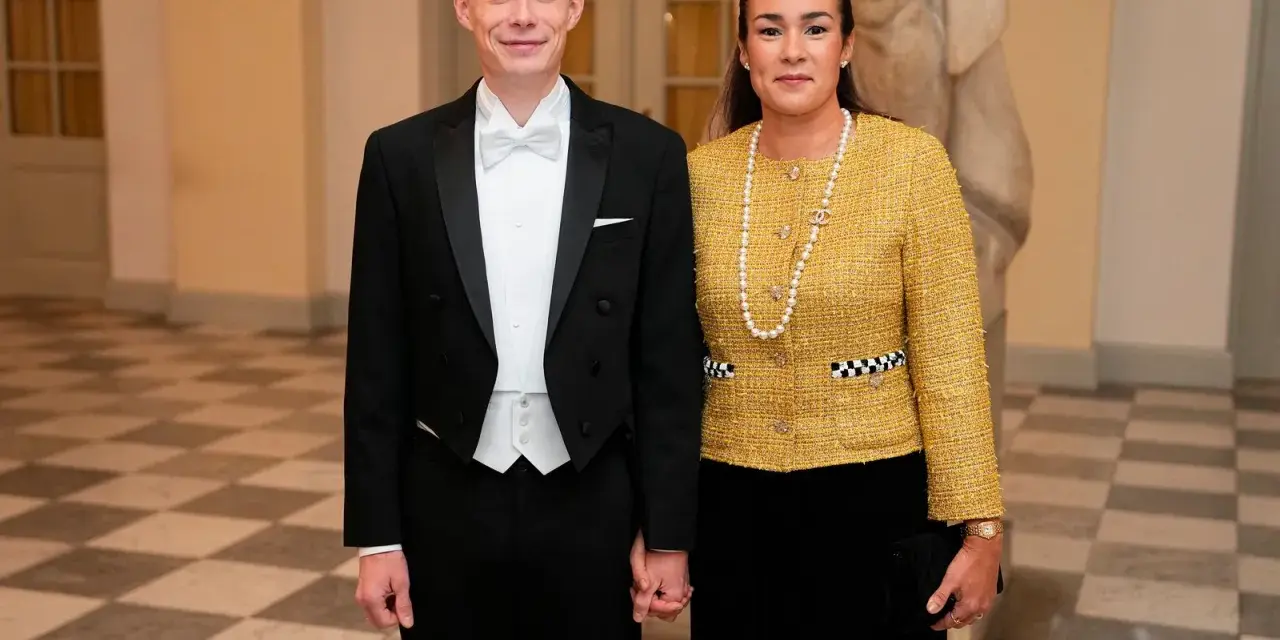
Jonas Vingegaard’s private life matters because modern road racing is built on travel, altitude blocks, and long stretches away from home. The answer behind the spouse question leads to Trine Marie Hansen, a former rower and talent manager whose presence helps explain how one of the sport’s most successful climbers balances winning with family life. I’m focusing here on the facts that are public, the parts that are often misunderstood, and why this relationship keeps resurfacing in cycling coverage.
The key facts about Jonas Vingegaard’s wife
- His wife is Trine Marie Hansen, and some cycling coverage also refers to her as Trine Marie Vingegaard Hansen.
- Vogue described her as a former rower and current talent manager, which gives her a real athlete’s view of elite sport.
- The couple have two children: a daughter named Frida and a son whose name has not been made public.
- Jonas has also used Hansen in his surname publicly, so you may see Jonas Vingegaard Hansen in some listings.
- Most of the public discussion around her has centered on training camps, travel, family time, and the strain of a Grand Tour calendar.
What Trine Marie Hansen is and why she matters
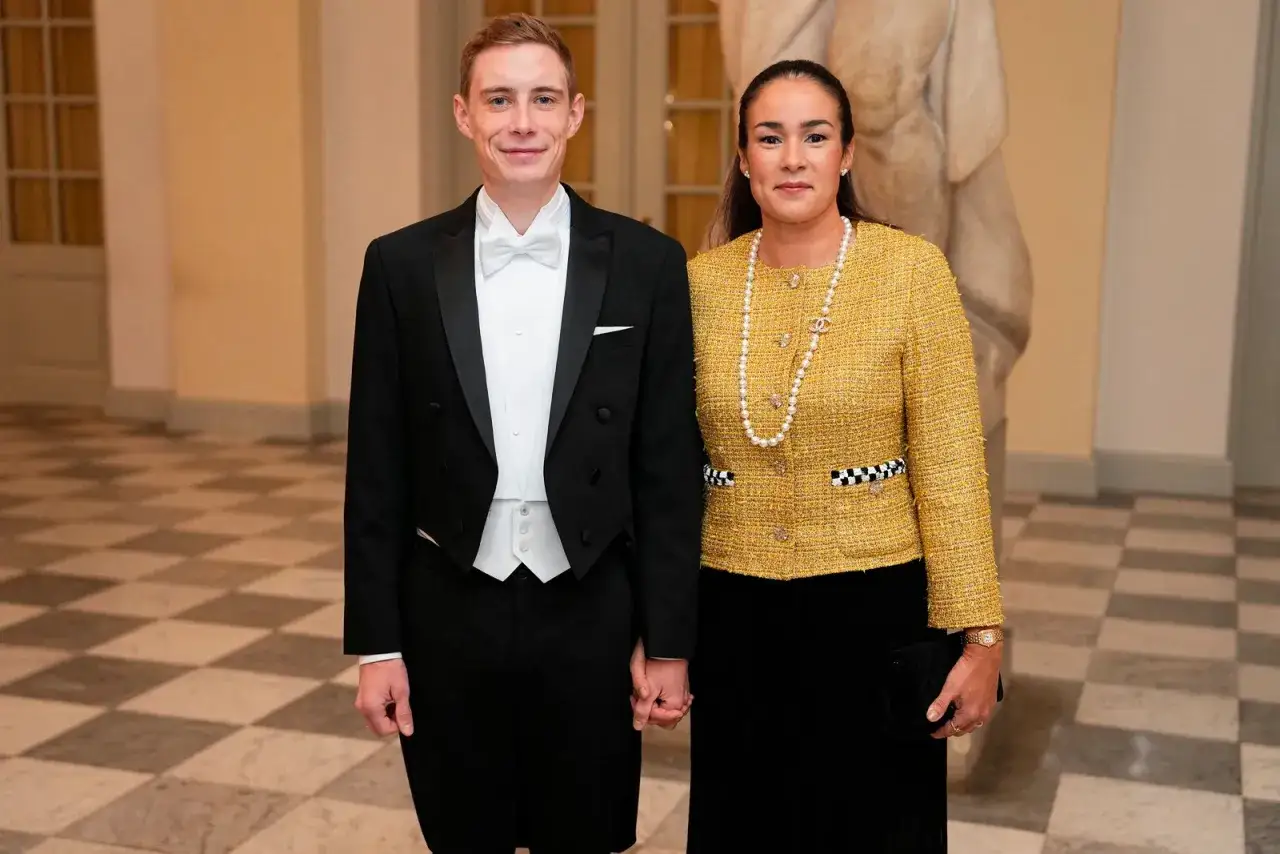
The easiest mistake to make is to treat her as a background detail. That misses the point. Trine Marie Hansen is not just the rider’s spouse; she has her own sporting and professional background, and that changes how I read her role in his career. A former rower understands structured training, recovery, and the emotional cost of chasing performance. A talent manager also understands schedules, pressure, and how much of a life gets consumed by elite sport.
That combination matters because road cycling is not a nine-to-five sport. A rider at Vingegaard’s level is living through training blocks, race blocks, media obligations, and recovery windows that can take him away from home for long stretches. If you understand that rhythm, the relationship stops looking like celebrity trivia and starts looking like a support system built for a very specific kind of pressure. That is the first piece readers usually want, and it leads naturally into the public facts people ask about next.What is publicly known about their marriage and family
The public record is actually fairly clear on the essentials, even if the couple keep plenty of their family life private. He is married to Trine Marie Hansen, and he has adopted Hansen in his surname in some official contexts. They are also parents, which is important because family life is not a side note when you are dealing with the demands of modern stage racing.
| Public detail | What it tells us |
|---|---|
| Wife’s name | Trine Marie Hansen, often also written as Trine Marie Vingegaard Hansen in media coverage. |
| Children | Two children, including a daughter named Frida and a son whose name has not been publicly shared. |
| Surname change | Jonas has used Hansen publicly, which is why some databases and articles list him as Jonas Vingegaard Hansen. |
| Public visibility | They appear together at major races, but most of their home life stays off camera. |
I think that privacy boundary is healthy. It lets fans know the basic facts without turning a family into a 24-hour storyline. At the same time, the limited amount they do share is enough to show how closely family life and racing life are tied together, which is exactly where the cycling angle becomes more interesting.
That family frame is useful because it explains why the next issue matters so much: road cycling can be brutally disruptive even when the results look glamorous from the outside.
Why family life matters so much in road cycling
Road cycling is one of the least home-friendly sports at the top level. Grand Tours last three weeks. Altitude camps can run for weeks at a time. Add recon rides, media days, transfers, and recovery blocks, and a rider can disappear from normal home life for long stretches. For a general classification rider, that is not an occasional inconvenience. It is the operating system.That is why a spouse’s perspective can be more than emotional support. It often becomes a practical read on the entire season. The partner sees the travel load, the fatigue, the family calendar, and the tradeoff between one more training block and one more evening at home. In a sport where a few percent of fitness can decide a Grand Tour, that tradeoff is never trivial.
- Travel load matters because repeated transfers drain energy even before racing starts.
- Altitude work matters because it can improve performance, but it also extends time away from family.
- Recovery time matters because physical freshness and mental freshness are not the same thing.
- Family stability matters because riders with young children are balancing two full-time worlds.
Once you look at the sport through that lens, it becomes easier to understand why Hansen’s comments about his workload drew attention. They were not just personal remarks; they were a window into the hidden cost of a championship schedule.
The workload debate was really about the cost of winning
Recent public discussion around the couple was sparked by comments from Hansen about the amount of time Vingegaard spends training, traveling, and living in cycling’s bubble. CyclingNews reported that Visma-Lease a Bike played down the tension afterward, which is exactly what you would expect from a team trying to keep the focus on racing rather than headlines. The important thing, from my point of view, is not the drama itself. It is the fact that the comments landed because they described a real tension most fans never see.
Elite road cycling asks riders to optimize everything. The more aggressively a team targets the Tour or another Grand Tour, the more likely the calendar becomes a chain of camps and recoveries instead of a normal family rhythm. That is great for performance when the timing is right. It is less great for ordinary life. Both can be true at once, and that is the part people often miss when they reduce the story to a simple pro-or-con argument.
I also think the reaction to Hansen’s remarks showed how differently insiders and fans interpret support. Fans often hear criticism and assume conflict. In reality, it can also be a sign that someone close to the rider is saying out loud what the body and the calendar are already saying quietly: the workload is heavy, and the margin for burnout is real.
That leaves the practical question for readers: how should you think about this story if you follow Vingegaard for the racing rather than the gossip?
How I would read this story if I were following Vingegaard in 2026
The simplest answer is to treat Trine Marie Hansen as part of the context, not the spectacle. If you care about Vingegaard’s results, his family life helps explain why his schedule is built the way it is, why some race choices matter more than others, and why recovery periods are not optional details. That is especially true in a season where every block of training has to be weighed against energy, form, and time at home.
- Watch his calendar, not just his results, because the calendar tells you how hard the team is leaning on him.
- Pay attention to recovery windows after major races, since they often say more about his long-term goals than one isolated performance.
- Notice family appearances at finish lines, because they are a reminder that the performance side and the home side are always connected.
- Do not overread every public comment, because families around elite riders often speak from lived reality, not from a tactical script.
For me, that is the cleanest way to understand the whole picture. Trine Marie Hansen is not a trivia note, but she is also not a tabloid character. She is part of the support structure behind a rider whose career depends on precision, sacrifice, and the ability to keep producing under pressure. If you follow Jonas Vingegaard as a road cyclist, keeping that family context in mind will make his choices, his schedule, and his results easier to read with clarity.