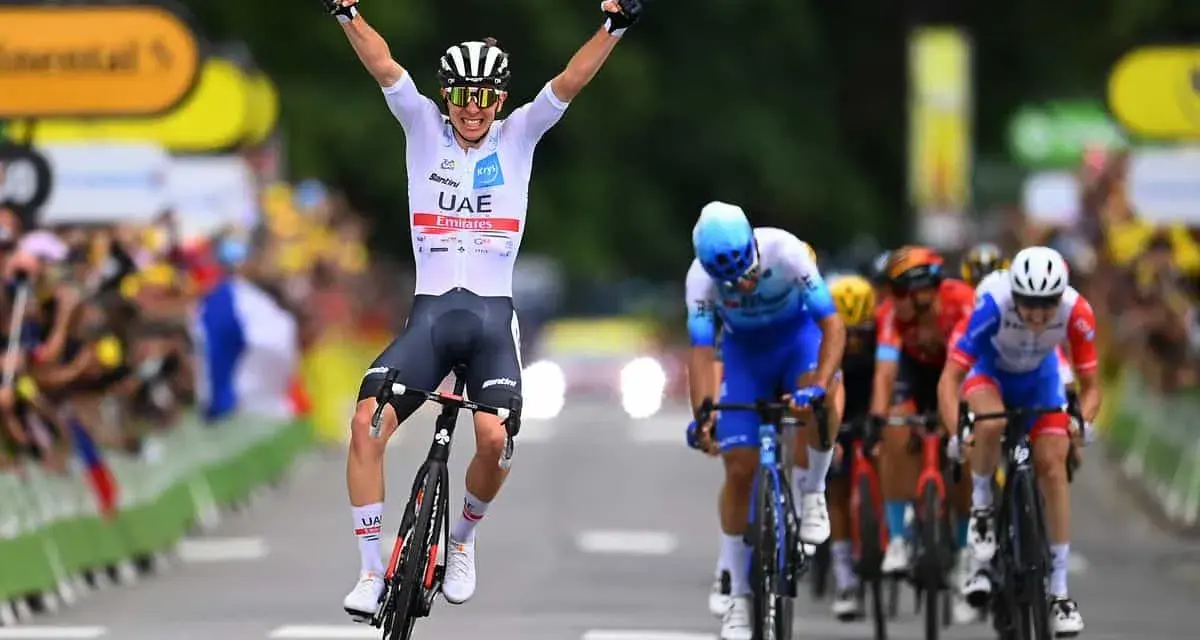
What the white jersey tells you at a glance
- It goes to the best eligible young rider on overall time, not to the fastest sprinter or pure climber.
- The jersey first appeared in 1968, but since 1975 it has marked the Tour’s best young rider.
- In 2026, eligibility means being 25 or under in the calendar year, which effectively means riders born in 2001 or later.
- A rider can win both yellow and white if he leads the race and still qualifies by age.
- The jersey matters because it often identifies future Grand Tour leaders before they become household names.
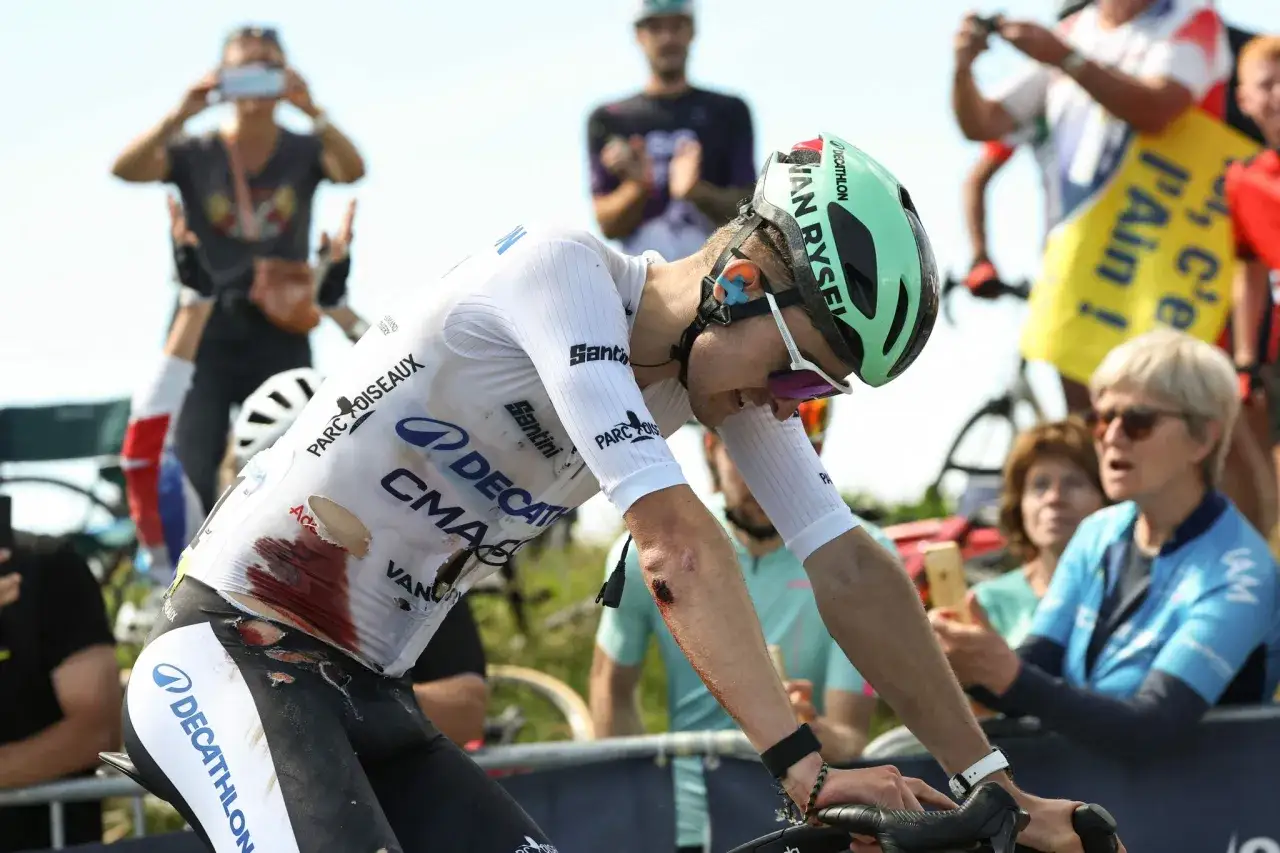
What the white jersey actually rewards
The easiest way to understand the white jersey is to forget about style and look at the score it tracks. It is tied to the general classification, or GC, which simply means the rider’s cumulative time across all stages. The best young rider is the fastest eligible rider on that same overall clock.
That makes the white jersey very different from a stage win. A rider can finish second or third every day and still take white if he keeps losing less time than the other young contenders. That is why I think the jersey is such a useful test of maturity: it rewards consistency, recovery, and calm decision-making more than one explosive performance.
The jersey also has a real historical weight. It first appeared in 1968 for a combined classification, then shifted in 1975 into the youth prize fans know today. Since then, it has become one of the Tour’s best indicators of what kind of rider may dominate the next era. That leads naturally to the question of how the ranking is actually decided in the current race.
How the classification works in 2026
In the Tour’s current rules, the white jersey is reserved for riders aged 25 and under in the year. In practical terms, for 2026 that means riders born in 2001 or later. The age cutoff matters because it keeps the competition focused on development, not just raw talent.
Once the race starts, the young rider classification follows the same cumulative time as the yellow jersey battle. There are no separate sprint points or mountain points attached to white. If a young rider is 18 seconds behind the race leader after a stage, that gap stays in the young rider standings too. If he loses two minutes in a crosswind stage or on a summit finish, that damage counts immediately.
That is also why the jersey can disappear from view after one bad day. The Tour does not care whether the mistake came from positioning, fatigue, a crash, or a weak time trial. White rewards the rider who has handled every kind of terrain and every kind of stress better than his age peers. In a race with brutal variability, that simplicity is part of its value.
It also means the white jersey is not a rookie prize. A rider can be a second- or third-year professional and still qualify, as long as he meets the age rule. That distinction matters because the Tour is full of young pros who already have serious WorldTour experience but are still eligible for the jersey. From there, the next layer is strategic: why teams care so much about it.
Why teams treat it as a serious target
I do not think teams chase white only for the photo op. They chase it because it gives a clean measure of progress. If a young rider can survive the Tour well enough to lead his age group, the team learns a lot about his stage-race ceiling, his recovery profile, and his ability to stay composed under daily pressure.
That has practical consequences. A team may protect a white-jersey contender in the mountains, keep him sheltered in the wind, or ask teammates to pace him through bad days rather than hunt stage wins at all costs. The goal is not just to wear the jersey for one afternoon. It is to finish the race still in position to keep it.
The jersey also carries commercial value, especially in a race as visible as the Tour. Sponsors like clear symbols, and young-rider success is easy for fans to follow. But for me the real importance is sporting: white is often the first public sign that a rider is ready for bigger leadership duties later on. The recent winners make that point very clearly.
How it compares with yellow, green, and polka dot
Many fans know the Tour’s jersey colors by sight but miss the logic behind them. White is easiest to misunderstand because it is not based on points and it is not a separate race. It sits inside the general classification, which makes it a cousin of yellow rather than of green or polka dot.
| Jersey | What it rewards | Who can win it | What it says about the rider |
|---|---|---|---|
| Yellow | Lowest total time overall | Any rider | The fastest rider in the race at that moment |
| Green | Points from stages and intermediate sprints | Any rider | Top sprinter or all-round points collector |
| Polka dot | Climbing points on categorized climbs | Any rider | Best climber, often a breakaway specialist |
| White | Lowest total time among eligible young riders | Riders 25 and under in the year | Best young stage-race rider |
There is one subtle but important twist: a rider can lead more than one classification at once. If a young rider also leads the general classification, yellow takes visual priority, but the white jersey remains a real achievement in the standings. That overlap is rare, and when it happens, it usually tells you the rider is already on a champion’s trajectory.
That comparison matters because it puts white in context. Yellow is the whole race, green is the points battle, polka dot is the climbing battle, and white is the youth battle inside the race. Once you see it that way, the jersey stops looking like a side prize and starts looking like a serious development benchmark.
What recent Tours say about the kind of rider who wins it
The most recent editions have reinforced a pattern I trust: white usually goes to riders who are already close to the elite. In the latest completed Tour before the 2026 start, Florian Lipowitz won the white jersey and finished third overall. That combination is not common, and it tells you something important about the modern standard for youth success.
Remco Evenepoel won the jersey in 2024, Tadej Pogačar did it in 2020, and Egan Bernal took it in 2019. Those are not ordinary “best young rider” names. They are riders who were already capable of winning Grand Tours or standing on the podium in them. That is why I think the jersey is often a better forecast than people expect.
The Tour’s own history page also shows how rare true overlap at the very top is. A small number of riders have combined yellow and white at the end of the race, including Laurent Fignon, Jan Ullrich, Alberto Contador, Andy Schleck, Egan Bernal, and Tadej Pogačar. That list matters because it shows the white jersey is not just about age. It is about whether a young rider can already live with the race’s best.
There is another lesson in that history. Not every white-jersey winner becomes a yellow-jersey winner, and that is fine. Some riders peak as elite support leaders, stage hunters, or podium challengers rather than outright champions. The jersey still marks them as unusually strong in a field where most young pros are still learning how to survive three weeks at full intensity.
What road cyclists can learn from the white jersey
For amateur riders and racers, the white jersey is more than a Tour storyline. It is a useful model for how stage racing actually works. If I were coaching a young road cyclist for a week-long event, I would treat white-style racing as a lesson in damage control: stay upright, lose as little time as possible, and save the big efforts for the days that matter.
- Consistency beats drama. One brilliant day is less useful than seven controlled days.
- Recovery is a weapon. The best young riders bounce back faster after mountains, wind, and time trials.
- Positioning saves energy. White-jersey contenders cannot afford repeated stress from poor placement.
- Time trials matter. In GC racing, a weak effort against the clock can erase days of good climbing.
- Climbing is not enough. The best youth riders usually need to defend themselves everywhere, not just uphill.
That is why the white jersey is so relevant to road cycling as a whole. It rewards complete riders, not specialists hiding in one terrain type. If you are following development pathways, stage-race programs, or the next generation of Grand Tour contenders, this is the jersey to watch most closely.
What I watch when a young rider takes white
When a rider wears white in the Tour, I stop asking only whether he can win one stage and start asking whether he can handle the race’s full logic. Can he survive the first nervous week? Does he lose time in crosswinds? Does he stay efficient in the high mountains? Can he limit damage in the time trial and still recover by the next day?
Those questions are where the jersey earns its significance. It is not decoration, and it is not a consolation prize. It is a compact summary of everything that makes a stage racer credible: restraint, durability, climbing depth, and the ability to repeat good performances when the Tour is trying to break him. If a rider can keep the white jersey deep into July, I treat that as a serious sign that his ceiling is rising fast.
For fans, that makes the white jersey one of the most useful things to track in the race. It tells you who is maturing quickly, who can already race like a leader, and who may shape the next few editions of the Tour long before the yellow jersey changes hands.