The fast version of what mountain bikers can learn from Chelsea Wolfe
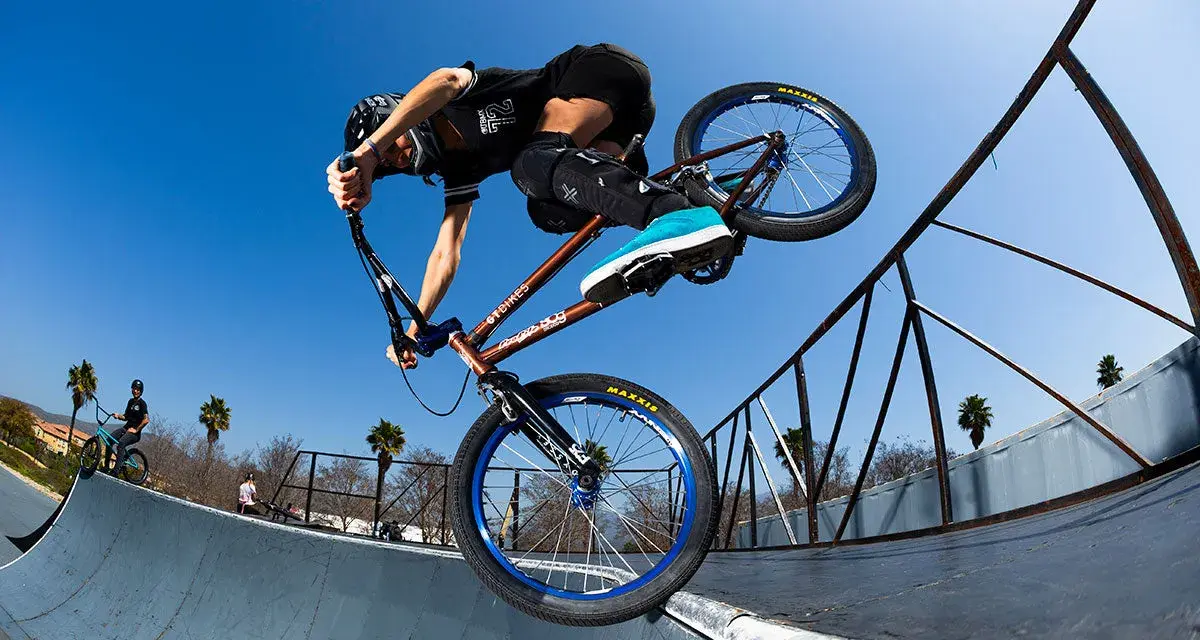
- Wolfe is best known as a freestyle BMX rider whose background is built on precision, creativity, and repeatable bike control.
- Her path matters to mountain bikers because BMX skills transfer well to jumping, pumping, manuals, and cornering.
- The biggest payoff comes from short, focused skill sessions, not random extra miles.
- BMX-style practice helps most when it supports trail riding, not when it tries to replace it.
- Bike setup should improve feedback and traction, not copy BMX hardware without context.
Why Chelsea Wolfe stands out in freestyle BMX
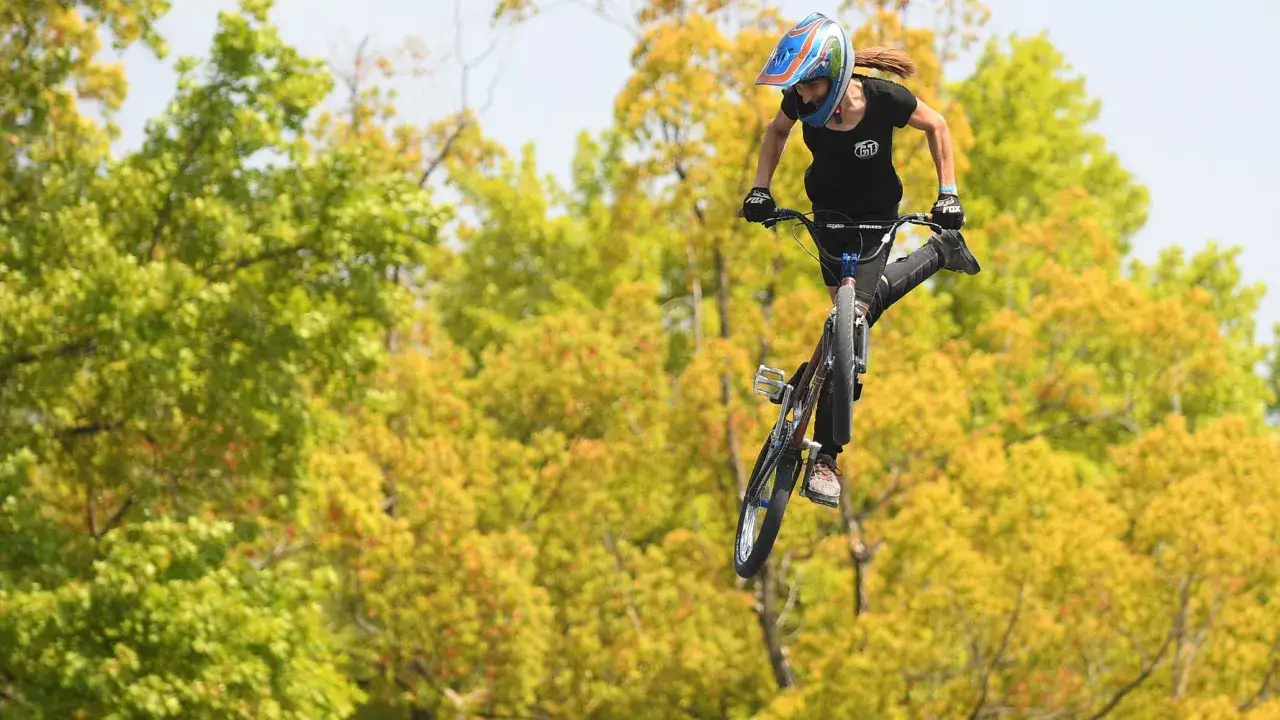
Chelsea Wolfe is known as an American freestyle BMX rider whose rise put her on the radar far beyond the park scene. ESPN reported that she moved from BMX racing to freestyle in 2017, and that change makes sense when you watch how freestyle rewards creativity, rhythm, and risk control in equal measure. What I find most interesting is not just the headline value of her career, but the way her riding points to a broader truth: bike handling skills compound across disciplines.
That matters for mountain bikers because freestyle BMX is not a different universe. It is a different pressure test. The rider has less terrain, less time, and more demand for accuracy, so every movement has to be clean. Once you understand that foundation, the next question is how those habits show up on a mountain bike.The BMX skills that transfer directly to the trail
This is where the crossover gets useful. I would not pretend BMX and mountain biking are identical, but the overlap is real enough that a strong freestyle rider usually has a head start in several core areas. In trail riding, those same skills show up as smoother speed, better balance, and less wasted movement.
| Skill | What BMX trains | What it improves on a mountain bike | Practical drill |
|---|---|---|---|
| Pumping | Generating speed without relying on constant pedaling | Rollers, berms, and small terrain changes feel faster and less tiring | Ride a pump track or mellow trail section and try to link features with fewer pedal strokes |
| Manuals | Front-wheel control and balance over the rear wheel | Improves front-wheel lightness over roots, drops, and rollers | Practice lifting the front wheel for 3 to 5 seconds at a time on flat ground |
| Jump timing | Takeoff and landing done with exact body position | Cleaner trail jumps and fewer harsh landings | Start with small tabletops and focus on staying centered in the air |
| Cornering | Loading and unloading the bike through tight turns | Better traction and less braking before berms or switchbacks | Repeat one corner until your entry speed and exit line feel automatic |
| Line choice | Seeing a feature as part of a run, not an isolated obstacle | Helps riders link trail features into a smoother flow | Pick one trail lap and commit to one cleaner line rather than improvising constantly |
The technical term I use most here is body-bike separation, which simply means your body stays balanced while the bike moves beneath you. That skill shows up everywhere on the trail, especially when the terrain is uneven or the front wheel starts wandering. That is why the next step is not more theory but practice that makes these movements automatic.
How to train the crossover without wasting time
If I were building a useful crossover plan for a mountain biker, I would keep it short and specific. The mistake most riders make is trying to turn every ride into a fitness test. BMX skills improve fastest when the session is built around one technical goal and enough repetition to feel the difference.
Read Also: How to Choose a Mountain Bike - Your Ultimate Guide
A simple weekly block that actually works
- One skill session of 30 to 45 minutes on a pump track, parking lot, or smooth practice area.
- One strength session of 20 to 30 minutes focused on legs, hips, core, and upper back.
- One trail ride of 60 to 120 minutes where you pick a single handling goal, such as cornering or jump confidence.
- One mobility reset of 10 to 15 minutes to keep hips, ankles, and shoulders from tightening up.
For strength work, I would keep the basics boring on purpose: squats or split squats, deadlifts or hip hinges, planks, side planks, and a few sets of pull work for posture. Three sets of 6 to 8 controlled reps is enough for most lower-body lifts if the rider is also doing trail time. The point is not to build a bodybuilder’s program; it is to build a body that can stay quiet and stable on the bike.
There is also a conditioning limit here that riders should respect. BMX freestyle is explosive and repeatable over short windows, while mountain biking often asks for longer aerobic output. A pump track session can make you a better handler in 40 minutes, but it will not replace the endurance you need for a two-hour climb-heavy ride. Once the training is right, the bike setup has to stop working against you.Bike setup and gear choices that make the transfer work
Gear matters because a sloppy setup can hide the very habits you are trying to improve. When I coach riders informally, the biggest mistake I see is copying the look of BMX without thinking about function. A mountain bike needs traction, room for rough terrain, and enough support to stay composed at speed.
| Setup choice | BMX tendency | Mountain bike version that makes sense | Why it matters |
|---|---|---|---|
| Pedals | Flat pedals with strong grip are common | Flat pedals are useful for skills days, while clipless pedals still make sense for longer trail rides | Flats expose sloppy foot pressure and improve awareness |
| Tire pressure | Harder, simpler setups are normal | Most trail riders start around 20 to 28 psi on tubeless setups and adjust for weight, casing, and terrain | Too much pressure kills grip; too little can feel vague or risk rim strikes |
| Cockpit width | More compact and direct | A width that matches your shoulders and keeps steering predictable | Overly wide bars can make skills work feel sluggish and awkward |
| Suspension | Little or none in most BMX setups | A fork and shock should be set active enough to keep traction, not locked down for the sake of stiffness | On trails, traction usually matters more than rigid feedback |
| Protection | Pads and full-face helmets are common in parks | Gloves, knee pads, and sometimes elbow pads are smart for jump and skills sessions | Better protection makes repetition less mentally expensive |
If you want the cleanest skill transfer, a hardtail or dirt-jump bike gives immediate feedback on pump and jump technique. That is useful for learning, but I would still use the real trail bike for the real trail because suspension, geometry, and tire volume change how the bike behaves under load. The best setup is the one that supports the drill you are actually trying to improve.
The trail lesson hidden in her freestyle background
What I take from Wolfe’s riding is not a slogan. It is a practical standard. She represents the kind of athlete who understands that confidence comes from repetition, not from pretending fear does not exist. That is exactly how strong mountain bikers are made too: small corrections, repeated often enough, turn into real control.
If you want a starting point this week, keep it simple. Spend one session on cornering, one on front-wheel control, and one on terrain flow, then compare how your trail ride feels afterward. The payoff is usually immediate: less braking, smoother movement, and more trust in the bike. That is the real value of looking at a rider like Chelsea Wolfe through a mountain biking lens.
For most riders, the fastest upgrade is not a new part or a more aggressive bike. It is cleaner input, better timing, and the discipline to repeat one useful movement until it becomes automatic.