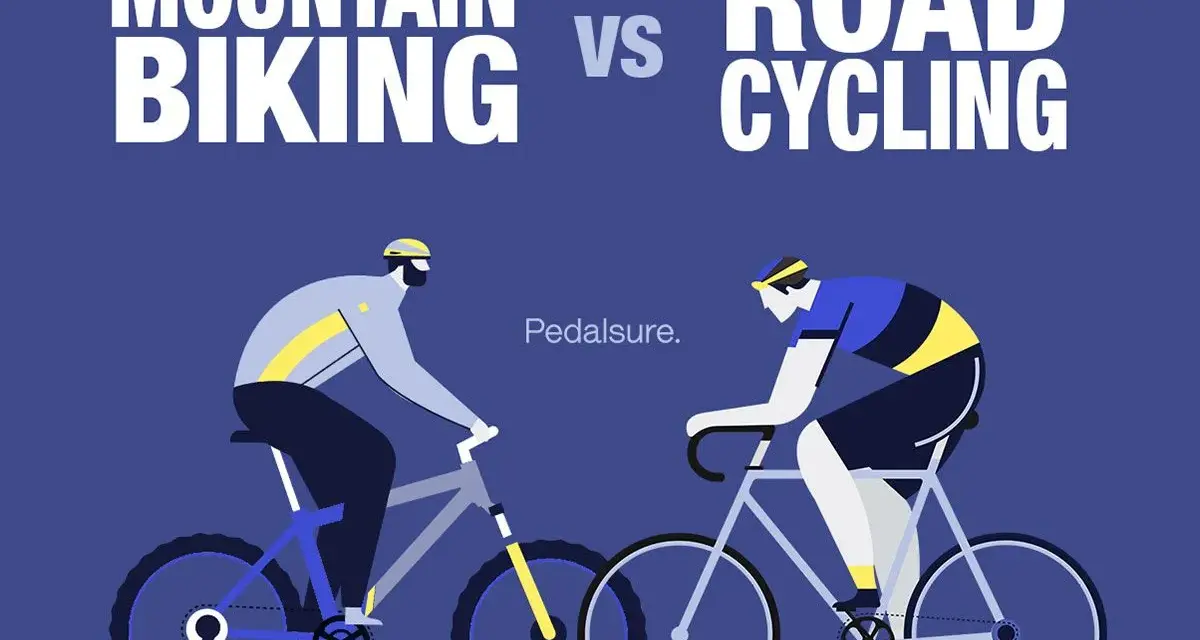
Choosing between mountain biking vs road biking is really a choice between control and efficiency. One bike is built to stay calm on roots, rocks, and loose dirt, while the other is built to turn smooth pavement into distance and speed. I’m going to break down where each one works best, how they feel, what they cost, and how I’d choose if I were buying in the U.S. today.
The best choice comes down to surface, pace, and how much control you want
- Road bikes are faster and more efficient on pavement, especially for distance, climbing, and group rides.
- Mountain bikes give you more traction, stability, and confidence on dirt, rocks, roots, and broken surfaces.
- If most of your miles are paved, a road bike usually makes more sense; if most of your miles are off-road, a mountain bike is the better tool.
- Mountain bikes usually cost more to maintain because suspension and off-road wear add up.
- If your riding is split evenly between pavement and light dirt, a gravel or all-road bike may be the smarter middle ground.
What each bike is built to do
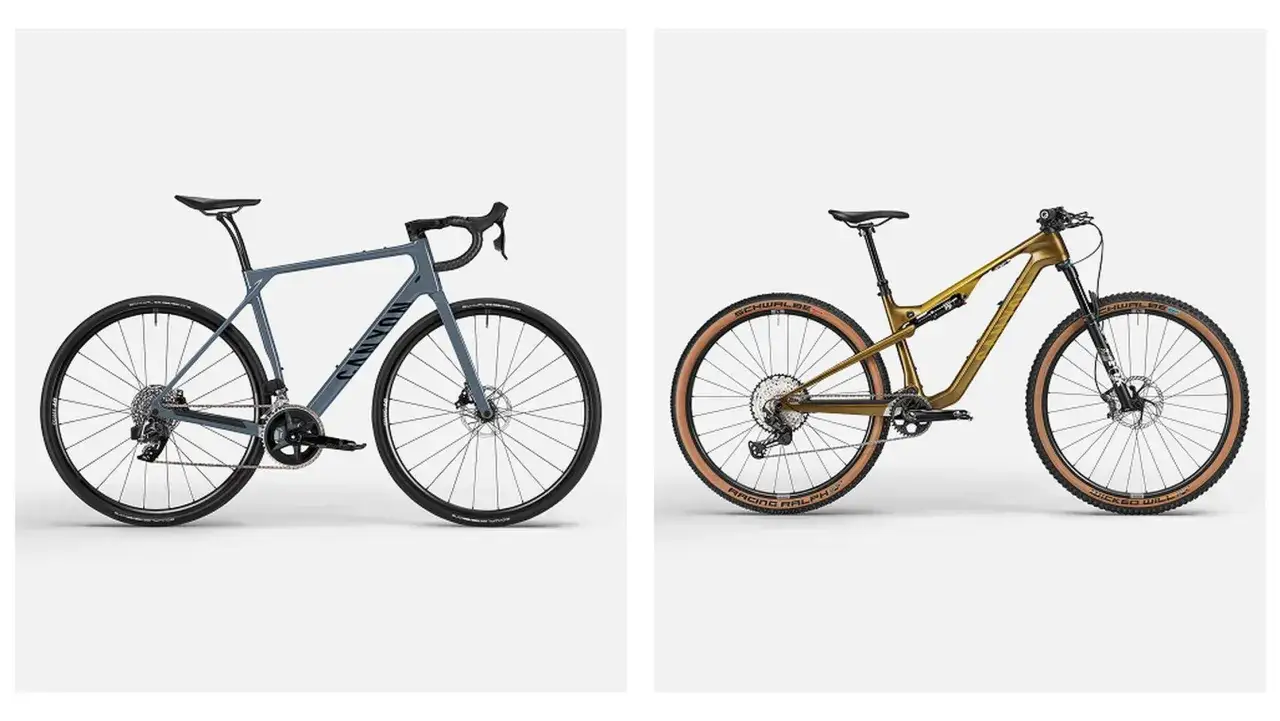
I start here because the frame, tires, and riding position tell you almost everything. A mountain bike is designed to stay composed when the surface is loose, steep, or unpredictable. A road bike is designed to waste as little energy as possible when the surface is smooth and the miles are long.
Mountain bikes favor control
Mountain bikes use wider, knobbier tires, stronger brakes, and a more upright position. Many also include suspension, which can be front only or front and rear. That setup makes sense on singletrack, hardpack, rocks, roots, and descents where traction matters more than outright speed. If you ride trails, that extra control is not a luxury; it is the reason the bike works.
Read Also: Mountain Bike Geometry Explained - Find Your Perfect Ride
Road bikes favor efficiency
Road bikes are built around low drag and efficient power transfer. Their drop bars let you shift hand positions and get lower into the wind, while narrower tires and a lighter frame help you cover ground quickly. For pavement, long climbs, and steady endurance rides, that design is hard to beat. Once you understand that split, the next question is how those choices feel when the surface changes under you.
How they feel on real rides
The biggest difference is not just speed. It is the way each bike asks your body to work. On a road bike, the motion is smooth and rhythmic. On a mountain bike, you are constantly reacting: shifting weight, choosing lines, braking later or earlier, and keeping the tires hooked up through turns and rough patches.
A mountain bike feels stable when the trail gets messy, but that stability comes with a tradeoff. Knobby tires create more rolling resistance, and suspension can absorb a little of your pedaling force. On pavement, that shows up as a softer, slower feel. Road bikes do the opposite. They can feel fast and precise, but on broken asphalt or rough descents they ask more from your hands, core, and attention.There is also a fit difference. Mountain bike geometry is usually more relaxed and stable at low speeds and downhill. Road geometry is longer and lower, which helps with aerodynamics and tracking straight at speed. In plain English, the mountain bike wants to keep you upright and composed; the road bike wants to keep you efficient. That ride feel turns into a training difference pretty quickly.
Speed and training are different on each one
If your goal is raw speed on pavement, the road bike wins without much debate. Less rolling resistance, more aerodynamic positioning, and less suspension movement all help you hold speed for longer. That is why road riders care so much about cadence, pacing, and sustained power output.
Mountain biking is still a serious workout, but it asks for a different mix of fitness. Short accelerations, braking, cornering, and technical climbs force you to produce power in bursts. You also use your upper body and core more than most new riders expect, especially on descents and rough terrain. The result is a workout that feels less like steady cruising and more like repeated problem-solving at speed.
If you are training for long group rides, fondos, or road events, the road bike gives you the most specific preparation. If you want skill, balance, and a ride that stays engaging even at lower average speeds, mountain biking delivers that in a way pavement never quite does. That difference matters again when you look at price and upkeep.
What it costs to own each bike in the U.S.
For new riders, the price gap is not always as dramatic as people assume, but the ownership curve is still different. In current U.S. retail, a credible entry-level hardtail mountain bike often starts around $630 to $1,500, while road bikes commonly start around $1,000 and can run well past $10,000. Full-suspension mountain bikes usually push the total higher because you are paying for more moving parts and more complex service.Maintenance is where the mountain bike usually pulls ahead in cost. Suspension service, brake pad wear, tubeless sealant, and dirt exposure all add up over time. A road bike is simpler, but “simpler” does not mean free; chains, tires, cassettes, and fit-related accessories still need attention. I would budget another $200 to $500 for the first year of essentials either way, especially if you are starting from zero.
| Category | Mountain bike | Road bike |
|---|---|---|
| Typical entry price | About $630-$1,500 for a solid hardtail; full-suspension costs more | About $1,000 and up, with premium builds climbing fast |
| Ongoing upkeep | Higher because of suspension and off-road wear | Usually lower, with fewer moving parts to service |
| Main extras | Helmet, gloves, flat pedals or clipless pedals, possibly knee pads | Helmet, pedals, shoes, lights, repair kit |
| Best value when | You regularly ride dirt, rough pavement, or technical terrain | You spend most of your time on paved roads and paths |
Once you know what ownership really looks like, the smarter question becomes where your own routes fall on the map.
Which bike fits your routes and goals
In the United States, this decision often comes down to local geography and access. If you live near paved bike paths, low-traffic country roads, or long road climbs, a road bike can make every ride feel easier and longer. If your best riding is in public trail systems, forest roads, bike parks, or neighborhoods with rough pavement and broken shoulders, a mountain bike makes more sense.
Here is the simple breakdown I use:
- Mostly pavement, long rides, or fitness goals tied to speed: choose a road bike.
- Mostly dirt, roots, rocks, steep descents, or trail riding: choose a mountain bike.
- Roughly equal pavement and light off-road use: consider a gravel or all-road bike before forcing a compromise.
- Short city rides on terrible pavement: a mountain bike can be comfortable, but it will feel slower and heavier than you may want.
- Weekend trailheads that require driving: a mountain bike earns its keep if you will actually use the trails regularly.
The mistake I see most often is people buying for the ride they imagine doing once a month instead of the ride they can do three times a week. That is usually where the regret starts, and it leads straight into the simplest decision rule I use when the answer is still not obvious.
A simple rule that keeps the choice honest
When riders are split between the two, I use a 70 percent rule. If at least 70 percent of your rides will happen on pavement, get the road bike. If at least 70 percent will happen on dirt, rocks, or trail surfaces, get the mountain bike. If you are close to 50-50, do not force either extreme; test a gravel or all-road option first.
Two other details matter more than most beginners expect. First, fit beats fancy parts. A bike that matches your body and your reach will feel better than a “better” bike that is too long, too low, or too aggressive. Second, buy the contact points early: a good helmet, the right pedals, appropriate shoes, and a basic repair kit will make your first season much smoother.
If I were starting from scratch in 2026, I would choose the bike that matches my most frequent surface, not my favorite fantasy ride. The best bike is the one you will use consistently, because consistency is what turns a purchase into real fitness and real enjoyment.