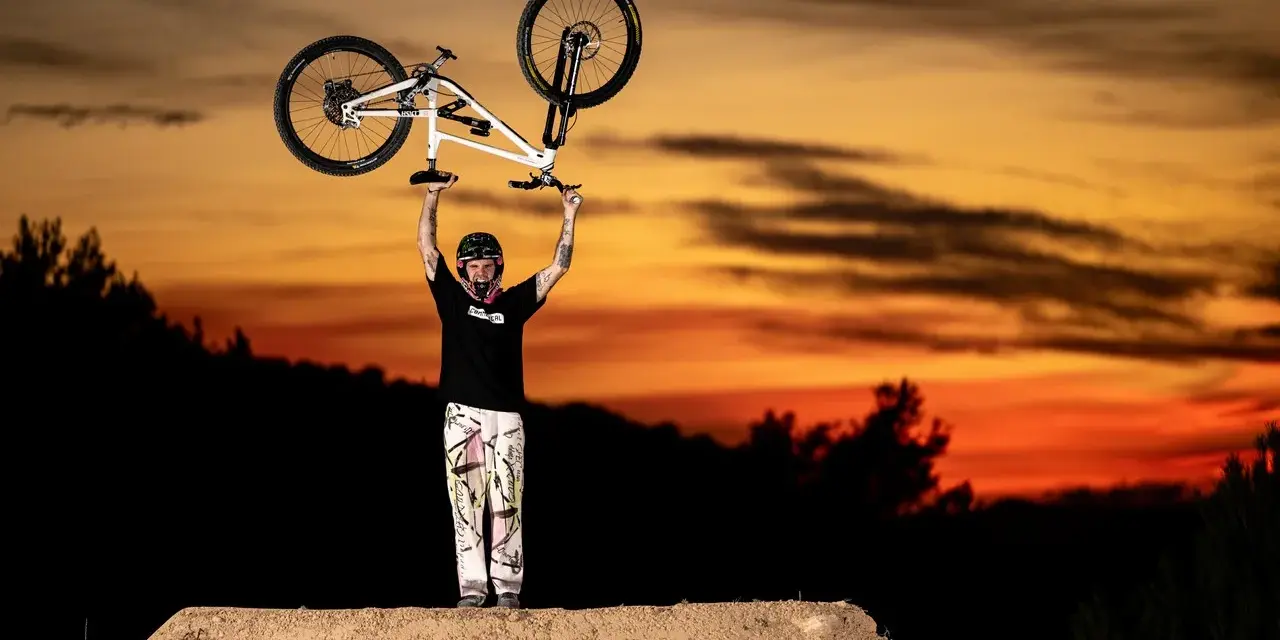
A rider whose style carries from slopestyle to freeride
- He built his name on BMX-influenced bike control, not just raw speed.
- His strongest results came in style-heavy formats like slopestyle and Speed & Style.
- His first Red Bull Rampage appearance in 2025 ended with a fourth-place finish, which matters because that event rewards control under serious pressure.
- His riding is a good case study in how tricks, timing, and terrain reading work together.
- For everyday riders, the practical lesson is simple: session the basics, build impact tolerance, and choose equipment that matches the terrain.
How he came up through BMX and slopestyle
Lemoine’s background matters because it explains the way he moves on a bike. He started in BMX racing as a child, then moved into dirt and mountain-bike riding, and that transition gave him a very specific kind of coordination: quick hands, fast reactions, and the confidence to pull shape into the air without looking stiff. I see that as the real base of his riding, because riders who grow up around BMX usually understand pop, balance, and body position earlier than riders who come up through pure trail riding.
That BMX foundation also explains why his mountain-bike style never feels purely mechanical. He is not just trying to clear features; he is trying to make each movement look clean and intentional. In slopestyle, that difference is huge. A rider can be technically good and still look ordinary if the bike is never fully under control in the air. Lemoine’s early history seems to have taught him the opposite: control first, then creativity. That is the thread that connects his early contests to the way he rides today.
For readers trying to understand why some riders progress faster than others, this is the first lesson: the disciplines you start in shape your instincts later. That becomes even more obvious when you look at the specific formats he has mastered.
Why his riding stands out in modern freeride
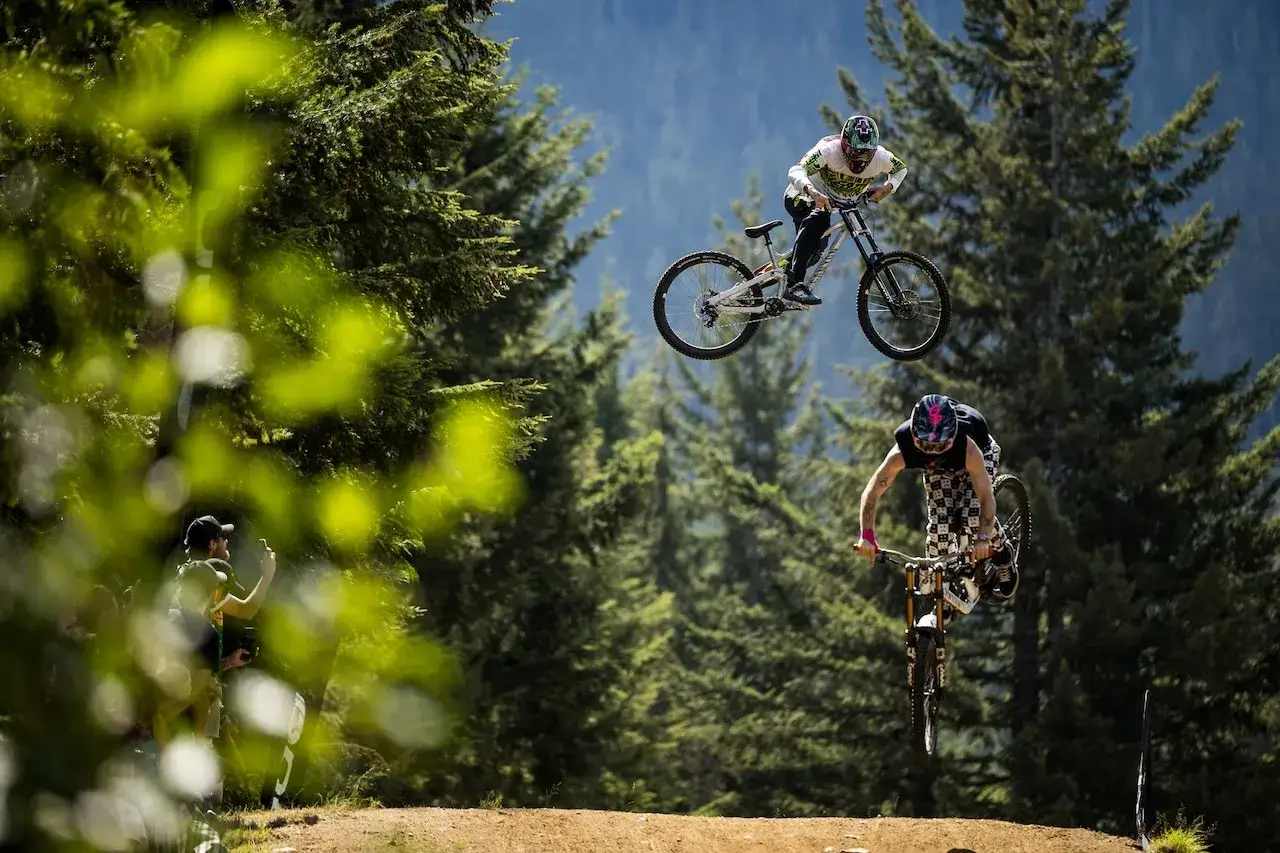
Lemoine is best described as a style rider who can handle speed when the course demands it. That sounds simple, but it is actually a difficult combination. Slopestyle rewards trick difficulty and execution. Speed & Style adds a sprint component, so the rider has to be fast enough to win the race and clean enough to score well on the tricks. Freeride, especially something as exposed as Rampage, is different again: the line is bigger, the consequences are higher, and the decision-making matters as much as the trick list.
What stands out in his riding is not one single trick. It is the way he links features together without losing rhythm. That is the part many amateurs underestimate. In real riding, style is not decoration. Style is usually the visible result of good timing, good braking control, and a bike setup that lets the rider stay relaxed under load. If the bike is fighting you, the style disappears immediately.
Here is the practical way I think about his strengths:
- Air awareness lets him stay composed when a feature kicks or changes unexpectedly.
- Timing helps him carry speed without over-riding the bike.
- Line choice keeps tricks realistic instead of forced.
- Commitment lets him ride bigger features without hesitating halfway through.
That mix is why he translates well across different event formats, and it leads directly into the results that made his name carry beyond one discipline.
The events that show his range
If you want to understand a rider like this, don’t look at one highlight clip. Look at the event types he keeps showing up in. His career is useful precisely because it crosses several mountain-bike categories, each of which asks for something slightly different. That range is what separates a one-event specialist from a rider with real depth.
| Discipline | What it rewards | What Lemoine’s results suggest |
|---|---|---|
| Slopestyle | Big tricks, clean landings, rhythm, and style under pressure | He can package technical risk into a run that still looks smooth |
| Speed & Style | Fast course speed plus judged trick quality | He can sprint hard without losing form in the air |
| Pump track | Acceleration, pumping efficiency, and bike placement | He has the bike feel to stay efficient when traction and flow matter |
| Freeride | Commitment, terrain reading, and survival-level composure | He has carried his style into much bigger, more exposed terrain |
The most important proof of that range is his first Red Bull Rampage appearance in 2025, where he finished fourth. That result matters because Rampage is not a stylized park contest. It is a full-pressure freeride test where the rider has to choose a line, control speed over rough natural terrain, and still stay precise enough to ride something memorable. A fourth on debut tells me his skill set is broader than pure slopestyle. It also tells me that his style survives outside built courses, which is not something every trick rider can say.
That is the bridge to the next question most riders care about: what should you actually copy from him if you are not competing at that level?
What everyday riders can borrow from his approach
There is a temptation to copy the big tricks first. I would argue that is the wrong order. The more useful takeaway from his riding is the structure underneath the tricks: repetition, balance, and controlled progression. If you want to ride with more confidence, borrow the process, not the headline move.
- Session one feature until it feels automatic before you add a second variable.
- Build speed only after your takeoff and landing positions are stable.
- Film your runs so you can see where your body changes under pressure.
- Practice manuals, bunny hops, and corner exits until they stop costing energy.
- Work on committing to a line instead of hesitating mid-feature.
I also think most riders should train more like freeriders than they currently do. Two focused bike sessions per week can produce real gains if they are built around repetition rather than random mileage. A simple structure works well: 20 to 30 minutes of warm-up, 10 to 15 clean reps on a jump or pump section, then short recovery before repeating. That is enough volume to improve bike feel without turning the session into fatigue training.
The common mistake is trying to make every ride a full send. That often creates sloppy braking, poor body tension, and bad habits on landings. Lemoine’s kind of riding looks loose, but it is actually very controlled. That control is what you should train first, because it changes how you choose a bike and how you set it up.
How to set up a bike for style and impact
The gear lesson here is straightforward: a rider moving between slopestyle and freeride needs equipment that feels playful but does not fold under impact. I would not chase the lightest possible setup first. I would chase the setup that keeps the bike calm when you land hard, brake late, or get slightly off line. That usually means stronger parts in the places that matter most.
| Setup area | What style-heavy riding tends to need | Why it matters |
|---|---|---|
| Frame feel | Stable, responsive, and not overly nervous | Lets the rider stay centered on takeoffs and landings |
| Wheels and tires | Durable rims and reinforced casings | Reduces the risk of damage from repeated impacts |
| Brakes | Strong, predictable braking with good heat management | Critical for freeride speed control and exposed approaches |
| Suspension | Enough support to stay high in the travel without harsh bottom-outs | Keeps the bike composed when features get bigger |
| Cockpit | Width and bar position that let the rider move freely | Helps with manuals, whips, and correction mid-air |
The key compromise is always playfulness versus forgiveness. Too much of the first and the bike feels twitchy when the terrain gets rough. Too much of the second and the bike becomes dead in the air. The best riders, including Lemoine, sit in the middle: enough support to land hard, enough liveliness to move the bike creatively. That balance is what makes the bike look like an extension of the rider instead of a passive platform.
Once the setup makes sense, the final piece is understanding where his 2025 Rampage result fits into the broader mountain-bike picture.
Why his 2025 Rampage debut changed the conversation
His Rampage debut matters because it widened the way people read his career. Before that, he was mainly known for style contests, creative trick runs, and the kind of riding that lives in slopestyle and Speed & Style. Finishing fourth on his first Rampage appearance showed that those skills are not limited to park-built courses. They can carry into one of the most demanding freeride events in the world if the rider has enough discipline to manage exposure, speed, and line choice.
That is a useful reminder for anyone following mountain biking in 2026. The sport keeps rewarding riders who can cross categories. A pure jumper who cannot read terrain is limited. A pure descender who cannot move the bike creatively is also limited. The riders who stay relevant tend to combine both sides, and Lemoine is a strong example of that blend.
What I take from his current profile is simple: his value is not just the tricks he lands, but the way he makes different parts of mountain biking talk to each other. That is a smarter model for progression than chasing one viral clip, and it is why his riding keeps drawing attention from both freeride fans and riders who care about technique.
What his riding teaches if you want better results on real trails
The most practical lesson is that progress usually comes from cleaner fundamentals, not louder ambition. If you want more control on jumps, berms, and steep trail features, focus on timing, body position, and repeated quality attempts. If you want to upgrade your bike, start with the parts that protect your confidence under impact, then fine-tune the rest.
That is why riders like Lemoine matter beyond the podium. They show what happens when style is backed by discipline. For a trail rider, that means the next improvement is probably not a bigger trick list. It is a better pump, a calmer landing, a more deliberate setup, and a willingness to session the same feature until the movement feels automatic. Those are the changes that keep paying off long after the first highlight fades.
If you follow his riding with that mindset, you get more than entertainment. You get a blueprint for becoming faster, smoother, and harder to unsettle on the bike.