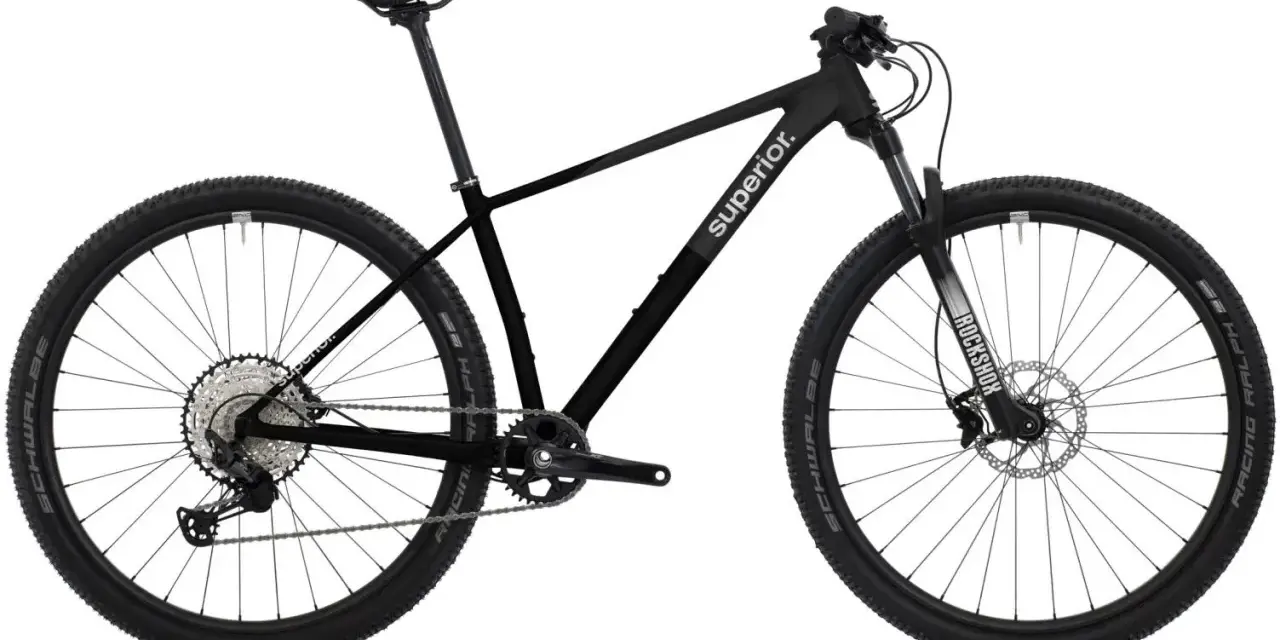
The road-friendly version of a mountain bike
- Tires matter most. A fast-rolling semi-slick usually changes the ride more than any frame upgrade.
- Pressure should match the tire and rider. Too low feels draggy; too high feels harsh and nervous.
- Suspension is part of the equation. A lockout or firmer mode helps on smooth pavement, but it is not magic.
- Technique still counts. Smooth cadence, clean braking, and relaxed posture make the bike feel quicker.
- Use the right tool for the route. For broken streets and mixed surfaces, an MTB can be ideal; for long fast pavement rides, a road-oriented bike still wins.
Why a mountain bike can still make sense on pavement
When I look at this setup honestly, I see a tradeoff rather than a mistake. A mountain bike has wide tires, stable handling, and a relaxed position, which makes it forgiving on cracked asphalt, rough shoulders, and urban routes that would rattle a pure road bike. That is a real advantage in the United States, where a lot of everyday riding is not pristine tarmac but patched streets, bike lanes with debris, and stop-and-go traffic.
The downside is equally real: extra tread, lower gearing, and suspension all add resistance. So the question is not whether the bike can handle pavement. It can. The real question is whether your route rewards comfort and control more than outright speed. For short commutes, mixed-surface rides, winter errands, and neighborhood cruising, the answer is often yes. For long smooth rides, the mountain bike starts to feel like work.
| Route type | How the mountain bike feels | What usually matters most |
|---|---|---|
| Rough city streets | Stable and confidence-inspiring | Comfort, puncture resistance, control |
| Short daily commute | Perfectly practical | Convenience and low hassle |
| Mixed pavement and park paths | Very capable | Versatility |
| Long smooth road rides | Noticeably slower | Efficiency and sustained speed |
That is why I do not treat the bike category as the whole story. Once you know the ride makes sense, the setup determines whether it feels awkward or surprisingly good.
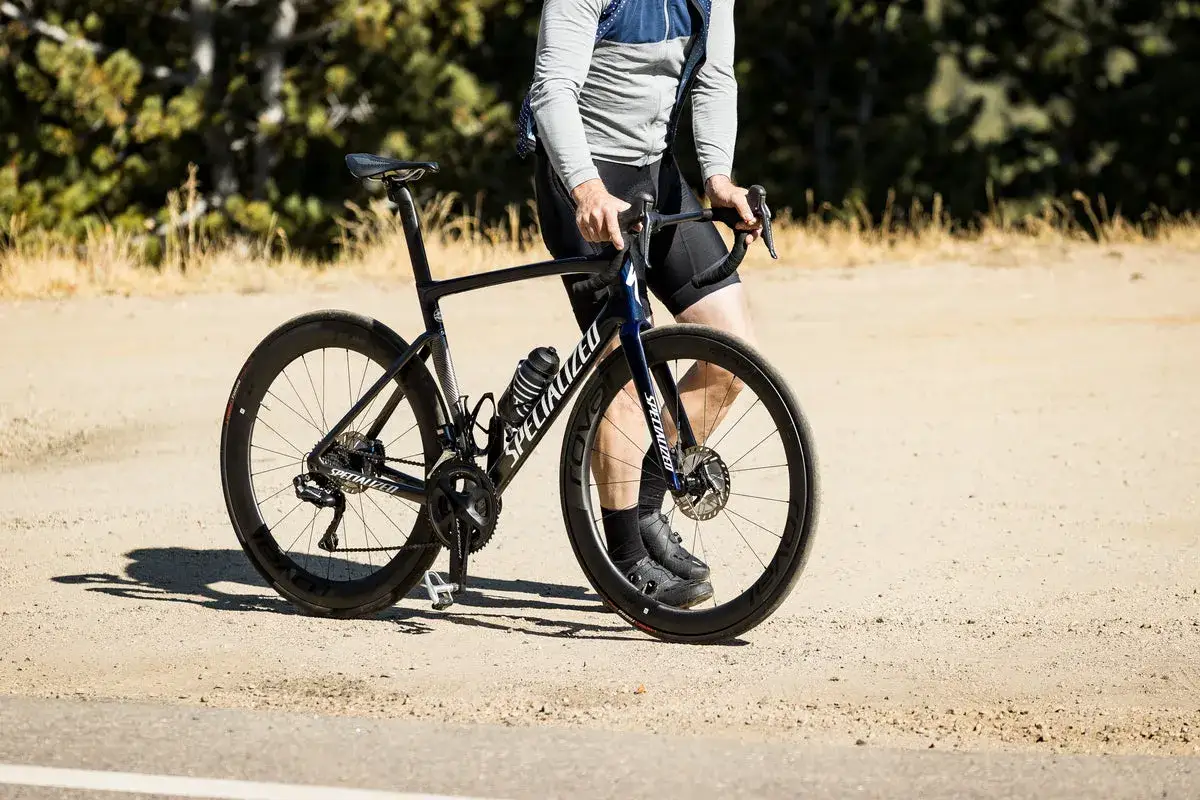
Set up your mountain bike for smoother pavement
If a mountain bike feels sluggish on the road, the first thing I check is the tire. Knobby trail rubber is great in loose dirt, but on asphalt it creates noise, drag, and a squirmy feel in corners. A semi-slick tire, meaning a smoother center strip with lighter side tread, is usually the best compromise for riders who split time between pavement and dirt. If your frame clears it, that one change often delivers the biggest gain.
Pressure matters just as much. There is no universal PSI that works for every rider, because tire width, rim width, rider weight, and surface quality all affect the right number. The practical rule is simple: stay within the tire’s marked range and start from a pressure that feels firm without making the bike skitter over cracks. On pavement, I generally want enough air to stop the tire from wobbling under load, but not so much that every seam in the road punches straight through to my hands and back.
| Component | Road-biased choice | Why it helps |
|---|---|---|
| Tires | Semi-slick or fast-rolling commuter tread | Less rolling resistance and less noise |
| Pressure | Within the sidewall range, tuned to rider weight | Better balance of speed, grip, and comfort |
| Suspension | Lockout or firmer setting if available | Reduces bob on smooth pavement |
| Drivetrain | Clean chain, well-adjusted gears | Less friction and fewer annoying noises |
If your bike has a suspension fork, use the firmest pedal mode it offers on smooth roads. I would not chase a rigid-bike feel, though. That usually leads to overinflation, worse grip, and a harsher ride. A mountain bike is still a mountain bike, and the goal is to make it efficient enough for pavement without ruining what makes it useful off-road. From there, riding style becomes the next lever.
Ride it like a smooth-surface bike, not a trail bike
On pavement, clean habits matter more than aggression. I like a steady cadence in the 80 to 95 rpm range for many riders, because it keeps effort even and reduces the urge to mash huge gears. If the bike feels like it is constantly laboring, the gear choice is probably wrong for the road speed you are trying to hold.
Body position also changes the feel a lot. Stay light on the bars, keep your elbows relaxed, and look farther ahead than you would on a twisting trail. On rough city pavement, this helps you pick a cleaner line and avoid last-second braking. That matters because heavy braking and constant surging are what make a mountain bike feel slow on the road, not just the tire width.
- Brake earlier and smoother. Hard, late braking wastes momentum and makes the bike feel less composed.
- Choose cleaner lines. Avoid tar strips, broken edges, pothole rims, and deep storm debris when you can.
- Keep your upper body quiet. A calm torso makes the bike easier to hold at a steady pace.
- Use the bike’s stability. Wider bars help in traffic and on rough shoulders, but they also add drag if you fight the bike.
- Match effort to the route. On rolling urban terrain, smooth pacing beats repeated sprints.
The practical result is that a mountain bike can feel much faster than expected when the rider stops riding it like a trail bike. Still, some losses are self-inflicted, and those are worth fixing before you blame the frame.
The mistakes that make road miles feel worse than they should
The most common mistake is leaving the bike in full trail mode for every ride. Aggressive knobs, soft pressure, and open suspension may be right for dirt, but they are usually the wrong starting point for pavement. Another common error is overinflating the tires in the hope of making the bike feel like a road bike. That often backfires: the ride gets harsher, traction drops, and the bike can feel nervous rather than fast.
I also see a lot of riders ignore small mechanical losses. A rubbing brake pad, a dirty chain, or a slightly misaligned wheel can erase more efficiency than people expect. On a mountain bike, those little issues are easier to miss because the bike already sounds and feels more rugged. That does not mean they are harmless.
- Using trail tires for every road ride. Great off-road, but unnecessary drag on asphalt.
- Setting pressure and forgetting it. Temperature swings and slow leaks matter more than many riders realize.
- Leaving suspension too active. Extra bob on smooth roads steals energy.
- Ignoring drivetrain drag. A dry chain and rubbing rotors make the bike feel heavier than it is.
- Expecting road-bike speed from trail geometry. A mountain bike can be efficient, but it will not become a race bike.
Once those mistakes are out of the way, the next decision is whether you should keep optimizing the mountain bike or move to a different platform entirely.
How it compares with a hybrid, gravel bike, or road bike
This is where the answer gets practical. If you ride mostly pavement, I do not want to pretend the mountain bike is always the best tool. It is a good tool for the right conditions, not a universal one. The more your routes resemble smooth commuting and long road mileage, the more a hybrid, gravel bike, or road bike starts to make sense.
| Bike type | Best use case | Main tradeoff |
|---|---|---|
| Mountain bike | Broken pavement, rough city streets, mixed terrain | Slower on long smooth rides |
| Hybrid or commuter bike | Daily pavement with occasional rough patches | Less capable on real trails |
| Gravel bike | Mixed road, path, and light dirt riding | Less plush than an MTB off-road |
| Road bike | Fast group rides and longer smooth-surface mileage | Least forgiving on bad pavement |
My rule of thumb is straightforward. If most of your riding is under roughly half pavement, a tuned mountain bike still makes sense. If your time on asphalt climbs toward 70 or 80 percent, you will usually get more out of a road-oriented bike or at least a dedicated second wheelset with faster tires. That threshold is where the conversation stops being philosophical and starts being about efficiency.
There is also a middle ground that many riders overlook: a 29er mountain bike with fast tires can do a surprisingly good job on city streets while still being ready for dirt paths. That is often the sweet spot for riders who want one bike to handle real life instead of one bike to optimize a single surface.The upgrades I would buy before blaming the frame
If I were tuning a mountain bike for regular pavement use, I would keep the upgrade list short and practical. The first move is almost always tires, because that is where the biggest gain lives. The second is a proper pressure check with a floor pump and gauge, because speed and comfort disappear quickly when pressure drifts outside the useful range. After that, I would look at suspension settings, brake rub, and drivetrain cleanliness before spending money on anything fancy.
- Fast-rolling tires. The single most effective road-friendly upgrade.
- Reliable pressure setup. Small changes in pressure can transform the ride feel.
- Lockout or pedal mode for suspension. Useful on smooth pavement if the fork or shock supports it.
- Lights and fenders for commuting. These do not make the bike faster, but they make it more usable every day.
- A second wheelset if you switch surfaces often. Expensive, but the cleanest way to move between road and trail without compromise.
If your rides are mostly pavement and only occasionally dip onto dirt, I would spend on tires first and stop there until the bike proves otherwise. If the bike still feels wrong after that, the frame is probably not the issue; the route and the tool are simply mismatched. In that case, the best upgrade may be a different bike, not more parts.