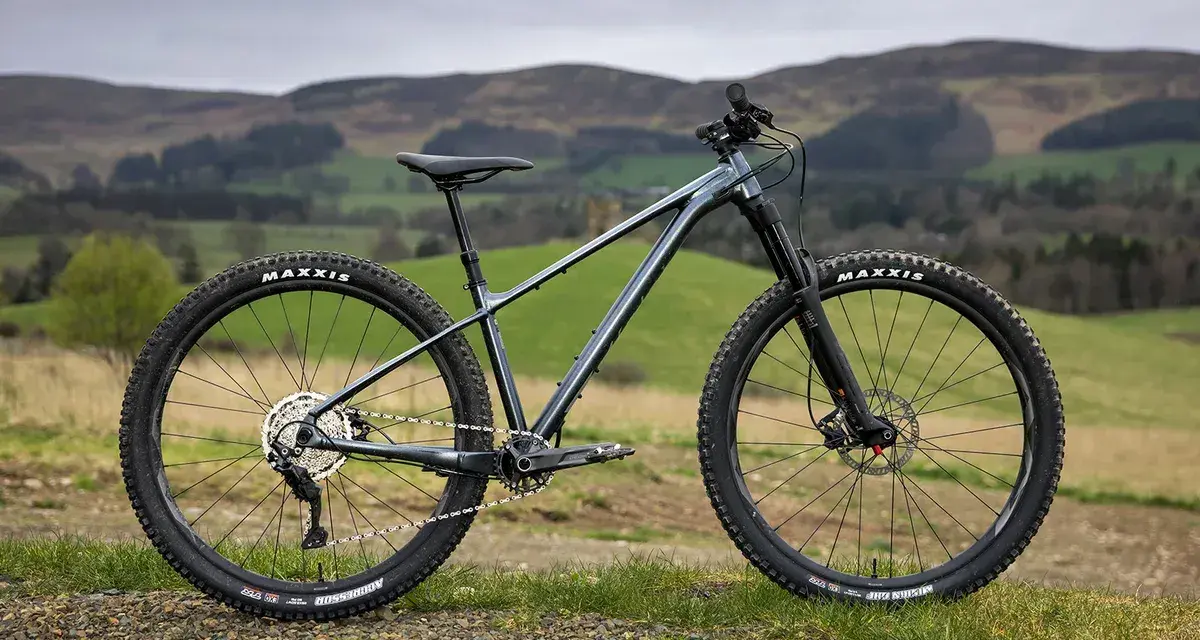
A hardtail mountain bike is the simplest version of a true MTB: it has a suspension fork up front and a rigid rear end. That one design choice changes how the bike climbs, how it behaves on rough trails, and how much maintenance it asks from you. In this article, I break down the definition, the real-world trade-offs, where hardtails make the most sense, and what I would look for before buying one.
The simple version for trail riders
- A hardtail has front suspension only; the rear triangle is rigid.
- It is usually lighter, simpler, and easier to maintain than a full-suspension bike.
- Hardtails pedal efficiently and feel direct on climbs and smoother singletrack.
- They become less forgiving as trails get rougher, steeper, and faster.
- For many riders in the United States, a hardtail is still one of the smartest first mountain bikes.
What a hardtail mountain bike actually is
I usually define a hardtail as a mountain bike with a suspension fork in front and no rear suspension at all. REI describes it the same way: front suspension only, with the back of the bike left rigid. That sounds like a small detail, but it affects almost everything the bike does on the trail.
The front fork softens impacts from roots, rocks, and trail chatter, while the rear wheel stays bolted into a solid frame triangle. That means fewer moving parts, less hardware, and a more direct connection between your legs and the ground. In practical terms, a hardtail is not just a budget version of a mountain bike; it is a specific tool with its own strengths.
One small terminology note matters here too: in the bike world, people usually write it as hardtail, one word. That is the term I would use when talking about trail bikes, XC bikes, or everyday off-road machines. Once you can picture the frame layout, the rest of the category becomes much easier to understand.
From there, the next question is usually simple: how do you recognize one on sight, and how is it different from the other mountain bike types?
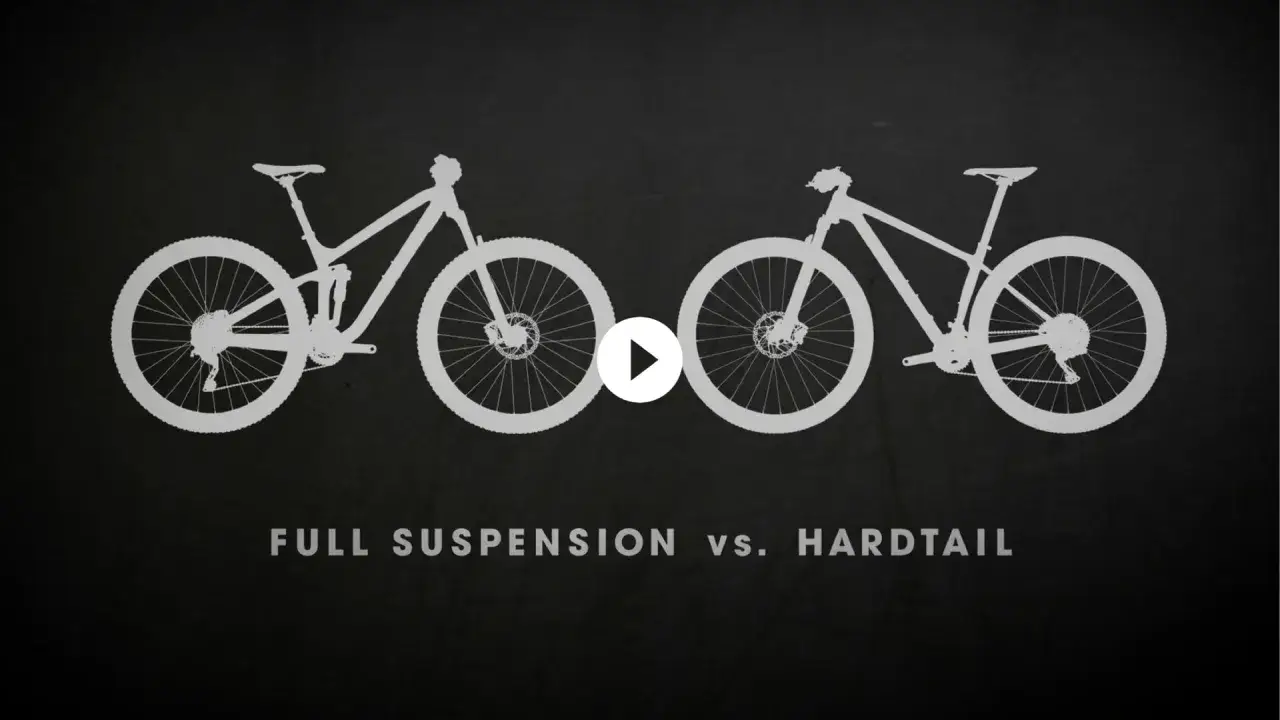
How to spot one at a glance
A hardtail is easy to identify once you know where to look. The bike has a suspension fork in front, but there is no rear shock tucked into the frame and no linkage system connecting the rear wheel to a moving suspension point.
- Front fork - the fork compresses to absorb hits from the front wheel.
- Rigid rear triangle - the rear wheel is attached to a fixed frame, so the back end does not move.
- Simpler frame shape - fewer pivots and bearings usually mean fewer things to service.
- More direct feel - power transfer feels immediate, especially when climbing or accelerating.
A rigid bike is not the same thing. A rigid bike has no suspension at all, while a hardtail gives you at least some cushioning up front. That difference is one reason hardtails sit in such a useful middle ground for mountain biking. Once you see that layout, the real conversation shifts to how the bike rides and when that trade-off is worth it.
Why hardtails feel efficient on climbs and smoother trails
Trek makes a fair point in its buyer’s guide: hardtails are lighter and typically more efficient to pedal than full-suspension bikes. I agree with that in the real world. With no rear shock compressing and rebounding under you, less energy gets lost to suspension movement, and the bike feels more immediate when you push on the pedals.
That efficiency shows up in a few places:
- Climbing - the rear wheel does not waste energy bouncing through a suspension system.
- Acceleration - short efforts feel snappy, which matters on punchy trail climbs and rolling terrain.
- Maintenance - fewer pivots, bearings, and shock parts mean less to inspect and service.
- Weight - the bike is usually lighter for the same price, which helps when you have to carry it or load it into a vehicle.
The trade-off is equally real. On rough ground, the rear wheel has less help staying planted, so the bike can feel harsher and more demanding. I think that is where many riders overestimate comfort and underestimate control. A hardtail is efficient, but it asks the rider to do more work with line choice, body position, and tire setup. That is exactly why the next step is deciding where the bike makes sense and where it starts to run out of room.
Where a hardtail works best and where it does not
In the U.S., a hardtail makes a lot of sense for riders who split time between local singletrack, forest roads, and trail systems that mix climbing with moderate technical sections. It is also a strong choice for riders who want to build skills, because the bike gives clearer feedback from the trail. When you are sloppy with line choice or body position, you feel it immediately.
These are the places where I think hardtails shine most:
- Cross-country riding - efficient pedaling and light weight matter more than plush suspension.
- Smoother trail networks - flow trails and mixed terrain reward the direct feel.
- Bikepacking and adventure riding - the simpler rear end is easy to live with, and the bike still handles dirt roads and rough tracks well.
- Skills development - hardtails teach balance, traction management, and line selection faster than a bike that hides every mistake.
- Budget-conscious builds - your money often goes farther on brakes, wheels, and fork quality instead of rear suspension hardware.
Where they make less sense is equally clear: steep enduro terrain, repeated rock gardens, high-speed descents, and bike-park days where suspension travel becomes a real advantage. If most of your riding looks like that, I would not force a hardtail to be the answer. Instead, I would match the bike to the terrain, which is the part people often skip when they compare hardtails to full-suspension bikes.
Hardtail vs full suspension and rigid bikes
The easiest way to understand the category is to compare it with the other two common setups. A hardtail sits between a rigid bike and a full-suspension mountain bike, and that middle position is exactly why it remains relevant.
| Bike type | Suspension layout | Best at | Main trade-off |
|---|---|---|---|
| Hardtail | Front suspension only | Climbing, general trail riding, lower-maintenance ownership | Less comfort and traction on rough descents |
| Full suspension | Front and rear suspension | Rough trails, faster descending, maximum comfort and control | More weight, more cost, more maintenance |
| Rigid | No suspension | Gravel, commuting, very smooth dirt, ultra-simple setups | Harsh on real mountain bike terrain |
My own shortcut is simple: if a rider wants the most trail feedback for the money, I lean hardtail. If the priority is staying planted and comfortable on rough, fast terrain, full suspension usually wins. And if someone wants a bike that can do everything with almost no moving parts, rigid is the extreme version of simplicity, but it only makes sense on gentler ground. That comparison leads naturally into the practical buying question: what actually matters when you choose one?
What I would look for when choosing one
For most riders, the frame material matters less than the overall build quality and fit. I would rather have a well-designed aluminum hardtail with a good fork and strong brakes than a flashy frame with weak contact points and poor geometry. The details below are the ones that usually make the biggest difference on trail.
- Geometry - This is the bike’s shape and riding position. A more aggressive hardtail usually has a slacker front end for stability, while a cross-country model feels quicker and more upright.
- Fork quality - The fork is the heart of the ride feel. A better fork controls bumps more cleanly and keeps the front wheel calmer on rough terrain.
- Hydraulic disc brakes - These give more predictable stopping power than mechanical systems, especially when the trail gets wet or steep.
- 1x drivetrain - A drivetrain with one front chainring simplifies shifting. Fewer parts up front usually mean cleaner operation and less fuss.
- Dropper post - This is a seatpost that lowers with a lever. On a hardtail, it is often the single upgrade that makes steep descents feel dramatically safer and more natural.
- Tubeless-ready wheels and tire clearance - Tubeless setups can improve puncture resistance and let you run lower tire pressure for more grip.
In my view, the most overlooked part is fit. A hardtail that is too short feels nervous; one that is too long feels awkward on technical climbs and tight turns. After that, tire choice and pressure matter more than many new riders expect, which is why setup mistakes deserve their own section.
Common setup mistakes that make a hardtail feel worse
A lot of complaints about hardtails are really complaints about setup. The bike may be fine, but the tires, fork, and fit are working against the rider. I see the same mistakes over and over, and they are usually easy to fix.
- Running too much tire pressure - This makes the bike bounce, lose grip, and feel harsher than it should.
- Buying the cheapest fork on the rack - A low-quality fork can ruin the front-end feel even if the frame is decent.
- Ignoring fit - If reach and bar height are wrong, the bike will feel unstable or cramped no matter how good the parts are.
- Skipping the dropper post - On steep terrain, standing high above the saddle is awkward and less controlled.
- Expecting full-suspension comfort - A hardtail rewards active riding; it does not erase rough terrain for you.
REI’s point about simpler maintenance is true, but only if the bike is set up sensibly from the start. Once you dial in the basics, a hardtail can feel far more capable than its reputation suggests. That brings me to the real decision most riders need to make: should a hardtail be your next mountain bike, or should you spend the money elsewhere?
The decision I would make for most trail riders
If your riding is mostly local singletrack, mixed climbs, and trail loops that are fun more than brutal, I would seriously consider a hardtail first. It gives you a cleaner riding experience, lower maintenance, and a stronger price-to-performance balance. For many riders, that is more valuable than rear suspension they do not fully need.
If your usual trails are rough, fast, and technical enough that you spend most of the ride hanging on rather than pedaling efficiently, then a full-suspension bike is probably the better long-term choice. I do not think hardtails are better in every situation. I think they are better when simplicity, efficiency, and skill development matter more than maximum plushness.
That is the real answer behind the question: a hardtail is not a compromise by default. It is a focused mountain bike with a clear job, and when the terrain matches that job, it is one of the most satisfying bikes you can ride.