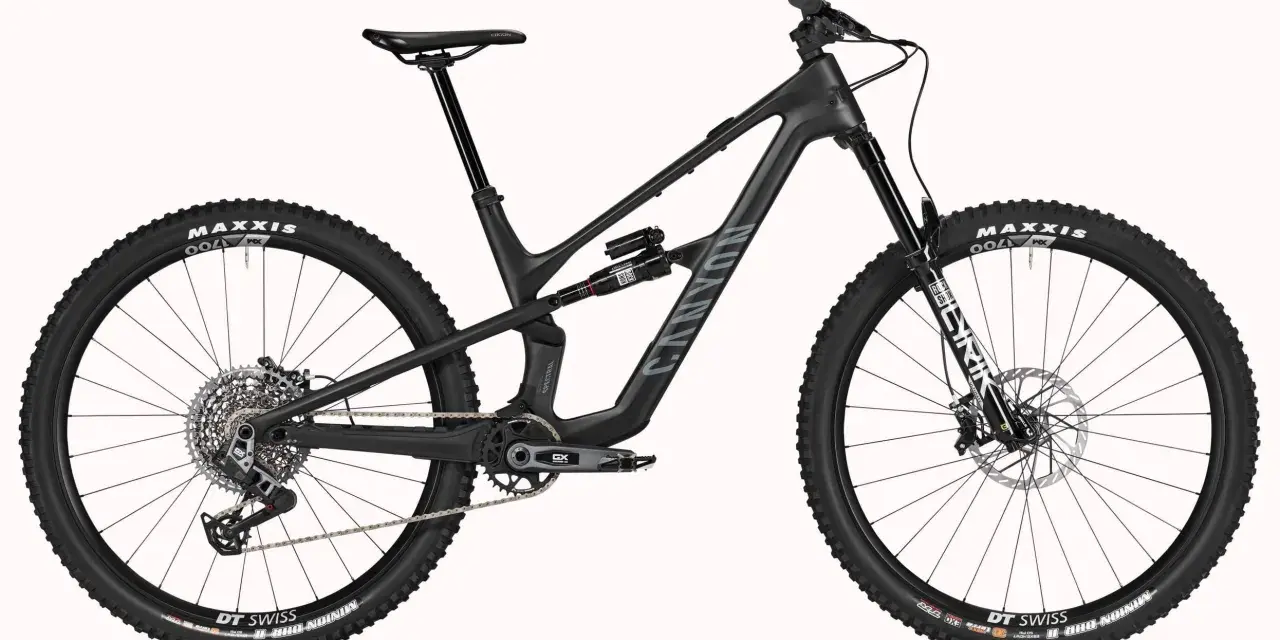
The choice between a mixed-wheel mountain bike and a full 29er is not a fashion debate; it changes how the bike rolls over trail chatter, how quickly it changes direction, and how much body movement the rear end allows. The mullet vs 29er decision mostly comes down to whether you want the bike to prioritize speed and calmness or agility and playfulness. I’m going to break that down in practical terms so you can match the setup to your trails, your riding style, and the frame you already own or are considering.
The short version for most riders
- Mixed wheel means a 29-inch front wheel and a 27.5-inch rear wheel.
- Full 29er gives you the best rollover, traction, and speed retention.
- If your trails are fast, rough, and open, I usually lean toward the 29er.
- If your trails are steep, technical, and full of quick direction changes, the mixed-wheel setup can feel better.
- Frame design matters as much as wheel size, especially if you plan to convert an existing bike.
What each setup really means
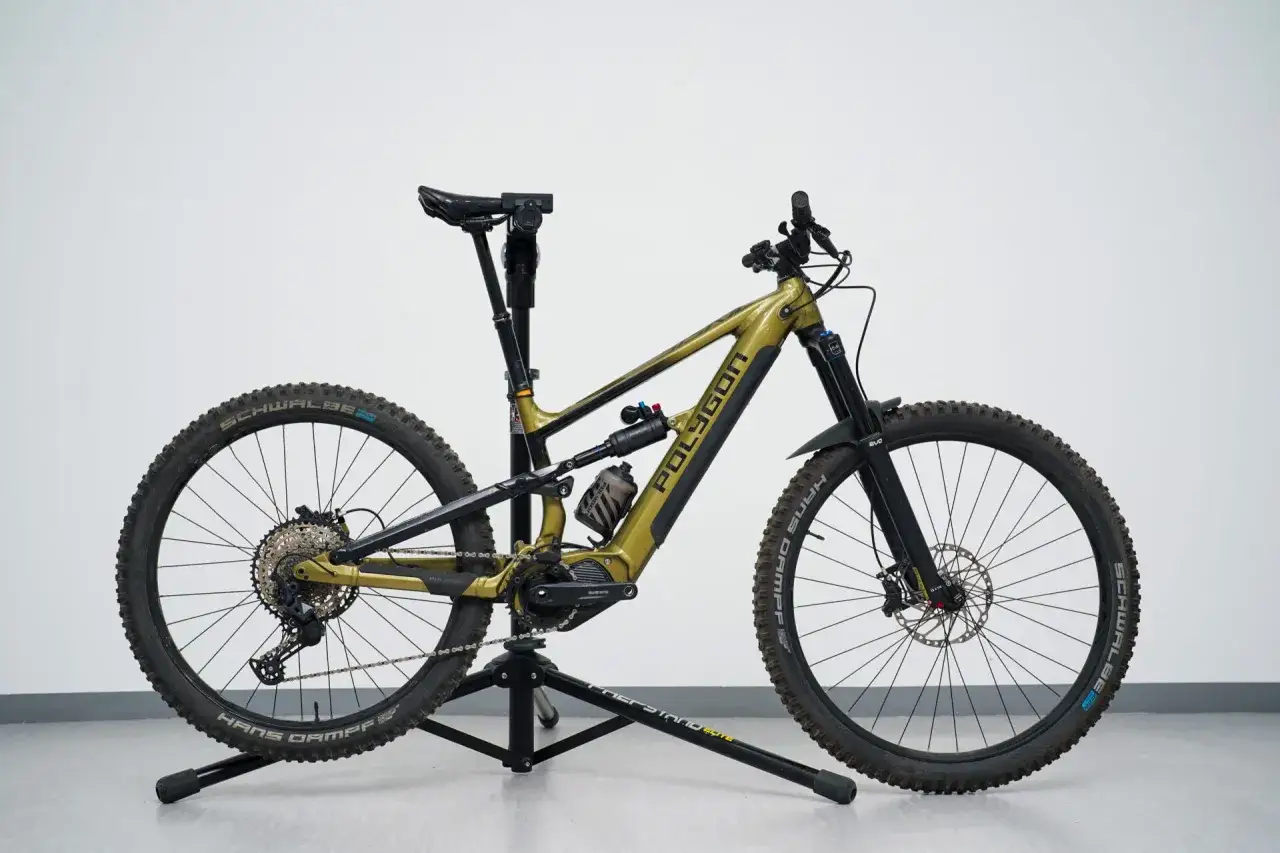
A mixed-wheel bike pairs a 29-inch front wheel with a 27.5-inch rear wheel. That smaller rear wheel is the whole point: it can make the back of the bike feel easier to move, create more room behind the saddle on steep descents, and give the bike a livelier rear end without giving up the rollover help of a big front wheel. A full 29er keeps both wheels the same size, so the bike usually feels more even, more stable, and more predictable at speed.
In practice, most of the real comparison lives in full-suspension trail and enduro bikes. Hardtails are a separate conversation because the rear triangle, clearance, and rider position matter even more there. Once the layout is clear, the next question is how it changes the ride.
How they feel on the trail
Here is the simplest way I think about it: the 29-inch front wheel does the calm, confidence-building work, while the smaller rear wheel changes how quickly the bike pivots under your body. That is why one setup rewards speed and the other rewards movement.
| Trail trait | Mixed-wheel bike | Full 29er |
|---|---|---|
| Rollover | Strong up front, slightly less smooth at the rear | Best at softening roots, rocks, and braking bumps |
| Cornering | Quicker to lean, pivot, and change line | More composed, but less eager to snap around |
| Momentum | Keeps speed well, but not as effortlessly | Carries speed with less effort |
| Manuals and lifts | Easier to unweight and pop | More planted and harder to lift |
| Pedal clearance | Depends on frame design; can be worse if forced | Usually easier to manage |
| Best use | Enduro, steep tech, bike park | XC, trail, rough all-day rides |
That table is why the debate is rarely about a universal winner. It is about which compromises you are willing to accept, and that leads straight into where each setup actually shines on the trail.
Where a mixed-wheel bike makes more sense
I reach for a mixed-wheel setup when the trail is steep enough that the rear end needs to get out of the way and the bike should feel easier to throw around. On a bike-park jump line, a rocky enduro stage, or a tight descent with repeated direction changes, the smaller rear wheel can make manuals, whips, and quick line corrections feel less awkward.
- Steep, technical descents feel easier to manage because the bike gives you a little more room to move behind the saddle.
- Bike parks and jump trails reward a rear end that feels quick, light, and easy to place in the air.
- Riders who like an active bike often prefer the mixed-wheel feel because it responds faster to body input.
- Some smaller riders like it when a full 29er feels tall or awkward, although fit still depends on the frame.
The tradeoff is real: the bike can feel a touch less calm when the trail opens up or gets very rough. I do not treat mixed wheels as an automatic upgrade just because they feel fun in a parking-lot test ride. Once the trail speeds up or stretches out, the balance shifts.
Where a full 29er still wins
A full 29er is the safer default when the trail is long, rough, and speed-oriented. Bigger wheels carry momentum better, smooth out repeated hits, and keep the bike feeling calmer when you are tired and the line choice gets sloppy. If you ride a lot of rolling trail, fast backcountry descents, or longer climbs, that extra calmness is not a minor detail.
- Long climbs and all-day rides usually feel easier because the bike holds speed without as much effort.
- Open, rough descents suit the way 29er wheels roll over roots, rocks, and braking bumps.
- XC and trail racing often favor the more efficient, stable feel of the larger wheels.
- Predictable grip matters when you want the bike to stay settled instead of twitching under load.
If your local riding is fast and rolling, the 29er does more of the work for you. Before you swap anything, though, geometry and frame design deserve a hard look.
Geometry changes that can make or break a conversion
This is where a lot of bad advice starts. A smaller rear wheel is not just a tire swap; it changes the way the bike sits under you. On a conversion, the rear axle drops by roughly 20 mm compared with a 29er rear, depending on tire choice, and that can alter bottom-bracket height, pedal clearance, and weight balance in ways you will feel on the trail.
Some bikes use a flip chip, a small hardware insert that changes geometry or wheel compatibility, and those are the safest place to start. If a frame was not designed for mixed wheels, I would check clearance, sag, and intended use before I call the swap an improvement.
- Bottom-bracket height can drop enough to create more pedal strikes on rocky trails.
- Rear-triangle clearance may be tight, especially if you run a large tire.
- Suspension tune can feel different after the swap, so rebound and sag may need a reset.
- Weight balance changes when the rear of the bike sits lower, which affects cornering and climbing.
- Native compatibility matters more than marketing; a frame designed for mixed wheels will usually feel cleaner than a forced conversion.
With those limits in mind, the choice gets much simpler.
The decision rule I use with riders
My shorthand is simple. Choose the mixed-wheel bike if you ride steep enduro, bike-park laps, or technical descents where you want the bike to feel easier to throw around. Choose the full 29er if you care most about speed retention, traction, and all-day control.
- Pick mixed wheel if your riding is steep, playful, and full of quick body movements.
- Pick full 29er if your trails are rough, fast, and long enough that efficiency matters more than flickability.
- Start with the frame’s native setup if you are undecided, because that usually gives the most balanced ride.
- Only convert when the bike is designed for it or when you understand the geometry tradeoff you are taking on.
If I were choosing one bike for most riders in the U.S. right now, I would still start with a 29er and move to mixed wheels only when the terrain or the frame clearly asks for it. That keeps the decision practical instead of emotional, which is usually where the best bike choices come from.