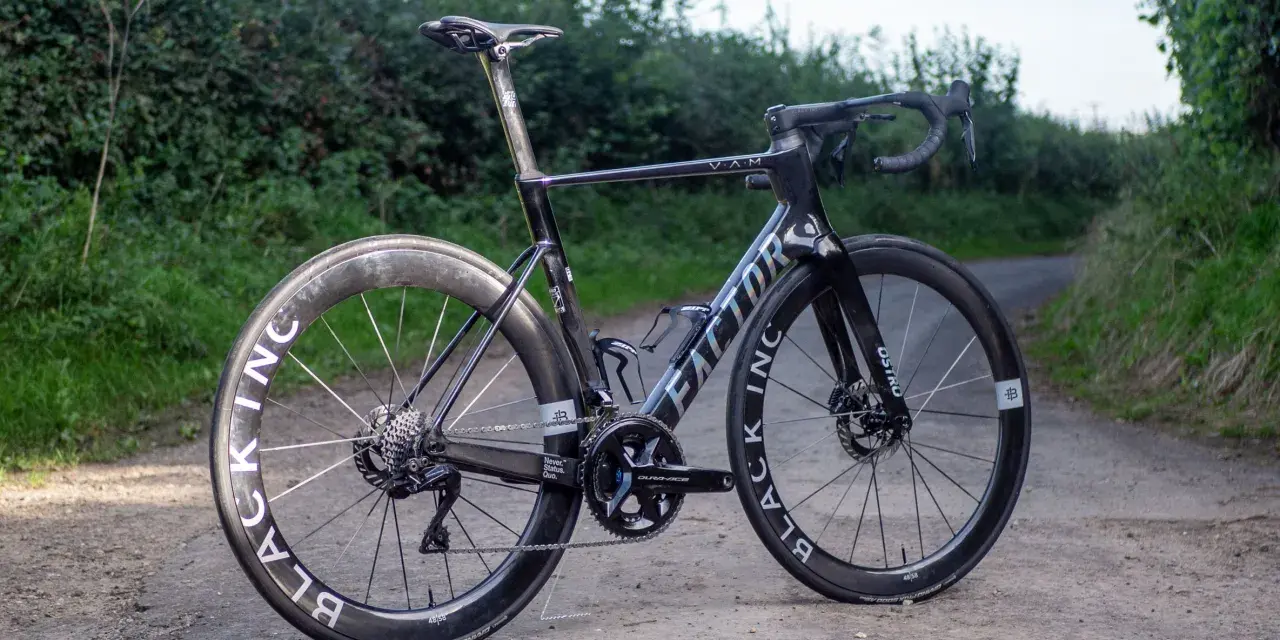
The Ostro VAM is the kind of road bike that only makes sense if speed matters in more than one scenario. I read it as a race-first all-rounder: light enough for climbing, sharp enough for criteriums, and aerodynamic enough to matter on flat and rolling roads. This article breaks down who it suits, where it sits in Factor’s range, and which build choices actually change the ride.
The right choice if you want one fast race bike that still climbs well
- Factor positions the Ostro VAM as a sub-7 kg aero road bike built for climbing, sprinting, and varied race terrain.
- It is a premium machine with a US starting price of $10,399, so the real question is fit and use case, not just speed.
- The frame’s 32 mm measured tire clearance keeps it in fast-road territory rather than rough all-road or gravel use.
- If you want the most aero-focused option in Factor’s road lineup, the ONE is more specialized; if you want more daily practicality, the MONZA is easier to live with.
- The biggest buying decisions are size, cockpit dimensions, tire choice, and whether you budget for a power meter.
What the Ostro VAM is built to do
I think the cleanest way to understand this bike is as an aero all-rounder rather than a pure aero specialist. The VAM name points toward climbing speed, and that matters because this frame is meant to stay quick when the road tilts up instead of becoming a compromise only on flatter courses. In practice, that means one bike for fast group rides, road races, hilly fondos, and the kind of long solo efforts where both weight and drag start to matter.
That balance is the whole appeal. A dedicated aero bike can feel brilliant on flat roads and slightly overbuilt on climbs, while a lightweight climbing bike can leave free speed on the table when the pace rises on the flat. The Ostro VAM tries to sit in the middle in a way that feels intentional, not watered down.
Factor also treats it as a serious race platform, not a comfort-first road bike with sporty paint. The riding position is aggressive, the handling is lively, and the bike is meant to stay composed when you are pushing hard rather than cruising. That is exactly why it is such a strong option for riders who race or train like racers. That leads directly to the more important question: who actually benefits from that character, and who should probably look elsewhere?Who should buy it and who should skip it
When I evaluate a bike like this, I separate “sounds fast” from “fits the way I actually ride.” The Ostro VAM is a smart buy if you want one high-end road bike that can handle almost any race-like situation without feeling sluggish on climbs or twitchy on descents.
- Buy it if you race criteriums, road races, or fast club rides and want aero speed without giving up climbing ability.
- Buy it if your terrain is mixed and you want one bike to cover rolling roads, punchy climbs, and hard accelerations.
- Buy it if you value sharp handling and a direct feel under power more than all-day comfort.
- Skip it if you want a relaxed endurance bike for long, low-stress rides.
- Skip it if your roads are rough enough that you want more tire clearance than 32 mm measured.
- Skip it if you need mounts, storage, or a more practical setup for training, commuting, or mixed-surface riding.
The main tradeoff is simple: the bike gives you performance, but it asks for commitment in return. Fit needs to be right, your road surfaces need to be decent, and your budget needs to stretch beyond the frame alone. Once that is clear, the next step is comparing it with the rest of Factor’s road lineup so you do not overbuy or choose the wrong personality.
How it stacks up against the rest of Factor’s road range
For most buyers, the real choice is not just “Ostro or not.” It is “which Factor road bike matches my riding?” I would narrow it down by course profile and how much day-to-day practicality you need.
| Model | Best for | Starting price in the US | Why I would choose it | Tradeoff |
|---|---|---|---|---|
| Ostro VAM | All-round racing, climbing, sprinting, fast group rides | $10,399 | Best balance of aero speed and low weight | Less practical than a more everyday road bike |
| ONE | Flat and rolling races where aerodynamics dominate | $14,199 | Most specialized aero road option in the range | More focused, less versatile for mixed terrain |
| MONZA | Fast training, everyday riding, and race-adjacent use | $7,199 | More approachable and more practical for daily use | Not as sharp or as race-focused as the Ostro VAM |
| O2 VAM | Pure climbing emphasis and lighter-feeling mountain days | $11,299 | Better if climbing is the main event | Less aero emphasis than the Ostro VAM |
My rule of thumb is straightforward. If your riding is mostly flat and fast, the ONE starts to make more sense. If you want a sharper, more expensive race bike that is still usable everywhere, the Ostro VAM is the sweet spot. If you want the brand’s feel without going all the way into a premium race build, the MONZA is the more sensible spend. That comparison matters, because the setup choices on the Ostro can change the ride more than many buyers expect.
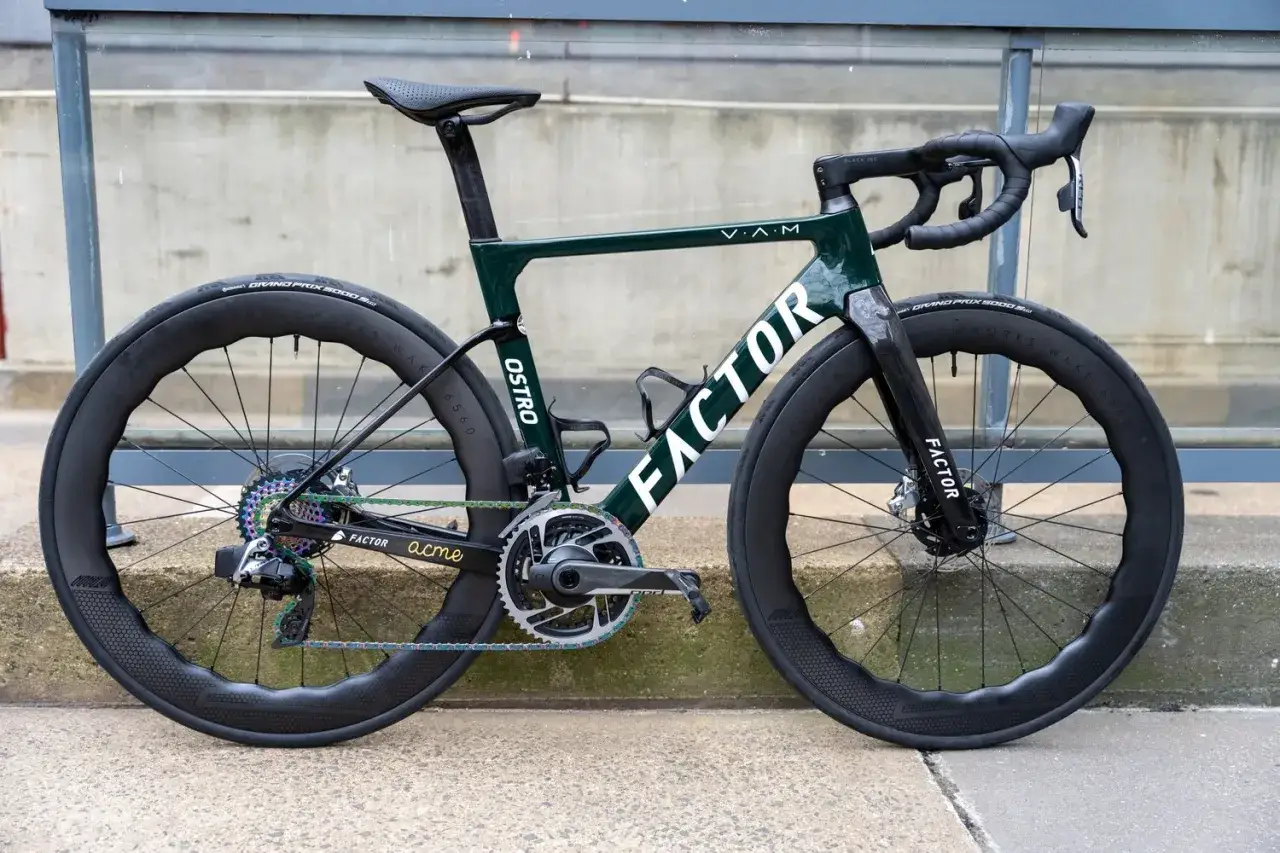
The setup choices that change the ride most
This is the section where I would slow down and avoid guessing. On a bike like this, the frame is only part of the story. The cockpit, wheel depth, tire width, and fit position will shape how fast, stable, and comfortable the bike feels far more than a casual buyer expects.
Fit and cockpit
The Ostro VAM now includes a 45 cm size, and the seat-tube angle is 0.5 degrees steeper than before. That sounds small, but it matters if you are a smaller rider or if you care about getting your hips into a more centered power position. The integrated Black Inc aero barstem also means your reach and bar width choice are not minor details. They are part of the bike’s handling, comfort, and sprint feel.
I would not order this bike without a proper fit session if I could avoid it. Integrated cockpits look clean and test well in the wind tunnel, but they make “I’ll just swap stems later” less practical. If you know your stack and reach numbers already, use them. If you do not, get them first.
Wheels, tires, and gearing
The stock Black Inc 48|58 wheelset is tuned around 28 mm tires, and that is the clearest clue to how Factor expects the bike to be used. The frame’s 32 mm measured tire clearance gives you some room, but this is still a fast-road setup, not a broad all-road platform. In real terms, I would think 28 to 30 mm tires first if your pavement is decent, and only push wider if your roads are genuinely harsh.
That setup also helps explain the ride feel. The deeper rear rim and slightly shallower front rim are there to balance aerodynamics with crosswind stability, which is useful on open roads and in gusty conditions. If you ride in places where wind is a constant factor, that is not marketing fluff. It is a real handling advantage.
Read Also: Cyclocross Bike Sizing Guide - Find Your Perfect Fit
Power meter and component choices
One thing I would budget for early is a power meter if training data matters to you. On some premium builds, it still is not part of the standard package, and that can catch buyers off guard. I also would not ignore the fact that this bike is built around electronic shifting and internal routing. That keeps the aesthetics and aerodynamics clean, but it is less forgiving for riders who prefer mechanical simplicity or constant garage tinkering.
If you want the cleanest possible build, the stock spec makes sense. If you want the bike to fit your training habits exactly, spend money on the cockpit dimensions, the right tires, and the measurement tools you actually use. That is where the ride changes. With those details in mind, the next question is less about the bike itself and more about how to buy it sensibly in the US market.
What I would check before ordering in the US
At this price level, buying by reputation alone is a mistake. I would treat the order like a fit-and-spec decision, not a brand purchase. The bike is premium enough that small choices have an outsized effect on how satisfied you will be six months later.
- Confirm your size using stack and reach, not just seat-tube length.
- Decide whether you want the stock wheelset or a different depth based on your local wind and road quality.
- Budget for a power meter if you train with one regularly.
- Choose tire width around your roads, with 28 mm as the natural starting point for most fast road setups.
- Ask whether the build you want includes the cockpit width and stem length that match your fit report.
- Check lead time and service support before you place the order, especially if you need the bike for a specific event window.
I also think it is smart to compare the Ostro VAM against the time and money you would spend modifying a more practical road bike. If you already know you will want a power meter, specific wheels, and a dialed cockpit, the price can rise faster than expected. That does not make the bike poor value. It just means the value is concentrated in performance, not in convenience. The new 2026 colors, Arctic Chrome and Terracotta Orange, are a nice touch, but I would keep them low on the priority list.
The version of this bike that still makes sense in 2026
If I were choosing with my own money, I would buy the Ostro VAM when I wanted one road bike to do serious work across a wide range of fast riding: racing, climbing, hard solo efforts, and aggressive group rides. That is the use case where it earns its keep. It is quick without being a one-note aero bike, and light without pretending to be a pure climbing frame.
I would choose the ONE if flat speed mattered more than versatility, and I would choose the MONZA if I wanted a more forgiving, more practical bike that still feels genuinely fast. That is the cleanest way to think about the range. On this platform, fit and purpose matter more than hype, and that is exactly why the Ostro VAM remains relevant.
If you want one premium road bike that feels serious every time you clip in, this is still a very strong answer.