Choosing a first road bike is mostly about making the learning curve easier. For women who are new to road riding, the details that matter most are frame size, cockpit width, saddle shape, and tire clearance, not a flashy paint job or the most aggressive race geometry. In the U.S. market, I would start with an endurance-oriented aluminum bike unless you already know you want a racier position or plan to race soon.
The best first road bike is the one that fits cleanly and feels easy from the first ride
- Choose endurance geometry first if comfort and confidence matter more than racing speed.
- Look for 28-32 mm tires at a minimum; 35 mm or more is helpful on rough pavement.
- Modern aluminum frames with a carbon fork usually give the best value for beginners.
- Set aside $200-$350 for helmet, pedals, shoes, pump, tubes, and basic tools.
- A good test ride should feel stable, not stretched out, and easy to control at low speed.
What a beginner road bike should feel like
I want a first road bike to feel calm, easy to steer, and easy to stop. If a test ride makes you reach too far for the hoods, lock your shoulders, or wobble when climbing at low speed, that frame is working against you.
- Neutral posture instead of a stretched-out sprint position.
- Enough stack so your hands are not forced too low. Stack is the vertical frame measurement that affects handlebar height.
- Brakes you can reach with one or two fingers without straining.
- Gearing that lets you spin on hills instead of grinding.
- A saddle and handlebar combo you can tolerate for 30 to 60 minutes.
When those basics are right, confidence comes quickly, which matters more than shaving grams on day one. That leads straight into geometry, because frame shape determines most of that early feel.
Why endurance geometry usually wins
For beginners, geometry matters more than brand loyalty. Trek notes that traditional road tires are usually up to 28 mm and paired with race-focused geometry, while relaxed endurance frames can clear up to 45 mm, which buys comfort, traction, and control on rougher pavement. I read that as a simple rule: start with endurance unless you already know you want a low, aggressive front end.
| Type | What it feels like | Best for | Main trade-off |
|---|---|---|---|
| Race road | Low, long, quick to accelerate | Experienced riders and faster group rides | Less forgiving on the back, neck, and wrists |
| Endurance road | More upright, stable, and relaxed | New riders, longer rides, and mixed pavement | Not quite as sharp in hard sprinting |
| All-road | Endurance-like with more tire room | Broken pavement, rough shoulders, light gravel | Slightly heavier and less race-focused |
If you are torn between race and endurance, choose endurance and move the cockpit later if needed. It is much easier to make a comfy bike a little faster than to make an aggressive bike comfortable.
Beginner-friendly models I would shortlist
I do not think first-time riders need to chase a women-only label to get a good fit. What matters is which geometry, sizes, and contact points line up with your body. If I were shopping in the current U.S. market, these are the three bikes I would put on the short list first.
| Bike | Current U.S. price | Why it works for a beginner | When I would skip it |
|---|---|---|---|
| Specialized Allez Shimano Claris | $1,199.99 | Light alloy frame, simple build, and a price that leaves room for pedals and a proper helmet | If you want a very relaxed endurance fit right out of the box |
| Trek Domane AL 2 Gen 4 | $1,199.99 | Smooth aluminum endurance road bike that is easy to live with on everyday pavement | If you want a racier front end and a more aggressive position |
| Liv Avail AR 3 | $1,450 | Comfort-first endurance shape with a fit philosophy that many smaller riders find easier to dial in | If your budget is fixed right at the lowest entry point |
If I had a $1,200-$1,500 ceiling, I would test the Domane AL 2 Gen 4 and the Allez first, then compare them against the Avail AR 3 if the shop has my size. The right answer is usually the one that lets you relax your grip immediately.
How to check fit in a store or on a test ride
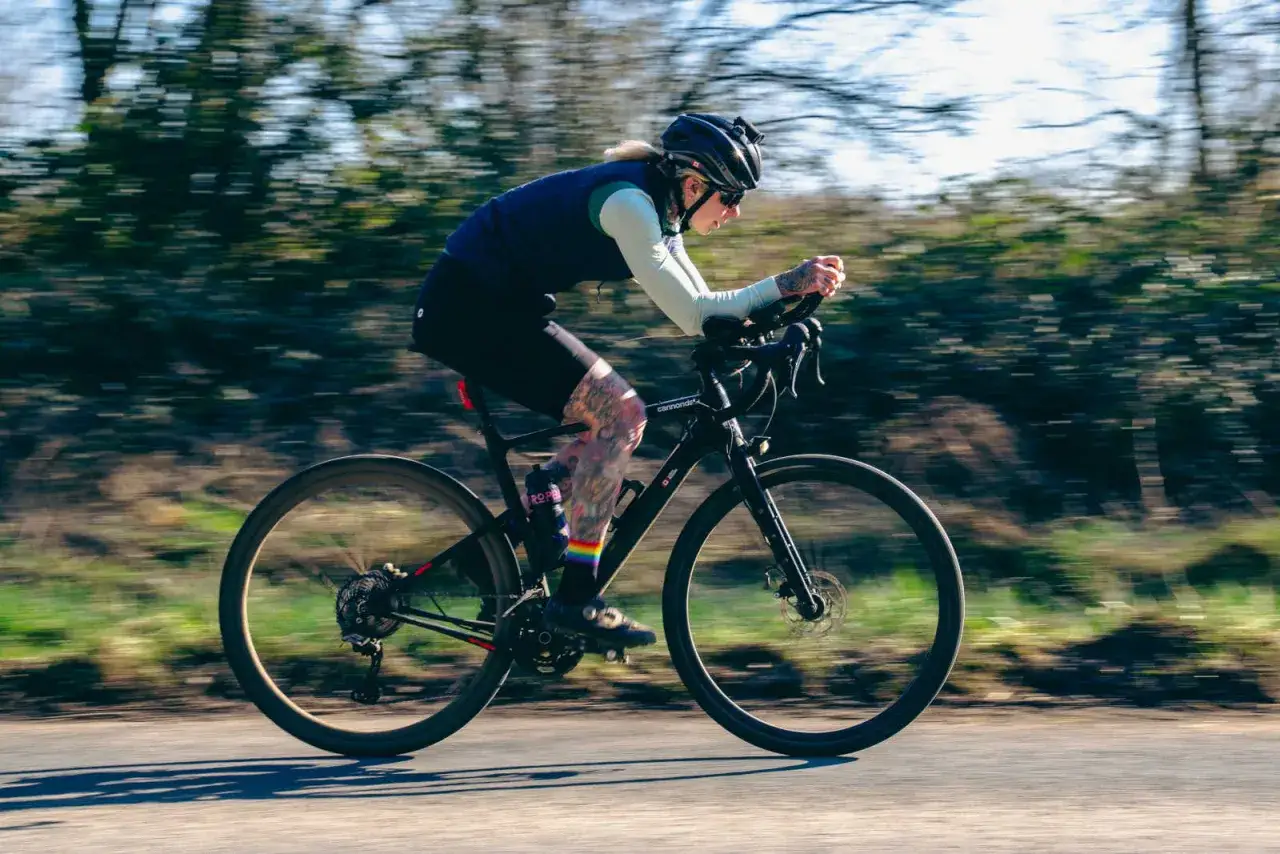
Fit starts with the chart, but it ends with the test ride. Liv's fit guide is blunt about this: sizing charts are only a reference, and a test ride plus a professional fit matters more than the number on the frame. I agree, because a bike can be the right size on paper and still feel wrong once your hands, hips, and shoulders are on it.
- Stand over the top tube and make sure you are not perched on the edge of the frame.
- Hold the hoods and check that you can brake without fully straightening your elbows.
- Ride slowly in a straight line and see whether the steering feels nervous or settled.
- Shift into an easy climbing gear and confirm that your knees and hips feel natural.
- Pay attention to saddle pressure for at least 10 to 15 minutes, because short parking-lot loops can hide discomfort.
Two fit details matter more than most beginners expect: stack, the vertical distance that affects how tall the front end feels, and reach, the horizontal distance to the handlebars. If a bike's stack and reach are off, no saddle swap will fully rescue it, so the frame has to be right first. For smaller riders, narrower handlebars and slightly shorter cranks can reduce shoulder tension and make cadence easier, but I would change those only after the frame size is sorted.
How much to budget in the U.S. in 2026
For a first road bike, the sweet spot is usually an aluminum frame with a carbon fork and disc brakes, often somewhere around $1,200 to $2,000. That range gets you enough quality to enjoy the bike without paying for race-level parts you will not use yet.
| Budget | What you can expect | My take |
|---|---|---|
| $900-$1,300 | Basic drivetrain, simpler wheels, and a solid frame if you shop carefully | Fine if the fit is excellent and you are patient about component upgrades |
| $1,300-$2,000 | Better braking, more consistent shifting, and a more confidence-inspiring ride | This is the best value range for most beginners |
| $2,000-$3,000 | Lighter wheels, cleaner finishing kit, and a more refined long-term bike | Worth it if you already know road riding will be a regular habit |
I would also keep another $200-$350 aside for the parts that make the bike usable from day one.
- Helmet: $60-$180
- Pedals and shoes: $100-$350
- Pump, tubes, and multitool: $50-$120
- Two bottles and cages: $20-$50
The money trap is spending the whole budget on the bike and then riding it in the wrong position or without the basics. A smart first purchase includes the setup, not just the frame.
Mistakes that make a first road bike feel harder than it should
Most beginner mistakes are fit problems disguised as product choices. I see the same few ones over and over.
- Choosing race geometry because it looks faster.
- Buying by height alone and ignoring inseam, reach, and shoulder width.
- Treating saddle pain as something to "get used to" instead of a fit clue.
- Skipping pedals, shoes, or a real test ride to save a little money.
- Assuming carbon fixes poor position.
If your main goal is casual riding, fitness, and confidence, a hybrid or fitness bike can still be the better first buy. I would only steer someone toward a road bike when they genuinely want the drop-bar position and the faster feel that comes with it.
My no-drama first-buy checklist for U.S. riders
If I were helping a new rider buy today, I would use one simple filter: choose the bike that gives the most comfort for the least compromise.
- Endurance geometry before race geometry.
- Frame size confirmed by test ride, not just a height chart.
- At least 32 mm tire clearance if the roads are rough; more if you expect broken pavement or light gravel.
- Disc brakes if the budget allows.
- Enough leftover money for helmet, pedals, shoes, and a basic repair kit.
- Local shop support or a seller that will handle setup and adjustment properly.
That combination gives a beginner the best chance of riding often, which is the real goal. The smartest first road bike is not the one with the loudest spec sheet; it is the one that lets you finish your ride feeling fresh enough to want the next one.