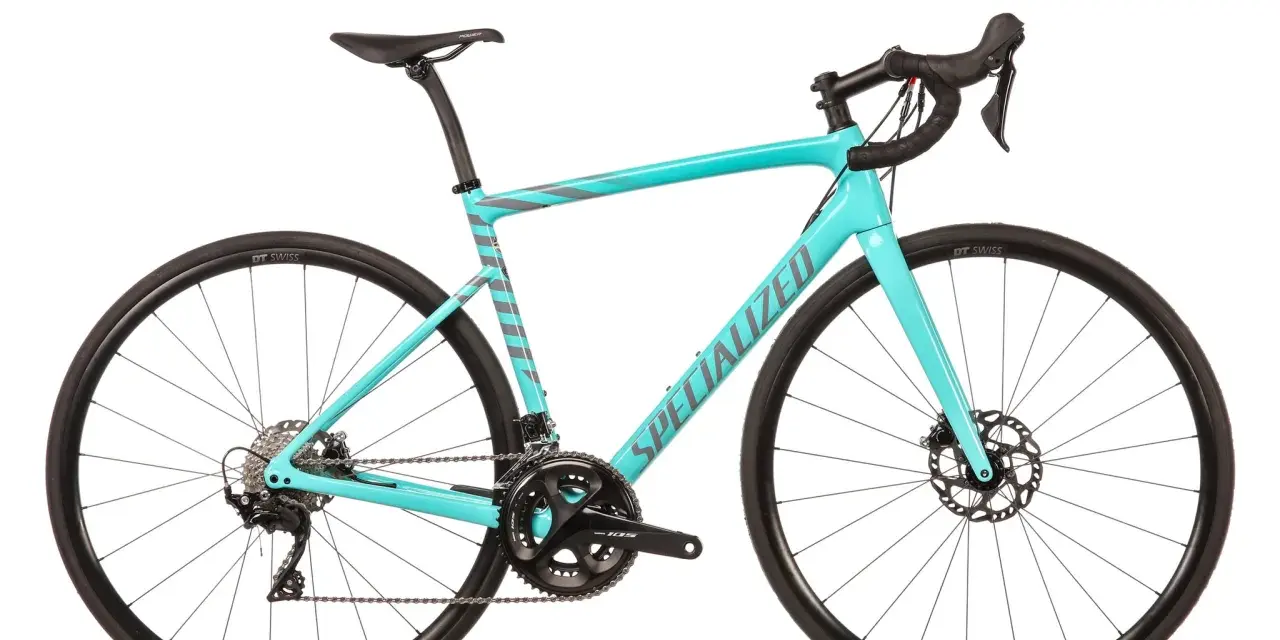
Specialized has built one of the strongest reputations in cycling, but the brand is only as good as the model and build you choose. In practice, its bikes are usually well designed, quick to ride, and easy to live with, especially if you care about handling and local shop support. The real decision is whether a specific Specialized bike gives you enough performance and comfort for the money you would spend in the U.S. market.
The short version for buyers
- Yes, Specialized is generally a strong bike brand, especially for riders who care about ride quality and fit.
- The best models feel polished on the road, on gravel, and on technical trails, not just impressive on a spec sheet.
- Current U.S. pricing runs from about $699.99 for an entry Sirrus X to well above $13,000 for top S-Works road and gravel builds.
- Comfort tech like Future Shock can make rough pavement and gravel noticeably easier to live with.
- Value depends on category; some buyers will get more parts for the money from direct-to-consumer brands, while others will prefer Specialized’s support network.
Are Specialized bikes good for your riding style?
Yes, but not in a generic, one-size-fits-all way. I usually think of Specialized as a brand that is strongest when a bike has a clear job: fast road riding, long-distance comfort, mixed-surface gravel, proper trail riding, or a commuter that needs to feel stable and efficient. The bikes tend to feel purposeful rather than random, which matters more than a flashy component list if you actually ride a lot.
If you want the shortest honest answer, it is this: Specialized makes good bikes, but it also makes expensive bikes. That means the real question is not whether the brand is capable, but whether the model you are looking at matches the way you ride, the terrain you ride on, and the amount you are willing to spend. That is where the brand earns its reputation, and it is also where it can disappoint riders who only compare prices on paper.
That distinction matters, because the next step is understanding what Specialized consistently does well before you judge the price tag.
What Specialized usually gets right
Ride feel that stays composed
Specialized bikes often feel balanced in a way that is easy to appreciate after a long ride. Road bikes like the Roubaix are designed to reduce road buzz without feeling vague, and gravel bikes such as the Diverge are tuned to stay confident when the surface gets rough. The result is usually a bike that feels fast, but not nervous.
One good example is Future Shock, Specialized’s suspension unit in the front end of some road and gravel bikes. It adds compliance at the handlebars without turning the bike into a soft, disconnected machine, which is exactly why it works for riders who want comfort without giving up efficiency.
A broad range of real use cases
This is one of the brand’s biggest strengths. Specialized does not just build one kind of premium bike and stretch it across every category. It has separate lines for road, gravel, mountain, fitness, city, and electric riding, and that makes the brand easier to recommend when a rider has a clear use case.
For U.S. buyers, that means you can shop for an Allez if you want a real road bike, a Sirrus X if you want a versatile fitness or commuter bike, a Diverge if you want gravel versatility, or a Turbo Levo if you want an e-MTB with serious trail intent. I like brands that do not force you to compromise too early, and Specialized generally gives you enough category depth to avoid that problem.
Comfort tech that is not just marketing
Some bike features sound clever and do very little. Specialized’s better ideas usually earn their place. Future Shock, wider tire clearance on gravel models, and thoughtful geometry on endurance bikes all make practical differences when the ride gets long or the pavement gets bad.
The current Diverge 4, for example, is built around mixed-surface flexibility and offers up to 50 mm of tire clearance. That matters because tire clearance is not a trivia detail; it changes traction, comfort, and how much confidence you have on loose gravel or broken roads.
Support that matters after the sale
For many U.S. riders, this is the hidden advantage. Specialized’s warranty process runs through an authorized retailer, and if you buy direct on Specialized.com, Rider Care handles the claim path. That is not glamorous, but it is useful when you need help with fit, setup, or warranty issues.
In real ownership terms, a good dealer network can save time and frustration, especially on a high-end bike where the initial fit and the first few tune-ups matter. That support advantage does not make a bike automatically better, but it does reduce the pain of living with it. The catch is that every strength comes with a price, which is where the trade-offs start.
Where Specialized is harder to justify
You are often paying for refinement, not the cheapest spec
Specialized usually prices itself as a premium mainstream brand, and the current U.S. lineup shows that clearly. On the same site, you can see the Sirrus X 1.0 at $699.99, the Sirrus X 4.0 at $1,399.99, the Roubaix SL8 at $2,999.99, the Turbo Levo 4 Alloy at $4,999.99, and S-Works road and gravel bikes well above $11,000 and up to about $14,399.99.
That spread tells you what the brand is selling. It is not just bikes; it is a system of fit, ride quality, and category-specific engineering. If you care about those things, the pricing can make sense. If you only want the highest component grade for the lowest possible dollar, you may find better spec from other brands.
The value gap is real at the lower end
This is where I see buyers make mistakes. They assume that a known brand automatically means better value, but value is not the same as quality. A cheaper direct-to-consumer bike may give you a nicer drivetrain or wheels at the same price, while Specialized may give you better geometry, better local support, or a more refined ride feel.
Both can be true. The right question is not, “Which bike has the bigger name?” It is, “Which bike gives me the best mix of fit, parts, support, and ride feel for my budget?” That framing is more useful, and it stops you from overpaying for a logo.
Read Also: Weird Bikes That Work - Find Your Perfect Ride
Dealer access still shapes the experience
If you live near a strong Specialized dealer, the brand becomes easier to recommend. If you do not, the support advantage shrinks quickly. A good bike shop can help with sizing, setup, suspension tuning, and warranty work, and that is a meaningful part of ownership on a premium bike.
That is why I do not judge Specialized in isolation. I judge the brand plus the local support plus the specific model. Once you do that, the right bike family usually becomes obvious.
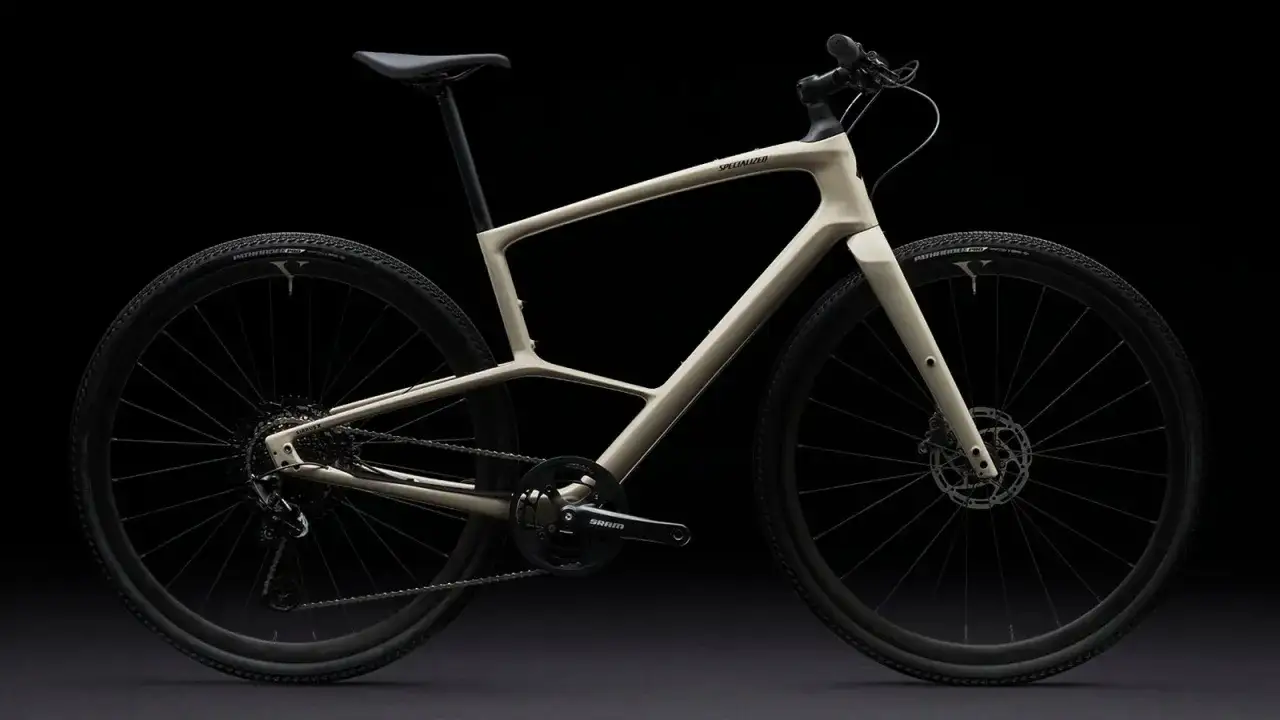
Which Specialized line fits which rider
Current model families make the brand easier to sort out than the price list does. If I were helping someone choose in the U.S. market, I would start with the riding style first and the model second. This kind of matching saves money, because the wrong category is always more expensive than the wrong color.
| Rider type | Specialized family | Why it makes sense | Main trade-off |
|---|---|---|---|
| New road rider | Allez | Light, lively alloy road bike that gives real road feel without jumping straight into a carbon race build | Less plush and less premium than endurance carbon bikes |
| Endurance road rider | Roubaix SL8 | Comfort-focused geometry and Future Shock make rough pavement easier to handle | Costs more than basic endurance bikes, even in lower trims |
| Gravel and mixed-surface rider | Diverge | Built for versatility, with enough clearance and stability for long days off pavement | Not as sharp as a pure race gravel bike |
| Race-first gravel rider | Crux | Sharper, lighter, and faster-feeling when speed matters more than load carrying | Less forgiving for relaxed adventure riding |
| Fitness or commuter rider | Sirrus X | Efficient on pavement, capable on dirt paths, and easy to live with every day | Not as quick as a dedicated road bike |
| Trail e-MTB rider | Turbo Levo 4 | Strong motor support, modern trail geometry, and serious off-road intent | Heavy, expensive, and more maintenance-sensitive than a non-electric bike |
If you are trying to choose between lines, I would separate comfort-first, speed-first, and versatility-first. That three-way split is usually more honest than comparing marketing slogans, and it leads directly into how I would judge value before spending real money.
How I would compare value before paying Specialized prices
I would not buy a Specialized bike just because it feels premium in the shop. I would compare it against the same type of bike at the same price, then check what I am actually getting for the money. A smart buyer should look at frame quality, fit, wheelset, braking, tire clearance, and service support in one pass, not in separate silos.
| What to check | Why it matters | What I would do |
|---|---|---|
| Fit and geometry | A good fit usually matters more than one extra gear or a slightly better paint finish | Compare stack and reach, then test ride at least one size if possible |
| Build spec | Wheels, tires, and brakes often change the ride more than the frame badge | Check whether the bike gives you a better drivetrain or a better wheelset at the same price |
| Service access | Warranty and tune-ups are easier when a good local shop supports the brand | Ask who handles service, what turnaround looks like, and whether your nearest shop stocks parts |
| Ownership costs | Pedals, fit tweaks, tubeless setup, and the first service add up fast | Budget an extra 10% to 15% beyond the sticker price |
| Use case match | The wrong category turns into a compromise you notice every ride | Buy for the rides you do most, not for the ride you imagine doing once a year |
For example, on a $3,000 road bike budget, I would leave another $300 to $450 aside for pedals, fit adjustments, sealant or tubeless setup, and the first maintenance visit. That is the kind of detail that makes a bike feel expensive or painless after the purchase, and it is why the final verdict needs a practical lens.
My practical verdict on Specialized in 2026
My honest take is that Specialized is a very good brand for riders who want a bike that feels sorted from the first ride and stays useful as their riding gets more serious. I would especially trust it for endurance road, gravel, trail e-MTB, and versatile commuter use, because those are the categories where geometry, comfort, and support really pay off.
I would be more cautious if the decision is purely about maximizing component value for the lowest possible price. In that case, I would compare Specialized against a few alternatives before buying, because the brand premium is real. But if the bike fits you well, matches your terrain, and comes from a line that was built for your kind of riding, Specialized is absolutely good enough to be a serious recommendation. That is the answer I would give most U.S. riders in 2026, and it is the one I would use myself when the ride matters more than the logo.