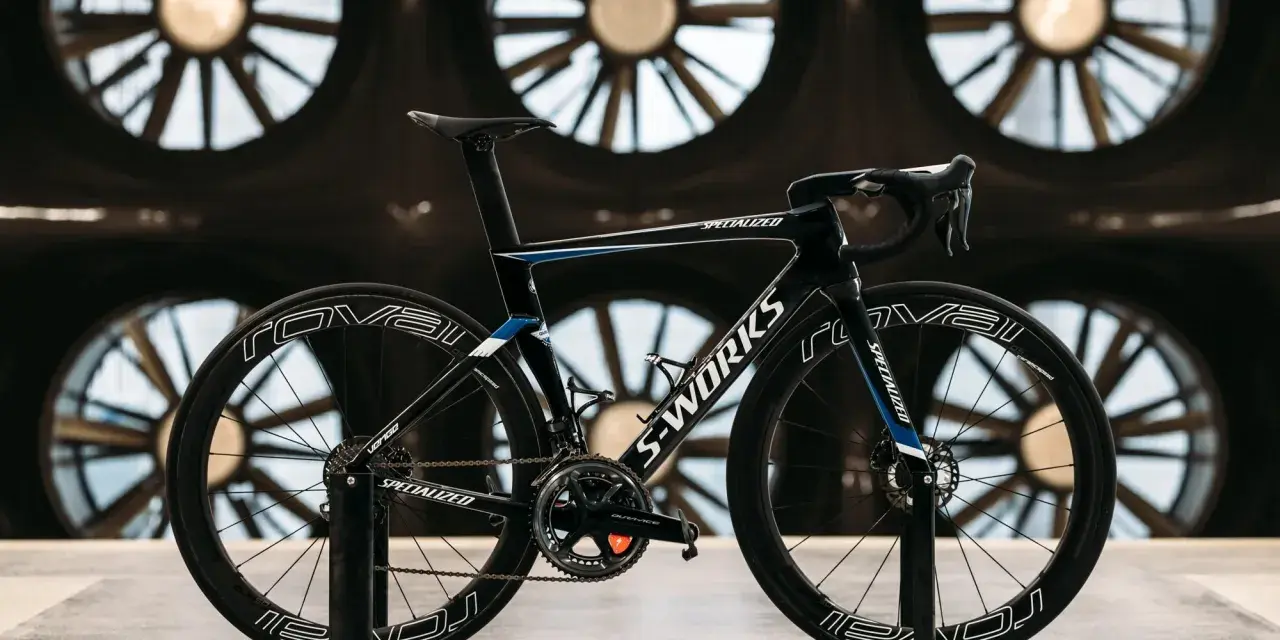
An aero bike is built to waste less energy pushing through the air, which matters most when speed, solo effort, or race efficiency is the goal. The short answer to what is an aero bike is that it is a road bike shaped to cut drag, and the details behind that design affect speed, comfort, and value in ways buyers should understand before they spend real money. In this guide, I break down how the category works, where it shines, and how I would choose one in the US market.
The fast version for riders who need the short answer
- An aero bike is a road bike engineered to reduce wind drag through its frame, wheels, cockpit, and riding position.
- It usually makes the most sense on flat, rolling, windy, or race-style roads where speed is sustained.
- Compared with a lightweight climbing bike, it often gives up a little climbing ease for more speed on the flats and in sprints.
- Compared with an endurance bike, it usually asks for a lower, more aggressive fit.
- Modern aero bikes are more versatile than older ones, but tire clearance and handling still vary a lot by model.
What an aero bike really is
I think of an aero bike as a system built around drag reduction, not just a frame with a few sharp edges. The frame, fork, cockpit, seatpost, wheels, and cable routing are all shaped to help the bike move through air more cleanly, and the rider’s position becomes part of that equation too. Giant’s aero-road guidance makes the same basic point: the goal is speed first, with every component working toward lower resistance.
That is why aero bikes usually look different from traditional road bikes. Tube profiles are flatter or truncated, the front end is cleaner, and the bike often sits you in a longer, lower position. The result is not magic; it is less wasted energy when the pace rises and the wind starts to matter. That leads directly to the real question most riders have: how does the design actually create the speed?
How the design cuts drag
Manufacturers use computational fluid dynamics and wind-tunnel testing to shape aero bikes, and that engineering shows up in a few predictable places. Giant’s aero-road information points to tube shapes, cockpit parts, cable routing, seatpost design, and wheel choice as the main levers, and that is a pretty fair summary of how the category works in practice.
Frame shapes that manage airflow
Aero tubes are designed to be better at slicing the wind than a round tube. Modern bikes often use truncated airfoil shapes, which keep much of the aerodynamic benefit without relying on an exaggerated teardrop profile that can be harder to live with in real road conditions. The point is not to look fast; it is to keep airflow attached more cleanly as the bike moves forward.
Cleaner front ends and hidden cables
The front of the bike matters a lot because it is the first thing the wind sees. Integrated handlebars, stems, and internal cable routing reduce the amount of messy airflow around the cockpit, but they also make servicing a little more involved. That is a tradeoff I always mention to riders who like to tune their fit constantly or swap parts often.
Wheels and body position do a lot of the work
Deep-section wheels are common on aero bikes because they help reduce drag when the bike is already moving quickly. But I would not overrate the wheelset by itself. The rider’s position often matters just as much, if not more. A cleaner torso angle, narrower shoulder profile, and steadier posture can save more time than a flashy frame label ever will.
That balance between speed and practicality is what separates a good aero bike from a merely aggressive one, and it is why comparing categories side by side is so useful before you buy.
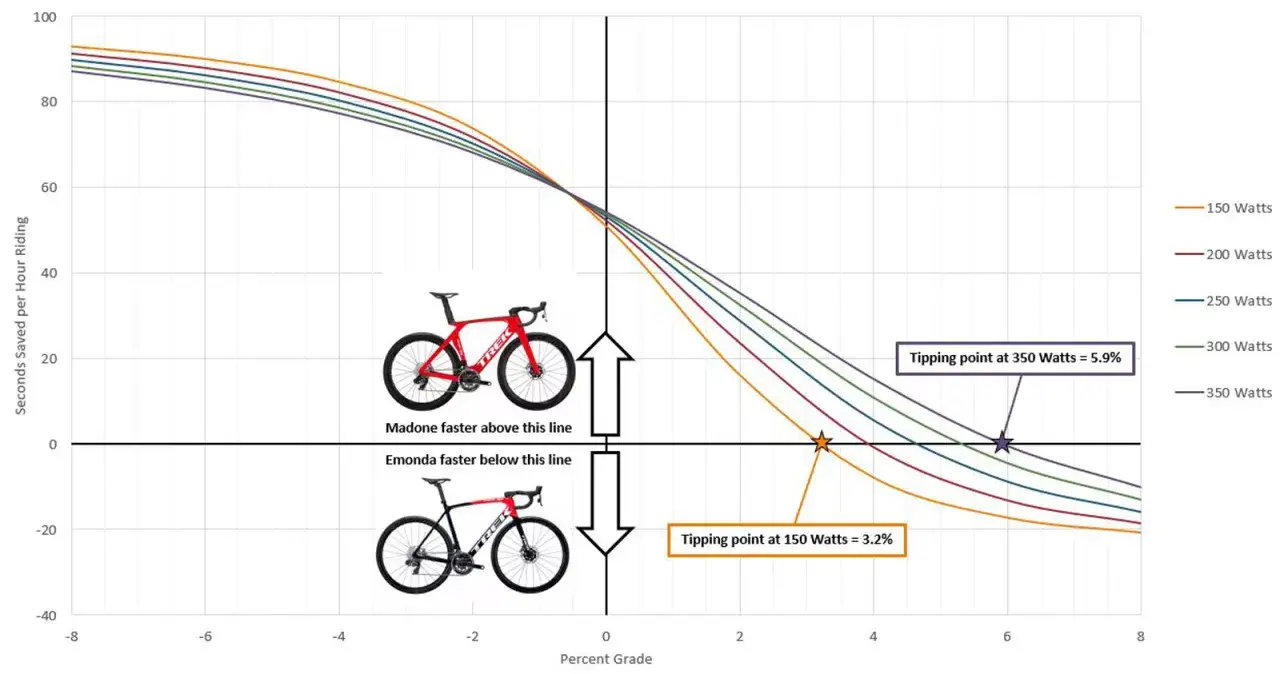
Aero bike vs lightweight and endurance road bikes
When people shop for an aero bike, they are often really deciding between three road-bike personalities: aero, lightweight race, and endurance. The differences are not subtle once you look at how they are built and where they feel best.| Bike type | Best at | Main tradeoff | Who should look here |
|---|---|---|---|
| Aero road bike | Reducing drag on flat, rolling, and windy roads | Usually a bit heavier and more aggressive to live with | Racers, fast group riders, and riders who spend a lot of time at sustained speed |
| Lightweight race bike | Climbing and quick accelerations | Less wind-cheating on fast flat roads | Hilly riders and all-round racers |
| Endurance road bike | Comfort, stability, and longer days in the saddle | Usually less efficient when the pace is high | Fitness riders, centuries, rough pavement, and mixed terrain |
| Time trial / triathlon bike | Maximum solo efficiency in a fixed position | Least versatile and least comfortable for general riding | Specialists racing against the clock |
For most riders, the real choice is aero versus endurance. If you want the fastest-feeling bike on fast roads and you can live with a lower position, aero makes sense. If your rides are longer, slower, or more mixed in terrain and pace, an endurance bike often delivers a better everyday experience. From there, the next question is when the aero advantage actually shows up.
When the aero advantage is real
An aero bike is not automatically the right answer for every route. I would prioritize it when the ride has enough speed, exposure, or race pressure to make wind resistance a meaningful factor.
- Flat and rolling terrain - the bike spends more time fighting the wind than climbing.
- Solo riding - there is no draft to hide in, so drag becomes more obvious.
- Fast group rides and races - repeated surges and long pulls reward efficiency.
- Windy roads - stable aero design can matter as much as raw drag reduction.
- Descents and long false flats - the speed is high enough for aero gains to add up quickly.
Where aero matters less is just as important. On steep climbing routes, outright weight matters more than on a flat circuit. On relaxed weekend rides, a more comfortable road bike may be the better fit because you will enjoy staying on it longer. I would also be cautious about buying aero just because you occasionally sprint; that is too narrow a reason for a serious purchase.
How to choose the right aero bike for you
When I help riders narrow this down, I start with use case, then fit, then parts. That order matters, because the best aero bike on paper is a bad buy if it does not match the roads you ride or the position you can actually hold.
Start with your terrain and pace
If your rides are mostly flat or rolling, aero will pay back more often. If you climb a lot, a lightweight race bike may feel more rewarding. And if your goal is all-day comfort, I would lean endurance unless you know you love a more aggressive position.
Check fit before spec
Trek’s road buyer guidance is useful here because it reminds riders that sizing, stem length, saddle height, and handlebar reach all affect how well a bike works. It also notes that its Madone Gen 8 can fit up to 33 mm tires as measured, with 4 mm of road-bike clearance as the target. That is a good example of why I would never buy an aero bike without checking both the fit and the tire room.
Choose wheel depth for your real roads
Deeper wheels usually feel fast, but they are not always the smartest choice. If you ride in exposed wind, on rough shoulders, or in gusty conditions, a very deep front wheel can be more annoying than helpful. A moderate-depth wheelset is often the better real-world compromise for most riders.
Read Also: Best Fixed Gear Bike Brands - Find Your Perfect Fixie
Think about maintenance and flexibility
Integrated cockpits and hidden routing look clean, but they can make simple adjustments slower. If you like to fine-tune your position often, or if you travel with the bike a lot, that matters. I would rather have a bike that is easy to live with than one that only looks perfect in a product photo.
Once you have the right frame size and the right use case, the final gains come from setup, not marketing language, and that is where a lot of buyers get tripped up.
The setup details that make or break the ride
The most common mistake I see is treating an aero bike like a shortcut. It is not. It rewards a proper fit, sensible tire choice, and a setup that matches the roads you actually ride.
- Choosing a frame that is too aggressive. If you cannot hold the position comfortably, the aero benefit fades quickly.
- Ignoring tire clearance. Wider tires are common now, but not every aero frame allows them. If your model choice forces you into narrower rubber than you want, that is a problem.
- Overbuying wheel depth. The deepest wheel is not always the fastest for you if it is hard to control in wind.
- Assuming aero beats fitness. The bike can save watts, but it still depends on your output and pacing.
- Underestimating service complexity. Internal routing and integrated stems often take more time to adjust or replace.
I also pay attention to the tires themselves. An aero frame that works with modern 28 mm or 30 mm tires is usually more useful than an older design that pushes you toward very narrow rubber. Comfort and rolling efficiency matter, especially on real roads with imperfect pavement. That is why the final buying decision should be less about the frame label and more about the whole package.
The decision that matters more than the frame
If I were buying today, I would treat an aero bike as a precision tool, not the default answer for every rider. It makes the most sense when your routes are fast enough, your position is low enough, and your goals are specific enough that drag reduction will actually show up on the clock.
For many cyclists, the smarter first step is still a well-fitting road bike, the right tire width, and a wheelset that matches the kind of riding they actually do. If those pieces are right, an aero frame can be a real advantage. If they are wrong, the bike just becomes an expensive compromise that looks fast and rides harder than it needs to.