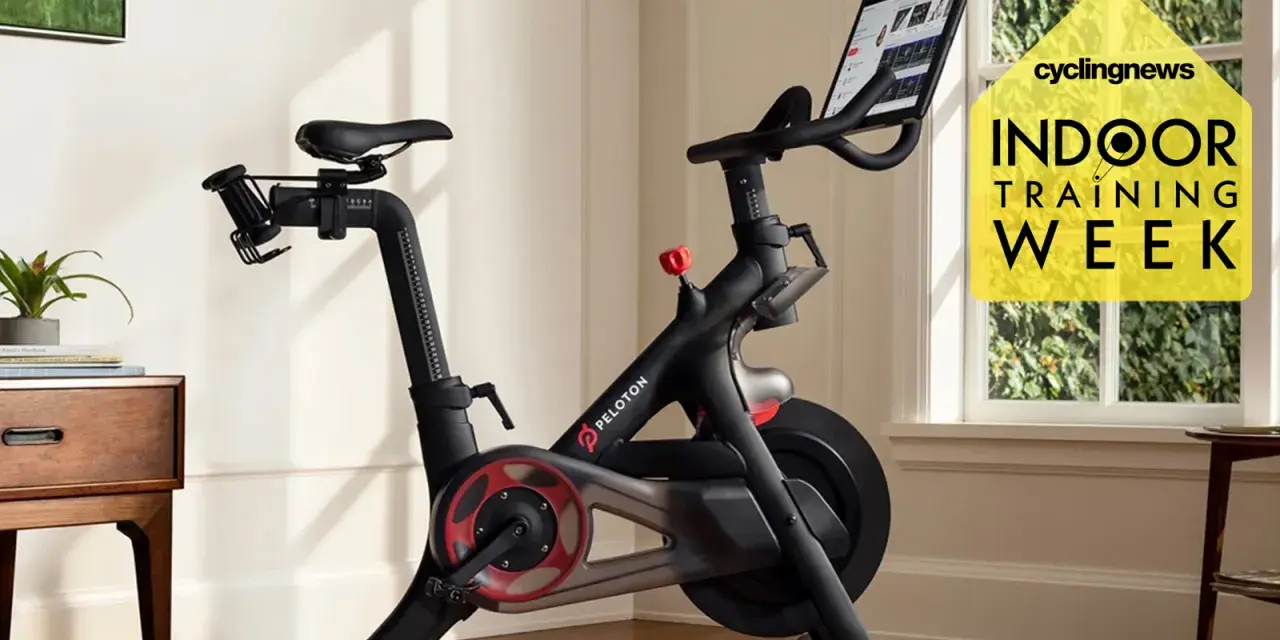
The bike is the same, but the experience is not
- Indoor cycling is the broad category; Spinning is a branded program and trademark.
- Both can be hard, low-impact cardio sessions that build lower-body endurance.
- Class style matters more than the label if you care about motivation, music, and coaching.
- In the U.S., a single class often costs about $15 to $30, while memberships commonly run $100 to $200 per month.
- Bike fit is not optional; seat height, handlebar reach, and resistance control change how the ride feels.
What indoor cycling and Spinning actually mean
Indoor cycling is the umbrella term for any stationary-bike workout led in a studio, gym, or app-based setting. Spinning is a specific branded program, built around its own coaching style, training language, and equipment ecosystem. In everyday U.S. fitness language, people often use the words interchangeably, but they are not technically the same thing.
That difference matters because it changes what you should expect. A studio advertising indoor cycling may offer anything from a rhythm-heavy, music-first ride to a more athletic interval session. A Spinning class usually points to a more defined system with a recognizable training structure. The rider experience can still vary by instructor, but the brand gives you a clearer idea of the framework.
I usually tell riders to think of it this way: indoor cycling is the category, while Spinning is one well-known branch of it. Once that clicks, the rest of the comparison becomes a lot easier to evaluate.

How the two formats feel in a real class
I rarely judge a ride by the name on the door alone. What actually shapes the class is the coaching style, the music, the cadence cues, and how much room the instructor gives you to ride at your own pace.
| Factor | Indoor cycling | Spinning |
|---|---|---|
| Format | Broad category with a lot of room for studio personality | More standardized class system with a recognizable training approach |
| Class feel | Can be endurance-heavy, rhythm-based, performance-focused, or minimalist | Usually more structured, with defined coaching and ride profiles |
| Music and energy | Depends on the studio and instructor | Often closely tied to pacing, motivation, and class flow |
| Best for | Riders who want variety and more studio options | Riders who want a familiar system and a repeatable experience |
| What matters most | Instructor quality and class design | Instructor quality, class design, and how well the branded format suits you |
The overlap is bigger than the gap. Both formats can use intervals, climbs, sprints, and out-of-the-saddle efforts. Both can be beginner-friendly if the instructor explains resistance and posture well. And both can feel punishing if the room is too hot, the bike is poorly set up, or the class pushes intensity without enough guidance.
That is why I look at the ride itself, not just the name. A good class tells you when to add resistance, when to back off, and how to stay stable on the bike without hanging on the handlebars for dear life. Once that part is clear, the next question is which goal you want the workout to serve.
Which format fits your training goal
For cardio and calorie burn
Either format can deliver a serious cardiovascular workout. In a 40- to 60-minute class, many riders land somewhere in the 400 to 600 calorie range, but that is not a promise. Your body size, the resistance you actually use, the cadence you hold, and how hard you work all change the number. I care less about the display on the console and more about whether the session keeps you in the right effort zone long enough to matter.
For joint-friendly fitness
Indoor cycling is low impact, which is one of its biggest advantages. It gives you hard cardio without the pounding that comes with running or jumping. That makes it appealing if you want to protect your knees, hips, or ankles, or if you are returning to exercise after a break. The caveat is simple: low impact does not mean low risk. Poor bike fit can still create knee or back discomfort fast.
For outdoor cycling carryover
If your real goal is to ride better outside, choose the format that teaches cadence control, posture, and resistance management instead of just chasing the beat. Rhythm-heavy classes can be fun, but they do not always build the most transferable bike skills. A more technical indoor cycling session can be the better option if you want to improve pedaling efficiency, leg endurance, and tolerance for steady work.
Read Also: Indoor Sprint Workout - Get Faster, Not Just Tired
For motivation and adherence
This is where the decision gets personal. If you need a strong instructor voice, a clear ride script, and a room that feels like everyone is moving together, a Spinning class can be the easier fit. If you prefer more variety in music, pacing, and coaching style, the wider indoor cycling market gives you more ways to find a room that feels right.
In practice, the best workout is the one you are willing to repeat. That is why the next step is not just choosing a format, but choosing a class you can actually book, afford, and return to.
What to check before you book your first class
The U.S. pricing range is wider than many people expect. A single class often runs about $15 to $30, while unlimited memberships commonly sit around $100 to $200 per month. Boutique studios in major cities can push higher, so I always tell people to look at the per-class cost, not just the headline membership number.
- Class length: 40 to 60 minutes is standard, but some studios offer shorter intro rides.
- Shoe policy: ask whether the bikes use SPD cleats, Delta cleats, cages, or rental shoes.
- Ride style: find out whether the class is cadence-based, rhythm-based, endurance-focused, or mixed.
- Instructor style: beginner-friendly cueing matters more than a flashy room or loud playlist.
- Intro offers: a cheap first ride is useful only if the studio feels like a place you will return to.
If I had to reduce this to one rule, it would be choose the studio you can see yourself visiting twice a week. Consistency is what makes the workout work, not the logo on the wall.
The setup details that prevent most beginner discomfort
A bad bike setup can make even a great class feel unnecessarily hard. I start with saddle height around hip-bone level, then check for a slight knee bend at the bottom of the pedal stroke. If the leg is locked straight, the seat is probably too high; if the knee feels cramped, it is probably too low.| If you feel this | It usually means | What to change |
|---|---|---|
| Front-of-knee pain | The saddle is too low or too far forward | Raise the seat a little or slide it back |
| Back-of-knee strain | The saddle is too high or too far back | Lower the seat slightly and recheck the stroke |
| Neck or shoulder tension | The bars are too low or too far away | Bring the handlebars up or shorten the reach |
| Low-back ache | Reach is too long or the core is collapsing | Reset posture, shorten the cockpit, and stop shrugging into the bars |
On the bike, I want a lifted chest, relaxed shoulders, soft elbows, and a slight hinge from the hips rather than a collapse through the lower back. Clip in if the studio expects it, keep a bottle within reach, and use the fan if the room gets hot. The biggest beginner mistake is assuming discomfort is normal when it is actually a fit problem.
If pain keeps showing up after a couple of adjustments, stop and get the fit checked before you blame the class itself. A well-set bike should feel demanding, not awkward.
The choice I would make if I were starting today
If I were choosing in the U.S. market today, I would ignore the buzzwords first and compare the instructor, the schedule, and the total monthly cost. Spinning makes the most sense when you want a recognizable system and a structured experience. General indoor cycling makes sense when you want more variety, more studios, and more ways to match the workout to your mood.
For most riders, the smarter decision is not branding, but fit. If the class gives you clear coaching, a sensible bike setup, and a pace you can sustain, it is the right class. I would try one of each, notice how my knees and lungs feel over the next 24 hours, and then choose the option that makes the next ride easier to book, not harder.