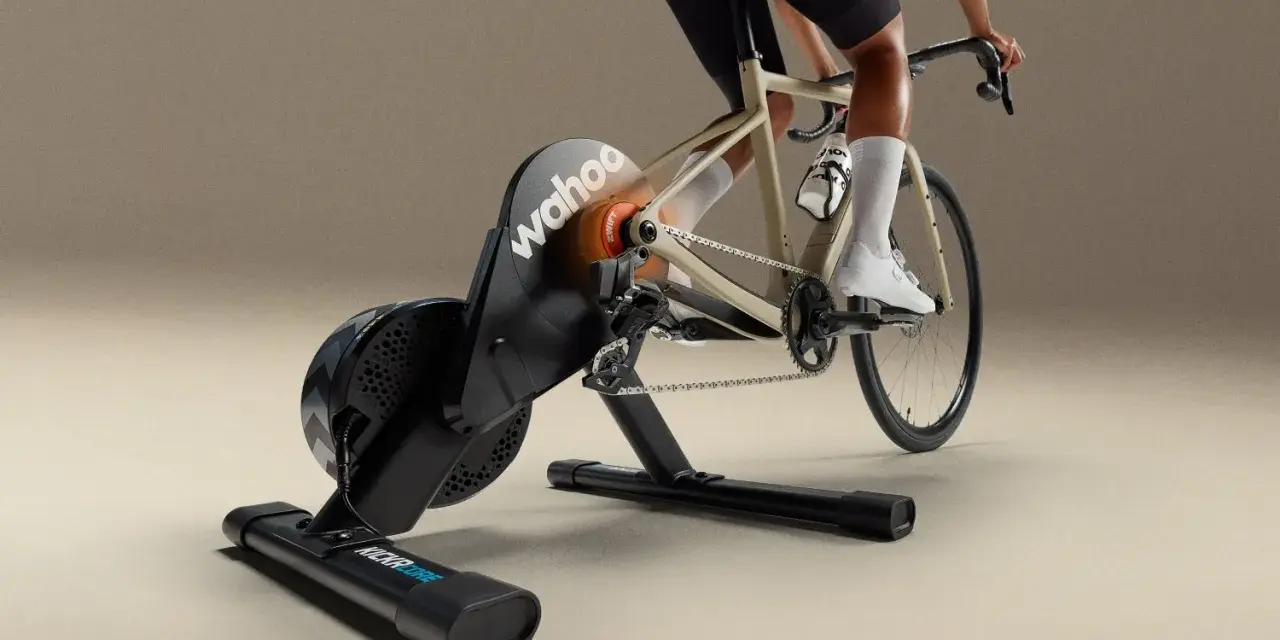
The Wahoo KICKR CORE 2 sits in a useful middle ground for indoor cyclists who want direct-drive realism without moving all the way up to flagship-trainer pricing. It brings 1,800 watts of resistance, claimed ±2% accuracy, Wi-Fi, and virtual-shifting options into one package, so the real question is whether its balance of performance, convenience, and price matches how you actually train.
The essentials at a glance
- Price: currently positioned at about $549.99, which keeps it in the upper-entry to midrange smart-trainer bracket.
- Training feel: direct-drive design with a belt and a 5.4 kg flywheel, so it feels smooth and responsive rather than overly harsh.
- Performance: 1,800 W max output, ±2% claimed power accuracy, 16% simulated climb, and -10% simulated descent.
- Connectivity: Wi-Fi, Bluetooth for up to 3 connections, ANT+, and ANT+ FE-C.
- Setup options: available with an 11-speed cassette or Zwift Cog and Click, depending on how you want to shift indoors.
- Best for: riders who want a quiet, reliable trainer for structured workouts, virtual riding, and regular winter training.
What this trainer is built for
I think of this trainer as a practical answer for riders who want a dependable indoor setup they can use several times a week. It is a direct-drive smart trainer, which means the rear wheel comes off and the bike mounts directly to the trainer; that usually gives you quieter operation, better resistance control, and a more road-like feel than wheel-on designs.
That matters most if you do structured workouts, Zwift racing, long endurance rides, or any training where consistent power numbers are more important than a casual spin. If you only ride indoors occasionally, this is probably more trainer than you need. If you train through the winter, like having hard data, and want a setup that feels close to real cycling without the outdoor noise and weather, this is exactly the kind of machine I would look at first.
The other reason it stands out is that it tries to do the basics well instead of chasing gimmicks. That is usually the right trade-off for indoor cycling gear, because reliability beats novelty once you are doing repeat sessions week after week.
The specs that matter in real workouts
Numbers are only useful if they change how the trainer feels in practice. Here is the part of the spec sheet I would actually pay attention to before buying.
| Spec | What it means for you |
|---|---|
| Max power output | 1,800 W, which is more than enough for sprint work and hard interval sessions. |
| Power accuracy | ±2% claimed accuracy, a solid level for training plans and general performance tracking. |
| Simulated grade | Up to 16% incline and -10% decline, so climbs and descents feel believable in apps like Zwift or MyWhoosh. |
| Resistance system | Electromagnetic resistance with a belt drive, which helps keep power changes smooth and consistent. |
| Connectivity | Wi-Fi, Bluetooth up to 3 connections, ANT+, and ANT+ FE-C, which reduces pairing headaches in a busy indoor setup. |
| Weight limit | 250 lb / 113 kg, worth checking if you are a heavier rider or want the trainer to handle repeated hard efforts. |
| Drivetrain options | Sold with either an 11-speed cassette or Zwift Cog and Click, so you can choose between conventional shifting and virtual shifting. |
| Accessory compatibility | Works with KICKR CLIMB and KICKR HEADWIND, which matters if you are building a more immersive indoor setup. |
For me, the headline is not just the 1,800 W ceiling. It is the combination of good accuracy, strong connectivity, and a feature set that feels built for actual training instead of just spec-sheet bragging. That balance is what makes the trainer relevant for both serious amateurs and riders moving up from a simpler setup.
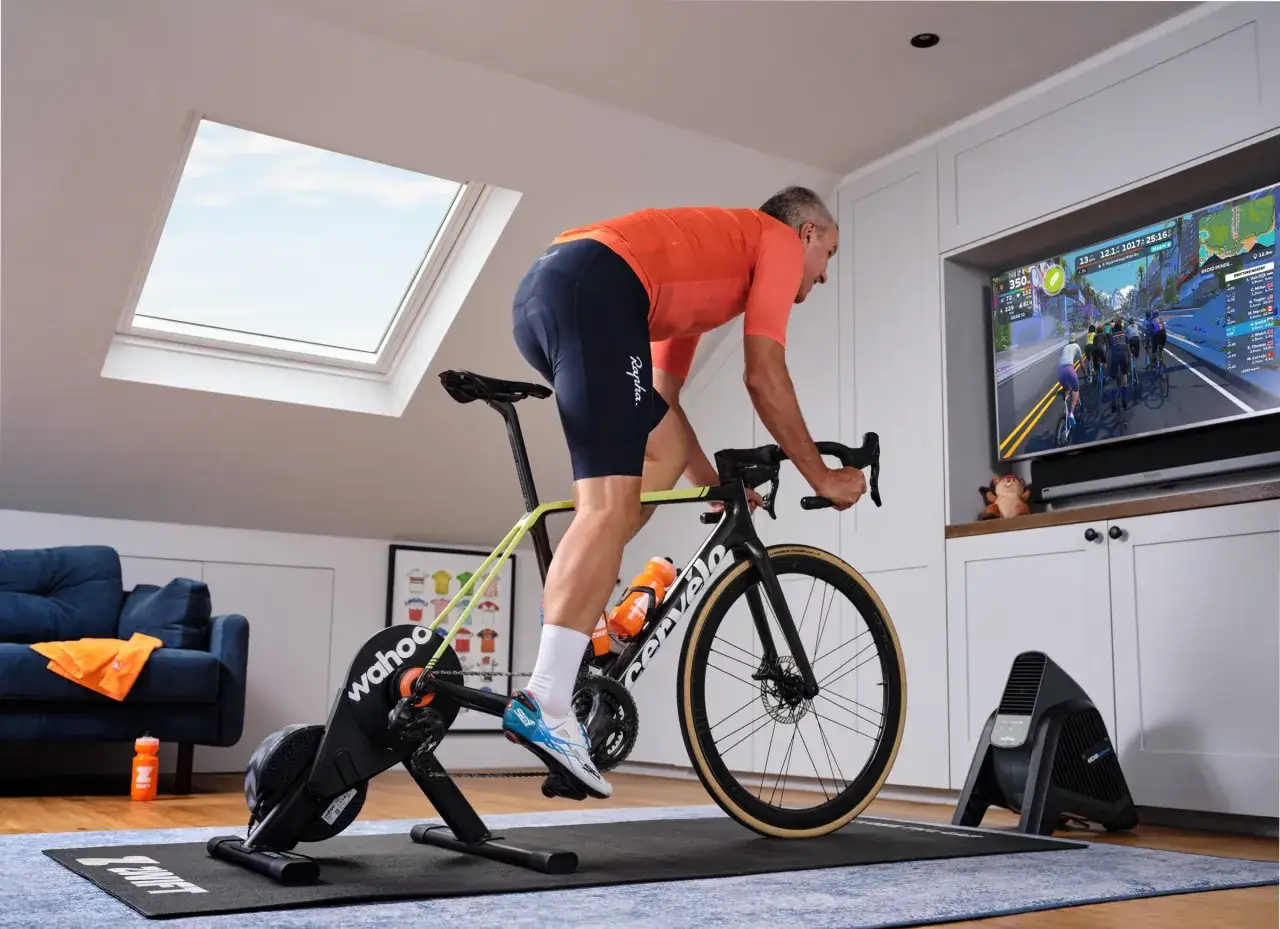
How setup and compatibility work in practice
Setup is refreshingly straightforward, but it still deserves attention. Wahoo includes the 6 mm hex tool, leg bolts, adapters, a spacer, and a power adapter in the box, which removes a lot of the usual guesswork. The trainer itself does need AC power, so it is not one of those systems that can run purely off pedaling.
Compatibility is broad enough for most modern bikes. Wahoo lists support for 130/135 mm quick release and 12x142/148 thru-axle standards, and the trainer covers a wide range of wheel sizes, including common road and mountain-bike formats. That said, I would still verify your rear axle standard before ordering, because that is the kind of detail that causes avoidable frustration on day one.
The box can be configured around either a preinstalled cassette or Zwift Cog and Click, and that choice matters more than people expect. If your bike is already set up for a compatible 11-speed drivetrain, the cassette version feels natural. If you want easier bike swapping or a cleaner path into virtual shifting, the Cog version is more flexible. One practical note: the stock cassette is Shimano-compatible, and riders using Shimano CUES or LinkGlide should check compatibility carefully before assuming a straight fit.
There is one small but real limitation here: the front-wheel block is sold separately. That is not a dealbreaker, but it does mean your full indoor setup may cost a bit more than the base trainer price suggests. From there, the natural next question is how the trainer actually feels once you start turning the pedals.
How it feels on the bike and where it falls short
What I like most about this trainer is that it feels controlled rather than busy. The 5.4 kg flywheel is not the heaviest in the class, but it is enough to deliver smooth resistance changes, quick response in virtual rides, and a realistic feel during steady efforts. It is especially good for threshold workouts, sweet spot blocks, and long intervals where consistency matters more than raw inertia.
In ERG mode, the trainer does what a good smart trainer should do: hold the target power without constantly hunting around it. That makes interval work easier, but it also exposes sloppy cadence habits fast. If you coast, surge, or change gears at the wrong moment, you can still get caught in the usual “spiral of death” that indoor cyclists know too well. That is not a flaw in the trainer so much as a reminder that indoor riding rewards smooth pedaling.
The newer software features are genuinely useful. Wi-Fi makes pairing more stable, automatic firmware updates reduce maintenance, Race Mode improves responsiveness for harder accelerations, and virtual shifting is a real win if you live inside Zwift. KICKR Bridge is more niche, but it can help reduce Bluetooth clutter by routing some data through the trainer instead of forcing every device to connect separately.
Where I would temper expectations is portability and premium refinement. The trainer is stable for most riders, but it is not a featherweight unit with a carry handle and fold-up legs. It also does not offer Direct Connect via Ethernet, which some heavy indoor users may have hoped for. In other words, it is very good at being a trainer, but it is not trying to be the most luxurious trainer on the market.
Cassette or Zwift Cog, which version makes more sense
This is the choice that will matter most at checkout. Both versions are priced the same, so the decision is not about saving money. It is about which indoor workflow you want.
| Version | Best for | Why I would choose it | Trade-off |
|---|---|---|---|
| 11-speed cassette | Riders who want a traditional drivetrain feel | It behaves like a normal bike setup and makes the transition from outdoor riding simple. | You need to match drivetrain compatibility more carefully. |
| Zwift Cog and Click | Zwift users and households that swap bikes often | Virtual shifting keeps the setup cleaner and can make bike changes easier. | It is more dependent on the app ecosystem and does not feel exactly like standard gears. |
If the trainer will live under one bike and you want the least mental overhead, I lean toward the cassette version. If you care about virtual shifting, may use more than one bike, or simply want a more flexible indoor-only setup, the Cog and Click option makes a lot of sense. I would not treat one as universally better than the other; the better choice depends on whether you value traditional shifting or indoor convenience more.
The details that decide whether it’s the right buy
When I narrow this trainer down for a real buyer, I usually focus on three questions. First, does your bike fit the axle standards without extra hassle? Second, are you looking for a true indoor training platform or just an occasional home spin? Third, do you care enough about virtual shifting and app integration to use those features regularly?
- Buy it if you want a quiet, accurate, well-connected direct-drive trainer for weekly training.
- Buy it if you value Wi-Fi, automatic updates, and app compatibility more than premium extras like a carry handle or Ethernet.
- Skip it if you ride indoors only a few times a year and do not need the consistency of a smart trainer.
- Skip it if your bike compatibility is uncertain and you do not want to sort out axle or drivetrain details.
My overall view is simple: this is one of the clearest value plays in indoor cycling if you want a serious trainer without jumping to a flagship price tier. It is not the most luxurious unit in Wahoo’s lineup, but it is a well-judged tool for riders who want dependable training, realistic resistance, and fewer connection problems. If those are the things that matter most to you, it is an easy trainer to take seriously.