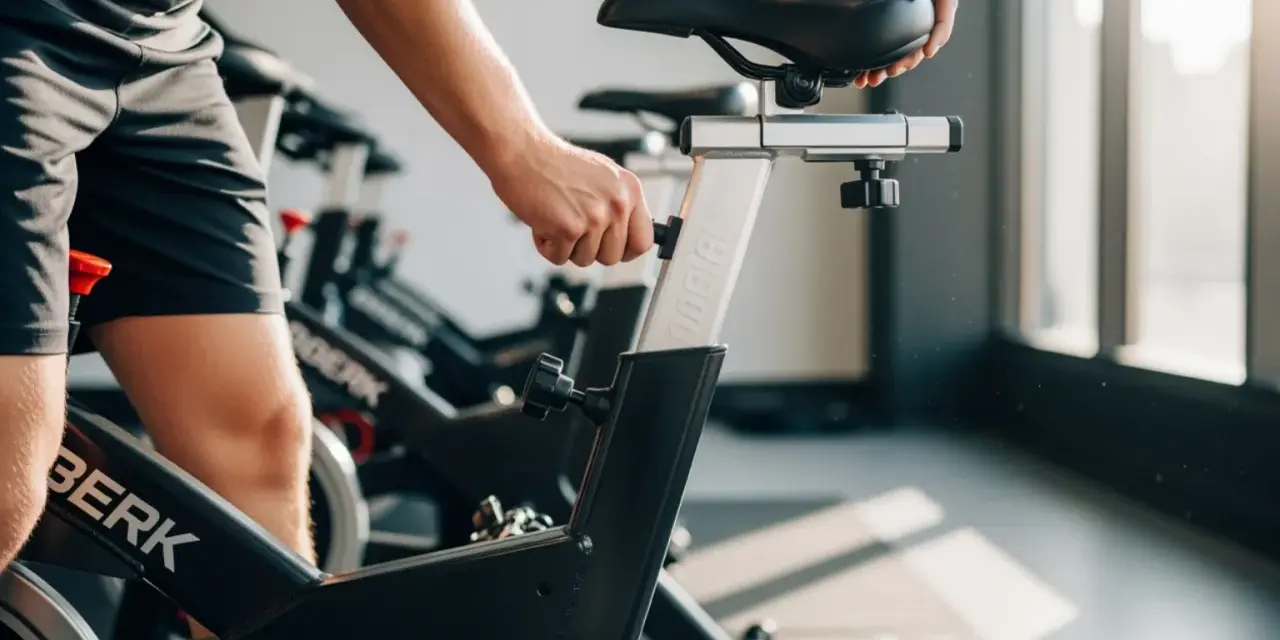
The rides that work best are the ones you can repeat
- Most indoor cycling sessions blend intervals, hills, and recovery, so the effort is controlled rather than chaotic.
- Arriving 10 to 15 minutes early gives you time to set the bike up correctly and avoid avoidable discomfort.
- In the US, boutique pricing can be steep, so class packs or memberships usually make more sense than one-off drop-ins if you plan to go often.
- Your starter kit can stay simple: fitted clothes, water, a towel, and shoes that match the studio’s pedals.
- The biggest beginner mistake is pushing hard before the bike fit feels right.
What indoor cycling classes are designed to do
The value is not just sweat. A good indoor cycling class gives you a controlled way to train your heart, legs, and breathing at the same time, without the impact you get from running or jump-heavy conditioning. That makes it useful for beginners, former runners, and cyclists who want a hard workout when the weather or schedule makes outdoor riding awkward.
What makes these classes useful is the mix of cadence, resistance, and coaching. Cadence is how fast the pedals turn, while resistance is how hard the bike feels under load. When those two variables are coached well, you can shift from an easy spin to a hill effort to a sprint without guessing what to do next. That structure is the real reason the format works for so many people.
I also like that it scales cleanly. A new rider can stay seated, lighten the resistance, and still get a real workout. An experienced rider can load the bike heavily and push threshold-level effort. Once you understand that flexibility, the class structure itself starts to matter a lot more, which leads to the question of what a normal session actually looks like.
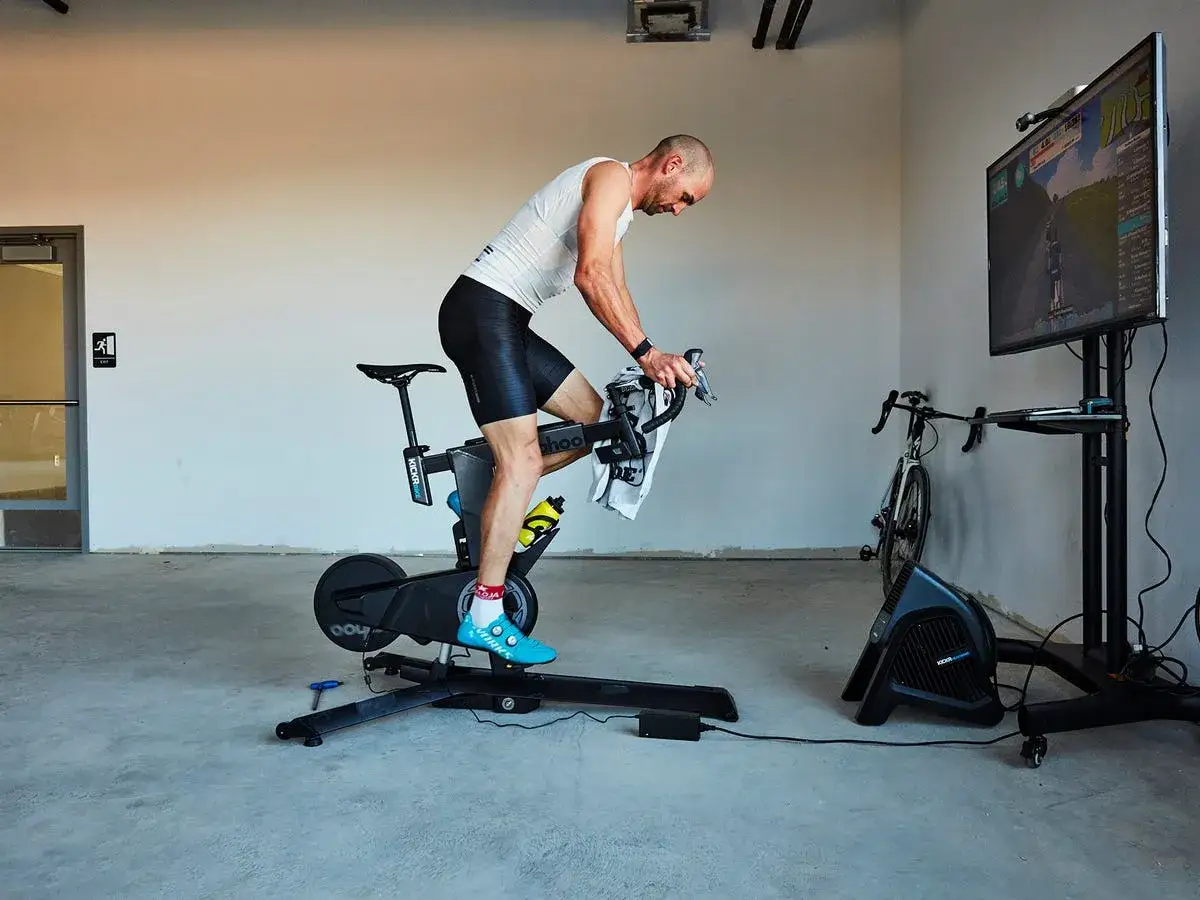
How a typical ride is built from warm-up to cooldown
Most cycling classes follow a predictable arc: warm-up, effort blocks, and cooldown. That predictability is useful, because it lets you focus on form and pacing instead of trying to decode the room.
Before the main work
I would arrive 10 to 15 minutes early every time, especially for a first visit. That window gives the staff time to help with the saddle, handlebars, and pedal setup, and it gives you a chance to clip in calmly instead of starting the class already flustered. If the studio asks whether it is your first ride, answer honestly. That small detail usually gets you better help, not judgment.
The effort blocks
The middle of the class usually alternates between seated climbs, standing pushes, and recovery tracks. Some instructors add light weights or upper-body movements, but I treat those as an extra layer, not the main event. The bike work should still feel like the center of the session. If you cannot keep your shoulders relaxed or your pedal stroke smooth, the resistance is probably too high.
Read Also: Indoor Sprint Workout - Get Faster, Not Just Tired
The cool-down
A proper cooldown should feel deliberate, not rushed. Your breathing should settle, your grip should loosen, and the pedals should start to feel almost casual again. That matters more than it sounds, because the way you finish shapes how sore you feel later and whether you will want to come back within the week.
That flow is easy to follow once you know what the room is asking of you, and the next decision is whether the style and price point match your goals.
Which format and price model make the most sense
Not every studio ride is built the same. Some are rhythm-heavy and music-driven, some feel closer to structured athletic training, and some live inside a standard gym membership. I would choose based on what keeps you consistent, not on the loudest brand promise.
| Format | Best for | Typical US pricing | Tradeoff |
|---|---|---|---|
| Boutique studio ride | People who want energy, coaching, and a polished room | Often $25 for an intro offer, $40+ for a drop-in | Great experience, but expensive if you go only once in a while |
| Gym-based cycling class | Riders who want lower cost and flexible scheduling | Usually included in membership or priced as a small add-on | Less consistent production value and fewer class-time choices |
| Performance-focused ride | People who like metrics, pacing, and a more athletic feel | Varies by studio or app subscription | Less atmosphere, more numbers |
| At-home or app-guided ride | Travelers, privacy-first riders, and people with irregular schedules | Monthly subscription plus equipment if you own a bike | You lose the live room energy and hands-on bike help |
SoulCycle is a useful current benchmark: $25 for a new rider, $42 for a single class, and $75 for a three-class pack. That spread shows why single drop-ins are rarely the smartest long-term choice if you already know you will keep riding.
If you plan to ride weekly, packs or memberships usually beat pay-as-you-go pricing. If you only want a few sessions before a trip, a race block, or a busy stretch at work, a single class makes more sense. The key is to match the cost model to the way you actually train, not the way you imagine training someday.
Once the price and format fit your routine, the next layer is comfort, because a bike that fits badly can ruin an otherwise good session.
What to wear and bring so the bike fits you
You do not need a flashy kit for your first ride. Fitted shorts or leggings, a sweat-wicking top, a water bottle, and a small towel cover most of what matters. If the studio rents cycling shoes, I would use them. Clip-in shoes usually make the pedal stroke feel steadier and make standing efforts feel less awkward.
| Fit item | What to aim for | Common beginner mistake |
|---|---|---|
| Seat height | A slight bend in the knee at the bottom of the pedal stroke | Saddle too low, which loads the knees and shortens the stroke |
| Handlebar height | Comfort first, especially on the first few rides | Bars set too low, which can tighten the neck and shoulders |
| Seat distance | You should not feel stretched toward the bars | Sitting too far back or reaching too hard for the handlebars |
| Shoes | Snug, secure, and matched to the studio pedals | Loose fit or the wrong cleat system |
Spinning’s bike-fit guidance uses a 25 to 35 degree bend at the bottom of the stroke as a practical target for seat height, and that is a good rule of thumb for any indoor ride. If anything feels pinchy, unstable, or twisted before the workout even starts, stop and adjust it. A five-minute correction is cheaper than a week of avoidable knee or back irritation.
Once the bike fits, the workout becomes a lot easier to judge honestly, which is exactly what you want before trying to ride harder.
How to ride hard without overdoing it
The fastest way to make the class feel miserable is to confuse effort with form. Cadence is how quickly the pedals turn, and resistance is how much load the bike adds. You want enough resistance to stay controlled, not so much that your hips bounce or your shoulders lock up.
- Do not copy the rider next to you. Their settings may fit their body and fitness, not yours.
- Do not grip the handlebars like you are hanging on. A tight upper body usually means wasted energy.
- Do not sprint before your legs are warm. The first few minutes should feel smooth, not heroic.
- Do not stay seated through pain that feels sharp or joint-based. That is different from ordinary muscle work.
- Do not treat every class like a test. Progress comes from repeatable effort, not one oversized performance.
I care far more about a rider who finishes with good posture than one who wins the first five minutes and fades. That is especially true in indoor cycling, where the real win is learning how to control output without losing shape. Once that clicks, the bike starts to look less like a novelty and more like a training tool.
That idea matters when you decide how often to ride, because frequency is where the real fitness change happens.
Where indoor cycling fits in a weekly training plan
For most recreational riders, two or three classes a week is enough to build fitness without wrecking recovery. I like one harder interval ride, one moderate endurance-focused ride, and at least one non-bike day that includes walking, mobility work, or strength training. That mix usually does more for overall fitness than five all-out sessions in a row.
If you ride outdoors, the studio is especially useful for winter conditioning, hill work, and cadence practice. It gives you a controlled place to repeat hard efforts without traffic, weather, or route planning. If you are new to exercise, one well-paced ride a week is enough to build confidence before you stack on more intensity.
The biggest mistake I see is using every class as proof of toughness. The smarter play is to make the class fit the week, not the other way around. That keeps your legs fresher, your technique cleaner, and your motivation steadier.
With that in place, the last step is simply to start in a way that protects both your budget and your body.
A simple first-week plan that keeps the budget and soreness under control
If I were starting from zero, I would book one beginner-friendly session, arrive early, tell the instructor it was my first ride, and focus on getting the bike setup right before I worry about performance. I would treat that first class as both a workout and a fit check. The goal is to leave knowing how the bike should feel, not to prove anything in the room.
For the next ride, I would repeat the same studio or even the same instructor if possible. That repetition helps you separate real progress from setup noise. By the third visit, you usually know whether you prefer a music-heavy rhythm room, a more metric-driven session, or a simpler gym class that costs less and still gives you the cardio work you want.
That is the cleanest way I know to make indoor cycling useful: keep the setup honest, choose a format you can repeat, and let the workout build from there.