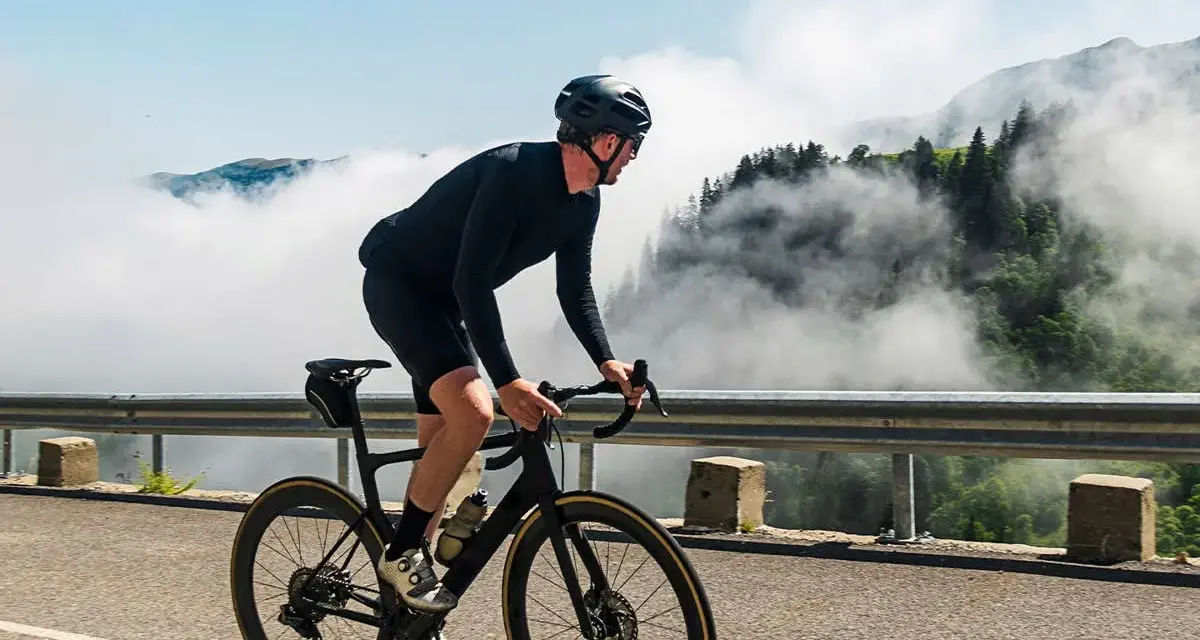
Long rides expose every weak link in a cyclist’s routine. In this guide I focus on the parts that matter most for endurance days: how to build the right fitness, how to pace without burning matches, how to fuel and hydrate, and which gear choices actually improve comfort and consistency. The goal is simple: finish stronger, recover faster, and make the next big ride feel more controlled.
Key takeaways for stronger endurance days on the bike
- Fitness matters, but steady pacing and fueling usually decide whether the second half feels smooth or miserable.
- For most riders, 30-60 grams of carbohydrate per hour is the right starting point, with higher intakes only after practice.
- Hydration should be planned, not improvised, especially in heat or on exposed routes.
- Comfort basics such as bibs, tire pressure, and hand positions do more for a rider than flashy upgrades.
- A realistic build for a first century-style effort is often 12-16 weeks, with the final phase focused on specificity and recovery.
What makes an endurance ride feel hard after the first few hours
I think most riders blame their legs too early. After hour two or three, the real problem is usually a combination of glycogen depletion, hydration drift, heat, posture fatigue, and small pacing mistakes that stack up quietly.
Bonking is the sharp energy crash that happens when carbohydrate stores run low, and it can turn a solid day into a grind in minutes. Hills, headwinds, and repeated accelerations make that crash arrive earlier, which is why a route that looks manageable on paper can feel very different once the road starts demanding steady output.
That is also why I separate endurance fitness from merely being able to push hard for 30 minutes. These days reward steadiness, not heroics, and that distinction shapes everything that comes next.
Pacing and cadence keep fatigue from compounding
I like a simple rule: the first hour should feel almost too easy. On mixed terrain, I tell riders to cap the early effort at an intensity they can repeat without breathing hard at every rise, because surges are expensive and they do not show up as a problem until much later.
- Start 5-10 percent easier than your optimistic pace.
- Use a steady cadence around 85-95 rpm on flatter ground when that feels natural.
- Save hard pulls for short wind or hill sections, not every time the road tilts up.
- In a group, let other riders do some of the work early instead of burning matches to prove fitness.
The rule of thirds is a useful mental model: easy at the start, steady in the middle, controlled effort at the end. It is not glamorous, but it keeps the ride from becoming a series of recovery projects. If you use a power meter, I keep the early numbers below the target steady-state range instead of trying to look strong before the ride has really begun.
Once the pacing is under control, fueling becomes much easier to execute because you are not constantly trying to catch up.
Build the fitness that actually lasts
If your goal is a century, a gran fondo, or a full day of mixed terrain, I would not start with intensity. I would start with repeatable volume, then add just enough tempo work to make steady riding feel easier. USA Cycling suggests beginners give themselves 12-16 weeks to prepare for a first century-style ride, and that timeline is realistic because endurance adapts slower than people expect.
Aerobic base first
Most weekly mileage should feel controlled enough that you can speak in full sentences. These rides teach your body to use oxygen efficiently and give you the durability needed for later miles.
Tempo and sweet spot
One or two sessions per week at a comfortably hard effort improve muscular endurance. I like this work because it raises the speed you can hold without turning every ride into a test.
Back-to-back days
When the ride gets longer, fatigue resistance matters more than a single fresh performance. Two medium-length rides on consecutive days are often more useful than one heroic workout, especially once you can already ride 2-3 hours comfortably.
Read Also: Outer Hamstring Stretch for Cyclists - Stop the Tightness!
Strength work that supports the bike
Two short gym sessions per week during the base phase are enough for most riders. Focus on squats, hinges, lunges, calf work, and core stability, then reduce the load once the long-ride block gets serious so your legs stay responsive.
The common mistake here is trying to add everything at once. The better approach is to increase volume first, then layer in intensity and fatigue resistance in that order.
Fueling and hydration that keep the pace steady
For rides under 90 minutes, many cyclists can get by on normal pre-ride meals and water. Once the effort stretches past that, I want a simple, repeatable plan rather than guesswork: carbs every 15-20 minutes, fluids on a schedule, and sodium scaled to sweat and heat.
A practical starting point looks like this:
| Ride window | What to aim for | Why it works |
|---|---|---|
| Up to 90 minutes | Breakfast or a pre-ride snack, mostly water | Keep the effort easy and avoid starting under-fueled |
| 90 minutes to 3 hours | 30-60 grams of carbohydrate per hour | Use drinks, chews, bananas, bars, or rice-based snacks |
| 3 hours and beyond | 45-90 grams per hour if practiced | Mix solids early, then switch to easier-to-digest fuel later |
| Any ride in heat | About 24-32 ounces of fluid per hour and 400-800 mg sodium | Increase intake when sweat rate and temperature climb |
Before the start, I like a carb-heavy meal three to four hours out and a small top-off snack about 30 to 60 minutes before rolling. That simple approach reduces the chance of stomach upset and gives you a little buffer before the first climb or headwind.
I prefer to think in small doses: a few sips every 10-15 minutes and a bite or gel before hunger appears. By the time you feel empty, the ride has already started to slip.
If a rider is not used to eating on the bike, I start low and build the gut slowly. The goal is not to prove tolerance on day one; it is to make fueling automatic by the time the route gets demanding.
Gear choices that save energy instead of just weight
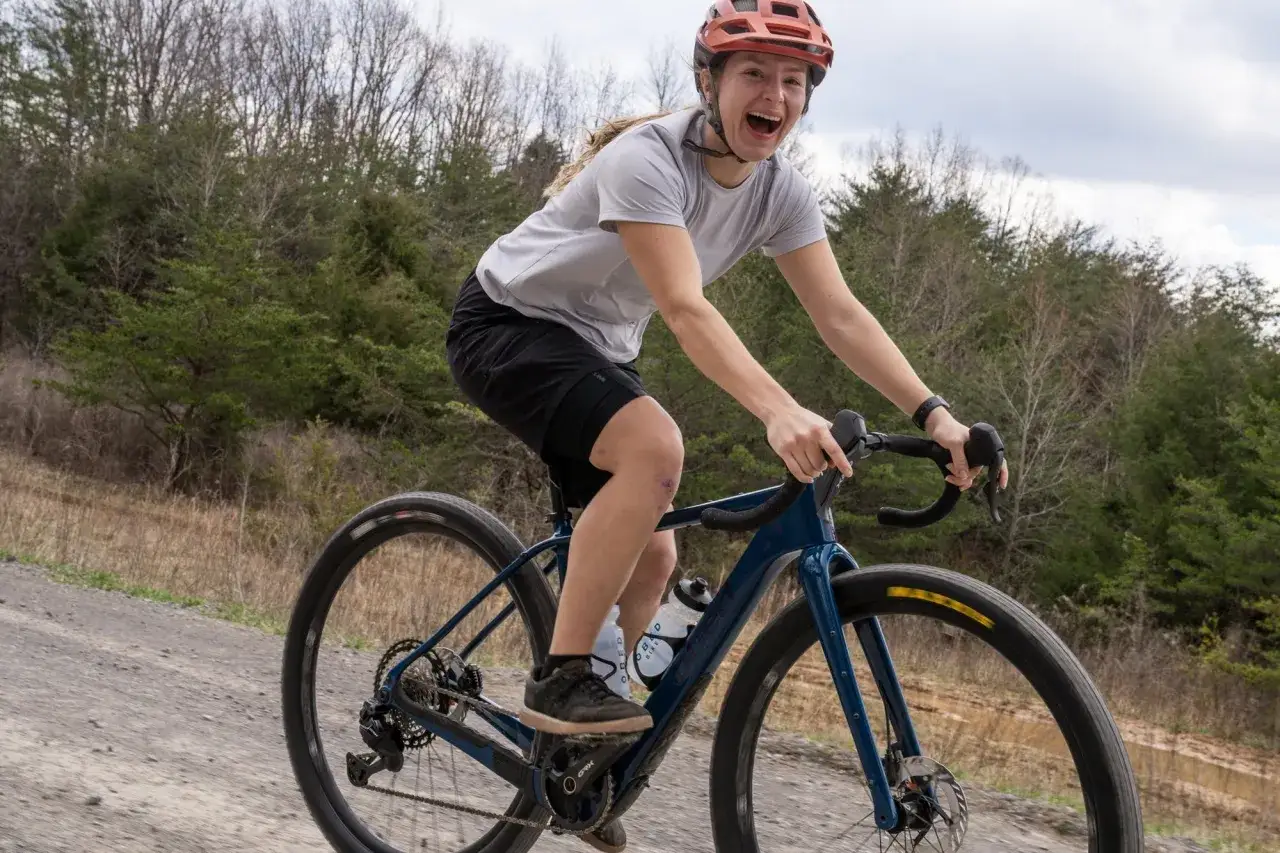
For distance riding, the best gear is usually the gear you stop noticing. That means comfort at the contact points, predictable handling, and enough storage to keep food and tools within reach without turning the bike into a pack mule.
- Bib shorts and saddle fit protect the skin and pelvis more reliably than any bottle of grit.
- Correct tire pressure matters more than chasing ultra-light parts; too much pressure can make rough pavement feel harsher and slower.
- Two bottles and a small storage bag keep nutrition and tools within reach so you do not have to improvise halfway through the route.
- Lights and a rear radar earn their place on busy US roads because awareness drops fast when fatigue rises.
- Layering matters on long descents, early starts, and rides that begin cool and finish hot.
For many riders on typical US pavement, 28-32 mm tires hit a good balance of speed and comfort. I would rather see a rider on the right tire at the right pressure than on a flashy setup that feels harsh after 70 miles.
The mistake I see most often is saving new gear for the event itself. Every contact point should already be tested on training days, because comfort surprises are rarely positive.
A simple 12-week build that makes the day feel manageable
Not every rider needs the same volume, but a twelve-week block is a useful template for a first big endurance goal. I would organize it like this:
| Phase | What the week looks like | Main job |
|---|---|---|
| Weeks 1-4 | 3 rides per week, longest ride 90-120 minutes, 2 short strength sessions | Build consistency and calm aerobic fitness |
| Weeks 5-8 | 3-4 rides per week, longest ride 2.5-3.5 hours, one tempo session, one back-to-back weekend | Extend stamina and learn to ride tired |
| Weeks 9-10 | 4 rides per week, one ride near target duration, practice the exact fueling plan | Make the event feel familiar |
| Weeks 11-12 | Reduce volume by 30-40 percent, keep a few short efforts, sleep more | Arrive fresh instead of flat |
If your schedule is tighter, compress the same ideas rather than deleting them: keep one endurance ride, one quality ride, one recovery ride, and at least one day with no bike time. That is usually enough to make progress without turning training into a second job.
The biggest payoff comes from rehearsal, not novelty, so the final block should look a lot like the ride you actually plan to do.
Common mistakes that make a good rider feel underprepared
- Starting too hard drains the first half of the ride when you still have the most distance to cover.
- Underfueling early is the fastest way to invite a late crash, even if you feel fine for the first hour.
- Ignoring hand and neck position makes fatigue feel like a fitness problem when it is really a setup problem.
- Testing new shoes, shorts, or saddles on event day is asking for a lesson you do not want.
- Skipping recovery turns one long ride into three tired days instead of one productive stimulus.
I also see riders overestimate their tolerance for heat and stop drinking because they are not thirsty yet. That is risky on exposed routes, especially in the United States where summer humidity and midday temperatures can climb fast.
None of these mistakes is dramatic by itself. The damage comes from accumulation, which is why discipline on the small stuff matters more than one big fitness breakthrough.
What I would prioritize when the big day is close
If the ride is less than two weeks away, I would stop trying to gain fitness and start trying to remove variables. The three most valuable habits are simple: practice the exact fueling pattern, keep the first hour easier than your ego wants, and protect sleep for the two nights before the ride.
- Eat and drink on the same schedule you will use on the event, not a rough version of it.
- Keep the early pace conversational, especially if the route begins with excitement or a group start.
- Finish each training ride with a proper meal so recovery starts immediately, not later that evening.
That is the part many cyclists overlook: the final advantage usually comes from making the day boring in the best possible way. When your training, fueling, and setup are already rehearsed, the ride stops feeling like a gamble and starts feeling like a plan you can execute.