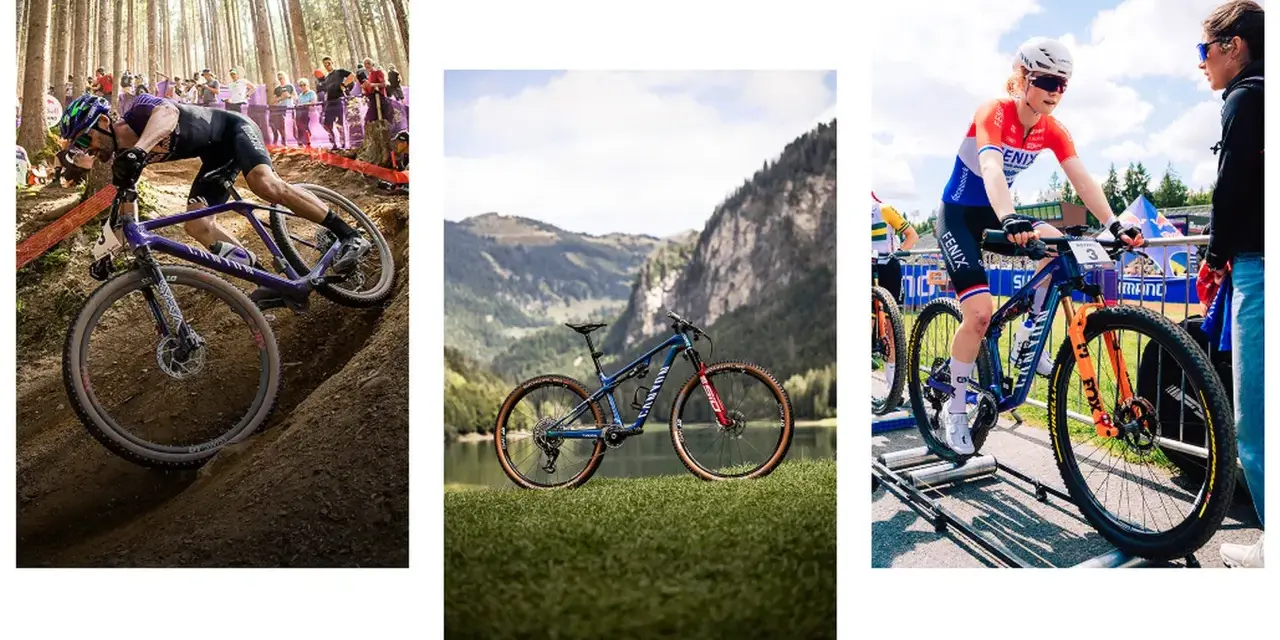
Downcountry bikes are for riders who want one machine to climb efficiently and still feel composed when the descent gets rough. Understanding what a downcountry bike is helps because it sits in a very specific middle ground, and that middle ground can be the best option on mixed singletrack if you value speed, control, and a lively feel. In the article below, I break down the category, show how it compares with XC and trail bikes, and explain which features actually matter when you are choosing one.
The short version on downcountry bikes
- Think short-travel full-suspension, usually around 120 mm front and 100-120 mm rear.
- The goal is XC-style pedaling efficiency with more confidence on rougher descents.
- Most good builds use 29-inch wheels, a dropper post, and modern but not extreme geometry.
- It is a strong fit for long climbs, mixed singletrack, marathon riding, and fast everyday trail loops.
- If your trails are very smooth, a pure XC bike may be faster; if they are very steep and rough, a trail bike usually makes more sense.
What a downcountry bike really is
Downcountry is not a hard technical standard, and that is part of the confusion. I use the term for a modern short-travel full-suspension mountain bike that pedals with XC efficiency but adds enough suspension, geometry stability, and component grip to stay calm when the trail becomes choppy. The category sits between pure cross-country and trail, but the best examples still feel quick and efficient rather than soft and overbuilt.
That balance is the point. A good downcountry bike should climb well, accelerate cleanly, and stay fun over long mileage, while giving you extra margin on roots, small drops, loose corners, and fast descents that would feel harsh on a race-only XC machine. In practice, I think of it as a bike that lets you keep pace on the way up without asking you to tiptoe on the way down, and that tradeoff is what separates it from the bikes on either side of it.
How it compares with XC and trail bikes
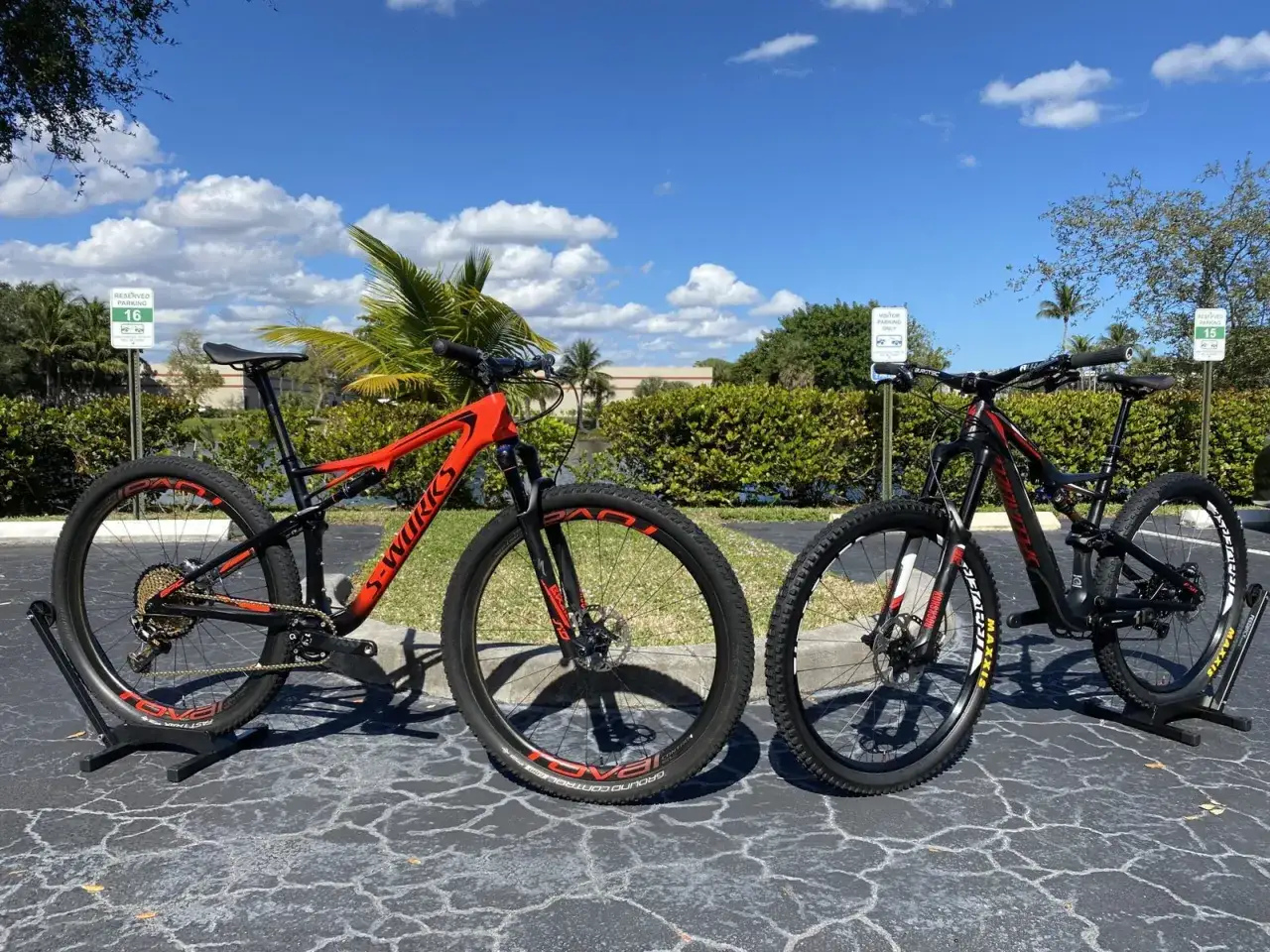
The easiest way to understand the category is to place it between the two better-known ends of the mountain bike spectrum. The numbers below are typical rather than absolute, because brands still define the lane a little differently, but the riding feel is consistent enough to be useful.
| Category | Typical suspension | Riding feel | Best for | Main compromise |
|---|---|---|---|---|
| XC bike | About 80-110 mm rear, 100-120 mm front | Light, efficient, and very quick to accelerate | Race laps, smooth singletrack, big climbing days | Less forgiveness on rough or steep descents |
| Downcountry bike | About 100-120 mm rear, 120-130 mm front | Fast uphill, more stable downhill, still playful | Mixed singletrack, marathon rides, technical XC, all-day trail riding | Still not as calm as a full trail bike on aggressive terrain |
| Trail bike | About 120-160 mm rear, 130-160 mm front | More planted, more forgiving, usually a bit heavier | Rougher descents, steeper terrain, mixed fun rides | Slower on long climbs and less efficient over big mileage |
In real life, these labels blur. Some brands market a 120 mm bike as XC, others call something with almost the same numbers downcountry, and a few position their bikes right on the edge of trail territory. I pay more attention to the actual ride character than the sticker, because the label matters less than whether the bike stays efficient under power and predictable when the trail turns rough. Once you see that overlap, the next question becomes which details make the category work.
The parts and geometry that make it work
A downcountry bike succeeds or fails on the details. Travel matters, but so do kinematics, tire choice, brake power, and geometry, because a short-travel bike can feel either sharp and composed or nervous and underbiked depending on how it is built.
Suspension should feel supportive, not soft
I usually expect around 120 mm at the fork and 100-120 mm at the rear, but the number alone does not tell the whole story. What matters is how the suspension resists pedaling bob while still opening up for roots, braking bumps, and square-edged hits; that resistance is often described as anti-squat, which simply means the suspension does a better job of staying firm under power. If a bike pedals efficiently but still gives you enough traction and comfort, it belongs in this category. If it feels like a locked-out race bike, it starts drifting back toward XC.
Geometry should calm the front end without killing speed
Modern downcountry geometry usually moves a little away from old-school XC numbers. A slack head angle, often somewhere around 65 to 67 degrees, helps the bike feel more stable on descents, while a steeper seat angle, commonly around 75 to 77 degrees, keeps climbing efficient and balanced. I also like a reach number that is modern but not stretched to trail-bike proportions, because the whole point is to stay agile on long rides without making the steering feel twitchy. When the geometry is too conservative, the bike feels dated; when it gets too aggressive, the bike stops being efficient enough to justify the category.
Read Also: Mountain Bike Tire Pressure - Find Your Perfect PSI
Components should trim grams where it counts
- 29-inch wheels are the norm because they carry speed well and roll over obstacles more easily than smaller wheels.
- Tyres in the 2.35 to 2.4 inch range usually hit the sweet spot between speed and grip; I prefer stronger sidewalls if the trails are rocky or sharp-edged.
- A dropper post is the upgrade I would treat as mandatory, because it changes descending confidence more than most lightweight parts ever will.
- Brakes matter more than many buyers think; 180 mm rotors are a good baseline, and heavier or more aggressive riders often benefit from a 200 mm rotor up front.
- Suspension tuning matters more than branding; a well-set shock and fork can make a mid-priced bike feel far better than an expensive bike with a poor setup.
Those choices also affect price, which is where a downcountry bike becomes a real buying decision rather than a spec-sheet idea.
Who should buy one, and who should skip it
I reach for downcountry bikes when the riding day has a lot of climbing, a lot of pedaling, and enough technical trail to reward a more capable chassis. They are especially useful when you want one bike for local loops, marathon events, and long mountain rides without carrying the weight and drag of a bigger trail bike.
| Good fit | Poor fit |
|---|---|
| Riders who climb a lot and want to stay efficient on the way up | Riders whose main goal is steep bike-park riding or big jumps |
| Mixed singletrack with roots, switchbacks, and short technical descents | Very smooth terrain where an XC race bike is enough |
| Marathon riders and fitness riders who still want downhill confidence | Riders who prioritize maximum cushion and stability over speed |
| People who want one fast, versatile mountain bike for most weekends | People who already know they want an enduro or a pure XC race machine |
I especially like this category for riders who spend 45 to 90 minutes climbing to earn their descents, then repeat that pattern all weekend. It also makes sense for newer riders on mixed terrain, because the extra control can make the learning curve less punishing without making the bike feel sluggish. I would skip it if you want maximum downhill security, because a trail bike will usually give you more margin, or if you care only about race efficiency, because a pure XC bike will be faster and lighter. That tradeoff brings us to price, which is where the category gets even more practical.
What a downcountry bike usually costs in the U.S.
In 2026, I would think about U.S. pricing in broad bands rather than trying to find one exact number. Sales, frame material, suspension quality, and wheel build can move the price a lot, but these ranges are a realistic way to budget for the category.
| Approximate price band | What you usually get | Who it suits |
|---|---|---|
| $2,500-$3,500 | Alloy frame, competent suspension, heavier wheelset, simpler drivetrain | Buyers who want entry into the category without paying for carbon |
| $3,500-$5,500 | Better fork and shock, dropper post, stronger wheels, more refined braking | Most riders who want the best value for mixed singletrack |
| $5,500-$8,500 | Carbon frame, lighter wheels, premium suspension, better drivetrain and brakes | Riders who care about long rides, race days, and lower overall weight |
| $8,500 and up | Top-tier suspension, high-end wheels, electronic shifting, very light builds | Weight-conscious riders and buyers who want premium parts from the start |
If I were spending money wisely, I would focus on suspension quality, wheels, tires, and brakes before chasing the lightest possible frame. Those parts shape how the bike behaves every minute of the ride, while a flashy drivetrain upgrade is usually less noticeable on the trail than people expect. That is also why the category makes so much sense on real American trail systems, where the terrain rarely stays simple for long.
Why it still makes sense on mixed U.S. trails
Many U.S. trail networks force you to do a little bit of everything on the same ride: long climbs, rolling singletrack, punchy technical moves, and short descents that are rough enough to demand control but not so extreme that you need an enduro bike. That is exactly where a downcountry bike earns its place, because it keeps the ride fast without making every rough section feel like a compromise you have to survive.
If I were buying for that reality, I would choose the category first and the spec second. Build it with sensible tires, honest brakes, and a proper dropper, then tune suspension and cockpit fit for the trails you actually ride. The result is a bike that feels efficient on the climbs, lively in corners, and calm enough on descents to make you want another lap, which is the real reason this category has stayed relevant.