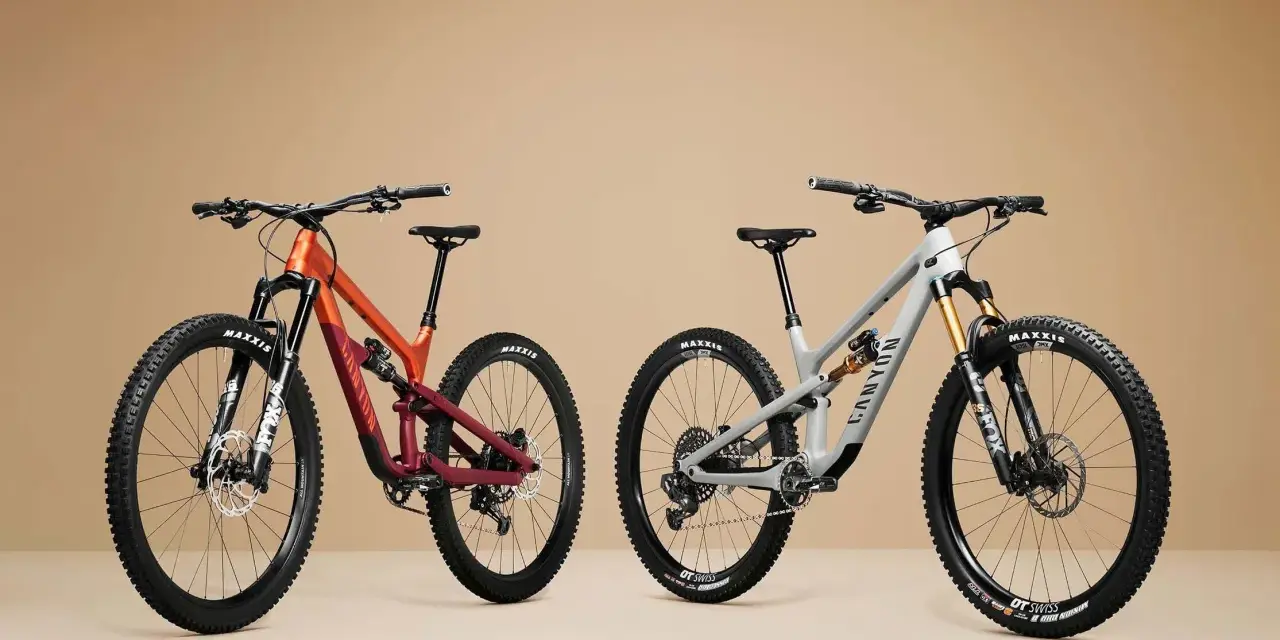
The wheel size on a mountain bike changes more than many riders expect. In the 27.5 vs 29 mountain bike debate, the real question is not which wheel is “better,” but which one matches your trails, your body, and the kind of ride feel you want. I’d look at acceleration, rollover, traction, fit, and how much playfulness or stability matters to you before I chose a frame.
Key takeaways before you choose a wheel size
- 27.5-inch wheels feel quicker and more playful, especially in tight, technical terrain.
- 29-inch wheels roll over roots and rocks more easily and usually hold speed better once moving.
- Shorter riders often find 27.5 easier to fit, while taller riders frequently prefer the feel of 29.
- Trail shape matters more than marketing: twisty singletrack and bike-park-style riding favor different behavior than fast, rough descents.
- Mullet bikes mix both wheel sizes with a 29-inch front and a 27.5-inch rear.
What changes when the wheel gets bigger
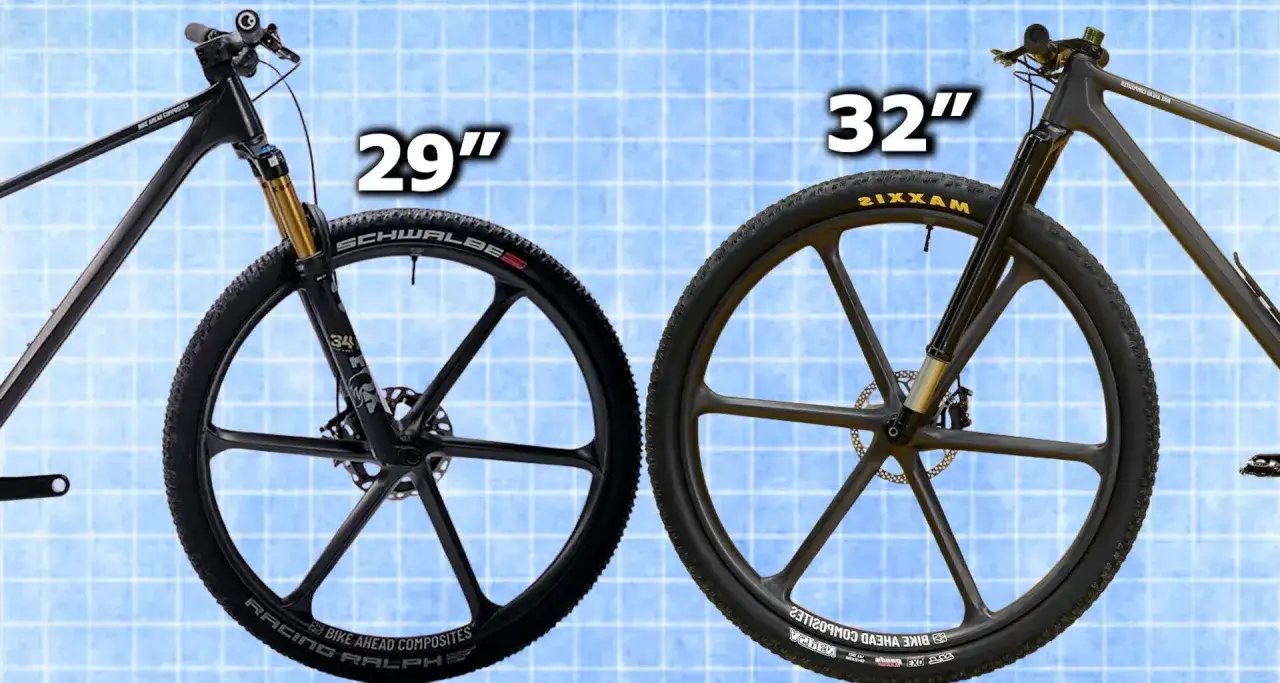
The difference starts with simple physics. A 27.5-inch wheel has a smaller diameter and usually less rotational mass, so it accelerates faster and changes direction more easily. A 29-inch wheel carries more momentum, which makes it feel calmer at speed and better at staying on line through rough sections.
The bigger wheel also changes the attack angle, which is the angle at which the tire meets an obstacle. A shallower attack angle means the wheel rolls over roots, rocks, and trail chatter more smoothly instead of hanging up on them. That is why a modern 29er can feel efficient and confidence-inspiring even when the trail gets messy. At the same time, a smaller wheel can still be the better tool when quick direction changes matter more than rollover, and that leads straight into where 27.5 still shines.
Where 27.5-inch bikes still make a lot of sense
I still see real value in 27.5 when the ride rewards quick handling over straight-line speed. Tight switchbacks, narrow trees, slow-speed technical climbs, and twisty descents all benefit from a bike that feels easy to flick around. If your local trails have a lot of repeated direction changes, the smaller wheel can make the bike feel more lively and less work to steer.
There is also a fit argument that people ignore too quickly. Smaller riders often feel more comfortable on 27.5 because the bike can be easier to size properly without stretching the frame geometry. That does not mean taller riders cannot enjoy 27.5; it means the wheel size is often the simpler path when standover, body position, or maneuverability are the priority.
- Best for tight terrain: technical singletrack, pumpy trail centers, and places where you are constantly turning.
- Best for a playful feel: riders who like manuals, quick line changes, and a bike that feels easy to throw around.
- Best for some park and freeride use: where agility and quick response matter more than pure rollover.
If your idea of a good ride is a bike that feels snappy and direct, 27.5 still earns its place. The next question is where the larger wheel size starts to pay off more clearly.
Where 29ers usually win
For most trail riding, especially in the U.S. where many routes combine speed, rocks, roots, and longer climbs, 29ers are the safer default. They maintain speed better, cover ground with less effort once rolling, and give you more confidence when the trail turns rough or loose. On long rides, that adds up to less fatigue because the bike keeps momentum instead of asking you to rebuild it every few pedal strokes.
They also tend to feel more stable at speed, which is one reason they dominate so many cross-country and trail setups today. A well-designed modern 29er is not the awkward, sluggish bike some riders still picture from years ago. Frame geometry has improved enough that many 29ers now corner well, climb efficiently, and feel more composed on steep descents than older bikes ever did.
- Best for rough trails: rocks, roots, loose dirt, and broken-up terrain where rollover matters.
- Best for long rides: when preserving momentum and reducing fatigue are more important than instant snap.
- Best for speed and stability: especially on fast descents or open terrain.
Once you compare the two in real riding terms, the tradeoffs become much easier to see, so I like to put them side by side before talking about fit and bike categories.
A side-by-side look at the tradeoffs
| Factor | 27.5-inch wheels | 29-inch wheels |
|---|---|---|
| Acceleration | Quicker off the line and easier to spin up | Slower to get moving, but stronger once rolling |
| Momentum | Loses speed a little faster | Holds speed more efficiently |
| Rollover | Handles obstacles well, but gets deflected more | Rolls over roots and rocks more smoothly |
| Cornering feel | More agile and easier to flick | More stable and calmer in fast arcs |
| Traction | Good on most trails | Usually better, especially on loose or slippery ground |
| Fit | Often friendlier for shorter riders | Often feels more natural for taller riders |
| Typical use | Tight trails, playful riding, bike park, some freeride | Trail, XC, rough terrain, long rides, racing |
The table looks simple, but it reflects a real on-trail difference: 27.5 usually feels sharper, while 29 usually feels more composed. The best choice depends on whether you want the bike to react instantly or carry speed more efficiently, which is where body size and trail type start to matter more than wheel size alone.
How I would choose based on rider size and trail type
If I were helping someone buy a bike, I would not start with the wheel size. I would start with their local trails and their riding goals. Wheel size matters, but frame geometry, suspension design, and tire choice can easily influence the final feel as much as the wheel itself.
As a rough guide, riders under about 5'6" often feel more comfortable on 27.5 because the bike can fit more naturally and handle more easily at low speed. Riders over about 6 feet often prefer 29 because the bike tends to feel better balanced and more proportional. Between those heights, both can work well, so the decision usually comes down to trail shape and riding style.
Choose 27.5 if
- You ride tight, twisty trails with frequent direction changes.
- You like a playful bike that feels easy to lift, pop, and redirect.
- You want a simpler fit on a smaller frame.
Read Also: How to Choose a Mountain Bike - Your Ultimate Guide
Choose 29 if
- You ride rough, fast, or open terrain with roots, rocks, and longer descents.
- You care about momentum, traction, and stability more than quick snap.
- You want a bike that covers ground efficiently on longer rides.
The most practical move is to test-ride both if you can. A short ride on your real local terrain tells you more than a lot of opinions ever will, and it often exposes whether you value agility or calm speed when the trail starts getting messy.
Why mullet setups have become such a useful middle ground
One reason this debate has not disappeared is that more riders now split the difference. A mullet setup uses a 29-inch front wheel and a 27.5-inch rear wheel. The front wheel gives you rollover and confidence, while the smaller rear wheel keeps the bike a little easier to whip around in tight sections. That combination makes a lot of sense on enduro and downhill bikes, and it is popular for riders who want speed up front without losing too much playfulness in the back.
The catch is that mixed-wheel bikes work best when the frame and suspension were designed for them. If you convert a bike that was not meant to run a smaller rear wheel, geometry can shift in ways you may not like. Bottom bracket height can drop, which increases the chance of pedal strikes, and the bike can feel slightly off if the suspension kinematics were tuned for a different setup. That is why I treat mullet as a design choice, not a universal upgrade, and it leads to one final practical shortcut.
The simplest way to pick the right wheel size for your next bike
If I had to reduce the choice to one sentence, I would say this: pick 27.5 for agility, pick 29 for momentum, and pick a mullet only when the bike is built for it. That rule is not perfect, but it is close enough to keep most riders from buying the wrong feel.
- 27.5 is the better match if you want a nimble, playful bike and your trails reward quick handling.
- 29 is the better match if you want better rollover, more traction, and a steadier ride on rough ground.
- Mullet is the better match if you want a blend of both and the frame was designed around mixed wheels.
My last piece of advice is simple: do not choose wheel size in a vacuum. Match the bike to your body, your local terrain, and the type of riding you actually do most often, because that is where the difference between a good purchase and a great one usually shows up.