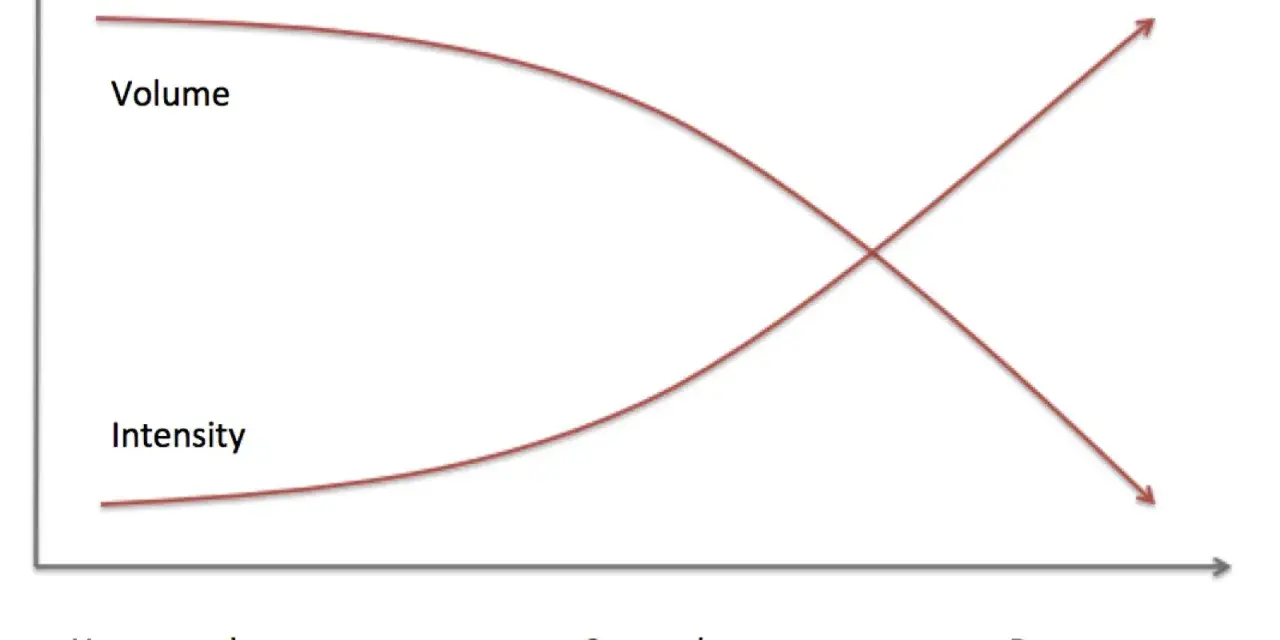
Training only works when the order matches the calendar. In most sports-science writing, reverse linear periodization means starting with shorter, harder work and adding more volume later, which is the opposite of the classic base-first build. The label gets used loosely, so I’ll separate the definition, show where cyclists actually benefit from it, and spell out the trade-offs that matter if you want to get faster without wasting a season.
Key points to keep in mind before you build a block
- In the strict sports-science sense, the reverse model is intensity first, then volume later.
- It can work well for cyclists with a solid base, limited winter time, or a clear race date.
- It is not consistently superior to classic linear or block periodization, so fit matters more than hype.
- Most riders do best with 1 to 2 quality sessions per week, not a constant grind of hard workouts.
- If your current plan starts with high volume and ends with higher intensity, that is usually the classic linear pattern, not the reverse one.
What the model means and why the label causes confusion
In practice, periodization is just the way you arrange stress across weeks and months. In the reverse model, the early phase is built around harder work with less total volume, then the plan shifts toward more volume and more race-specific endurance later. That makes it useful in some seasons, but it also means the name can be misused, especially in endurance coaching where people sometimes call any reordered progression “reverse” even when it is not.
| Model | Early emphasis | Late emphasis | Best for | Watch-outs |
|---|---|---|---|---|
| Classic linear | More volume, lower intensity | Less volume, higher intensity | Building aerobic base before an event | Can feel slow if the athlete wants early speed |
| Reverse model | More intensity, lower volume | More volume, lower intensity or more race-specific endurance | Athletes with limited time, indoor winters, or a need to sharpen first | Easy to overcook early intervals |
| Undulating | Volume and intensity vary week to week | Volume and intensity vary week to week | Busy schedules and athletes who need variety | Harder to track adaptation |
If the version you had in mind starts with a lot of volume and ends with more intensity, that sequence is usually closer to classic linear periodization. I’m calling that out because the training result matters more than the label, and a good plan starts with the right sequence of stress, not the right buzzword. Once that is clear, the next question is where the model actually fits in a cycling year.
Why cyclists choose it when winter or travel gets messy
Cyclists do not always have the luxury of long, uninterrupted base months. Winter weather, shorter daylight, work travel, and indoor trainer fatigue can make long endurance rides hard to execute well. That is where the reverse approach becomes attractive: it lets you concentrate on short, high-value sessions first, then add the longer aerobic work when conditions improve.
I like this model most when a rider needs to improve one of three things early: FTP, which is the highest power you can hold for about an hour; repeated hard efforts, which matter in road racing and gravel; or general leg speed, which helps when the event includes surges, climbs, or accelerations. TrainingPeaks coaches often use the reverse model for winter blocks for exactly that reason, because a short, sharp workout is easier to execute indoors than a four-hour ride in bad weather.
It also fits athletes who race later in the season. If your target event is a summer fondo, a late road race series, or a long triathlon, you can spend the colder months sharpening the engine and then layer on more race-specific volume when daylight, weather, and weekend time finally improve. That is the practical appeal, and it leads directly to the more important question of fit.
When it fits and when it does not
I would not treat this as a universal upgrade. A 2022 systematic review in Sports Medicine - Open did not find a clear performance advantage over traditional or block periodization. That is why I treat the reverse model as a scheduling tool, not a magic formula.
| Good fit | Poor fit |
|---|---|
| Experienced rider with a decent aerobic base | Beginner who still needs durable aerobic habits |
| Limited winter training time | Plenty of time for long, steady base rides |
| Clear A race or event window | No clear goal and no reason to peak |
| Good recovery habits, including sleep and easy days | Frequent fatigue, poor sleep, or recurring niggles |
| Athlete who responds well to intensity early in the year | Athlete who burns out when every week feels hard |
The simplest way to screen it is this: if the rider can handle 1 to 2 hard sessions per week, recover from them, and still build volume later without dragging fatigue for days, the model is worth considering. If the athlete is already tired, inconsistent, or injury-prone, a simpler linear build is usually the better call. From there, the real work is designing the block so the load changes without breaking the rider.
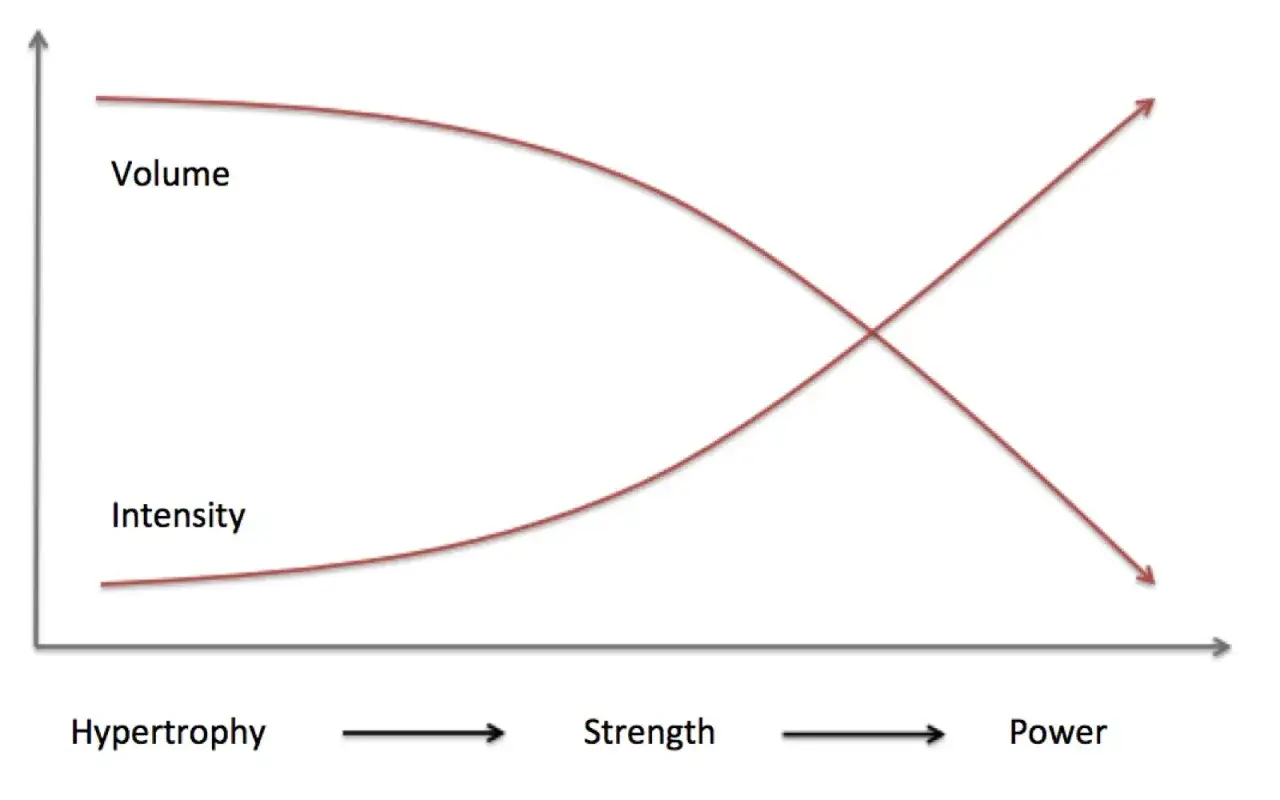
A 12-week cycling block that uses the reverse approach
For cyclists, I would keep the plan simple and measurable. The early weeks focus on hard but short work, the middle weeks blend intensity with more sustained riding, and the late weeks shift toward longer, event-specific volume. If you train with power, this is the point where FTP, threshold power, and time in zone matter more than chasing random fatigue.
| Phase | Weeks | Focus | Typical week | What I watch |
|---|---|---|---|---|
| Sharpen | 1 to 4 | Short intervals, threshold work, and technique | 2 quality sessions, 1 endurance ride of 60 to 120 minutes, 1 strength session, 4 to 7 hours total | Can you finish the hard work without carrying fatigue into the next week? |
| Blend | 5 to 8 | Keep one hard session, add a longer tempo or sweet-spot ride, extend weekend volume | 1 to 2 quality sessions, 1 ride of 90 to 150 minutes, 5 to 8 hours total | Does your power stay stable when the duration grows? |
| Specificity | 9 to 12 | Race-pace work, longer endurance, and sharper taper control | 1 race-specific workout, 1 longer ride of 2.5 to 4.5 hours, 6 to 10 hours total | Are you getting faster at the exact demands of your event? |
If you meant the volume-first sequence described in your brief, flip the order of those phases. The load-management logic is the same, but the physiological emphasis changes, and that is where many plans go wrong. I would also avoid jumping weekly volume by more than roughly 10 to 15 percent unless the athlete is unusually fresh and experienced. Bigger jumps are where good intentions start turning into flat legs.
For riders using an indoor trainer, this structure works especially well because the early phase can be done in 45 to 75 minute sessions, which is realistic on a weekday. The later phase is where long outdoor rides, group rides, and climbing specificity become useful. In other words, the plan lines up with real life instead of pretending every week can look the same.
The mistakes that make the block fail
- Making every hard session maximal. If every interval day feels like a test, the block becomes unsustainable fast.
- Adding volume too aggressively. Moving from short trainer sessions to all-day rides without a ramp period usually creates fatigue before adaptation.
- Confusing soreness with progress. A useful block should create adaptation, not leave you unable to hit the next session.
- Skipping recovery weeks. A lighter week every 3 to 4 weeks is often the difference between building fitness and digging a hole.
- Ignoring fueling. Hard rides still need fuel, and long rides need even more if you want power to stay stable late in the session.
The most common pattern I see is a rider who does the first two weeks well, then starts chasing volume while still keeping the intensity high. That creates a hidden double load, because the body never gets a clean signal about what it is adapting to. If the power numbers, motivation, or resting readiness fall off for a full week, the block is too aggressive. Once those errors are out of the way, comparing models becomes much simpler.
How I would choose between this, classic linear, and block periodization
| Model | Best when | Advantage | Trade-off |
|---|---|---|---|
| Reverse model | You need early intensity and can add more endurance later | Great for busy winters and early FTP development | Can fatigue the athlete before volume arrives |
| Classic linear | You want a simple base-to-peak progression | Easy to understand and usually safer for newer riders | May feel slow if the rider wants speed sooner |
| Block periodization | You want to isolate one quality at a time | Very focused and flexible for experienced athletes | Requires good coaching and careful recovery control |
For most recreational cyclists, classic linear is the safest default. I move to the reverse model when the calendar, indoor constraints, or winter weather make early intensity the better investment. I choose block periodization when the athlete can tolerate concentrated loads and we need one quality to dominate for a few weeks. If the schedule is chaotic, a more flexible undulating setup can be the least frustrating option, even if it looks less elegant on paper.
What I would do before choosing it for your next season
- Pick the A race or event first, then work backward from that date.
- Count your realistic weekly hours, not the optimistic version of your schedule.
- Identify the one limiter that matters most, such as FTP, climbing repeatability, or endurance.
- Set a 4-week checkpoint so you can adjust before fatigue compounds.
- Keep the plan simple enough that you can repeat it on a busy week without breaking it.
If the model fits your life, it can be a smart way to organize a season, especially for cyclists who need to stay sharp through winter and build volume later. If it does not fit, forcing it usually creates more fatigue than fitness. The best plan is the one you can execute, recover from, and carry all the way to the start line.