Watts are the most direct way to describe cycling effort because they show how much power you are producing at a given moment. The question what does watts stand for usually has a simple answer in cycling: watts measure power, and that makes them far more useful than speed alone when you are trying to pace a ride or train with intent. I’ll break down the unit, how it is measured, and how to use it without overcomplicating your training.
Watts are the cleanest way to describe cycling effort
- A watt is a unit of power, not a fitness score or an acronym.
- In cycling, watts show how much work you are producing per second.
- Power meters measure watts from force and cadence at the pedal, crank, hub, or trainer.
- Watts help with pacing, interval work, FTP, and climb management because they are less affected by wind and terrain than speed.
- W/kg matters on climbs, while FTP and normalized power help you judge sustainable effort.
- Consistency matters more than chasing a perfect-looking number from one ride to the next.
What watts mean on a bike
Strictly speaking, a watt is the SI unit of power. One watt equals one joule per second, so it describes the rate at which energy is transferred rather than the amount of energy stored. In cycling, that energy comes from your legs turning the cranks and moving the bike forward.
The unit is named after James Watt, so it is a proper unit name rather than an abbreviation. In other words, watts are a measurement, not a label for effort or toughness. A 250-watt ride is simply a 250-watt ride, whether it happens on a climb, on a trainer, or in a fast group ride.
What changes is the speed you get from that power. Wind, gradient, drafting, tire choice, road surface, and body position all affect how far those watts carry you. That is why I treat watts as the cleanest way to talk about output, while speed and heart rate stay in the conversation as context, not as the main score.
Once that distinction is clear, the next step is figuring out how the number is actually captured on the bike.
How cycling watts are measured
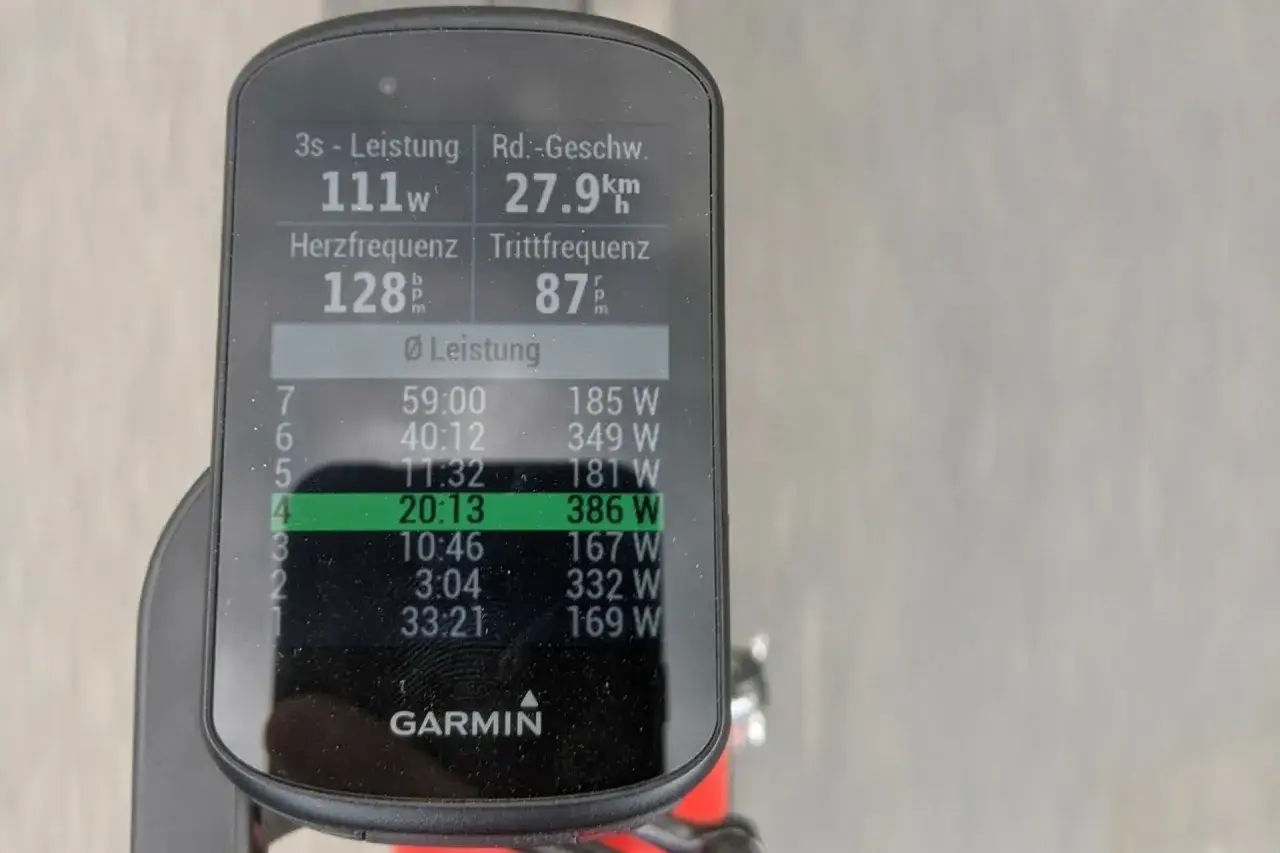
Power meters do not guess at effort. They estimate the force being applied at a measurement point and combine it with cadence to calculate power. That measurement point can be a crank arm, spider, pedal, hub, or indoor trainer.
Each setup has tradeoffs. Pedal- and crank-based meters are easy to move between bikes, hub-based systems are less common now, and smart trainers are convenient for indoor work but may not match outdoor readings exactly. Single-sided meters are especially common because they are cheaper and easier to install, but they estimate total power from one leg, so they can miss left-right imbalance if your pedaling is uneven.
I care more about repeatability than chasing a perfect number. If your meter reads the same way every ride, you can train with confidence even if it is not mathematically flawless. That is also why a quick zero-offset or calibration step, when your device recommends it, is worth doing before important sessions.
Most riders do not need the most complicated hardware available. They need a setup that is stable, compatible with their bike, and easy enough to use consistently. Once the measurement is reliable, the real value comes from what you do with the data.
Why watts are more useful than speed alone
Speed tells you how fast you are moving, not how hard you are working. On a windy road, the same power can produce a very different speed than it would on a calm day. In a draft, your speed can jump without a matching jump in effort. On a climb, speed can fall even when the power stays steady.
That is why watts are so useful for training. They isolate the work itself, while speed reflects the environment as much as your fitness. Heart rate still matters, but it lags behind effort and can drift upward during longer rides. Watts react immediately, which makes them better for pacing intervals and controlling surges.| Metric | What it tells you | Main limitation |
|---|---|---|
| Watts | Your actual output right now | Needs a power meter or smart trainer |
| Heart rate | How your body is responding | Lags behind effort and drifts with fatigue |
| Speed | How fast you are moving | Heavily affected by wind, draft, and terrain |
| Cadence | How fast you are turning the pedals | Not a measure of power on its own |
When I look at a ride, I usually read watts first, heart rate second, and speed third. That order keeps the training conversation honest. The data starts to become useful when it guides pacing decisions instead of just decorating a ride file.
Once you trust the number, the next question is how to use it to make training more precise.
How to use watts in training
The cleanest use of power is simple: set a target, hold it, and review the result. That makes watts especially useful for intervals, climbs, and structured endurance rides. It also gives you a way to compare workouts week to week without relying on how you happened to feel that day.
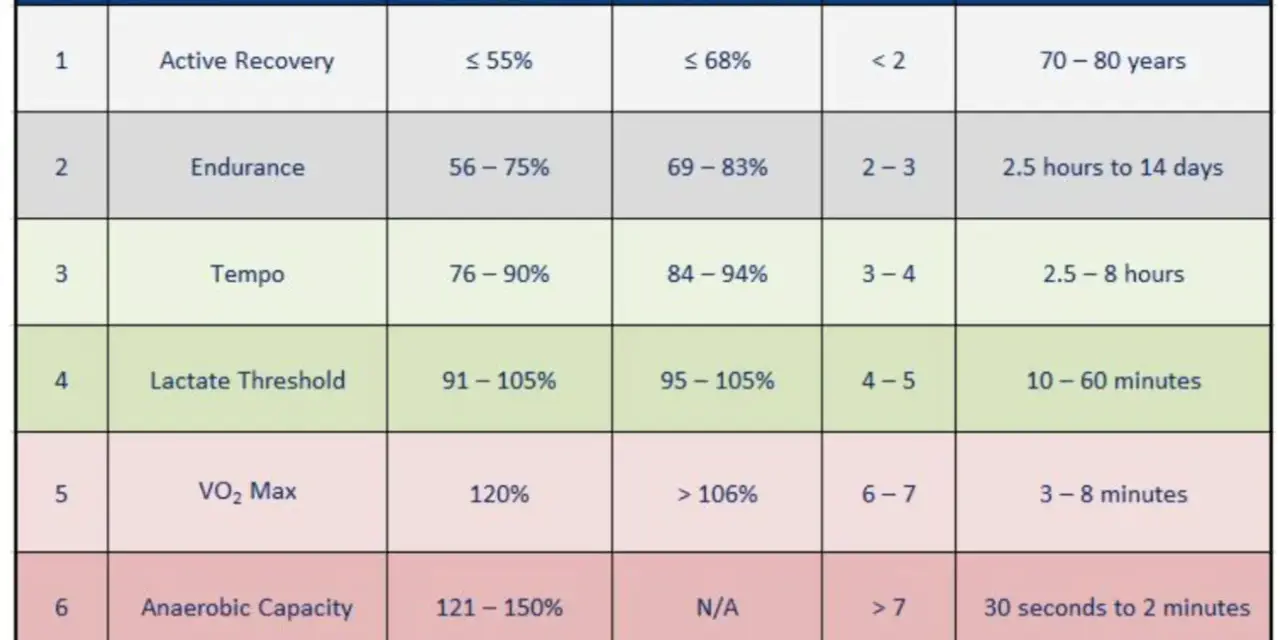
A lot of training plans anchor everything to FTP, or functional threshold power. FTP is the highest power you can sustain for a hard effort without fading quickly, and it is still the most common benchmark for setting power zones. A common zone model looks like this:
| Zone | Approximate share of FTP | Typical use |
|---|---|---|
| Endurance | 56-75% | Steady aerobic riding and base building |
| Tempo | 76-90% | Longer steady efforts that feel firm but controlled |
| Threshold | 91-105% | Hard, controlled work that builds sustained fitness |
Those ranges are guides, not laws. Different coaching systems draw the lines a little differently, and your own response matters more than a neat chart. Still, they give you a practical starting point if you want your training to be more intentional.
For outdoor rides with a lot of surging, normalized power can be more useful than simple average power because it does a better job of reflecting the real cost of the ride. A ride with repeated hard accelerations is not the same as a perfectly steady ride, even if the average wattage ends up similar. That is one reason power-based training feels more accurate than effort guessed from memory.
In practice, I use watts for pacing climbs, keeping intervals honest, and checking whether endurance work is actually steady enough to count. If the same wattage becomes easier over time, fitness is improving. If you can hold slightly higher wattage for the same workout, that is even better evidence that the training is working.
From there, the biggest gains usually come from avoiding a few common misreads of the data.
Common mistakes riders make when reading watt numbers
Watts are powerful only if you interpret them correctly. The most common mistakes are not technical; they are judgment errors that make the numbers look more useful than they really are.
- Comparing raw watts without body weight context. A heavier rider may produce more absolute watts, but climbing performance often depends more on watts per kilogram.
- Chasing peak watts instead of sustainable power. Sprint numbers are fun, but most training progress comes from what you can hold, not what you can flash for five seconds.
- Using average watts alone on variable rides. A punchy route can hide hard surges inside a modest average, which is why normalized power is often more honest.
- Ignoring calibration and setup. Small setup issues can create confusing drift from one ride to the next.
- Mixing up watts and watt-hours. Watt-hours describe energy storage, usually in battery contexts, while watts describe current power output.
- Assuming one leg represents both legs perfectly. Single-sided meters are convenient, but they can understate or overstate total output if your pedaling balance changes.
These mistakes matter because they can push you toward bad decisions: training too hard on easy days, underestimating fatigue, or comparing your data to someone else’s without the same context. I see that especially with new riders who are excited by a big watt number and forget to ask what it actually means.
Once you avoid those traps, watts become a very practical tool rather than a vanity metric.
The simplest way to make watts useful in your own training
If I were building fitness from scratch, I would not start by chasing every metric on the screen. I would pick one reliable power source, ride with it consistently for several weeks, and use a repeatable benchmark such as FTP or a standard interval workout. The goal is not perfect data; it is data you can compare from one week to the next.
From there, I would use watts for three things: pacing climbs so I do not blow up, keeping intervals honest, and checking whether endurance rides stay steady as fitness improves. If the same wattage feels easier over time, or if I can hold a slightly higher wattage for the same workout, that is real progress. If you are choosing gear, I would favor a meter that fits your bike and your habits cleanly, because the best power meter is the one you will actually use every week.
That is the practical answer to what watts stand for in cycling training: a way to make effort measurable, repeatable, and easier to improve.