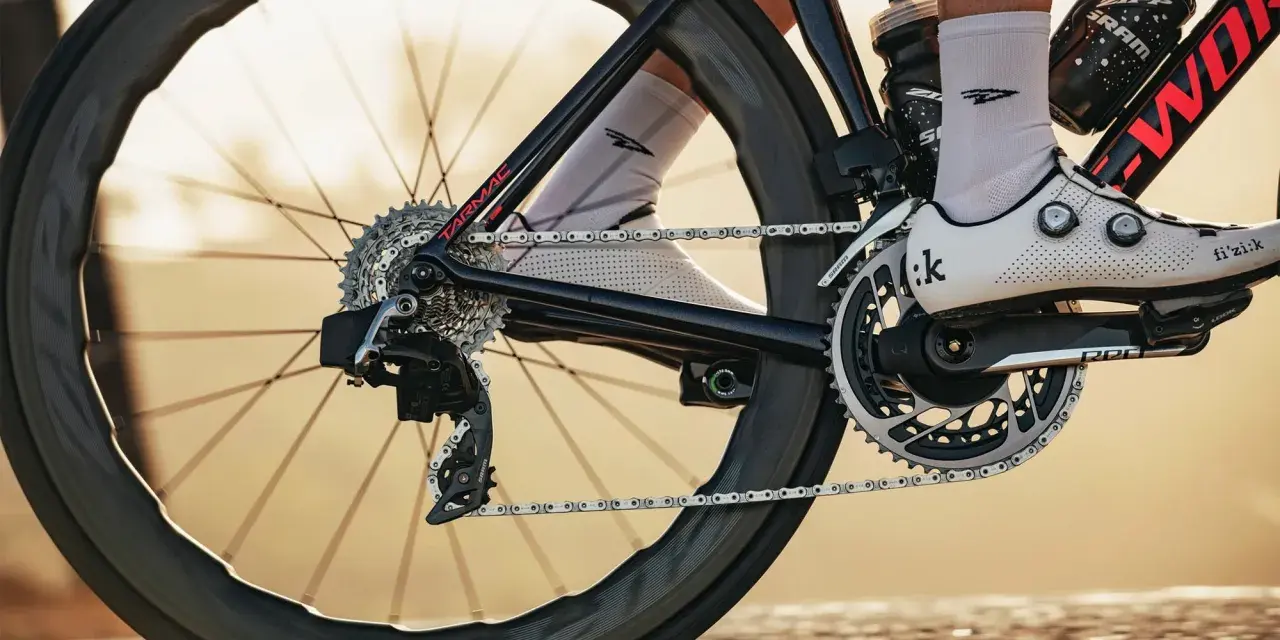
Cycling watts are the cleanest way to measure how hard you are truly working on the bike, especially when speed and heart rate are being distorted by hills, wind, traffic, or fatigue. I use power to make training decisions faster: what effort to hold, when to back off, and whether a session actually hit the target. This guide breaks down what the number means, how it is measured, how to turn it into training zones, and where riders usually misread the data.
The practical takeaways from bike power data
- Watts measure output, not speed, so they stay useful when terrain and conditions change.
- A consistent power meter matters more than chasing a perfectly true number every ride.
- FTP is a useful anchor for zones, but it is only a starting point.
- Average watts can hide surges; normalized power gives a better sense of load on variable rides.
- For climbing and racing, watts per kilogram matters more than raw watts alone.
What watts actually measure on the bike
Power is the rate at which you produce work, measured in watts. One watt is one joule per second, which is why the number scales cleanly across different efforts and riding conditions. On a bike, that means the force you apply to the pedals times how quickly you are turning them over. I like watts because they tell me what my legs are doing right now, not what the road surface, wind, or grade happens to allow.
That is why the same 250 W can feel very different on an easy flat ride, a headwind, or a steep climb. Watts are a better training language than speed because they strip out some of the noise. They are still not the whole story, though; body mass, aerodynamics, rolling resistance, and drafting still affect how fast you go, which is why race results never map perfectly to a single number.
If you are new to power, the most important habit is to read the number as a workload signal, not a score. Once that clicks, the rest of the system becomes much easier to use.
How I measure power without fooling myself
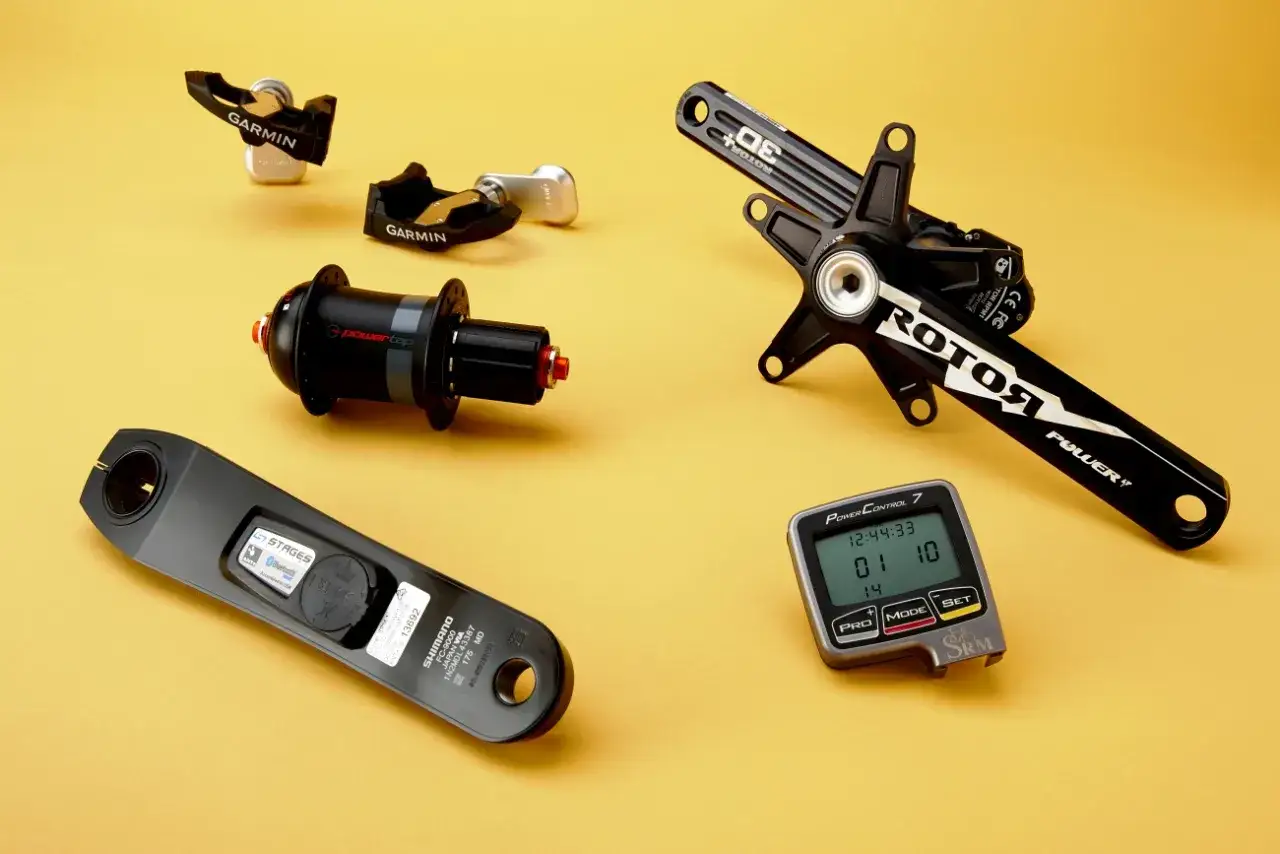
The device matters because different meters read power in different places. Pedal, crank, spider, and hub systems can all be useful, but they do not always match exactly because they measure at different points in the drivetrain and are affected by different variables.
Here is the short version I would actually use when choosing one:
| Meter type | Best for | Strengths | Trade-offs |
|---|---|---|---|
| Pedal-based | Riders who want easy transfer between bikes | Simple installation, portable, often dual-sided options | Can be more exposed to impacts and clipping issues |
| Crank or arm-based | Budget-conscious riders | Usually lighter and less expensive | Bike-specific, sometimes single-sided |
| Spider-based | Riders who want a strong all-around setup | Stable readings and a central measurement point | Compatibility depends on the crankset |
| Hub-based | Older bikes or dedicated setups | Very stable once installed | Less common now and not ideal if you swap wheels often |
The details matter less than consistency. I want the same bike, the same meter, the same crank length, the same shoe and cleat setup, and the same calibration habit before important rides. A quick zero-offset or calibration step before a key workout is usually worth the few seconds it takes. Temperature changes, battery issues, and a sloppy install can move your readings enough to ruin the comparison you were trying to make.
One-sided meters deserve a special note: they estimate total output from one leg and assume both legs are contributing evenly. That is fine for many riders, but if your left-right balance shifts under fatigue or injury, the number can be less reliable than you expect.
Turning power numbers into a training system
This is where watts become useful instead of merely interesting. Most riders anchor their zones to FTP, or functional threshold power, which is the highest steady effort you can hold for roughly an hour. It is not a perfect physiological line, but it is good enough to organize training if you keep the test method consistent.
A common zone model looks like this:
| Zone | Approximate range | How it feels | Typical use |
|---|---|---|---|
| Recovery | Below 55% of FTP | Very easy, fully conversational | Spin-outs, recovery days |
| Endurance | 56% to 75% | Comfortable and sustainable | Base building, long rides |
| Tempo | 76% to 90% | Steady but purposeful | Group rides, moderate work |
| Threshold | 91% to 105% | Hard, controlled, breathing is deep | Race prep, sustained climbing |
| VO2 max | 106% to 120% | Very hard, repeatable only in short blocks | Short intervals, race surges |
| Anaerobic | Above 120% | All-out, limited duration | Attacks, short sprints |
The exact edges of those zones vary a little by coach and platform, so I treat them as a working frame rather than a religion. What matters is that the zones let you match the workout to the adaptation you want. If you want better endurance, stay in endurance. If you want more top-end punch, spend time above threshold in controlled doses.
That structure is what turns a raw number into a plan, and the next step is deciding what kinds of sessions actually move the needle.
The workouts that make watts improve
When riders ask me how to get stronger, I usually start with session design rather than gear. A power meter is only useful if the work you prescribe is specific enough to create change.
- Endurance rides at 56% to 75% of FTP build aerobic durability. These are the sessions that make long rides feel less expensive.
- Sweet spot work around 88% to 94% of FTP gives a strong training effect without the full cost of threshold intervals. It is efficient, but easy to overuse.
- Threshold intervals near 95% to 100% of FTP improve the ability to hold a hard pace for climbs, time trials, and fast solo efforts.
- VO2 max repeats around 110% to 120% of FTP raise your ceiling. They are short, painful, and useful when done with enough recovery.
- Sprint work is about peak force and neuromuscular sharpness, not long-duration power. Ten seconds done well can matter more than a heroic-looking two-minute effort done badly.
I also think riders should remember that progress is not always visible in a single heroic file. A workout that used to drift above target and now sits steadily inside the range is often a better sign than a one-day personal best.
Why raw watts can mislead you
Watts are objective, but the way you read them can still be sloppy. The most common mistake is confusing a peak number with a useful one. A few seconds at 900 W tells me very little about your endurance, pacing, or race fitness. The more useful metrics are usually average power for steady efforts, lap power for intervals, and normalized power, a better estimate of the cost of a variable ride, for rides with lots of surges.Normalized power matters because real rides are rarely smooth. If you attack, coast, draft, and surge, your average may look moderate even though the ride felt brutal. That is why a rough interval ride can leave you more cooked than the average suggests. If you only look at average output, you can underestimate the load.
Heart rate is also slower and noisier, but it still has a job. I use it to check drift, heat stress, and accumulated fatigue. If power is normal and heart rate is unusually high, something is off. If power is steady but heart rate is oddly low, you may be under-recovered. Neither metric replaces the other.
Another trap is comparing numbers across riders without context. Two cyclists can both hold 250 W and have completely different outcomes depending on body mass, aerodynamics, terrain, and drafting. For climbing and many race situations, watts per kilogram is the more useful comparison.
What matters more than the number on the screen
Once the novelty wears off, I care about four things more than raw output alone: consistency, repeatability, power to weight, and how the number matches the rider’s actual effort. That is the part people often miss when they first buy a meter. They stare at the display and forget that training is still about adaptation, not data for its own sake.
For most riders, the best next metrics are simple:
- W/kg for climbing and race relevance.
- FTP trend to see whether your threshold work is actually moving.
- Power-duration curve to understand whether you are improving in five seconds, five minutes, or an hour.
- Training stress and freshness so hard days do not quietly erase each other.
I also like to check whether the numbers make sense in the real world. If your FTP looks impressive but you cannot hold it outdoors, the setup or testing method may be off. If your endurance watts rise while heart rate stays controlled on long rides, that is usually a more trustworthy sign of progress than a single testing day.
The best cycling data rewards patience. It is less about finding the perfect number and more about making sure the same effort keeps producing the same result until training changes that result on purpose.
The simplest way to make power data useful week after week
If I had to reduce the whole topic to one rule, it would be this: use the same measurement system consistently, then train to the right zone for the adaptation you want. That gives you cleaner comparisons, better workouts, and fewer false conclusions.
Start with a reliable meter, set zones from a consistent test, and review the file after each key session. Look for whether the interval targets were hit, whether fatigue pushed the numbers down, and whether your longer rides are becoming more efficient. Those three checks will tell you far more than chasing a single big wattage spike.
Watts are not magic, but they are one of the best tools a cyclist can use to turn effort into progress. When you read them with context, they become a very practical guide for getting faster without guessing.