Spinning can be a smart way to build cardio without the pounding of running, but it is not automatically kind to every knee. So, is spinning bad for your knees? Usually not, but it can become a problem when the bike fit is off, the resistance is too heavy, or you keep riding through early warning signs. This article breaks down what actually stresses the knee, how to set up the bike correctly, and what to change before a small ache turns into a bigger training setback.
The real issue is fit, resistance, and how fast you ramp up
- Spinning is generally low-impact, but it still loads the knee through thousands of repeated pedal strokes.
- The biggest problems are usually a seat that is too low or too high, heavy resistance at a slow cadence, and doing too much too soon.
- A few small adjustments in bike setup often matter more than switching workouts entirely.
- Front-of-knee pain, swelling, locking, or instability are signs to stop and reassess.
- If your knees already feel sensitive, spinning can still work, but you need to ride it more like a controlled training tool than a competition.
Spinning is usually low impact, not no impact
I usually start with the same distinction: spinning is low-impact, but it is not no-impact. Your feet stay supported by the pedals, so the workout avoids the pounding that comes with running or jump-based training, yet your knees still flex and extend over and over under load.
That matters because the knee does not usually complain from one hard pedal stroke. It complains from repeated stress that is slightly too much, slightly too often, or slightly out of alignment. A smooth class with sensible resistance is often easy on the joints; a class that turns into slow, heavy grinding is where trouble starts. Once you understand that difference, the next step is looking at the usual causes of pain.
What usually causes knee pain in a spin class
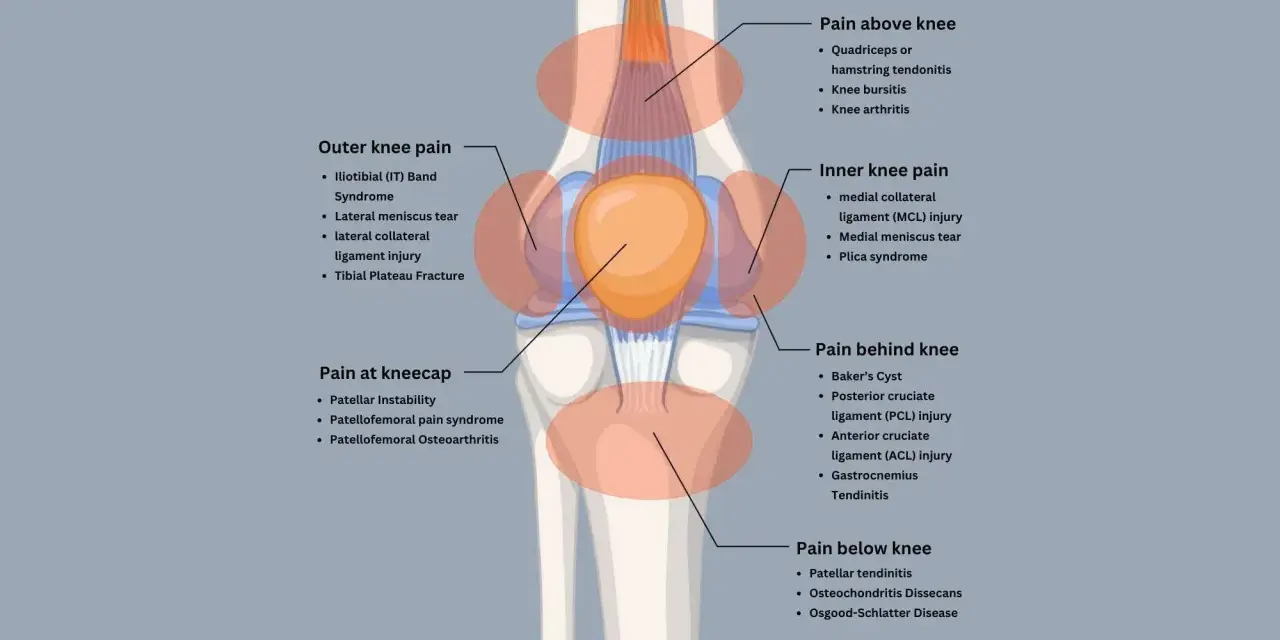
When a rider tells me their knees hurt in indoor cycling, I rarely blame the class itself first. I look at setup, effort, and training load. The pattern usually falls into one of a few buckets:
| Where it hurts | What it often points to | First change to try |
|---|---|---|
| Front of the kneecap | Seat too low, resistance too heavy, slow cadence, too much time standing on climbs | Raise the seat slightly, ease the load, and spin more smoothly |
| Back of the knee | Seat too high, overreaching at the bottom of the stroke | Lower the seat a little and recheck your reach |
| Outside of the knee | Foot angle, knee tracking, or clip position if you use cycling shoes | Keep the knee tracking over the middle of the foot and adjust foot position |
| General ache after every class | Too much volume too soon, especially with back-to-back hard rides | Cut the intensity or frequency before the knee gets irritated |
There is one more detail worth knowing: if the setup is wrong, discomfort can show up fast. Cleveland Clinic notes that poor positioning often becomes noticeable within about 15 minutes, and too much or too little resistance can make the kneecap grind against the thigh bone. That is why I treat early ride discomfort as useful data, not something to ignore and “push through.” The next question is what to change first.
How I would set up the bike to spare the knee
If I were adjusting a spin bike for a rider with knee pain, I would start with the seat and then work outward from there. Small changes matter more than dramatic ones, and it is usually best to change one thing at a time.
- Seat height: Start with the saddle roughly level with your hipbone when you are standing next to the bike. HSS suggests that, at the bottom of the pedal stroke, your knee should have only a subtle bend, not a locked-out extension.
- Seat fore-aft position: When one pedal is at the 3 o'clock position, your front knee should line up roughly over the pedal axle or the ball of the foot. If the saddle is too far forward or back, the knee often has to compensate.
- Handlebar height: Set the bars high enough that you are not overreaching or rounding your back. If your torso collapses forward, you are often forcing more load into the hip and knee chain than you realize.
- Foot and knee tracking: Your knees should track over the middle of your feet, not dive inward or flare out wildly. If you use clip-in shoes, foot rotation matters even more because the shoe fixes your angle to the pedal.
The easiest self-check is simple: if the bike feels like you are either reaching for the bottom of the stroke or folding up at the top of it, the fit is probably not right yet. Once the bike fits you instead of the other way around, you can start thinking about how hard to ride.
How to ride when your knees are sensitive
A lot of knee irritation in spinning comes from how the class is ridden, not just how the bike is set. My rule is simple: if the knee is already touchy, keep the ride smooth and controlled before you make it intense.
- Warm up before pushing. Give the joints 5 to 10 minutes of easy spinning before resistance work or climbs.
- Avoid mashing. Mashing means pushing a heavy gear at a slow cadence, and that usually loads the knee more than a smoother, quicker pedal stroke.
- Use moderate resistance. You want enough load to stay stable, but not so much that every pedal stroke feels like a leg press.
- Limit standing climbs if they trigger pain. Out-of-the-saddle work changes body position and can aggravate some knees, especially if you are still building tolerance.
- Back off the volume. If you are doing multiple hard classes per week, keep at least some rides easy so the knee gets a recovery window.
I also tell riders returning from a layoff to think in weeks, not in one heroic class. The knee usually responds better to a gradual build than to a sudden jump in duration, resistance, and frequency all at once. That becomes even more important when spinning is being used as part of a rehab or return-to-fitness plan.
When spinning helps knees more than it hurts
For the right rider, spinning can actually be a useful knee-friendly option. It keeps body weight off the joints, it works the muscles that support the knee, and it can help maintain range of motion without the impact of running. That is why cycling often shows up in recovery plans and arthritis-friendly exercise advice.
HSS points out that cycling is a low-impact way to loosen the joints and that every 5 pounds of body weight can add up to 25 pounds of extra pressure on the knee joints. That does not mean cycling is magic, but it does explain why many people with arthritis, stiffness, or simple deconditioning do well on a bike when the fit is right.
The real benefit is that spinning can strengthen the quads, hamstrings, glutes, and calves while still keeping stress relatively controlled. In plain English: the knee tends to like motion when that motion is smooth, supported, and not overloaded. Once you know where spinning helps, the final piece is recognizing when it is a bad idea to keep going.
When to stop and get the knee checked
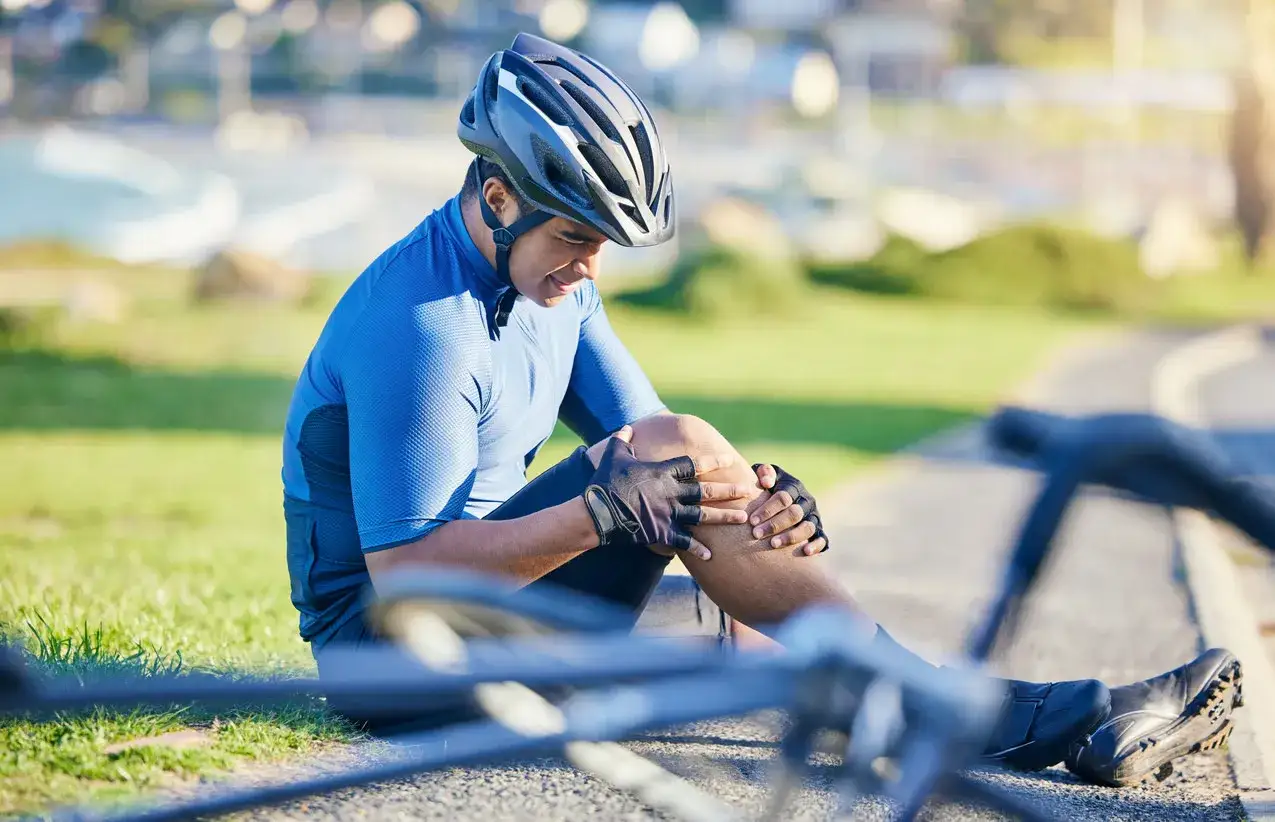
Some discomfort is manageable. Some is not. I would stop and reassess if the pain is sharp, if the knee swells after class, if it starts locking or catching, or if it feels unstable as you ride.
It is also worth paying attention if the knee pain changes your pedal stroke, because compensation often creates a second problem in the hip, ankle, or lower back. If the same knee keeps flaring up even after a few setup changes and easier rides, that is the point where a physical therapist, sports medicine clinician, or experienced bike fitter can save you a lot of trial and error.
In other words, spinning should challenge your fitness, not force you to protect the joint every time you turn the crank. If it does, the issue is probably not “spin class” in general. The issue is the way you are riding it.
The habits that keep indoor cycling sustainable
- Treat the first few rides as a fit check, not a test of toughness.
- Adjust the seat in small increments and keep notes on what improves comfort.
- Favor smooth cadence and moderate resistance over slow, grinding efforts.
- Keep some training variety in the week, including strength work for the hips, glutes, quads, and calves.
- Stop chasing output if the knee is sending clear warning signs.
My practical answer is this: spinning is not inherently bad for your knees. For many riders, it is one of the better cardio choices available. The difference between “good for my knees” and “my knees hate this” usually comes down to fit, load, and recovery, and those are all things you can control.