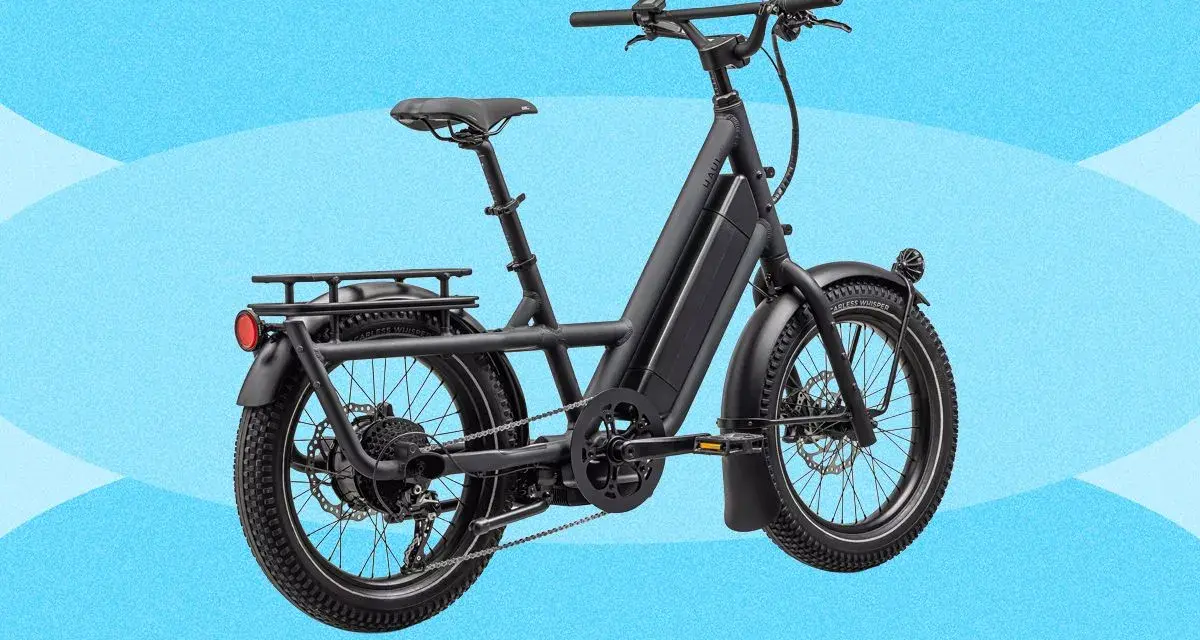
A cargo bike answers a simple problem: you need a bicycle that can safely carry groceries, kids, tools, or work gear without turning every trip into a balancing act. If you have been wondering what is a cargo bike, the short version is that it is a purpose-built bicycle with added carrying capacity, a stronger frame, and geometry tuned for stability under load. In this guide, I break down the main styles, what they are good at, what to check before buying, and when an electric model is worth the extra cost.
The quick version of cargo bikes
- A cargo bike is built to move real loads, not just to accept a rear rack as an afterthought.
- Longtails are usually the easiest first choice for families and everyday errands.
- Front-loaders excel with bulky cargo and give you a clear view of what you are carrying.
- Electric assist matters most when the route has hills, stop-and-go traffic, or child passengers.
- The most important buying checks are total weight rating, braking power, kickstand stability, and storage space.
- In the U.S., e-bike class rules and local path restrictions can matter as much as the bike itself.
How a cargo bike differs from a regular bike
The biggest difference is not just rack size. Cargo bikes are designed around a lower center of gravity, longer or more stable wheelbases, stronger braking systems, and load points that are meant to carry weight without making the bike feel nervous. A standard bike with panniers or a trailer can handle light errands, but once the load gets tall, heavy, or awkwardly shaped, the ride quality changes fast.
I look at cargo bikes as utility machines first and cycling bikes second. That matters because the frame and handling are built to stay predictable when the bike is full, not just when it is empty. Trek describes its cargo bikes as having specified areas for passengers and cargo so the bike still rides well when loaded, which is exactly the idea: the load system is integrated, not improvised.
That design difference is what makes a cargo bike feel confident in a school drop-off, a grocery run, or a work commute with gear. Once that is clear, the next step is matching the bike shape to the kind of load you actually carry.
The main cargo-bike styles you’ll actually see
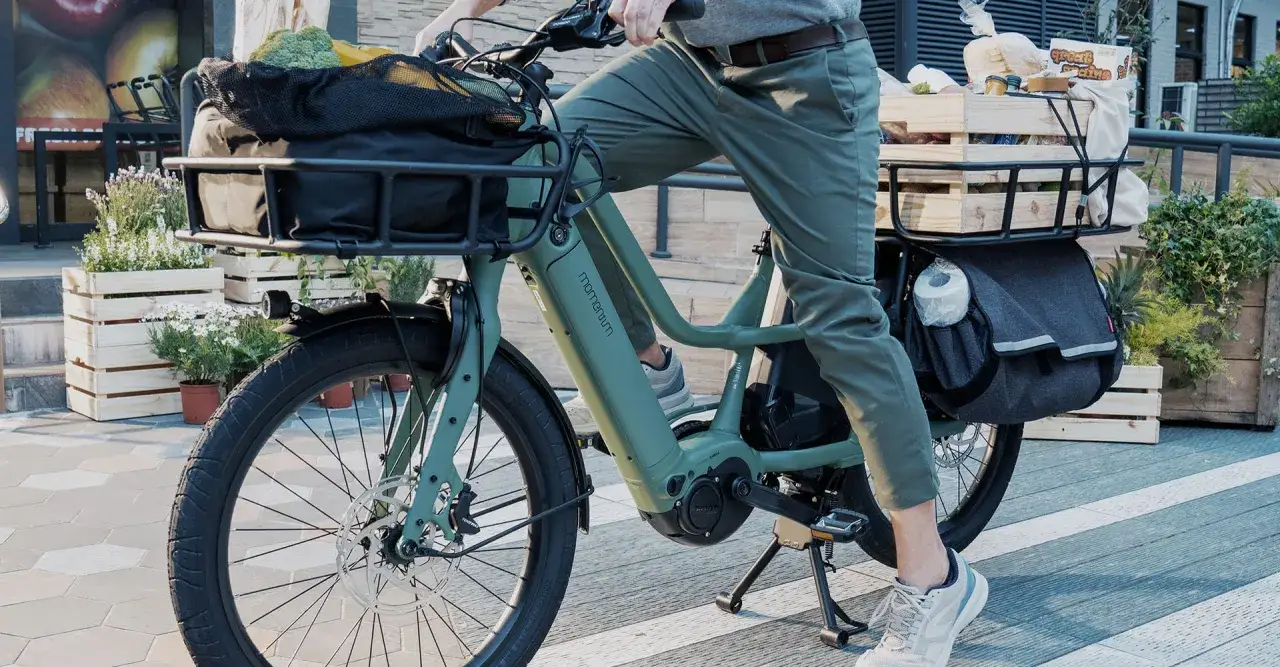
Most riders in the U.S. end up choosing between three practical layouts. They all count as cargo bikes, but they behave very differently once you start loading them.
| Style | Best for | Strengths | Trade-offs |
|---|---|---|---|
| Longtail | Kids, groceries, commuting, mixed errands | Feels closer to a regular bike, easier to park, usually simpler to store | Rear load can be long, and the cargo is less visible |
| Front-loader | Bulky cargo, younger kids, load visibility | Easy to see and access what you are carrying, very stable with the right setup | Longer and wider, so tight storage and turns take more planning |
| Compact utility or midtail | One child, smaller homes, lighter daily hauling | Shorter, less intimidating, easier to live with in cramped spaces | Less hauling margin than a full-size cargo bike |
If I were helping a first-time buyer, I would usually start with a longtail unless the cargo is unusually bulky or the rider really wants to keep the load in front of them. Front-loaders are excellent when you want to see the children or the box directly, and they are especially useful for odd-shaped loads. Compact utility bikes are the compromise option, and that is not a bad thing if your trips are short and your storage is limited. With the shape in mind, the next decision is whether you want pedal power alone or electric help.
Electric or muscle-powered
A non-electric cargo bike can make sense if your routes are flat, your loads are moderate, and you want the simplest possible machine. It will usually be lighter, cheaper, and easier to maintain. The downside is obvious the moment the bike is loaded and the road tilts upward: you are doing all the work yourself, every day.
That is why I think electric assist changes the usefulness of a cargo bike more than almost any other feature. If you are carrying kids, climbing hills, or starting and stopping constantly in city traffic, an e-cargo bike turns a borderline idea into a practical one. In the U.S., cargo e-bikes are commonly sold as Class 1, Class 2, or Class 3 models, and the legal access rules can vary by city, trail, and state. Class 1 uses pedal assist up to 20 mph, Class 2 adds throttle support up to 20 mph, and Class 3 assists up to 28 mph.
My rule is simple: if the bike needs to feel easy enough to use on your busiest day, not just your best day, electric assist is probably worth it. Once that choice is made, the real shopping begins with load rating and hardware.
What to check before you buy
The spec sheet can look impressive, but a cargo bike only works if the details match your life. I care more about practical numbers and hardware than about flashy features you will never use.
| What to check | What I want to see | Why it matters |
|---|---|---|
| Total weight rating | Enough room for rider, cargo, and accessories with margin left over | This is the real safety number, and many cargo bikes land roughly in the 300 to 600 pound total-weight range |
| Brakes | Strong disc brakes, ideally hydraulic on heavier bikes | Stopping power matters more when the bike is long and fully loaded |
| Kickstand | Stable dual-leg or center-mounted support | Loading children or heavy bags is much easier when the bike stands upright on its own |
| Fit and handling | Enough room to mount, stop, and steer confidently | A cargo bike that feels awkward in the parking lot will feel worse in traffic |
| Accessory ecosystem | Seats, rails, boxes, panniers, rain covers, or dog gear that actually fits | The bike is only as useful as the carrying system around it |
| Service support | A shop nearby that can work on the brand and motor system | Heavy utility bikes get used hard, so maintenance access matters |
I also tell buyers to test the bike loaded if possible. An empty cargo bike can hide its weak spots. A good demo should include starting, stopping, slow turns, and parking with the load system attached. That experience usually reveals more than a spec sheet ever will.
What it costs in the U.S. and where the compromises show up
Price is where a lot of shoppers get surprised. Recent buyer guides from Bicycling show cargo bikes ranging from under $900 to $8,000, which is a useful reminder that this category spans basic utility bikes and high-end family haulers. In practice, I usually think of it this way: simpler non-electric cargo bikes are the lower-cost entry point, while a solid e-cargo bike with the right accessories can quickly move into the mid-thousands.
Accessories add up faster than people expect. Child seats, running boards, rain covers, passenger bars, heavy-duty locks, and cargo boxes can easily add several hundred dollars to the final bill. Storage is another hidden cost. A front-loader may be brilliant on the road but awkward in a narrow hallway, and a longtail can still be a bad fit if you need to lift it upstairs or onto a car rack.
That is the trade-off I see most often in the U.S.: cargo bikes can replace car trips, but they are not always convenient to own in the same way a normal bike is. If your day-to-day routine includes tight storage, frequent transport in a vehicle, or a lot of theft exposure, the size and value of the bike deserve serious thought. Once those compromises are clear, the final decision becomes much easier.
The buying rule I would use before spending on a cargo bike
I use a simple filter. First, define the cargo: one child, two children, groceries, tools, a dog, or a mix of all of them. Second, define the route: flat, hilly, short, long, stop-and-go, or all of the above. Third, define the storage reality: garage, apartment, shed, basement, or outdoor locking only. If the bike solves those three problems cleanly, it is probably a good fit.
- Write down the heaviest thing you expect to carry on a normal day.
- Choose the frame shape that matches that load, not the one that looks most impressive.
- Decide whether motor assist is necessary for hills, distance, or child transport.
- Check the total weight rating, brake setup, kickstand, and accessory support before checking color.
The best cargo bike is the one you will actually use in ordinary life, not the one that sounds most capable on paper. If it makes errands easier, keeps the ride stable, and fits your space without becoming a burden, it has done its job. That is the standard I would use before spending the money.