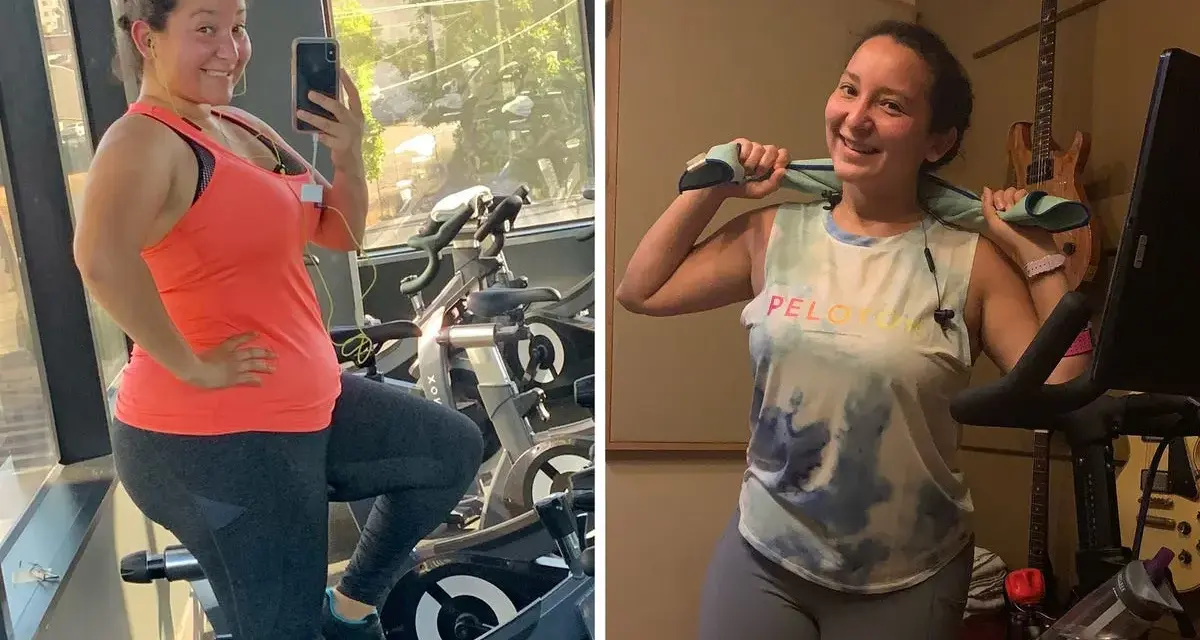
Will indoor cycling help me lose weight? Yes, if the rides are regular enough and your overall calorie intake stays below what you burn. In practice, the bike is a tool, not the whole solution: it can burn a meaningful number of calories, improve fitness, and make exercise easier to stick with, but it works best when the rest of your routine is equally honest.
This article breaks down how much a session really burns, what kind of weekly volume makes sense, how to structure rides for better results, and where people usually sabotage their own progress. I also include a few gear and setup details, because comfort and consistency matter more than most people expect.
What matters most for fat loss on the bike
- Indoor cycling can support weight loss, but only if it helps create a calorie deficit you can maintain.
- A 30-minute moderate ride can burn roughly 210 to 294 calories, depending on body weight.
- Three to five rides per week, plus a little strength work and diet control, is a realistic starting point.
- The biggest mistake is eating back every calorie you think you burned.
- Bike fit, airflow, and a plan you can repeat are often more important than a punishing class.
Yes, the bike can help, but the deficit still decides the result
The CDC is blunt about the mechanics of weight loss: physical activity helps because it increases the calories your body uses, but the real change happens when that is paired with eating a little less. That is why indoor cycling works for some people and stalls for others. The bike creates the work; the deficit decides whether the work shows up on the scale.
Indoor cycling has a few advantages that make it especially useful. It is low impact, easy to schedule, and simple to repeat even when the weather is bad or your neighborhood is not ideal for outdoor riding. If you are someone who avoids running because your knees complain, or you simply need a workout that feels more controlled, this is a practical option rather than a trendy one.
What matters is consistency. A ride you do four times a week beats a heroic class you dread and skip by next Tuesday. That leads straight to the more useful question: how much can one session realistically burn?
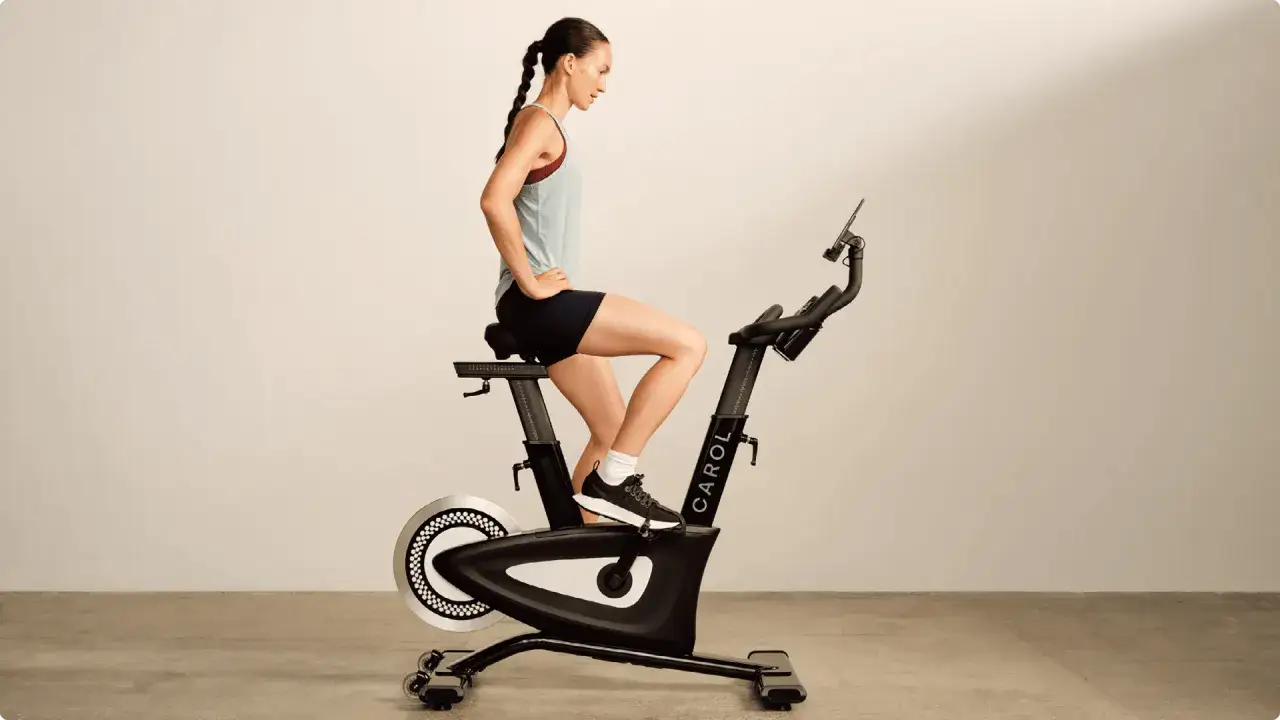
How much a ride on the bike can actually burn
Harvard Health’s calorie tables give a decent real-world estimate for stationary cycling at moderate effort. A 155-pound person burns about 252 calories in 30 minutes; a 125-pound rider burns about 210, and a 185-pound rider about 294. In other words, a solid half hour is meaningful, but it is not magic.| Body weight | 30 minutes at moderate effort | 60 minutes at moderate effort |
|---|---|---|
| 125 pounds | About 210 calories | About 420 calories |
| 155 pounds | About 252 calories | About 504 calories |
| 185 pounds | About 294 calories | About 588 calories |
Those numbers are estimates, not promises. Heavier resistance, harder intervals, and a higher average effort can push the burn up; easy recovery spinning pulls it down. I pay more attention to the average intensity across the whole ride than to one dramatic sprint in the middle.
If you track effort with a heart-rate monitor or use the talk test, a moderate ride should feel like you can still speak in short sentences. Vigorous work gets harder to talk through, which is useful once or twice a week, but not something most people can repeat every day. Once you know the burn, the next step is turning it into a weekly structure that actually changes body weight.
A weekly structure that makes fat loss realistic
I would not build a weight-loss plan around random classes. I would build it around weekly volume you can sustain: roughly 150 minutes of moderate cardio or about 75 minutes if most of the work is vigorous, plus two strength sessions, then adjust from there. That is enough movement to matter without turning your life into a training camp.
- Two steady rides of 35 to 45 minutes at a pace you can repeat next week.
- One interval ride of 20 to 30 minutes after you have a base, such as 6 rounds of 1 minute hard and 2 minutes easy.
- One optional easy spin or walk for recovery and extra calorie burn.
- Two strength sessions for legs, hips, back, and core so you keep muscle while losing weight.
- A small food adjustment if needed, usually by trimming portions or liquid calories instead of slashing meals aggressively.
The part most people miss is that cycling alone often creates a smaller deficit than they imagine. If I were coaching a beginner, I would rather see a moderate plan followed for 12 weeks than a brutal schedule abandoned after 12 days. The next layer is making each ride a little more productive without turning every session into a race.
How to make each ride do more work
Zone 2 is the easy-to-moderate effort where you can still speak in sentences. It sounds boring, but it is where a lot of useful aerobic work lives. Progressive overload simply means nudging the workload up over time, not all at once.
- Keep most rides controllable. If every session is a smashfest, recovery suffers and consistency drops.
- Add one hard session a week. Short intervals raise effort without making the entire week punishing.
- Increase only one variable at a time. Change duration, resistance, or interval count, but not all three together.
- Track effort honestly. Rate of perceived exertion, or RPE, is just a 1 to 10 scale for how hard the work feels.
- Warm up and cool down. Five minutes each way is enough to make hard work safer and more repeatable.
I care less about perfect numbers than about repeatable work. That means the bike must also be comfortable enough to sit on for weeks at a time, which is where setup and gear start to matter.
The setup choices that keep you riding consistently
A bad setup can quietly wreck a good plan. A saddle that sits too low, a fan that never comes on, or shoes that slide around will not stop you on day one, but they will wear you down by week three.
| Setup item | Why it matters |
|---|---|
| Bike fit | Proper saddle height and reach reduce knee and back irritation, which keeps you on the bike. |
| Fan or airflow | Overheating makes the same workout feel harder and shortens sessions. |
| Footwear or pedals | Stable foot placement improves comfort and power transfer. |
| Heart-rate monitor or RPE | Helps you control intensity instead of guessing. |
| Water and a towel | Small things, but they remove friction and make longer sessions practical. |
| Floor mat | Reduces noise, protects floors, and makes indoor sessions easier to live with. |
How indoor cycling compares with other cardio options
People often ask whether cycling is the “best” exercise for fat loss. My view is simpler: the best workout is the one you can repeat often enough to create a real deficit. Indoor cycling usually wins on adherence because it is low impact, weather-proof, and easy to scale up or down.
| Workout | Why it helps | Where it falls short |
|---|---|---|
| Indoor cycling | High calorie burn with low joint stress and easy scheduling. | It can feel easier than it really is, so people sometimes overestimate the burn. |
| Treadmill walking or running | Simple, familiar, and effective for steady calorie burn. | More impact, which can be a problem for some bodies. |
| Strength training | Helps preserve muscle and improves body composition while you lose fat. | Usually burns fewer calories during the session itself. |
That is why I rarely treat cycling and strength work as competitors. I treat them as partners. Cycling drives the calorie burn, while strength work helps you keep the shape and muscle you want underneath the weight loss. The last obstacle is not the bike at all; it is the set of small habits that quietly wipe out the deficit.
The mistakes that quietly cancel progress
This is where I see people get tripped up most often. The workout is real, but the result disappears because the surrounding habits are sloppy.
- Eating back every calorie from the ride. A hard 30-minute class does not earn a free-for-all meal.
- Riding hard every day. Fatigue builds, recovery drops, and motivation collapses.
- Skipping protein and strength work. You want less fat, not less muscle.
- Ignoring sleep. Poor sleep makes hunger louder and workouts feel harder.
- Judging progress from one scale reading. Water retention, soreness, and salt intake can hide progress for days.
If you want the bike to work for you, the real skill is not doing more and more suffering. It is keeping the plan honest enough that the work actually adds up. Here is the simplest version I would use for the first month.
A simple 30-day approach I would actually use
Start with a plan you can follow without negotiating with yourself every morning. That usually means three rides a week, two short strength sessions, and a small food adjustment that does not feel like punishment.
- Ride 3 times a week for the first two weeks, mostly steady.
- Add a fourth ride only if recovery and schedule stay stable.
- Lift twice a week or do bodyweight work if you have no weights.
- Trim 200 to 300 calories a day from easy-to-overeat items, not from every meal.
- Track waist, body-weight trend, and how your clothes fit, not just one scale reading.
If those numbers are moving in the right direction after a month, keep the plan boring and repeatable. If they are not, increase weekly ride time by 30 to 60 minutes, tighten food portions a little, or both. Indoor cycling can absolutely help you lose weight, but only when it is part of a system you can repeat and a diet that does not quietly erase the work.