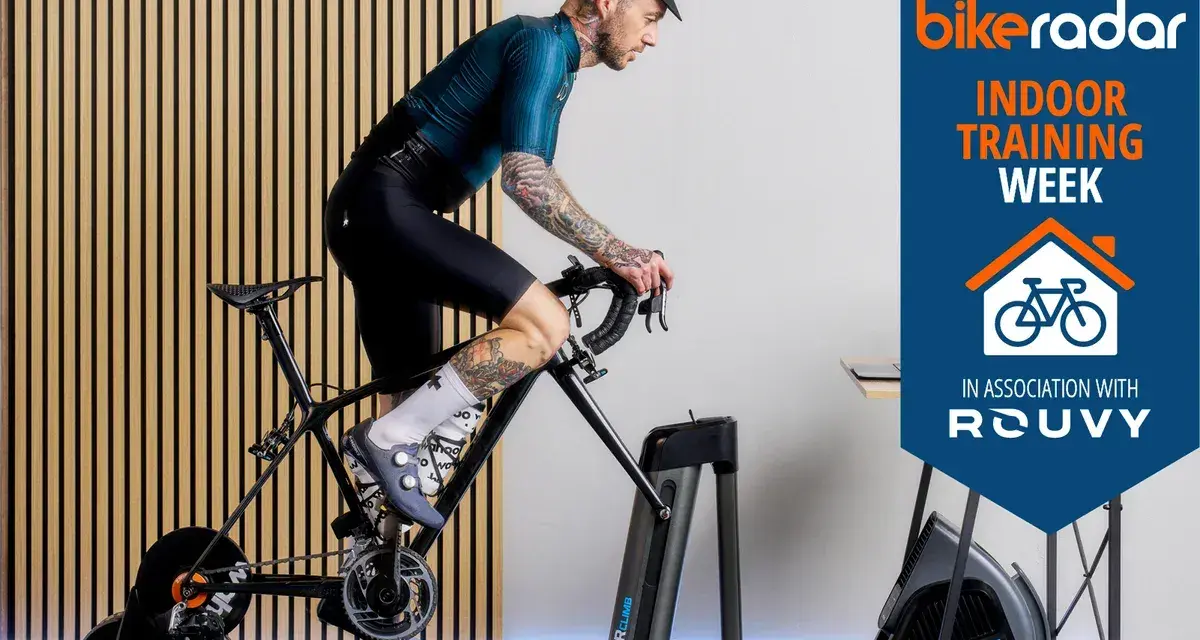
Indoor cycling works best when the gear matches the session you actually want to repeat. The real bike roller vs trainer decision is usually about balance and pedal smoothness on one side, versus stability, resistance control, and easier interval work on the other. I’ll break down how each setup feels, what it costs, where it shines, and how I would choose between them for different riding styles.
What matters most in this choice
- Rollers make you balance the bike, which sharpens cadence, control, and a smooth pedal stroke.
- Trainers keep the bike fixed, so structured workouts, hard efforts, and virtual riding are easier to manage.
- Wheel-on trainers are usually the cheapest option, but they are often noisier and harder on tires.
- Direct-drive smart trainers cost more, but they are quieter, more stable, and better for power-based training.
- Rollers are excellent for warm-ups, recovery spins, and handling skills; they are less forgiving for standing sprints and first-time users.
What each setup actually does
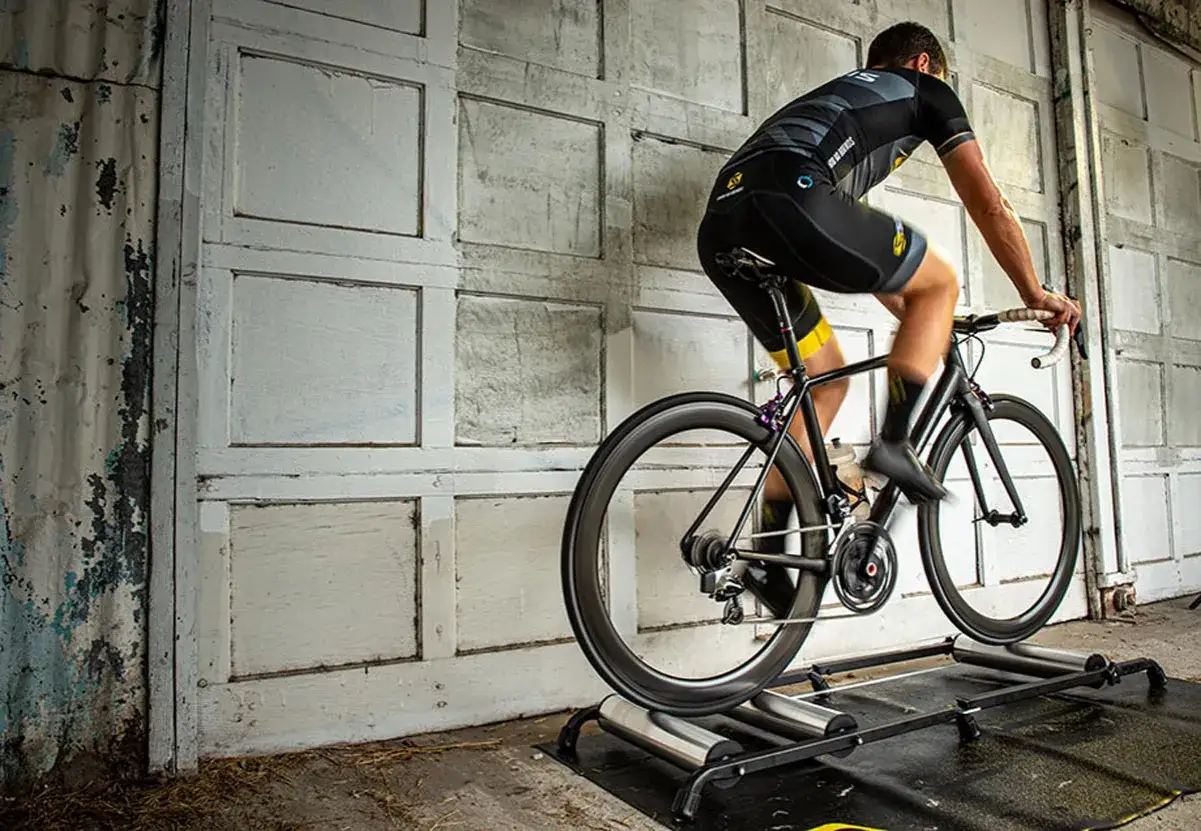
I separate these into two different jobs. Rollers use three spinning drums, and your bike sits on top without being clamped in place, so you have to keep the bike centered while you pedal. A trainer is broader: it can be a wheel-on unit, where the rear tire presses against a resistance roller, or a direct-drive trainer, where the rear wheel comes off and the bike mounts to a cassette on the machine.
That distinction matters because a roller session is partly a skill session, while a trainer session is mostly a workload session. If you only remember one thing, remember this: rollers demand control from you, while trainers remove a lot of the control problem so you can focus on watts, cadence, or simply surviving a hard interval.
That difference becomes obvious the first time you try to stand on the pedals or hold a long tempo block indoors.
How the ride feels when you start pedaling
| Aspect | Rollers | Trainer |
|---|---|---|
| Stability | You stay alert and balanced the whole time. | The bike feels planted and predictable. |
| Standing efforts | Possible, but more demanding and less forgiving. | Much easier, especially on a direct-drive setup. |
| Pedal stroke | Rewards a smooth, even circle. | Less feedback from sloppy pedaling. |
| Learning curve | Steeper at first; a doorway or wall helps. | Shallower; most riders settle in quickly. |
| Best feeling | More like a moving bike under you. | More like an anchored training platform. |
I like rollers when I want the bike to feel alive underneath me. They expose upper-body wobble, messy cadence, and the habit of stomping on the pedals. That is useful, but it is also the reason they can feel unforgiving for a rider who wants to zone out and just hold power.
Trainers solve the opposite problem. They make the bike stable enough that you can push hard without worrying about wandering off the drum, and that stability is exactly why they are friendlier for intervals, big gear work, and any workout where I want the resistance to stay the same while I focus on execution.
Which workouts each one handles best
When the workout itself matters more than the skill challenge, trainers usually win. A smart trainer can hold target power automatically in ERG mode, which is the setting that adjusts resistance for you so you can stay on a specific watt target instead of constantly shifting gears. That is a huge advantage for threshold sets, VO2 work, and long sweet-spot sessions.
Rollers still earn their place because they make steady, clean riding harder in a useful way. I reach for them when I want to warm up before a race, sharpen cadence, do short recovery spins, or spend 20 to 30 minutes on form without turning the session into a software-driven test. If you already have a power meter, rollers can still support structured work, but they are better at teaching consistency than at making the resistance disappear.
- Choose rollers for cadence drills, pre-race warm-ups, easy recovery rides, and technique work.
- Choose a trainer for threshold intervals, climbs, virtual rides, and hard efforts that need fixed resistance.
- Choose a trainer first if you want the machine to help you hit exact targets with the least friction.
That split is the heart of the decision, and it leads straight into the practical stuff most buyers care about next: noise, wear, and how annoying the setup is.
Noise, wear, and setup are where the gap gets real
The internet often treats rollers and trainers like a pure feel comparison, but daily use is where one option usually pulls ahead. Wheel-on trainers are the noisiest common setup because the rear tire presses against a resistance unit, and that contact also means faster tire wear. Direct-drive trainers remove the rear wheel, so they are generally quieter and easier on tires, though they still need a cassette and a little more setup the first time.
Rollers sit in a different place. They are often quieter than wheel-on friction trainers and they avoid the rear-tire wear problem, but they ask for your attention every minute you are on them. I also think they are easier to store if you are tight on space, because many fold down and disappear faster than a chunky trainer and mat combination.
Some premium trainers now add fore-aft or side-to-side movement, which makes long rides more comfortable, but it still does not recreate the balance work rollers demand.
| Practical factor | Rollers | Trainer |
|---|---|---|
| Noise | Usually moderate and smooth | Wheel-on can be loud; direct-drive is usually quietest |
| Tire wear | Minimal in normal use | Wheel-on wears rear tires faster; direct-drive avoids that |
| Setup time | Fast once you are comfortable mounting the bike | Wheel-on is simple; direct-drive takes a bit more setup at first |
| Portability | Excellent for travel or small spaces | Varies a lot; smart direct-drive units are heavier |
| Distraction level | High enough to keep you engaged | Lower, which is useful for long structured sessions |
If you are comparing a wheel-on trainer to rollers, I would be very honest about the tire and noise trade-off. If you are comparing rollers to a direct-drive smart trainer, the decision becomes less about practicality and more about whether you value balance work more than workout control.
What it costs in the current market
Price is where a lot of buying advice gets lazy. I do not think the cheapest option is always the best value, because the “real” cost includes the stuff you need to make the session comfortable enough to repeat: a mat, a fan, maybe a training tire, and in some cases a cassette.
| Option | Typical price range | What you are really buying |
|---|---|---|
| Basic rollers | $150 to $250 | Simple drums, a compact footprint, and a strong focus on balance and form |
| Premium rollers | $300 to $700+ | Better build quality, larger drums, and sometimes added resistance |
| Wheel-on trainer | $90 to $250 | The most affordable entry into indoor riding, with some compromise on noise and tire wear |
| Smart direct-drive trainer | $350 to $1,300+ | More accurate power, quieter operation, and the easiest path to structured training |
- Budget add-ons: mat, fan, and replacement tires can add another $100 to $300 to the total.
- Direct-drive add-on: a cassette may add roughly $40 to $100, depending on your drivetrain.
- Roller add-on: a resistance unit, if you want one, can move a simple roller setup into mid-range pricing quickly.
I would not buy rollers just because they are cheaper. A low-cost trainer that gets used four times a week is better value than a beautiful pair of rollers that stays in the corner after the first wobble.
Who should choose each option
If I were making the call for different riders, I would split it this way.
- Choose rollers if you want better bike handling, a more active ride feel, and a compact setup that still makes easy rides interesting.
- Choose rollers if you ride track, criterium, or any discipline where smoothness and warm-up quality matter a lot.
- Choose a direct-drive trainer if you want quiet, repeatable workouts with power control and the least hassle during long interval blocks.
- Choose a wheel-on trainer if your budget is tight and you mainly need a simple indoor option to get through winter.
- Choose a trainer if you live in an apartment, care about noise, or want the easiest path into virtual cycling apps.
- Choose either portable format if you travel often and need something that can come out of a car trunk, hotel room, or race weekend kit without much drama.
There is one exception I see a lot: riders who think they want the “harder” option and end up buying rollers before they are ready for the learning curve. If you have little indoor experience, a stable trainer is usually the cleaner starting point; you can always add rollers later as a skill tool.
The rule I use when the choice still feels close
When the decision is still balanced, I ask a simple question: do I want the machine to improve my technique, or do I want it to disappear and let me execute the workout? If the first answer matters more, I lean rollers. If the second answer matters more, I lean trainer, usually direct-drive.
That rule holds up because it cuts through feature lists and marketing language. A lot of indoor gear sounds more versatile than it really is, but the best setup is the one that matches the session you will repeat on a boring Tuesday night, not the one that looks most impressive on paper.
For most road cyclists in the United States, my default recommendation is still a quiet direct-drive trainer for the main indoor work, plus rollers if you later want sharper balance and cadence practice. If you only want one tool, pick the one that removes the most friction from the kind of riding you actually do indoors.